Heavy Alcohol Use Linked to Earlier, More Severe Strokes, Mass General Researchers Find

Alcohol bottles in Broadway Marketplace.

Alcohol bottles in Broadway Marketplace. By Grace E. Yoon

By Noor Ali, Alma T. Barak, and Christopher Schwarting, Contributing Writers

November 17, 2025

Heavy alcohol consumption may lead to earlier and more severe brain bleeds, according to a study published by researchers at Massachusetts General Brigham earlier this month.

Using data from patients admitted to MGB between 2003 and 2019 who had brain bleeds, the researchers found that people who drank heavily — defined as three or more alcoholic drinks a day — were 11 years younger, on average, when their bleeds occurred.

Strokes can be categorized into two types: ischemic strokes, which occur when blood flow to the brain is blocked, and hemorrhagic strokes, which result from a ruptured blood vessel. The researchers focused on the latter, which typically lead to more severe damage.

“Hemhorrhagic strokes, or brain bleeds, are less common, but they are a lot more dangerous,” said Edip Gurol, an associate professor of neurology at Harvard Medical School and author of the study. “50 percent of people who have a brain bleed die within the first month.”

The study, published in Neurology, tracked 1,600 patients over the course of 16 years, of which seven percent reported heavy alcohol consumption. The median age of brain bleeds for heavy drinkers was 64, compared to 75 in those who did not report heavy alcohol consumption.

“There was a very, very significant difference, which is telling us that one way or the other, heavy drinking is accelerating the brain bleeds,” Gurol said.

Using CT scans to determine the size and location of bleeds, the authors found that heavy drinkers experienced 70 percent larger bleeds and were twice as likely to have a bleed deep inside their brain.

“The brain bleeds in those patients were more likely to be deep and more likely to open inside the spinal fluid-filled spaces, the ventricles of the brain,” Gurol said.

Patients who reported heavy alcohol usage had higher blood pressure and lower blood platelet counts when they were admitted to the hospital, the study found. Those patients also showed greater evidence of small vessel damage in the brain, which is linked to several other health conditions such as dementia and heart failure.

“Despite their younger age, very probably because of the excessive alcohol use, these people had more severe small vessel disease-related brain damage, which is called white matter disease,” Gurol said.

Alvin S. Das, an assistant professor at Beth Israel Deaconess Medical Center, said the finding that heavy drinkers experienced larger brain bleeds would prompt him to stress the importance of cutting back on alcohol to his patients.

“What it might compel me to do is in a patient that comes to my office and they’ve had a deep hemorrhage, not only counsel them on aggressive hypertension management down the road to prevent another hemorrhage, but this study also would push me to counsel alcohol cessation,” Das said.

Because the number of heavy drinkers in the study was small and the data came from a single hospital, the researchers noted that future work should use larger datasets to examine how varying levels of alcohol use affect brain aging and stroke risk.

Gurol, for his part, said the findings underscore the importance of limiting alcohol consumption broadly, even in individuals without pre-existing health conditions.

“Even for people without known risk of alcohol damage, it is probably best to not to exceed three glasses per week and not to exceed one glass in over 24 hours,” Gurol said.

Want to keep up with breaking news? Subscribe to our email newsletter.

Tags

ResearchHarvard Medical School

Blackrock Health Womens Health Centre is officially open at 2-5 Warrington Place, Dublin 2!

Blackrock Health Womens Health Centre is officially open at 2-5 Warrington Place, Dublin 2!

From gynaecology to menopause, cardiology to pelvic health – we offer a wide range of services for every stage of your health journey.

Don’t delay your well-being and book your appointment today.

You can access our clinic directly through our website, or with a referral from your GP. Learn more about our patient-centred approach and book an appointment here: https://ow.ly/jGy850XsMvR

#WomensHealth#BlackrockHealth#NewClinic#BookToday#EmpowerWomen#PuttingWomenFirst

Looking for a satisfying, plant-based meal? This tempeh, black bean, and veggie chili is hearty, flavorful, and perfect for family dinners. @MayoClinic

Tempeh, black bean, and veggie chili

This vegetarian chili is so satiating and flavorful, you won’t miss the meat. Tempeh, a protein source made from organic soybeans and often combined with millet, brown rice, and barley, is a traditional ingredient in Indonesian and Japanese cui­sine. To serve this dish as a family meal, top with cheddar cheese, sour cream, and sliced scallions. You can find this recipe and 100 more delicious and safe recipes designed for busy caregivers in Cooking for Dysphagia and Other Swallowing Disorders by Diane Wolff

Servings: 6

Serving Size: 1 cup

Nutritional Information Per Serving

  • 165 calories
  • 4 g total fat
  • 1 g saturated fat
  • 214 mg sodium
  • 27 g total carbohydrate
  • 6 g dietary fiber
  • 6 g total sugars
  • 10 g protein

Ingredients

  • 2 tablespoons extra-virgin olive oil 
  • 6 ounces tempeh, cut into ½-inch cubes 
  • 2 teaspoons low-sodium soy sauce 
  • red onion, finely diced
  • 1 garlic clove, sliced 
  • ½ jalapeno pepper, stemmed, seeded, and finely diced 
  • 1 red bell pepper, diced 
  • 2 cups kabocha squash, cut into 2-inch pieces 
  • 3 large portobello mushrooms, cut into 2-inch pieces 
  • leeks, white parts only, cleaned and sliced 
  • 1 (15-ounce) can diced tomatoes
  • 1 (8-ounce) can tomato sauce 
  • ¼ cup tomato paste
  • 1 (15-ounce) can black beans, drained 
  • 1 teaspoon Worcestershire sauce 
  • 2 tablespoons red wine (optional) 
  • 1 teaspoon chili powder (optional) 

Directions  

  1. Warm the oil in a pot over medium heat or in a slow cooker with a sauté function. Add the tempeh and sauté, stirring occasionally, until lightly golden. Season with the soy sauce and stir to coat. Transfer the tempeh to a plate. 
  2. Add the onion, garlic, jalapeno, bell pepper, kabocha, portobellos, and leeks to the pot. Sauté, stirring occasionally, until softened and lightly caramelized, about 10 minutes. Add the diced tomatoes, tomato sauce, tomato paste, beans, Worcestershire, red wine, and chili powder, if using. 
  3. Return the tempeh to the pot and stir. If using a stove, bring to a boil, lower to a simmer, and cook, covered, with the lid ajar, about 1 hour. If using a slow cooker, cook on high for 1 hour. Set aside any servings for family meals
  4. For the puree, blend chili in batches, filling the pitcher only two-thirds full and venting the lid. Blend until you achieve the desired texture, transferring each batch to a large bowl. 
  5. Test as you go and at time of serving to see if a thickening agent, thickened sauce, or thickened stock is needed; use IDDSI Testing Methods (iddsi.orgto help achieve the desired IDDSI level. See pages 42-47. 
  6. Serve immediately or divide into servings for storage or freezing, following the directions for Serving, page 77. 

Notes:  

The dishes shown in the photos accompanying the recipes that follow are IDDSI Level 7. Please use the IDDSI instructions (pages 42-47) to modify the texture of each dish to the individual IDDSI level prescribed by your healthcare provider. Please refer to Andrew Cullum’s section (pages 74-75) on piping to create a beautiful plate. 

The recipes that follow allow for serving right away to yourself, to the person with dysphagia, or to family and friends. Generally, if not serving immediately, divide the extra servings (the beauty of the batch-cooking method!) between freezer- and oven-safe glass storage dishes. Allow to cool completely, cover, and refrigerate for up to 48 hours or freeze for up to 3 months (exceptions noted in individual recipes). 

An excerpt from Cooking for Dysphagia and Other Swallowing Disorders by Diane Wolff.

Blackrock Health Womens Health Centre is officially open at 2-5 Warrington Place, Dublin 2!

Blackrock Health Womens Health Centre is officially open at 2-5 Warrington Place, Dublin 2!

From gynaecology to menopause, cardiology to pelvic health – we offer a wide range of services for every stage of your health journey.

Don’t delay your well-being and book your appointment today.

You can access our clinic directly through our website, or with a referral from your GP. Learn more about our patient-centred approach and book an appointment here: https://ow.ly/jGy850XsMvR

#WomensHealth#BlackrockHealth#NewClinic#BookToday#EmpowerWomen#PuttingWomenFirst

Colorful fruits and vegetables are packed with phytonutrients that help calm inflammation — by Tamara Soerense @MayoClinic

Can eating the rainbow help to reduce inflammation?

11/6/2025 by Tamara Soerense

nFruitRainbow

Inflammation is a natural process initiated by the immune system in response to illness, trauma, toxins, physical stress and chronic disease. While acute inflammation is protective and allows our bodies to heal, it can become harmful if it persists, leading to chronic inflammation. Chronic inflammation, in turn, can lead to conditions such as arthritis, heart disease, and diabetes.

Several foods can contribute to inflammation. These include highly processed foods, refined carbohydrates, or foods high in added sugars. Conversely, other foods can help calm the immune system, decreasing inflammation.

Let’s explore which foods help lower inflammation and how they can be incorporated into an anti-inflammatory diet.

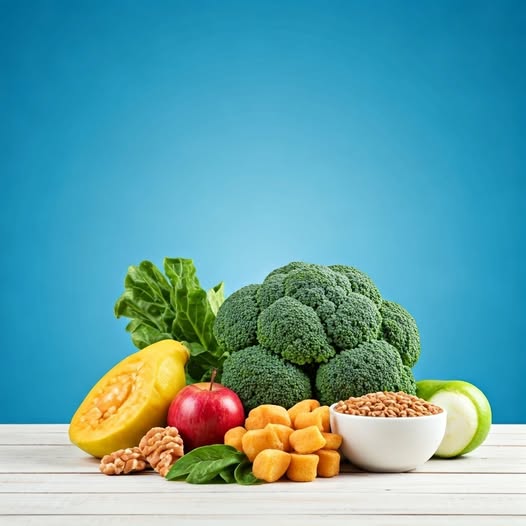
  • Fruits and Vegetables: Colorful fruits and vegetables naturally contain various phytonutrients and bioactive compounds that help keep inflammation in check. These foods form the foundation of the anti-inflammatory diet and can be enjoyed in abundance. For an extra boost of protection, try drizzling antioxidant-rich olive oil on your veggies..
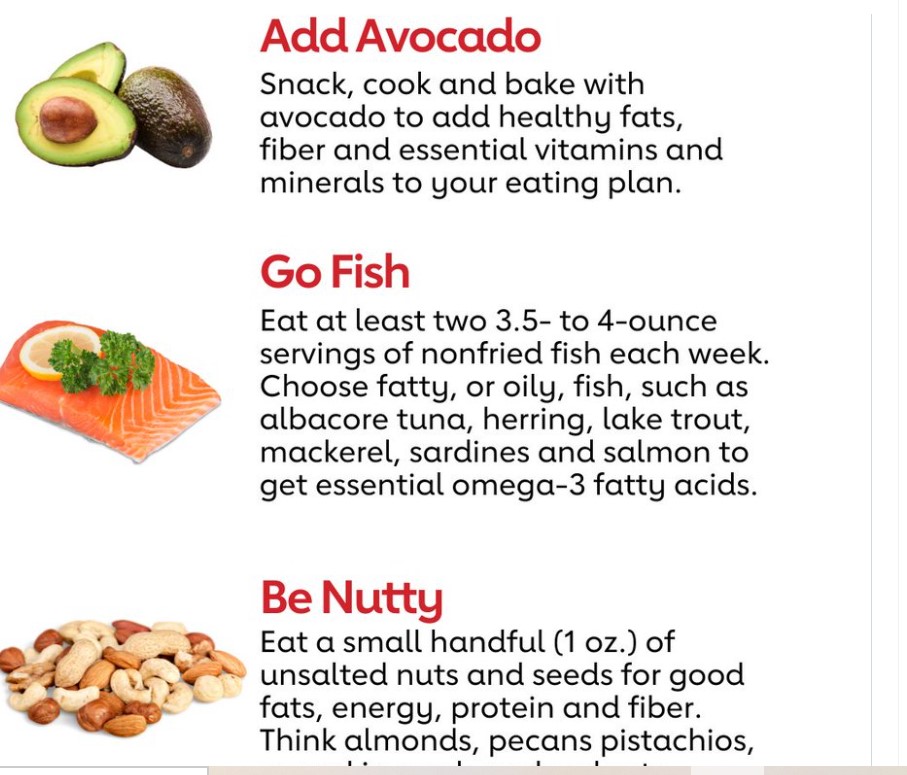
  • Protein: Choose primarily from plant-based sources such as legumes, soy, nuts, and seeds, with smaller amounts from lean cuts of animal protein and fatty fish. The fats in these proteins, mainly monounsaturated and omega-3, play a significant role in combating inflammation. The American Heart Association recommends 6 to 8 ounces of fatty fish and 5 ounces of legumes, nuts, and seeds per week.
  • Whole grains: Whole grains contain all parts of the grain, whereas refined grains remove the germ and bran, eliminating important inflammation-reducing compounds. Of these, fiber is a bit of a superstar, shown to help reduce blood sugar and cholesterol levels. Aim for at least 50% of your grains from whole grain sources, such as rolled oats and brown rice.
  • Herbs and Spices: Herbs and spices add flavor to your food and help reduce oxidative stress, which can trigger inflammation. Add ginger, turmeric, clove, cinnamon, oregano, and garlic to your next meal.

What change can you make today to shift your body into a less inflamed state?

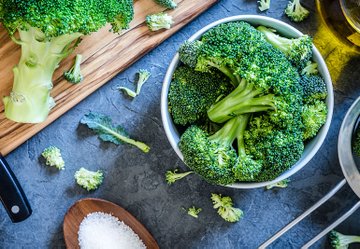
Consider adding one colorful fruit or vegetable to your diet each day. Suggestions include tomatoes, oranges, yellow bell peppers, arugula, blueberries, pumpkin and broccoli.

Tamara Soerensen completed her bachelor’s degree in biology at the University of California, Santa Barbara and her master’s in nutrition at Bastyr University. She is currently a dietetic intern at Mayo Clinic in Rochester, Minnesota. Special interests include digestive health and the utilization of diet for disease prevention.

Colorful fruits and vegetables are packed with phytonutrients that help calm inflammation — a natural process that, when chronic, can contribute to heart disease, arthritis and diabetes. by Tamara Soerense @MayoClinic

Can eating the rainbow help to reduce inflammation?

11/6/2025 by Tamara Soerense

nFruitRainbow

Inflammation is a natural process initiated by the immune system in response to illness, trauma, toxins, physical stress and chronic disease. While acute inflammation is protective and allows our bodies to heal, it can become harmful if it persists, leading to chronic inflammation. Chronic inflammation, in turn, can lead to conditions such as arthritis, heart disease, and diabetes.

Several foods can contribute to inflammation. These include highly processed foods, refined carbohydrates, or foods high in added sugars. Conversely, other foods can help calm the immune system, decreasing inflammation.

Let’s explore which foods help lower inflammation and how they can be incorporated into an anti-inflammatory diet.

  • Fruits and Vegetables: Colorful fruits and vegetables naturally contain various phytonutrients and bioactive compounds that help keep inflammation in check. These foods form the foundation of the anti-inflammatory diet and can be enjoyed in abundance. For an extra boost of protection, try drizzling antioxidant-rich olive oil on your veggies..
  • Protein: Choose primarily from plant-based sources such as legumes, soy, nuts, and seeds, with smaller amounts from lean cuts of animal protein and fatty fish. The fats in these proteins, mainly monounsaturated and omega-3, play a significant role in combating inflammation. The American Heart Association recommends 6 to 8 ounces of fatty fish and 5 ounces of legumes, nuts, and seeds per week.
  • Whole grains: Whole grains contain all parts of the grain, whereas refined grains remove the germ and bran, eliminating important inflammation-reducing compounds. Of these, fiber is a bit of a superstar, shown to help reduce blood sugar and cholesterol levels. Aim for at least 50% of your grains from whole grain sources, such as rolled oats and brown rice.
  • Herbs and Spices: Herbs and spices add flavor to your food and help reduce oxidative stress, which can trigger inflammation. Add ginger, turmeric, clove, cinnamon, oregano, and garlic to your next meal.

What change can you make today to shift your body into a less inflamed state?

Consider adding one colorful fruit or vegetable to your diet each day. Suggestions include tomatoes, oranges, yellow bell peppers, arugula, blueberries, pumpkin and broccoli.

Tamara Soerensen completed her bachelor’s degree in biology at the University of California, Santa Barbara and her master’s in nutrition at Bastyr University. She is currently a dietetic intern at Mayo Clinic in Rochester, Minnesota. Special interests include digestive health and the utilization of diet for disease prevention.

3 common solutions for back pain with physical therapy:@ClevelandClinic

Cleveland Clinic
@ClevelandClinic

3 common solutions for back pain with physical therapy:

Having heart disease doesn’t mean your adventuring days are over. It just means you have to do some extra planning. If you can’t seem to check your worries at the departure gate, reach out to your provider.

Why Avocados Are a Healthy — and Delicious — Addition to Your Diet @ClevelandClinic


Cleveland Clinic

@ClevelandClinic

Avocados are jam-packed with nutrients and vitamins and can make a delicious, nutritious addition to your diet.

Millenials may get flak for being the “avocado toast generation,” but honestly, they may be onto something! Avocados are as nutritious as they are delicious, and they’re jam-packed with vitamins and nutrients.

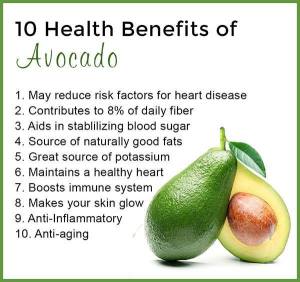
Avocados include vitamins C, E, K1, B6 and folate, plus essential minerals like potassium and copper. They’re low in sugar, loaded with fiber and high in monosaturated fats, aka “good” fats. Oh, and did we mention that they taste great and they’re super versatile?!

Registered dietitian Julia Zumpano, RD, LD, shares a few more good reasons to give these wrinkly green fruits a second look — plus, how to add them to your regular rotation.

Are avocados good for you?

“Avocados are a great addition to a healthy diet,” Zumpano confirms, “and there are hundreds of varieties to choose from, ranging from big to small and wrinkly to smooth.”

What they have in common: A big round pit, creamy green flesh and a whole lot of nutrients crammed into a handy, pear-shaped package.

Just don’t go overboard. Avocados are packed with nutrients, but they’re also packed with calories. A 50-gram portion — about a third of a medium-sized avocado — has about 75 calories. And an entire large avocado can add upward of 400 calories to your daily diet.

Like most things, Zumpano says, moderation is key. “As long as you’re paying attention to portion sizes, avocados are very healthy foods to include in your food repertoire.”

Benefits of avocados

Whether you’re adding a slice to a salad or sandwich or using them as an ingredient in a more complicated recipe, Zumpano says avocados have a lot going for them health-wise.

Here are some of the many nutrients and vitamins packed into just a single avocado:

High in ‘good’ fats

You might’ve heard that avocados are high in fat — and that’s true, but it doesn’t mean you should avoid them! A medium avocado has 22 grams of fat, which includes 15 grams of monounsaturated fats, aka “good” fats.

“Avocados are rich in heart-healthy monounsaturated fats, which help lower your LDL, or ‘bad’ cholesterol,” Zumpano says. “Low LDL levels reduce your risk of heart disease and stroke.”

The American Heart Association says most of the fats you eat should be monounsaturated or polyunsaturated, confirming that avocados fit the bill as part of a healthy diet.

You can even swap avocado in for less-healthy fats in your home cooking. Here are some additional ways you can add this smooth, creamy fruit to your diet.

  • Spread avocado on a sandwich in place of mayonnaise.
  • Instead of dunking veggies into dips made with cheese or sour cream, try guacamole.
  • Forego shredded cheese on your salad and add avocado slices instead.
  • In baking recipes, replace butter or oil with mashed avocado, like in these chocolatey avocado brownie bites.

“If you use avocado to replace other fats, you can enjoy the flavor and nutrients and also cut down on saturated fats,” Zumpano says.

Lots of vitamins

Let’s talk vitamins: In simple terms, avocados have a lot of them! Here are the vitamins that are most abundant in avocados and what they do for your health:

  • Vitamin K1, or phylloquinone, is important for blood clotting, which helps stop wounds from bleeding. It also plays a role in strengthening your bones. For most adults, the daily recommended amount of vitamin K ranges from 90 to120 micrograms. Half an avocado has about 21 mcg.
  • Vitamin C, aka ascorbic acid, helps keep your immune system healthy. It also plays a role in the health of your tissues, blood vessels, bones and more. Depending on your age and sex, you need anywhere from 75 to 120 milligrams of vitamin C per day; half an avocado has about 10 mg.
  • Vitamin E, or alpha-tocopherol, is a powerful antioxidant that prevents cell damage and helps maintain muscle function. Most adults only need 15 mg of vitamin C per day, and half an avocado will give you about 4 mg of it.
  • Vitamin B6, also known as pyridoxine, helps your body convert food into energy. You only need a small amount of vitamin B6 each day (just 1.2 to 2 mg, depending on your age and sex), but half an avocado has about .25 mg, putting you well on your way to that daily goal.
  • Folateis a B vitamin that’s important for normal cell function and tissue growth. It helps your body form red blood cells and DNA, which is especially critical when you’re pregnant (but still important if you’re not). Half an avocado has about 20% of your daily recommended amount.

Low in sugar

Though most fruits are high in natural sugars, avocados rank very low on the sweetness scale. “A whole avocado has under 1.5 grams of sugar, while one medium apple, by comparison, has about 19 grams,” Zumpano points out. (Psst: It’s important to note that not all sugars are created equal! Fruit is still super-healthy.)

High in fiber

Avocados are a good source of fiber, which is a type of carbohydrate that your body can’t break down. You need both soluble and insoluble fiber — and lucky for you, avocados have both.

“Fiber can lower cholesterol and blood sugar, keep you regular and help you feel full and satisfied after a meal,” Zumpano states. Most adults need 25 to 35 grams of fiber per day, depending on your age and sex. Half an avocado provides about 7 grams.

Packed with potassium

Surprise! “Avocados actually contain more potassium than bananas,” Zumpano reveals. Half a large avocado provides about 485 mg of potassium, while a whole banana provides about 420 mg. (Most adults need 2,600 to 3,400 mg per day.)

This essential mineral is beneficial for blood pressure control and heart health. Low blood potassium can increase your blood pressure, raise your risk of kidney stones and even pull calcium out of your bones.

Increases your copper intake

Think past pennies: Copper is actually an essential trace mineral that your body needs in order to function correctly. Most Americans don’t get enough of it in their diets, but half an avocado will get you 20% of your daily recommended amount.

“Copper helps your body metabolize iron, and it plays a role in a healthy immune system and nervous system,” Zumpano explains.

Tips for enjoying avocados

“A perfectly ripe avocado is slightly firm but not rock-hard,” Zumpano says. “If it’s not ripe but you can’t wait to eat it, store it in a paper bag on the counter until it gives a little when you squeeze it.”

A ripe-but-not-too-ripe avocado is a time-limited treasure, so dive right in and get creative with your avocado creations, or embrace the millennial method and enjoy some avocado toast.

But if you need to store it for a couple of days, just be sure to keep it in the fridge — not submerged in water, as some TikTokkers recommend. Some people call it a “food hack,” but it can easily lead to foodborne illness.

“You can even freeze avocado slices if you’re worried you won’t use them in time,” Zumpano suggests. “Then, you can easily throw them into a smoothie.”