Cabbage often—and unfairly—gets overlooked, with flashier veggies and protein-dense superfoods getting all the attention. But as far as nutritional food options go, the leafy green is pretty hard to beat. A staple in different cuisines (American coleslaw! Middle Eastern malfouf! Chinese suan la bai cai!), cabbage has been a longtime favorite amongst global chefs.
“Much of this stems from its versatility,” Woldy Reyes, chef and author of the cookbook In the Kusina: My Seasonal Filipino Cooking, tells Vogue. “We are seeing a growing trend of chefs utilizing it as a centerpiece, such as cabbage steaks, rather than as a side dish. The culinary appeal has never been stronger.”
“Its popularity stems from its ability to transform,” adds Tatiana Mora, chef of plant-based Michelin star restaurant Mita. “It can be eaten raw, fermented, steamed, roasted, or sautéed, consistently providing flavor, texture, and nutrition. I love it because it is a noble vegetable that grows easily, keeps well, and can be used almost entirely, making it perfect for a conscious and respectful approach to cooking.”
It’s accessible, easy to cook, and delicious. Here are all the reasons cabbage deserves a seat at your table (get it?) in 2026.
What is cabbage?
Cabbage is a leafy green that is part of the brassica plant family (which also includes broccoli, cauliflower, brussels sprouts, and kale), says Amy Shapiro, RD, registered dietitian and founder of Real Nutrition. It comes in several varieties, but the most common ones you’ll see are green, red (or purple), and savoy. What makes cabbage different from other leafy greens is its density and durability. “It’s heartier, stores longer, and holds up well to cooking, fermenting, and shredding,” Shapiro says. “Nutritionally, it shares many benefits with other cruciferous vegetables, but it’s often milder in flavor and more versatile across cuisines.”
The Benefits
Besides its versatility, one of the main benefits of cabbage is its many nutrients. Shapiro lists other main benefits of the leafy green:
Supports Gut Health
Shapiro says that, because cabbage contains fiber and other compounds that support digestion, eating this leafy green can benefit the gut bacteria and boost gut health.
Anti-Inflammatory Properties
Cabbage is also rich in antioxidants and phytonutrients that studies have shown can reduce inflammation, she says.
Boosts Heart Health
Along with fiber, cabbage has potassium, which supports healthy cholesterol levels and blood pressure. Cabbage also has vitamin K, which is essential for blood clotting (and bone health). Shapiro points to red cabbage in particular, which she says contains antioxidants called anthocyanins that studies have shown can improve brain and heart health.
Regulates Blood Sugar
Cabbage is low in calories and carbs while being high in fiber, which can help stabilize glucose levels in the body.
Blackrock Health Womens Health Centre is officially open at 2-5 Warrington Place, Dublin 2!
From gynaecology to menopause, cardiology to pelvic health – we offer a wide range of services for every stage of your health journey.
Don’t delay your well-being and book your appointment today.
You can access our clinic directly through our website, or with a referral from your GP. Learn more about our patient-centred approach and book an appointment here: https://ow.ly/jGy850XsMvR
Here’s a fact that may surprise you: By the year 2020, depression is projected to be a leading social and economic burden worldwide — second only to coronary artery disease! Psychotherapy and antidepressants are effective but aren’t for everyone.
But there’s another treatment for depression that’s free and available to everyone: exercise. It will also lower your blood pressure, improve your cholesterol profile, help control blood sugar, and reduce your risk of heart disease, diabetes and common cancers. And, of course, help you achieve or maintain a healthy weight.
What Does Alcohol Do to Your Body? 9 Ways Alcohol Affects Your Health
Alcohol affects your whole body, from your liver and immune system to your brain and mental health
You probably already know that excessive drinking can affect you in more ways than one.
There are the empty calories that can lead to weight gain. There’s the potential for injury and regrettable choices. And don’t forget about the hangovers of course.
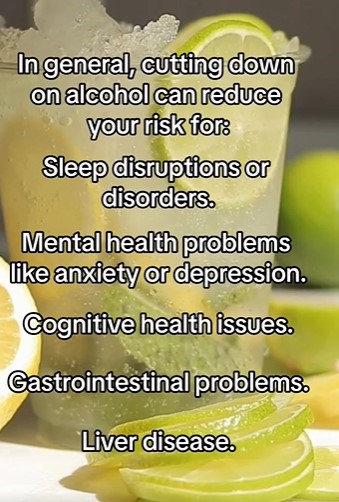
Heavy drinking can also lead to a host of health concerns, like brain damage, heart disease, cirrhosis of the liver and even certain kinds of cancer.
And that’s on top of the toll that alcohol use can take on relationships, not to mention the potential for financial strain and legal troubles.
But even moderate alcohol use changes the way your body functions.
We talked with hepatologist Shreya Sengupta, MD, about how alcohol use affects your body and your emotional health.
“Some people think of the effects of alcohol as only something to be worried about if you’re living with alcohol use disorder, which was formerly called alcoholism,” Dr. Sengupta says.
“But when you consider how alcohol is metabolized and used by your body, we can start to see that even moderate and social drinking affects our health to some degree.”
Dr. Sengupta shares some of the not-so-obvious effects that alcohol has on your body.
Liver
Your liver detoxifies and removes alcohol from your blood through a process known as oxidation. When your liver finishes that process, alcohol gets turned into water and carbon dioxide.
But when you ingest too much alcohol for your liver to process in a timely manner, a buildup of toxic substances begins to take a toll on your liver.
If alcohol continues to accumulate in your system, it can destroy cells and, eventually, damage your organs.
“When your liver is overwhelmed by oxidizing alcohol, it generates molecules that inhibit fat oxidation,” Dr. Sengupta explains. “The fats build up. Over time, it can lead to a condition known as steatotic liver disease.”
Steatotic liver disease used to go by the name fatty liver disease.
Steatotic liver disease develops in about 90% of people who drink more than 1.5 to 2 ounces of alcohol per day. That’s about one shot glass worth.
With continued alcohol use, steatotic liver disease can lead to liver fibrosis. Eventually, you can develop permanent and irreversible scarring in your liver, which is called cirrhosis.
“The good news is that earlier stages of steatotic liver disease are usually completely reversible in about four to six weeks if you abstain from drinking alcohol,” Dr. Sengupta assures.
Cirrhosis, on the other hand, is irreversible and can lead to liver failure and liver cancer, even if you abstain from alcohol.
Metabolism
You probably are keenly aware of the so-called “beer belly.” That’s shorthand for a round midsection that some people associate with drinking too much beer.
In reality, there’s no evidence that drinking beer (or your alcoholic beverages of choice) actually contributes to belly fat.
But there’s plenty of research to back up the notion that alcohol does lead to weight gain in general. Even for people who aren’t particularly heavy drinkers.
“Drinking gives your body work to do that keeps it from going about its other processes,” Dr. Sengupta notes. “Alcohol distracts your system from its regularly scheduled duties, including things like metabolizing carbohydrates and fats.”
Once you take a drink, your body makes metabolizing alcohol a priority — above processing anything else.
That’s because your body already has processes in place that allow it to store excess proteins, carbohydrates and fats. But there isn’t a storage tank for alcohol. So, your system prioritizes getting rid of alcohol before it can turn its attention to its other work.
That allows excess calories from the foods you eat to sit around, leading to weight gain.
Gut health
Your gut microbiome is a hotbed of bacteria that help keep your digestive system happy and healthy. The trillions of microbes in your colon and large and small intestines are critical to proper digestion. They also help fend off inflammation and support healthy metabolism.
When you drink too much alcohol, it can throw off the balance of good and bad bacteria in your gut.
“Alcohol can kill the good bacteria that live in your gut, allowing bad bacteria to grow unchecked,” Dr. Sengupta explains. “That can lead to problems with digestion, inflammation and even organ damage.”
Having a glass of wine with dinner or a beer at a party here and there isn’t going to destroy your gut. But even low amounts of daily drinking and prolonged and heavy use of alcohol can lead to significant problems for your digestive system.
There are a few studies that associate red wine with improved heart health in lab tests. But no research proves that red wine causes any improvements in heart health in people.
“The reality is that alcohol causes more health troubles than it could ever help,” Dr. Sengupta reinforces. “And that goes for your heart, as well as the rest of your body.”
Pancreas
Your pancreas helps your body digest food and manage your blood sugar. Drinking alcohol changes how your pancreas works.
“Your pancreas secretes fluids. Alcohol use can thicken those fluids, which can clog the ducts that those fluids flow out of,” Dr. Sengupta explains.
Like a clog in a drain, those thickened fluids can jam up your ducts. That can lead to pancreatitis, which is inflammation of the pancreas.
Pancreatitis can be a short-term (acute) condition that clears up in a few days. But prolonged alcohol abuse can lead to chronic (long-term) pancreatitis, which can be severe.
Your body breaks alcohol down into a chemical called acetaldehyde, which damages your DNA. Damaged DNA can cause a cell to grow out of control, which results in cancerous tumors.
Alcohol use has been shown to raise your risk for several kinds of cancer. That includes cancers of the:
Mouth.
Esophagus.
Throat.
Liver.
Breast.
Colon and rectum.
Immune system
If you drink every day, or almost every day, you might notice that you catch colds, flu or other illnesses more frequently than people who don’t drink. That’s because alcohol can weaken your immune system and make your body more susceptible to infection.
“We see lower levels of a specific kind of white blood cells called lymphocytes in people who drink heavily for long periods of time,” Dr. Sengupta reports. “That can leave them more vulnerable to infectious diseases.”
Brain
The morning after a night of over-imbibing can cause some temporary effects on your brain. Things like trouble concentration, slow reflexes and sensitivity to bright lights and loud sounds are standard signs of a hangover, and evidence of alcohol’s effects on your brain.
Long-term alcohol use can change your brain’s wiring in much more significant ways. Ways that your standard hangover cures won’t even begin to touch.
“Excessive alcohol consumption can cause nerve damage and irreversible forms of dementia,” Dr. Sengupta warns.
Mental health
Alcohol is a depressant. And prolonged alcohol use can lead to mental health conditions like anxiety and depression. Chronic misuse can also lead to paranoia and hallucinations.
Even drinking a little too much (binge drinking) on occasion can set off a chain reaction that affects your well-being. Lowered inhibitions can lead to poor choices with lasting repercussions — like the end of a relationship, an accident or legal woes. Each of those consequences can cause turmoil that can negatively affect your long-term emotional health.
“Alcohol tends to cause more problems than it solves for a lot of people,” Dr. Sengupta emphasizes. “If drinking is affecting your health, your relationships, your work, your finances, it’s time to make some serious changes.”
If you need more guidance to quit drinking, the Substance Abuse and Mental Health Services Administration (SAMHSA) offers a hotline, 24/7, 365 days a year. Call 1.800.662.HELP (4357).
Alcoholics Anonymous is available almost everywhere and provides a place to openly and nonjudgmentally discuss alcohol issues with others who have alcohol use disorder.
Try our lighter carrot cake, which the entire family will love. It has just the right texture, like a slightly sweetened, light corn bread. It’s great on its own or with a dollop of frozen whipped topping or nonfat ice cream.
Ingredients
No-stick baking spray with flour
1 cup unbleached all-purpose flour
½ cup whole wheat flour
½ cup granulated sugar substitute
¼ cup packed light brown sugar
¼ cup nonfat dry milk
1 ¼ teaspoons baking soda
1 ½ teaspoons baking powder
1 teaspoon ground cinnamon
¼ teaspoon ground cloves
½ teaspoon ground nutmeg
½ teaspoon ground allspice
¼ cup canola oil
1 large egg
¾ cup egg substitute
1 ½ cups finely grated carrots
2 tablespoons finely chopped walnuts
2 tablespoons golden raisins
One 6-ounce can unsweetened crushed pineapple, drained
2 tablespoons confectioners’ sugar, optional
Directions
Preheat the oven to 350ºF. Coat a 10-inch pan with baking spray.
Sift the white and whole wheat flours into a large bowl. Add the sugar substitute, brown sugar, dry milk, baking soda, baking powder and spices. Stir to mix well. Using the medium setting of an electric mixer, beat in the oil, egg and egg substitute until the batter is smooth. Fold in the carrots, walnuts, raisins and pineapple.
Spread the batter into the prepared pan and bake for 30 minutes, until a toothpick inserted in the center of the cake comes out clean. Cool in the pan. Remove the outer ring of the pan and sift confectioners’ sugar over the top, if desired. Serve at room temperature.
Dietitian’s Note: Never has carrot cake tasted so good, and been so guiltless! When compared to traditional carrot cake with icing, you save 180 calories, 12 grams of fat, and 4 grams of saturated fat.
There is no magic pill to reverse the aging process. But if you want to counter the biological mechanisms that drive age-related conditions, like the accumulation of senescent cells, you will need to exercise.
Can eating the rainbow help to reduce inflammation?
11/6/2025 by Tamara Soerense
n
Inflammation is a natural process initiated by the immune system in response to illness, trauma, toxins, physical stress and chronic disease. While acute inflammation is protective and allows our bodies to heal, it can become harmful if it persists, leading to chronic inflammation. Chronic inflammation, in turn, can lead to conditions such as arthritis, heart disease, and diabetes.
Several foods can contribute to inflammation. These include highly processed foods, refined carbohydrates, or foods high in added sugars. Conversely, other foods can help calm the immune system, decreasing inflammation.
Let’s explore which foods help lower inflammation and how they can be incorporated into an anti-inflammatory diet.
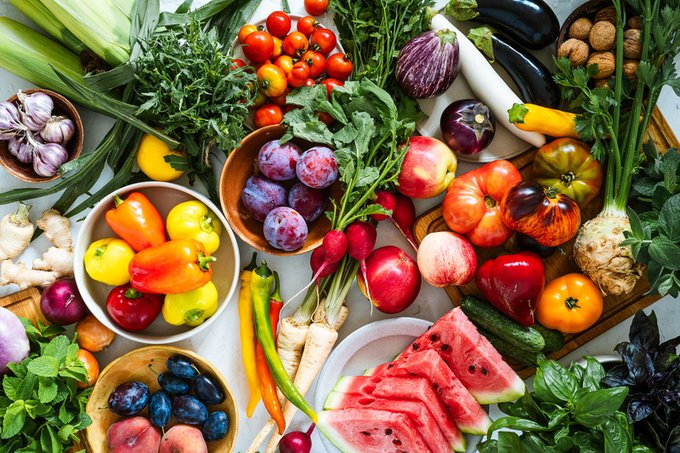
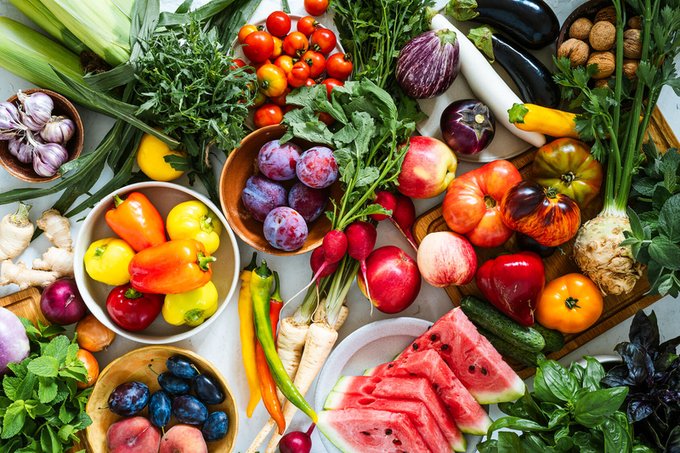
Fruits and Vegetables: Colorful fruits and vegetables naturally contain various phytonutrients and bioactive compounds that help keep inflammation in check. These foods form the foundation of the anti-inflammatory diet and can be enjoyed in abundance. For an extra boost of protection, try drizzling antioxidant-rich olive oil on your veggies..
Protein: Choose primarily from plant-based sources such as legumes, soy, nuts, and seeds, with smaller amounts from lean cuts of animal protein and fatty fish. The fats in these proteins, mainly monounsaturated and omega-3, play a significant role in combating inflammation. The American Heart Association recommends 6 to 8 ounces of fatty fish and 5 ounces of legumes, nuts, and seeds per week.
Whole grains: Whole grains contain all parts of the grain, whereas refined grains remove the germ and bran, eliminating important inflammation-reducing compounds. Of these, fiber is a bit of a superstar, shown to help reduce blood sugar and cholesterol levels. Aim for at least 50% of your grains from whole grain sources, such as rolled oats and brown rice.
Herbs and Spices: Herbs and spices add flavor to your food and help reduce oxidative stress, which can trigger inflammation. Add ginger, turmeric, clove, cinnamon, oregano, and garlic to your next meal.
What change can you make today to shift your body into a less inflamed state?
Consider adding one colorful fruit or vegetable to your diet each day. Suggestions include tomatoes, oranges, yellow bell peppers, arugula, blueberries, pumpkin and broccoli.
Tamara Soerensen completed her bachelor’s degree in biology at the University of California, Santa Barbara and her master’s in nutrition at Bastyr University. She is currently a dietetic intern at Mayo Clinic in Rochester, Minnesota. Special interests include digestive health and the utilization of diet for disease prevention.
It’s fun and healthy to make pizza on the grill. It’s also quick and easy — and sure to be a family favorite. Experiment with different vegetables and fruits on your grill this season for healthy, tasty meals.
Ingredients
1 package prepared whole-wheat pizza crust (found in refrigerated section)
1/2 cup prepared pesto sauce
4 ounces soft, low-fat goat cheese, cut in small cubes
1 large ripe tomato, sliced thin
1/3 cup fresh or canned roasted red pepper, drained well and cut in thin strips
6 ounces precooked chicken breast, cut into small chunks
Directions
Spray or brush grill grate with oil. Preheat grill to medium-high.
Brush or spray a cutting board or large pan with olive oil. Spread out pizza dough with oiled fingers into the desired crust shape.
Prepare vegetables, chicken and cheese in small cups or bowls. Set aside.
When you’re ready to grill, put pizza dough on grill and cover.
Cook for approximately 2 to 3 minutes, or until the top begins to bubble and the bottom is lightly browned.
Flip over and brush with pesto sauce.
Working quickly, add the tomatoes, roasted red peppers and chicken. Dot with cheese.
Cover and cook for another 2 to 3 minutes or until the cheese is melted. Take off the heat and enjoy!
Nutrition information (per serving)
Makes 6 servings Serving size = one slice
Calories: 428 Protein: 24 g Total fat: 12 g Saturated fat: 5 g Sodium: 540 mg Calcium: 95 mg Fiber: 6 g Sugar: 3 g Potassium: 410 mg Magnesium: 80 mg
It’s fun and healthy to make pizza on the grill. It’s also quick and easy — and sure to be a family favorite. Experiment with different vegetables and fruits on your grill this season for healthy, tasty meals.
Ingredients
1 package prepared whole-wheat pizza crust (found in refrigerated section)
1/2 cup prepared pesto sauce
4 ounces soft, low-fat goat cheese, cut in small cubes
1 large ripe tomato, sliced thin
1/3 cup fresh or canned roasted red pepper, drained well and cut in thin strips
6 ounces precooked chicken breast, cut into small chunks
Directions
Spray or brush grill grate with oil. Preheat grill to medium-high.
Brush or spray a cutting board or large pan with olive oil. Spread out pizza dough with oiled fingers into the desired crust shape.
Prepare vegetables, chicken and cheese in small cups or bowls. Set aside.
When you’re ready to grill, put pizza dough on grill and cover.
Cook for approximately 2 to 3 minutes, or until the top begins to bubble and the bottom is lightly browned.
Flip over and brush with pesto sauce.
Working quickly, add the tomatoes, roasted red peppers and chicken. Dot with cheese.
Cover and cook for another 2 to 3 minutes or until the cheese is melted. Take off the heat and enjoy!
Nutrition information (per serving)
Makes 6 servings Serving size = one slice
Calories: 428 Protein: 24 g Total fat: 12 g Saturated fat: 5 g Sodium: 540 mg Calcium: 95 mg Fiber: 6 g Sugar: 3 g Potassium: 410 mg Magnesium: 80 mg
As more people are drinking less, there’s been an uptick in more drink companies creating nonalcoholic options. But it can still be tough to figure out which of these options are healthy. Keep an eye on ingredients like sugar, artificial sweeteners and caffeine. If you're… pic.twitter.com/ijka3qWtlU
As more people are drinking less, there’s been an uptick in more drink companies creating nonalcoholic options. But it can still be tough to figure out which of these options are healthy. Keep an eye on ingredients like sugar, artificial sweeteners and caffeine. If you’re choosing nonalcoholic alternatives, consider options that are low in added sugars and free from unnecessary additives. Consulting a healthcare provider can help ensure your choices support your overall well-being.











 Healthaware