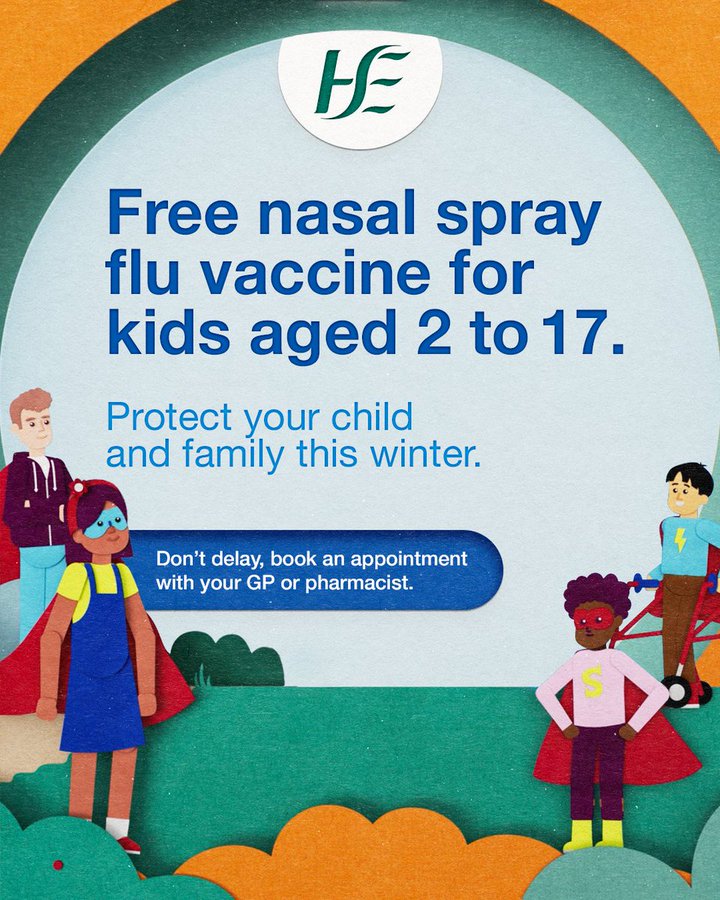
Children are twice as likely as adults to catch the flu. The nasal spray flu vaccine helps to protect children against flu. It is safe, effective and available for children aged 2 to 17. Learn more: https://bit.ly/3IVu8w8 #FluVaccine

Health is Wealth
Children are twice as likely as adults to catch the flu. The nasal spray flu vaccine helps to protect children against flu. It is safe, effective and available for children aged 2 to 17. Learn more: https://bit.ly/3IVu8w8 #FluVaccine


·
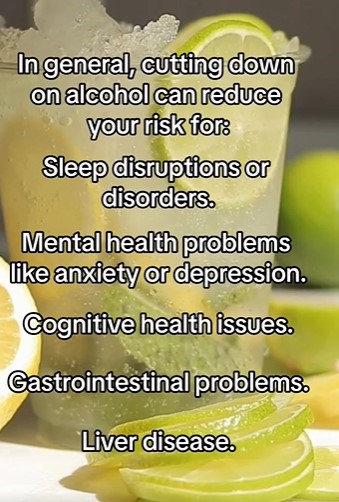
As more people are drinking less, there’s been an uptick in more drink companies creating nonalcoholic options. But it can still be tough to figure out which of these options are healthy. Keep an eye on ingredients like sugar, artificial sweeteners and caffeine. If you’re choosing nonalcoholic alternatives, consider options that are low in added sugars and free from unnecessary additives. Consulting a healthcare provider can help ensure your choices support your overall well-being.
Show more

Chartered Society of PhysiotherapyVerified account @thecsp 37 minutes ago
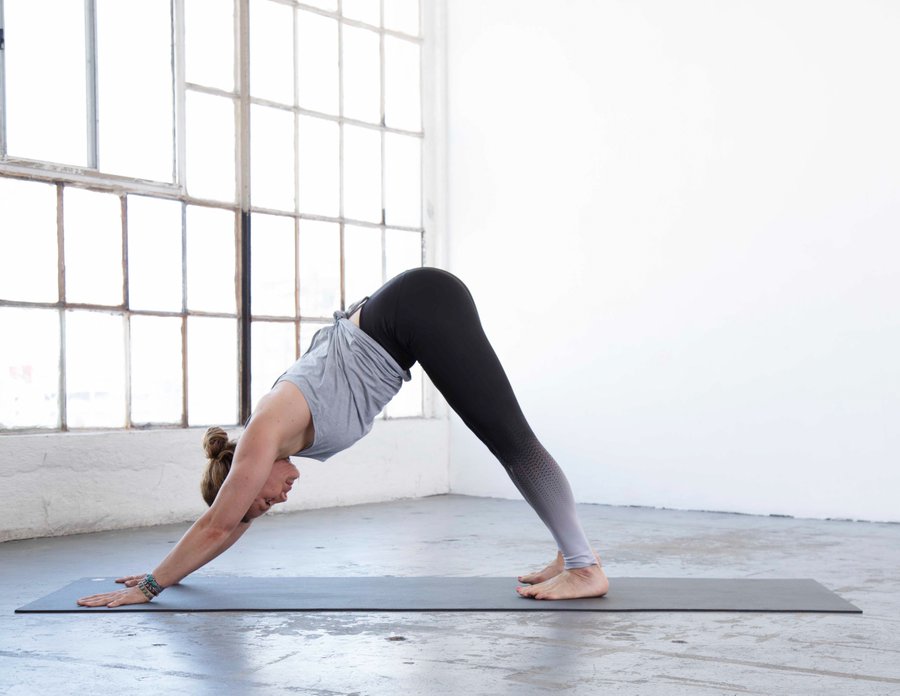
There are many myths surrounding back pain, read our guide ’10 things you need to know about your back’ with the latest physio advice: http://www.csp.org.uk/yourback #LiveWellforLonger

Why the idea that “a little red wine is good for your heart” doesn’t hold up anymore.
I used to drink.
A lot more than I should have.
And while I had some seriously good times when I was drinking, it came at a huge cost.
Brutal hangovers. Terrible sleep. Wrecked weekends.
Even a broken back.
(But that’s a story for another day.)
I still drink.
But just very little these days.
As a cardiologist, I am asked almost every day if ‘Alcohol is good or bad for your health?’.
Let’s find out.
There is no getting away from the fact that, at its most basic chemical foundation, alcohol is a toxin.
Globally, alcohol is responsible for 3 million deaths per year; in the United States, it is the third leading cause of preventable death¹².
Alcohol is a factor in³:
Alcohol is a factor in 1 in 5 emergency department presentations⁴.
No pun intended, but these statistics make for some sober reading.
‘Red Wine Is Good For Your Heart.’
Now come on.
Did you really think that was true?
I have heard this phrase over and over again in my clinical practice.
High levels of exercise are good for your heart, but oddly enough, most people seem to be far less enthusiastic about this approach than regular alcohol consumption.
Let’s see what the data says.
Up until very recently, it was believed that drinking 1-2 drinks per day was actually protective when it came to dying prematurely⁵.

This data was based on observational studies that cannot fully control for all confounders and can therefore not infer causality.
When you examine the people who drink only 1 to 2 drinks per day, you consistently find that they are much less likely to smoke, be overweight or engage in any other risky health behaviours.
So in truth, it probably wasn’t the alcohol that was driving the effect.
More recent studies have attempted to control for this variable more carefully, and the relationship is clear.
The more you drink.
The higher the risk.
Take coronary artery disease. Higher alcohol intake equates to a higher risk.
The same applies to high blood pressure⁶.

The same applies to stroke⁷.
The list goes on⁸:
You get the point.
With all this information to hand, why is it then that I and billions of others continue to drink alcohol?…
Become a paying subscriber of Dr Paddy Barrett to get access to this post and other subscriber-only content.
 | Subscriber Only Posts & Access To Full Archive |
| 25% Discount On Live Education Sessions & AMA’s |
| Discounts On Courses & Live Education Sessions & AMA’s |

This pudding is packed with health-promoting chia seeds, almond milk, cinnamon, cocoa, coconut flakes and dried fruit. It’s the perfect chocolate treat.
½ cup Chia seeds
1 cup vanilla almond milk, unsweetened
1 cup 2% milk (may use all almond for non-dairy option)
1½ tablespoons honey
1 tablespoon cocoa powder, unsweetened
1 teaspoon cinnamon
1 teaspoon vanilla extract
2 tablespoons coconut flakes, unsweetened
2 tablespoons dried tart cherries, or other unsweetened dried fruit
Note: For a smoother texture, blend pudding in a high power blender before refrigerating. Be sure to blend well to avoid a gritty texture.
Makes 6 servings
Each 1/2 cup serving contains:
Calories 140
Total fat 7g
Saturated fat 2g
Trans fat 0g
Protein 4g
Total carbohydrate 16g
Fiber 6g
Sugar 7g
Cholesterol 5mg
Sodium 150mg
https://health.clevelandclinic.org/2017/09/recipe-perfect-chocolate-chia-pudding/
·
Go inside the operating room for open-heart surgery. Dr. Eric Roselli gives us a behind-the-scenes look at a complex procedure.


We all want to protect our kids whether it be from falls, bumps and bruises — or avoidable infections and diseases. To help your child avoid illness, it’s important to encourage good habits and take steps to boost their immune system from an early age.
“Most of what makes a child’s immune system strong is common sense,” says pediatrician Adriane Lioudis, MD. If you keep these five tips in mind, you’ll stack the deck in your child’s favor for a healthier life.
While it’s a very personal decision (that isn’t always possible), if you are able to exclusively breastfeed your child for at least six months, it may have benefits. Some research shows that breastfeeding your child might possibly reduce allergies, Dr. Lioudis says.
Eighty percent of infections are spread by touch. Teach your little one to take the time to wash their hands after sneezing, coughing and going to the bathroom. Washing hands with warm water and soap for at least 20 seconds can remove bacteria and viruses and can reduce the chance of lung infections by up to 45%.
Follow your pediatrician’s advice when it comes to the childhood vaccination schedule. Immunizations start in infancy and continue to adulthood and prevent measles, mumps, chickenpox, rotavirus and other infections.
“Get the flu shot for your child yearly, as well,” Dr. Lioudis says. This is particularly important for children with asthma and other chronic health conditions.
Also, if your family will be traveling internationally, it’s important to seek advice from your child’s healthcare provider about any needed vaccinations.
To maximize immunity, children must get enough sleep.
Sleep requirements for each night vary by age:
Not getting enough sleep limits the body’s ability to produce proteins called cytokines that help fight infection and reduce inflammation.
A healthy diet is also important for your child’s immune system.
Dr. Lioudis recommends encouraging your child to “eat the rainbow” when it comes to fruits and vegetables. A good selection of whole grains should be part of their diet as well. Keep processed foods to a minimum. Proper food choices can help ensure that your child gets enough vitamins — such as vitamin A and E. These vitamins are needed to maintain good health and a strong immune system.
“Even if you follow these tips, your child might still get between seven and 11 colds each year,” says Dr. Lioudis. She adds that you can expect each one to last up to two weeks.
Also, keep in mind that some things billed as common “remedies” aren’t effective in boosting immunity. For example, there’s no definitive proof that large amounts of vitamin C or echinacea help prevent colds or shorten them, she says.
However, if your child has a compromised immune system, work closely with your pediatrician to find ways to improve his or her immunity. Each child needs a personalized approach because their individual immune system varies, Dr. Lioudis says.
“There’s generally a different protocol with immunocompromised children. There are some vaccines we have to add in on top of what most children have, but it’s something that we must determine on a case-by-case basis.
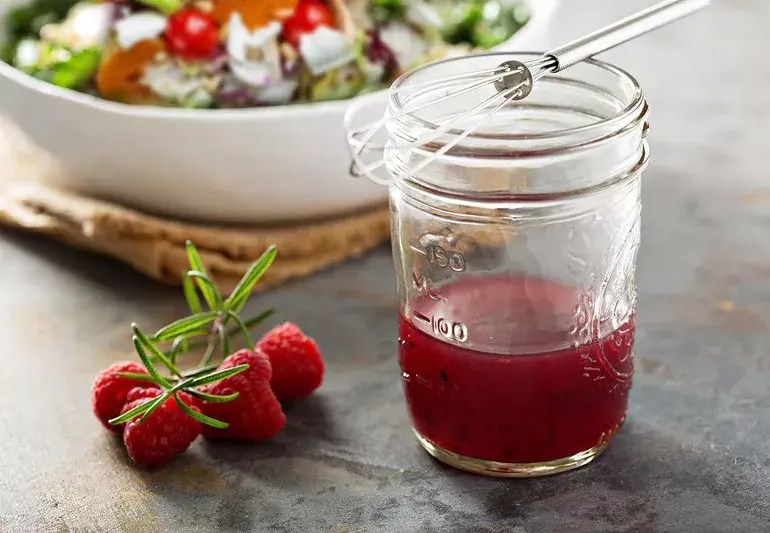
A salad combination you may not have thought of, but will now be hooked on
This salad is a perfect addition to a large dinner menu when you have guests over for dinner and have a lot of other dishes to prepare. It’s bright and flavorful, and you can make the dressing a day or two ahead to prep!
Dressing
1 1/2 cups frozen raspberries, thawed
2 to 4 tablespoons orange juice (depending on thickness desired)
1 tablespoon white wine vinegar
1 teaspoon sugar
1 tablespoon orange zest
4 tablespoons chopped fresh chives
Salad
1 pound romaine lettuce, washed, dried and torn into bite-sized pieces
1 pound radicchio, washed, dried, shredded
3 carrots, peeled and grated
1 cup mandarin oranges, drained, patted dry
20 cherry tomatoes, quartered
Calories: 107
Total fat: 0.5 g
Saturated fat: 0.1 g
Protein: 3 g
Carbohydrate: 25 g
Fiber: 5.4 g
Sodium: 37 mg
—Recipe developed and copyrighted by Kristine Napier, MPH, RD, LD.

