The jet stream is dividing northern & southern Europe at the minute.
— Barra Best (@barrabest) July 18, 2023
Arctic air's keeping it cooler & unsettled to the north.
African air is raising temperatures in the south. pic.twitter.com/KtfpVMoCJC


Health is Wealth


Falls can have very serious consequences as we age. Each year, more than 25 percent of adults 65 or older have a fall, and 3 million are treated in emergency departments for fall injuries, according to the Centers for Disease Control and Prevention.
The risk of falling in older adults is usually related to combination of factors, including:
Falls often occur in the bathroom when sitting or standing from the toilet or shower, or at night in a dark bedroom when getting up quickly and tripping on the way to the bathroom.
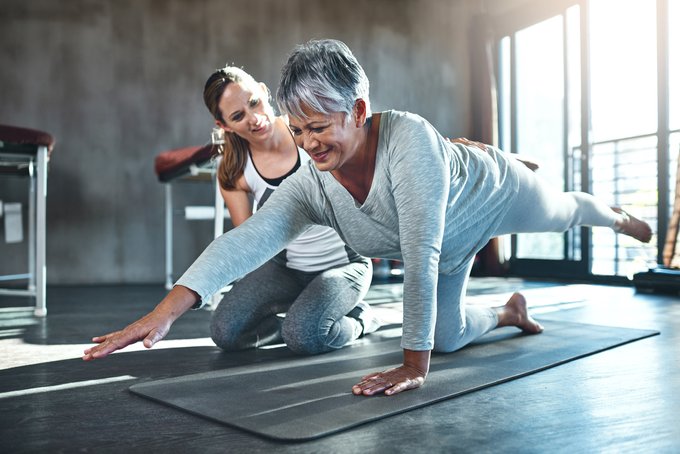
While it’s not possible to completely prevent a fall, exercises that focus on balance and strength training can reduce the risk of falling. “We treat elderly adults for injuries sustained from falls, and other patients who feel unsteady while walking or standing and are fearful of falling,” says Lora Stutzman, a physical therapist with the Johns Hopkins Rehabilitation Network. “These exercises can help improve balance and build strength to help prevent future falls.”
For older adults, activities such as squatting, standing up from a chair and walking may be difficult or cause them to feel unsteady, which increases their risk of falling. The following exercises are intended for those who have a low risk of fall and are able to stand on their own without support from others. Always talk to your doctor or physical therapist first before starting new exercises, especially if you have weak balance.
Stutzman demonstrates two exercises below.
The sit-to-stand exercise builds leg strength and improves body mechanics and balance, which are all important in reducing falls.
1. Start by sitting on a sturdy chair of standard height, and make sure that it won’t slide or roll. You should be able to sit comfortably with your feet flat on the ground. Have a sturdy support surface in front of you, such as a countertop, so that you can reach to it for support if you start to feel unsteady when standing. Scoot forward so your buttocks is positioned at the front of the seat.
2. Lean your chest forward over your toes, shifting your body weight forward. Squeeze your gluteal muscles and slowly rise to a stable standing position.
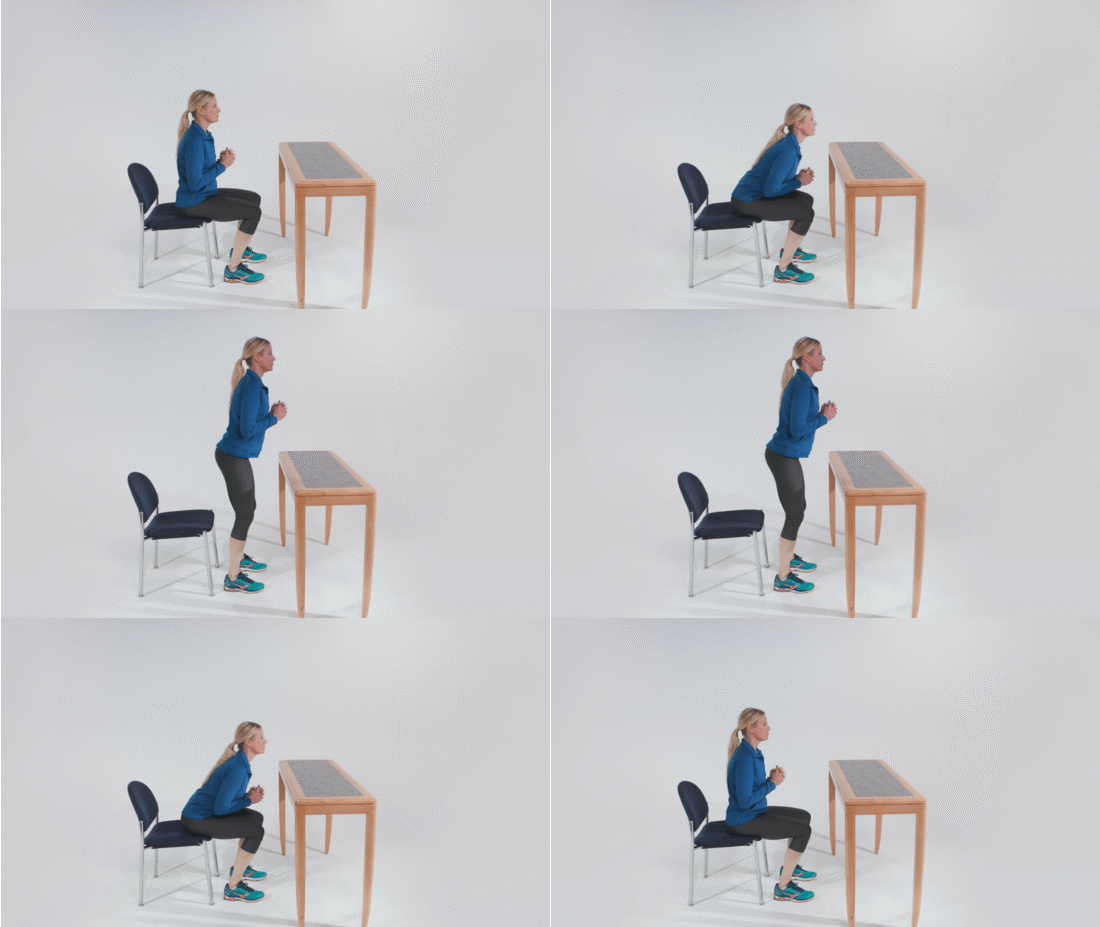
3. Slowly sit back down to the starting position and repeat 10 times.
4. If necessary, place your hands on the arms or seat of the chair and push through your hands to help stand and sit. The goal is to not use your hands at all.
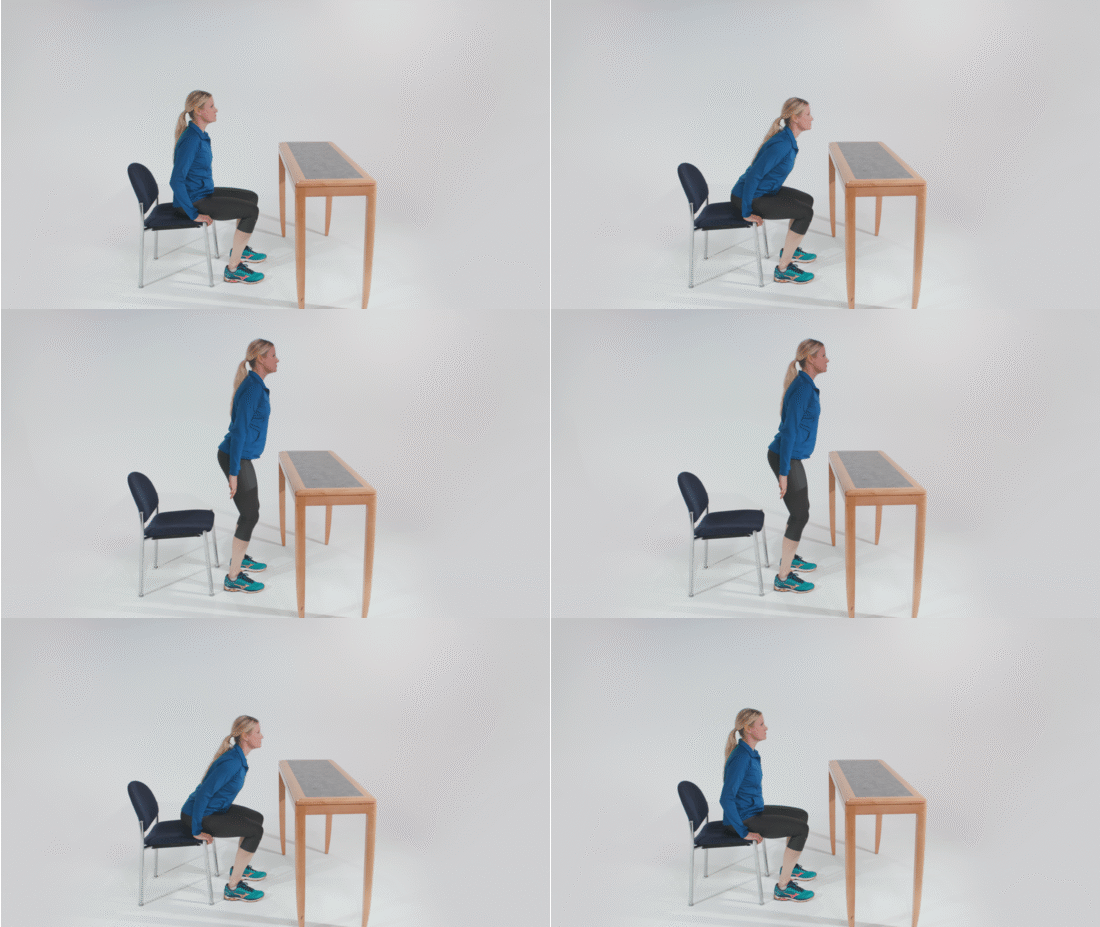
Perform 10 repetitions, twice a day. For an advanced version, hold hand weights to add resistance.
If you have pain in your knees, back or hips, discontinue and talk to your doctor or physical therapist.
This series of exercises helps if your balance is unsteady. Make sure you have someone with you in case you lose balance.
To begin, stand in a corner or have a kitchen counter in front of you to reach out to in case you start losing balance.
1. Feet apart: Stand with feet about shoulder-width apart, eyes open, and hold steady for 10 seconds, working your way up to 30 seconds.
If you find yourself swaying or reaching for the wall or counter frequently, just keep working on this exercise until you can do it with minimal swaying or support. Once you can hold this position firmly for 30 seconds, move on to the next exercise.
2. Feet together: Stand with feet together, eyes open, and hold steady 10 seconds, working your way up to 30 seconds.
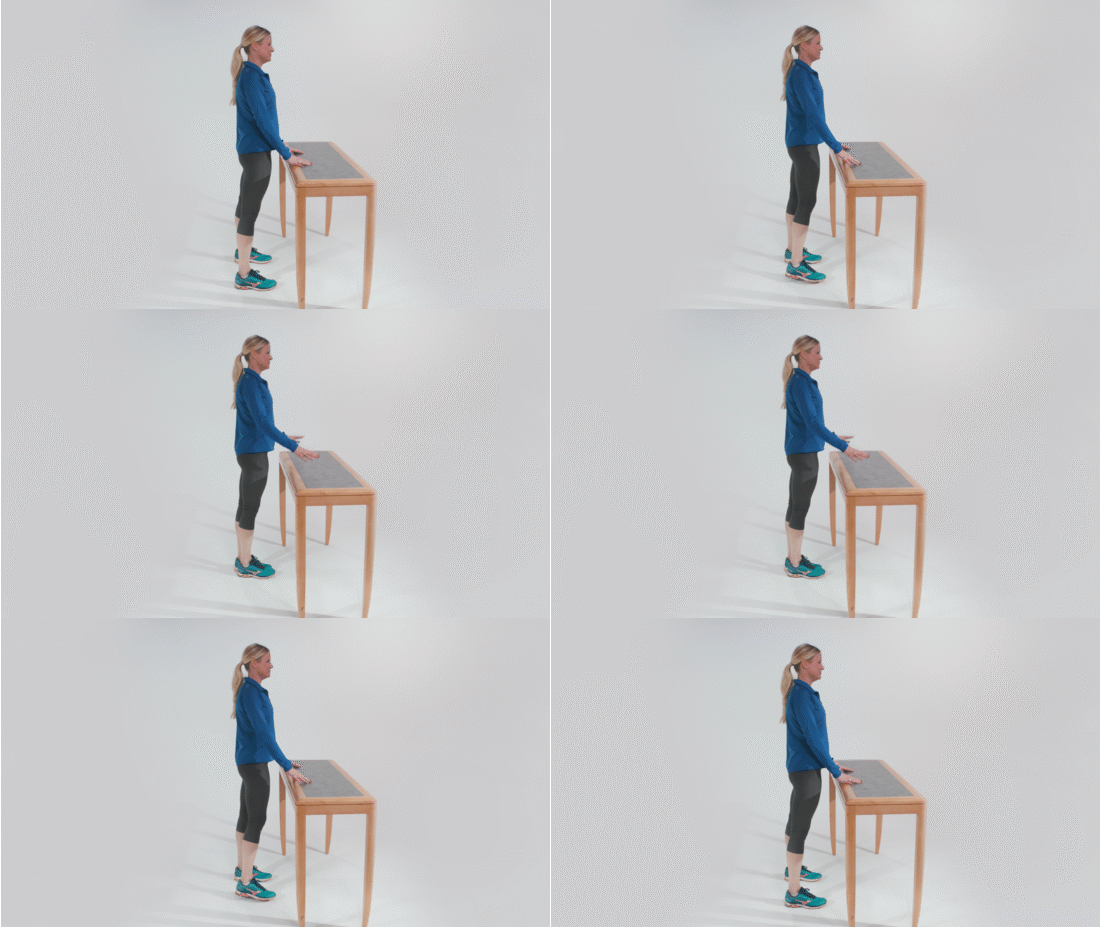
Once you can do this exercise for 30 seconds with minimal swaying or support, move on to the next one.
3. One foot: Stand on one foot, eyes open, and hold steady 10 seconds, working up to 30 seconds. Switch to the other foot.
4. Eyes closed: If you can perform the first three exercises safely and with little support, try to do each one with your eyes closed. Hold for 10 seconds, working up to 30 seconds.
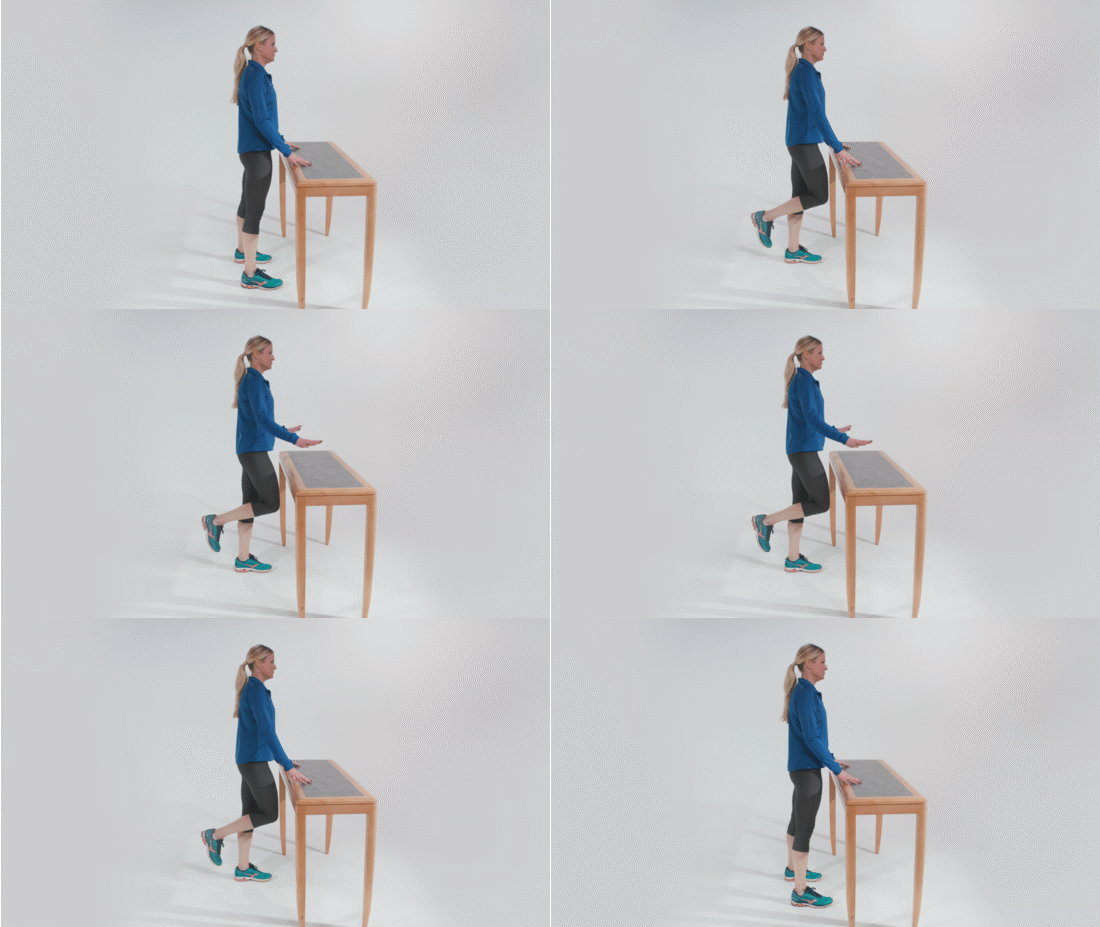
The goal for each exercise is to hold the position for 10 seconds and progress to 30 seconds, five repetitions (including five per leg on the one-foot exercise), two times a day.
Remember, it’s important to talk to your doctor or physical therapist about fall prevention.
“Keep in mind,” adds Stutzman, “it is always best to have company at home with you while exercising for safety and supervision and in case you need help.”

” Medicine gives life , physiotherapist gives quality of life” . #worldphysiotherapyday @KBhatikar @physiomohanty @sharmaKamal01 @CSWahlin @BriaVarner
https://www.instagram.com/reel/Cs38Vg2AMYT/?igshid=MTc4MmM1YmI2Ng==
 clevelandclinicVerified
Chartered Society of PhysiotherapyVerified account @thecsp 37 minutes ago
There are many myths surrounding back pain, read our guide ’10 things you need to know about your back’ with the latest physio advice: http://www.csp.org.uk/yourback #LiveWellforLonger
Here’s a fact that may surprise you: By the year 2020, depression is projected to be a leading social and economic burden worldwide — second only to coronary artery disease! Psychotherapy and antidepressants are effective but aren’t for everyone.
But there’s another treatment for depression that’s free and available to everyone: exercise. It will also lower your blood pressure, improve your cholesterol profile, help control blood sugar, and reduce your risk of heart disease, diabetes and common cancers. And, of course, help you achieve or maintain a healthy weight.
https://health.clevelandclinic.org/2016/03/get-happy-exercise-can-lift-mood-infographic/?


Registered dietitian Lara Whitson, RD, LD, shares how watermelon is actually healthy for you, along with five watermelon recipes.
Watermelon is 92% water. No surprise there, considering it’s in the name. But more than keeping you hydrated during hot summer days, watermelon has a number of other health benefits. It’s packed with antioxidants like lycopene that can help protect against chronic diseases like diabetes and cardiovascular disease.
And when eaten regularly as part of a healthy balanced diet, it can help make you feel fuller longer. With a low amount of calories, sodium and cholesterol, alongside higher amounts of calcium, vitamin C and magnesium, watermelon is one fruit you don’t want to miss out on year-round. Even the rind and its seeds offer some benefits.
“You can stir-fry the rinds with other vegetables and add spices to the seeds, like you might do with pumpkin seeds, for an easy and healthful snack,” says Whitson.
This shaved ice dessert gets a fruity twist with watermelon chunks. It also pulls in star ingredients like fresh lime juice and basil leaves, which offer their own health benefits for a refreshing mid-afternoon sweet escape.

Calorie-conscious dishes can still go big on flavor. This refreshing salad, perfect for picnics and cookouts, pairs watermelon with tomatoes bountiful in benefits, alongside red wine vinegar, fresh mint, almonds and feta cheese.

This is just one of several ways to crank up your chill summer drinks: Puree 1-1 1/2 cups chopped watermelon with 1 cup ice and a little water or fresh juice for a sip-worthy smoothie as you soak in the sun.

This recipe doubles down on the use of veggies by incorporating beefsteak tomatoes, cucumber, a fresh ear of corn and basil, along with a hearty serving of watermelon for a subtly sweet finish.

Not only is this sweet snack filling, but it also puts a dessert-like twist on classic Vietnamese and Thai spring rolls. By wrapping julienned watermelon, green apple and pineapple in spring roll wrappers made from rice paper, and creating a dipping sauce with Greek yogurt and tahini, this recipe makes for a great palate cleanser for any summer cookout.
You know exercise builds muscles, strengthens bones, keeps your heart healthy and your mind sharp. But it also does something that you might not think much about: It helps keep your immune system — your internal defenses against infection — in tip-top shape.
If you take time for some physical exertion each day, it helps get your body ready to attack bacteria, viruses and toxins that can sneak in and make you sick.
But how much exercise is effective? Do too little or too much, and it won’t have the best effect on your immune system.
Clinical immunologist Leonard Calabrese, DO, answers common questions about how exercise can impact your immunity and how to use your workouts to shut out a world of would-be invaders.
A: If you exercise moderately on a regular basis, it tunes up the immune system in many ways. It enhances your broad-based defenses against viral infections, such as those causing upper respiratory infections.
Working out regularly also reduces the risk of many chronic diseases such as cardiovascular, respiratory illnesses and metabolic diseases, such as type 2 diabetes.
A: Fortunately, you don’t have to push yourself to the limit to rev up your immune system. In fact, your immune system needs less of a workout than you get with your average cardio routine.
Focus on getting 20-30 minutes of moderate exercise, five days a week, and your immune system will thank you.
A: Moderate exercises, including biking or walking briskly in your neighborhood, are good ways to get your blood flowing. Swimming is also a good option for non-weight-bearing exercise for your joints.
Also try mind-body exercises such as Tai-Chi, Qi Gong and yoga, which are all options that help keep your joints flexible. These exercises also reduce chronic stress, which in itself is a powerful immune booster. These exercises can also help alleviate osteoarthritis and fibromyalgia symptoms.
A: Yes, though, the level to which it can slow your system down is still up for debate.
Research shows that exercising for more than 1.5 hours without refueling your body or giving it enough time to recover suppresses your immune responses for up to a few days. During that time, your cortisol levels rise, your white blood cell count drops and you’re more likely to develop a respiratory infection.
This problem usually affects elite athletes, such as marathon runners, most.
On the flip side, staying sedentary also increases your risk of infection, inflammation and chronic disease.
A: Yes, it can. This is a complex issue, but I like to tell my patients to do a “neck check.” If your symptoms are mostly of a mild cold without fever or lower respiratory symptoms, such as a productive cough, wheezing or shortness of breath, mild exercise can actually reduce congestion and may make you feel better.
If your symptoms are primarily in your lungs or you have a significant fever its better to rest until things settle down. Regardless, good hydration is important.