
Harvard HealthVerified account @HarvardHealth
Another reason to include that cup of #coffee in your morning routine – coffee may help your skin stay healthy! #HarvardHealth http://bit.ly/2zn0MyF

Health is Wealth
Harvard HealthVerified account @HarvardHealth
Another reason to include that cup of #coffee in your morning routine – coffee may help your skin stay healthy! #HarvardHealth http://bit.ly/2zn0MyF
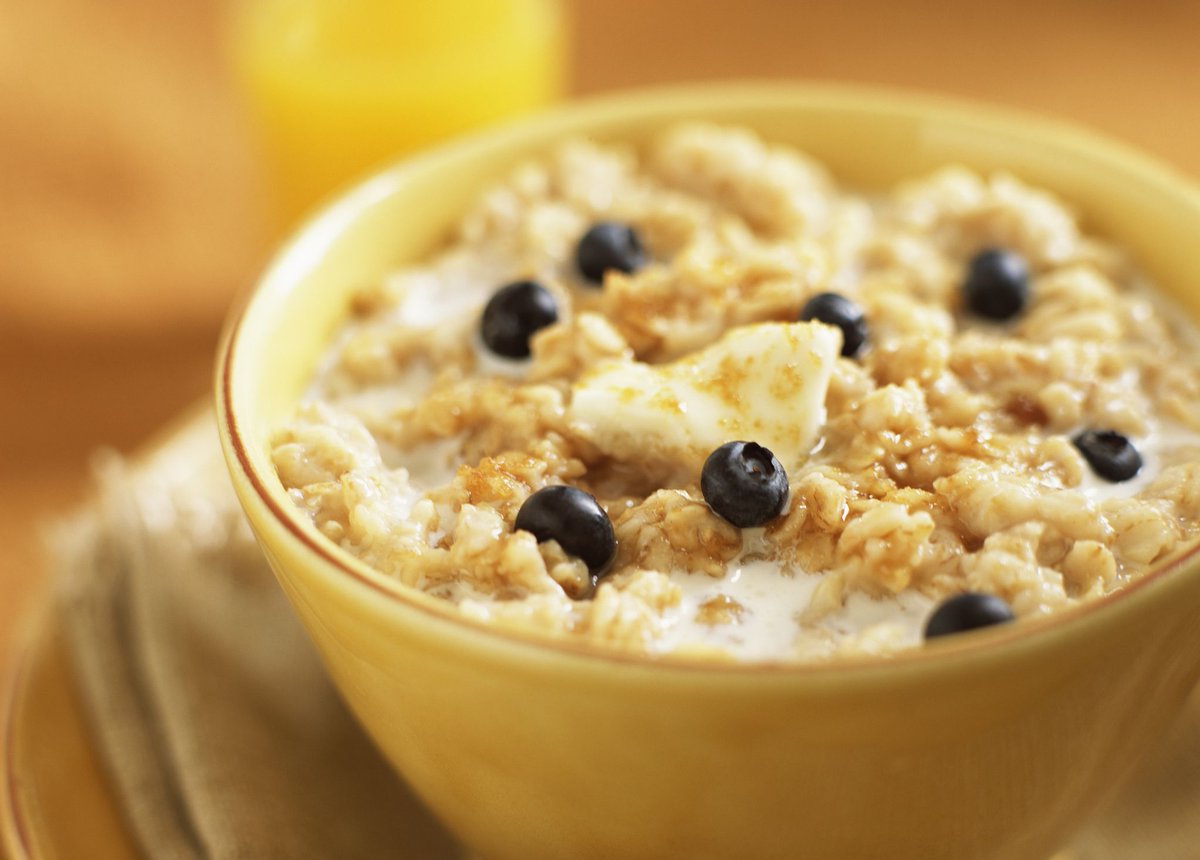
Verywell @Verywell 49 minutes ago
What makes oatmeal so healthy? http://vwell.cm/2vW4rUO

mindbodygreenVerified account @mindbodygreen 26 minutes ago
Truth: “Love comes in many forms, but all of them soothe loneliness.” 
#confidence #single #relationships #friendship #singlelife

The best 6 doctors … Preventive Medicine … #Exercise #Nutrition #SunlightHeals #Sleep

Mayo Clinic Sports @mayoclinicsport 14 hours ago
Sitting vs. Standing DYK that more standing and less sitting can help you lose weight, increase productivity, and lower risk of heart disease. Take a stand for health and success today! Learn more  https://mayocl.in/2Mbvqnm


You are exhausted. But, for some reason, instead of snoozing, you are lying awake worrying about the bills, family problems, and upcoming social events. Or maybe you are getting up several times to check on your kids? Sound familiar?
If so, you are not alone. According to a study by the National Sleep Foundation, over half of all Americans struggle at times to get a good night’s sleep. There’s an endless list of reasons we can’t get to sleep at night, and for women there is an extra layer of complexity—hormonal changes. In fact, many women report night sweats that are so bad they can’t sleep.
So what can we do about this? How do we solve the sleep riddle? As an OB/GYN and hormone expert, I am here to help.
First things first! How come we’re not sleeping well? Let’s get to the bottom of that problem. For women who are menopausal and perimenopausal, estrogen and progesterone can fluctuate wildly as the body prepares to transition out of the reproductive years. These hormonal changes affect everything from stress levels and mood to body temperature and even your breathing. And, of course, you guessed it; it can also disrupt your circadian rhythm (the sleep-wake cycle). And symptoms can start as early as your mid-30s.
All of these disruptions mean most of us are just not getting enough sleep. When we do sleep, it may be restless sleep, during which we wake up several times. You may be one of those who wake up too early, then can’t fall back to sleep. All day long, you feel sleepy, like you need to take a nap.
Sleep issues like this can eventually affect your overall health. You will have to deal with it at some point. And so I did. I sat down one day, took a deep breath, and said, “We’re going to sort this sleep thing out so we can start getting a good night’s rest again.”
Once I made this a priority, I began to learn some important things about why we don’t sleep well at night, and I discovered some great strategies for overcoming all those issues.



 GetPT1st™
 Healthaware