
Too much refined sugar, too much social media can cause a cascade of medical problems @HarvardHealth

Health is Wealth


There is something special about using fresh peas straight out of the pod. This recipe was inspired by our root-to-stem philosophy of cooking: It always seems like such a waste to throw away the pea pods, but they are relatively inedible. To make use of the pods, we’ve pureed them into a spring-fresh pasta sauce. Remember: Pasta for breakfast is a great choice, especially when it’s loaded with healthful pea protein.
Kosher salt
1 pound fresh English peas in pods (yields about 1 cup shelled peas and about 3 ½ cups pods)
½ cup water
¼ cup extra-virgin olive oil
2 small spring onions or 2 large shallots, chopped
2 small spring garlic (whites) or 3 garlic cloves, minced
2 tablespoons Greek yogurt (optional)
12 ounces whole grain pasta, such as linguine, rigatoni or small shells
Freshly ground black pepper
¼ cup fresh mint (peppermint preferred), thinly sliced
Espelette pepper to taste (optional)
Grated Parmigiano Reggiano cheese (optional)
Makes 4 servings.
Calories: 554 kcal
Total fiber: 12 g
Soluble fiber: 0.1 g
Protein: 15.5 g
Total fat: 16.7 g
Saturated fat: 2.0 g
Healthy fats: 12.1 g
Carbohydrates: 84 g
Sugars: 7.7 g
Added sugars: 0 g
Sodium: 178 mg
Potassium: 433 mg
Magnesium: 14 mg
Calcium: 134 mg
Source: The What to Eat When Cookbook by Michael F. Roizen, MD, Michael Crupain, MD, MPH and Jim Perko, Sr, CEC, AAC.
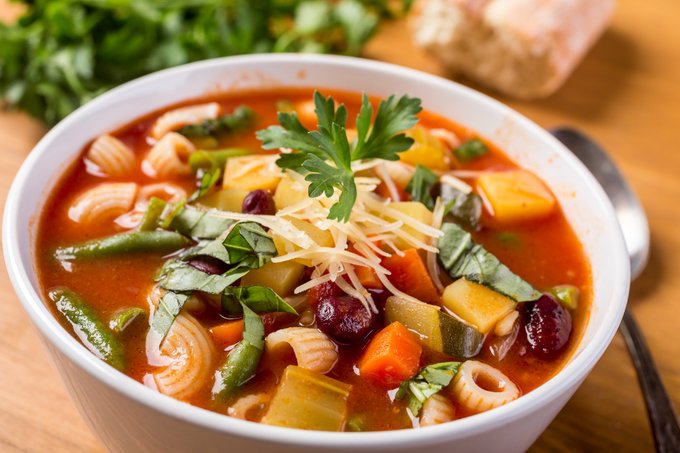

This tasty, filling Italian soup is packed with nutrient-rich veggies, heart-healthy olive oil and fiber-friendly legumes. Enjoy it all year long — let it warm you up in the fall and winter, and fill it with fresh vegetables from your garden in the summer.
¼ cup olive oil
1 clove garlic, minced (or 1/8 teaspoon garlic powder)
1-1/3 cups coarsely chopped onion
1-1/2 cups coarsely chopped celery and leaves
1 can (6 ounces) tomato paste
1 tablespoon chopped fresh parsley
1 cup sliced carrots, fresh or frozen
4-3/4 cups shredded cabbage
1 can (16 ounces) tomatoes, cut up
1 cup canned red kidney beans, drained and rinsed
1-1/2 cups frozen peas
1-1/2 cups fresh green beans
Dash hot sauce
11 cups water
2 cups uncooked spaghetti noodles
Makes 16 servings
Per serving:
Calories: 260
Fat: 4g
Saturated fat: 0g
Sodium: 191mg
Protein: 11g
Carbohydrate: 45g
Sugars: 7g
Dietary fiber: 8g
—Recipe courtesy of Stay Young at Heart (National Heart, Blood and Lung Institute)

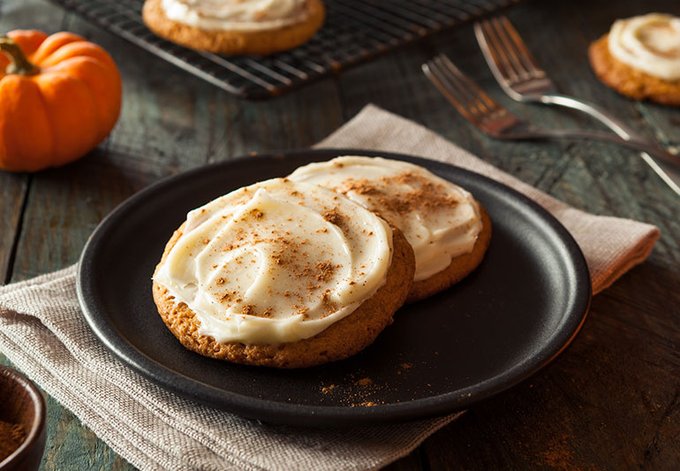
Who says pumpkin spice is only exciting in latte form?
Don’t just reserve pumpkin for pumpkin spice lattes and pie! These easy spice cookies are a great way to spread the pumpkin love throughout the entire season.
If you don’t have any aluminum-free baking powder in your cupboard, pick some up the next time you go shopping. Aluminum may pose potential risks to your health as a neurotoxin. While the dose of aluminum is what makes the poison, some studies show a relationship between aluminum that is stored in your body and neuro-disorders (such as Alzheimer’s disease.) Limiting exposure to all metals is a protective measure we can take to optimize our health.
1 cup pumpkin puree, fresh or canned
1 tablespoon pure maple syrup
1/3 cup unsweetened applesauce
1 teaspoon pure vanilla extract
1/4 cup vegan palm shortening or melted coconut oil
1 cup oat flour
1/2 cup almond flour
1/2 teaspoon baking soda
1/2 teaspoon aluminum-free baking powder
1 teaspoon ground cinnamon
1/2 teaspoon pumpkin pie spice
Pinch sea salt
1/2 cup chopped pecans
1/4 cup mini chocolate chips
Makes 3 dozen cookies
Calories: 43
Total fat: 2 g
Saturated fat: 2 g
Cholesterol: 0 mg
Fiber: 1 g
Protein: 1 g
Carbohydrate: 5 g
Sodium: 25 mg
— Recipe courtesy of Mark Hyman, MD.
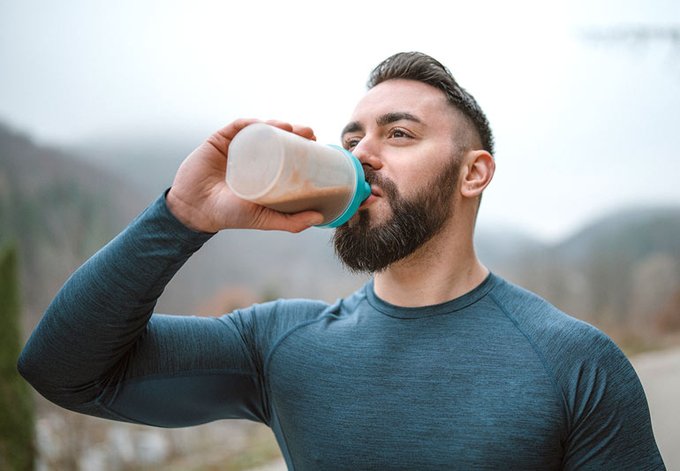
Protein is ideal for the repair and growth of your muscles. So whether you’re focused on building muscle or losing weight, protein shakes can help supplement your diet and achieve your wellness goals.
While how much protein you need to consume varies based on your goals, the recommended daily allowance is 0.8 grams per kilogram of body weight or about 20 grams per meal. If you’re looking to build muscle you may need to up that amount by almost double.
But there are different beliefs on when to drink a protein shake: pre-workout or post-workout?
Registered dietitian Kate Patton, MEd, RD, CCSD, LD, explains why timing matters and what to consider when using protein shakes.
Your body is primed after a workout to use any protein you consume. It comes down to understanding your body’s metabolism and knowing whether your body is in a catabolic or anabolic state.
If your body is in a catabolic state, this is when it’s breaking down your muscles. Your body will be in this state while you’re exercising or working out.
And then when your body is in an anabolic state — or post-workout — your body is rebuilding and refueling.
“That window of time after you exercise is when your body is just a little bit more efficient at utilizing that protein to help build that muscle, versus while you’re exercising and you’re breaking down the muscle and stressing the muscle.”
It’s key to get enough protein after exercising to help repair your muscles, which are worn down.
“And if you’re trying to build muscle, then you need that protein to help you,” explains Patton. “The building blocks of our cells are amino acids and we get amino acids from protein.”
While there’s a lot of debates on the best time to drink your protein shake, Patton recommends that you drink it after your workout.
“You’re going to get the most bang for your buck,” she says. “Your body is going to utilize more of that protein. It’s fast and easy to consume so it gets into your body to really help you recover and refuel.”
Ideally, you want to consume your protein shake within an hour after exercise.
If you’re looking to lose weight, you still want to drink your protein shake after your workout.
“The benefit of the protein shake is that it takes longer to digest so it tends to keep you feeling full,” says Patton. “If you’re trying to lose weight, your body is going to use that protein efficiently to preserve your muscle and break down body fat instead for energy.”
In most cases, drinking a protein shake on an empty stomach won’t cause you any harm.
“If it’s a tough workout, try hydrating with water during the workout first and then drink the protein shake after,” says Patton.
If you’re lactose-intolerant, you will want to pay attention to the amount of lactose that may be added to shakes and powders before you consume.
“Protein shakes that are specially formulated more for weight loss are low in carbs,” says Patton. “Those may have what are called sugar alcohols and those can potentially cause bloating and gas. Be sure to read the ingredient list.”
Yes, a protein shake can be a great option to replace a snack between your meals and to drink after a workout.
There are different forms of protein shakes. Here are a few examples:
Protein shakes, as with any other dietary supplement, aren’t regulated by the Food and Drug Administration. So Patton says it’s important to make sure whatever protein shake you use is clean and safe. There are a few third-party companies like NSF International and Informed Choice that test ingredients.
“Some protein shakes use a proprietary blend and the manufacturer doesn’t list what the ingredients are,” says Patton. “I would avoid any brand that uses the phrase ‘proprietary blend.’”
Whatever your goals, it’s best to focus on the amount of protein you need each day. You want to space out your protein intake throughout the day for maximum results — and adding a protein shake to your routine post-workout can be a good way to reach that target.
https://health.clevelandclinic.org/when-to-drink-protein-shakes/?utm_medium=social&utm_source=twitter&utm_campaign=cc+tweets
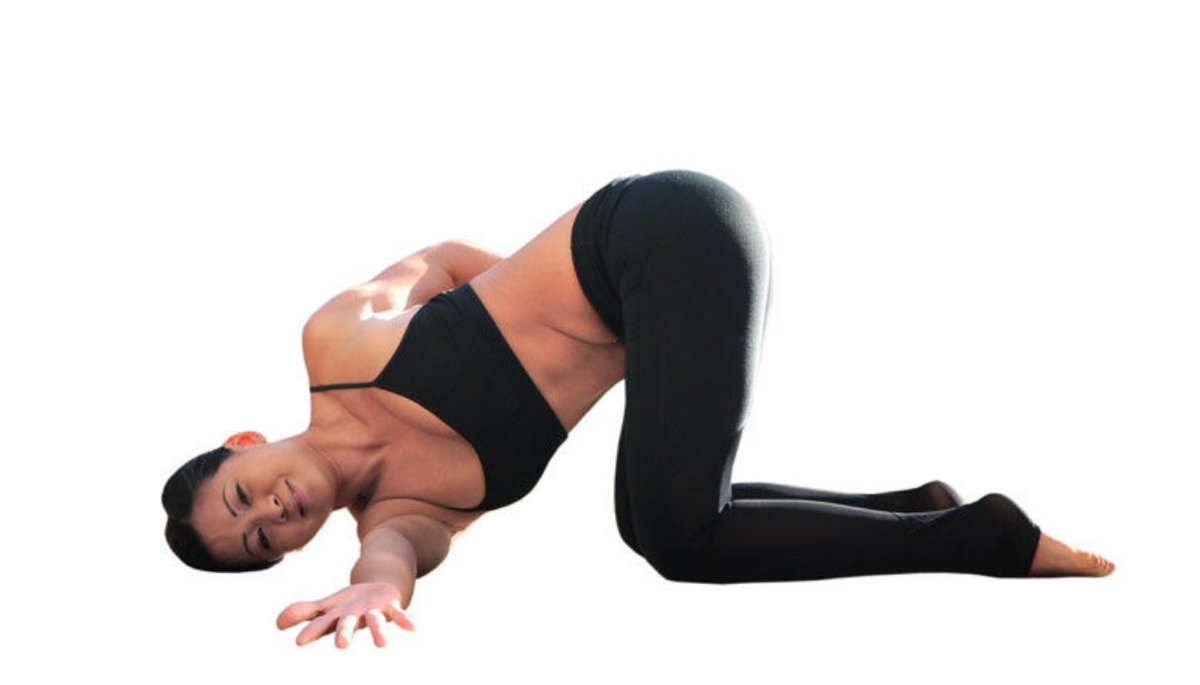
Yoga JournalVerified account @Yoga_Journal 2 hours ago
Sleep-Better Yoga: This twisting, hip-opening, feel-good flow will melt the stress of the day. #yogaforsleep #yogaforstress http://ow.ly/zOLo30jbWXP

Who says pumpkin spice is only exciting in latte form?
Don’t just reserve pumpkin for pumpkin spice lattes and pie! These easy spice cookies are a great way to spread the pumpkin love throughout the entire season.
If you don’t have any aluminum-free baking powder in your cupboard, pick some up the next time you go shopping. Aluminum may pose potential risks to your health as a neurotoxin. While the dose of aluminum is what makes the poison, some studies show a relationship between aluminum that is stored in your body and neuro-disorders (such as Alzheimer’s disease.) Limiting exposure to all metals is a protective measure we can take to optimize our health.
1 cup pumpkin puree, fresh or canned
1 tablespoon pure maple syrup
1/3 cup unsweetened applesauce
1 teaspoon pure vanilla extract
1/4 cup vegan palm shortening or melted coconut oil
1 cup oat flour
1/2 cup almond flour
1/2 teaspoon baking soda
1/2 teaspoon aluminum-free baking powder
1 teaspoon ground cinnamon
1/2 teaspoon pumpkin pie spice
Pinch sea salt
1/2 cup chopped pecans
1/4 cup mini chocolate chips
Makes 3 dozen cookies
Calories: 43
Total fat: 2 g
Saturated fat: 2 g
Cholesterol: 0 mg
Fiber: 1 g
Protein: 1 g
Carbohydrate: 5 g
Sodium: 25 mg
— Recipe courtesy of Mark Hyman, MD.

