Why Avocados Are a Healthy — and Delicious — Addition to Your Diet @ClevelandClinic


Cleveland Clinic

@ClevelandClinic

Avocados are jam-packed with nutrients and vitamins and can make a delicious, nutritious addition to your diet.

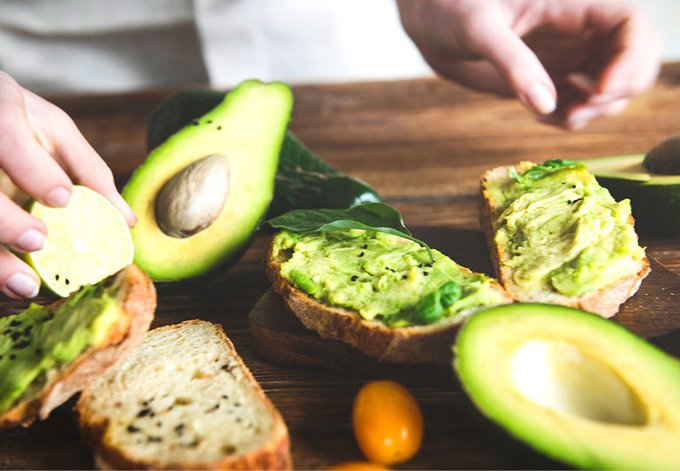
Millenials may get flak for being the “avocado toast generation,” but honestly, they may be onto something! Avocados are as nutritious as they are delicious, and they’re jam-packed with vitamins and nutrients.

Avocados include vitamins C, E, K1, B6 and folate, plus essential minerals like potassium and copper. They’re low in sugar, loaded with fiber and high in monosaturated fats, aka “good” fats. Oh, and did we mention that they taste great and they’re super versatile?!

Registered dietitian Julia Zumpano, RD, LD, shares a few more good reasons to give these wrinkly green fruits a second look — plus, how to add them to your regular rotation.

Are avocados good for you?

“Avocados are a great addition to a healthy diet,” Zumpano confirms, “and there are hundreds of varieties to choose from, ranging from big to small and wrinkly to smooth.”

What they have in common: A big round pit, creamy green flesh and a whole lot of nutrients crammed into a handy, pear-shaped package.

Just don’t go overboard. Avocados are packed with nutrients, but they’re also packed with calories. A 50-gram portion — about a third of a medium-sized avocado — has about 75 calories. And an entire large avocado can add upward of 400 calories to your daily diet.

Like most things, Zumpano says, moderation is key. “As long as you’re paying attention to portion sizes, avocados are very healthy foods to include in your food repertoire.”

Benefits of avocados

Whether you’re adding a slice to a salad or sandwich or using them as an ingredient in a more complicated recipe, Zumpano says avocados have a lot going for them health-wise.

Here are some of the many nutrients and vitamins packed into just a single avocado:

High in ‘good’ fats

You might’ve heard that avocados are high in fat — and that’s true, but it doesn’t mean you should avoid them! A medium avocado has 22 grams of fat, which includes 15 grams of monounsaturated fats, aka “good” fats.

“Avocados are rich in heart-healthy monounsaturated fats, which help lower your LDL, or ‘bad’ cholesterol,” Zumpano says. “Low LDL levels reduce your risk of heart disease and stroke.”

The American Heart Association says most of the fats you eat should be monounsaturated or polyunsaturated, confirming that avocados fit the bill as part of a healthy diet.

You can even swap avocado in for less-healthy fats in your home cooking. Here are some additional ways you can add this smooth, creamy fruit to your diet.

  • Spread avocado on a sandwich in place of mayonnaise.
  • Instead of dunking veggies into dips made with cheese or sour cream, try guacamole.
  • Forego shredded cheese on your salad and add avocado slices instead.
  • In baking recipes, replace butter or oil with mashed avocado, like in these chocolatey avocado brownie bites.

“If you use avocado to replace other fats, you can enjoy the flavor and nutrients and also cut down on saturated fats,” Zumpano says.

Lots of vitamins

Let’s talk vitamins: In simple terms, avocados have a lot of them! Here are the vitamins that are most abundant in avocados and what they do for your health:

  • Vitamin K1, or phylloquinone, is important for blood clotting, which helps stop wounds from bleeding. It also plays a role in strengthening your bones. For most adults, the daily recommended amount of vitamin K ranges from 90 to120 micrograms. Half an avocado has about 21 mcg.
  • Vitamin C, aka ascorbic acid, helps keep your immune system healthy. It also plays a role in the health of your tissues, blood vessels, bones and more. Depending on your age and sex, you need anywhere from 75 to 120 milligrams of vitamin C per day; half an avocado has about 10 mg.
  • Vitamin E, or alpha-tocopherol, is a powerful antioxidant that prevents cell damage and helps maintain muscle function. Most adults only need 15 mg of vitamin C per day, and half an avocado will give you about 4 mg of it.
  • Vitamin B6, also known as pyridoxine, helps your body convert food into energy. You only need a small amount of vitamin B6 each day (just 1.2 to 2 mg, depending on your age and sex), but half an avocado has about .25 mg, putting you well on your way to that daily goal.
  • Folateis a B vitamin that’s important for normal cell function and tissue growth. It helps your body form red blood cells and DNA, which is especially critical when you’re pregnant (but still important if you’re not). Half an avocado has about 20% of your daily recommended amount.

Low in sugar

Though most fruits are high in natural sugars, avocados rank very low on the sweetness scale. “A whole avocado has under 1.5 grams of sugar, while one medium apple, by comparison, has about 19 grams,” Zumpano points out. (Psst: It’s important to note that not all sugars are created equal! Fruit is still super-healthy.)

High in fiber

Avocados are a good source of fiber, which is a type of carbohydrate that your body can’t break down. You need both soluble and insoluble fiber — and lucky for you, avocados have both.

“Fiber can lower cholesterol and blood sugar, keep you regular and help you feel full and satisfied after a meal,” Zumpano states. Most adults need 25 to 35 grams of fiber per day, depending on your age and sex. Half an avocado provides about 7 grams.

Packed with potassium

Surprise! “Avocados actually contain more potassium than bananas,” Zumpano reveals. Half a large avocado provides about 485 mg of potassium, while a whole banana provides about 420 mg. (Most adults need 2,600 to 3,400 mg per day.)

This essential mineral is beneficial for blood pressure control and heart health. Low blood potassium can increase your blood pressure, raise your risk of kidney stones and even pull calcium out of your bones.

Increases your copper intake

Think past pennies: Copper is actually an essential trace mineral that your body needs in order to function correctly. Most Americans don’t get enough of it in their diets, but half an avocado will get you 20% of your daily recommended amount.

“Copper helps your body metabolize iron, and it plays a role in a healthy immune system and nervous system,” Zumpano explains.

Tips for enjoying avocados

“A perfectly ripe avocado is slightly firm but not rock-hard,” Zumpano says. “If it’s not ripe but you can’t wait to eat it, store it in a paper bag on the counter until it gives a little when you squeeze it.”

A ripe-but-not-too-ripe avocado is a time-limited treasure, so dive right in and get creative with your avocado creations, or embrace the millennial method and enjoy some avocado toast.

But if you need to store it for a couple of days, just be sure to keep it in the fridge — not submerged in water, as some TikTokkers recommend. Some people call it a “food hack,” but it can easily lead to foodborne illness.

“You can even freeze avocado slices if you’re worried you won’t use them in time,” Zumpano suggests. “Then, you can easily throw them into a smoothie.”

7 Reasons Why Cottage Cheese Is Good for You @ClevelandClinic

This dairy product can help you lose weight, manage blood sugar and strengthen bones

Cottage cheese doesn’t typically receive a lot of attention. It gets left out from the fancy cheese counter at the grocery store. It doesn’t make the cut for a charcuterie (meat and cheese) board. And it isn’t typically included in recipes for favorite foods such as pizza, grilled cheese or baked ziti.

It’s a soft, white, fresh cheese that’s different in texture and taste than more popular cheddar, Parmesan and blue cheeses. But cottage cheese holds a prominent place in the dairy aisle for good reasons, says registered dietitian Julia Zumpano, RD, LD.

“It’s a portable food that’s easy to add to your diet,” she says. “And cottage cheese offers lots of health benefits.”

As a dairy product, cottage cheese is a great calcium source, which is important for bone health. Having healthier bones makes you less likely to get osteoporosis (weak bones). Cottage cheese in your diet can even help with your blood sugar levels.

Thinking about giving cottage cheese a go? Zumpano explains what you need to know.

Is cottage cheese healthy?

Cottage cheese is low in calories while providing protein and vital nutrients, Zumpano says, making it one of the healthiest cheeses you can eat. It’s made by curdling pasteurized (sterilized) cow’s milk — when milk turns acidic, the milk protein separates and forms curds (clumps). These loose curds serve as the base for cottage cheese.

Depending on the fat content of curdled dairy milk, cottage cheese is available as nonfat, low fat (1% or 2%) or whole fat. The milk type affects the nutritional content.

“To get the most bang for your buck, choose a low-fat or even full-fat cottage cheese,” Zumpano advises. “Nonfat cottage cheese may sound like a good idea, but it contains less protein and won’t be as satisfying.” Full-fat cottage has 1.5 grams more of saturated fat when compared to 2% but can be the most satisfying.

Health benefits of cottage cheese

Cottage cheese may be mild in flavor, but it packs a punch when it comes to potential health benefits. Some of the many benefits of cottage cheese include:

Provides good nutrition

A 100-gram serving (just under a half cup) of low-fat (2%) cottage cheese provides:

Source: U.S. Department of Agriculture

Aids in weight loss

Three factors make cottage cheese a great choice if you’re looking to lose pounds or maintain your weight:

  • High in protein: Research finds that eating a high-protein diet helps curb your appetite and manage hormones associated with appetite, digestion and insulin release.
  • Low in fat: Full-fat cottage cheese contains less fat than some other cheeses (4% fat versus 30% fat in cheddar), and its high protein makes it an excellent low-fat option.
  • Provides calcium: Studies show that increasing calcium can help you lose weight when combined with a calorie-restricted diet.

Cottage cheese isn’t the only dairy food to provide these advantages. Greek yogurt can also check these boxes. But if you’re deciding between the two, Zumpano recommends cottage cheese. “Full-fat cottage cheese and full-fat Greek yogurt have the same amount of fat, but cottage cheese has 25% more protein.”

Provides essential amino acids

Cottage cheese is rich in casein (pronounced “KAY-seen”) protein. It’s a complete protein that provides essential amino acids, which are all the building blocks of protein that your body needs.

Amino acids help your body work smoothly. They affect your:

“Eating cottage cheese as part of a balanced diet is an easy way to ensure your body gets everything it needs,” says Zumpano.

Supports bone health

Cottage cheese has three nutrients that help promote healthy bones:

  • Calcium helps prevent osteoporosis that can lead to bone fractures.
  • Phosphorus is critical for proper bone development and strength, especially during growth spurts or when healing from a fracture.
  • Protein helps maintain bone mineral density and can reduce the risk of fractures.

Bone health is critical as you age,” Zumpano shares. “Adding cottage cheese to your diet is an easy way to strengthen them.”

Helps you control blood sugar levels

Plain cottage cheese is low in carbohydrates, making it a great option for anyone watching their blood sugar. The slow-digesting casein protein in cottage cheese also helps prevent blood sugar spikes.

“To get this benefit of cottage cheese, choose plain cottage cheese,” Zumpano recommends. “Avoid cottage cheese pre-packaged with fruit and check the label for added sugar.”

Contributes to a balanced gut

Probiotics are live microorganisms that can improve the balance of good and bad bacteria in your gut (gut microbiota). The curdling process used to produce cottage cheese adds beneficial bacteria that can promote better gut health. But unlike Greek and regular yogurt, which almost always contain probiotics, not all cottage cheese is created equal.

“If you want cottage cheese that provides probiotics,” Zumpano says, “check the label to see if it says it contains ‘live and active cultures.’”

Promotes muscle development

The slow-release protein in cottage cheese doesn’t just help with digestion. It’s also important for building muscle tissue and helping your muscles recover after a workout.

“Casein protein provides your cells with amino acids consistently over a longer period, which helps muscles recover instead of breaking down,” Zumpano explains. Consider having cottage cheese after a workout to get the maximum benefit for your muscles.

Reduces your risk of some cancers

Research shows that increasing dairy intake may lower your risk for some (though not all) cancers. “There’s still a lot to learn about the connection between dairy and cancer prevention,” Zumpano states. “But it’s clear there are protective benefits to including dairy in a balanced diet.”

Experts believe getting more calcium may offer protection from:

  • Bladder cancer.
  • Breast cancer.
  • Colorectal cancer.
  • Stomach (gastric) cancer.

Tips for adding cottage cheese to your diet

The United States Department of Agriculture (USDA) recommends that adults get three cups of dairy daily. Cottage cheese can help you reach that goal.

When you incorporate cottage cheese into your diet, remember to:

  • Check the nutrition label: Single-serve containers of cottage cheese may vary in size and nutritional content.
  • Consider your lactose tolerance: The lactose in cheese decreases with age. As a fresh, unripened cheese, cottage cheese often contains more lactose than aged cheeses. If you have lactose intolerance, consider a cottage cheese that’s lactose-free.
  • Keep an eye on sodium: Cottage cheese can be high in sodium, so opt for low-sodium or sodium-free cottage cheese to protect yourself from high blood pressure and heart disease.
  • Get creative: There are many ways to eat more cottage cheese. Consider adding cottage cheese to your eggs or pancake mix. Bake it into muffins or cakes. Or use it as a substitute for sour cream or ricotta cheese.

FACEBOOKTWITTERLINKEDINPINTERESTEmaildairy

Fuel up with protein and healthy fats for breakfast! @ClevelandClinic

cleveland keto breakfast

Cleveland Clinic
@ClevelandClinic

Fuel up with protein and healthy fats for breakfast!

A meal that’s heavy in sugar and starch is no way to start your day – especially if you’re following the ketogenic diet.

These recipes from functional medicine specialist Mark Hyman, MD, are a great way for anyone — keto or not — to bring real, whole, fresh foods (including non-starchy vegetables) to your plate first thing in the morning.

Jicama Hash with Turkey Bacon and Avocado

The jicama serves as a lighter alternative to traditional potato, while turkey bacon is a stand-in for pork.

Scrambled Eggs With Tomatoes, Herbs and Goat Cheese

This versatile, protein-packed meal is easy on your digestive system and always a hit with the kids, too.

Ginger Spice Smoothie

A creamy, low-carb smoothie is a great way to start your day and get into fat-burning mode. And ginger is great for digestions.

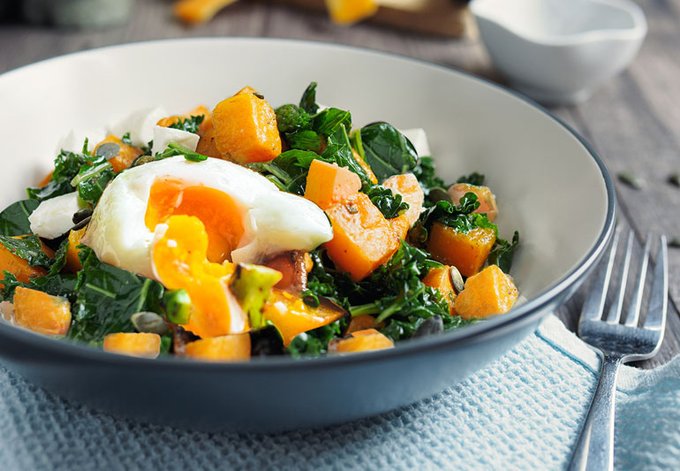
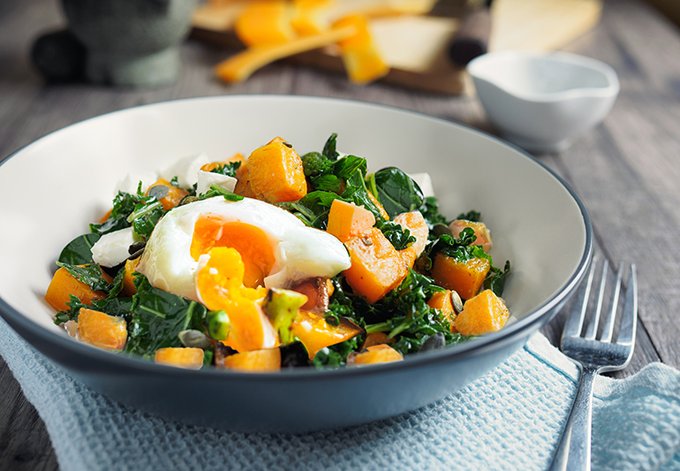
Sauteed Veggies With Avocado & Poached Egg

What’s the easiest way to upgrade a plate of greens? Put an egg on top! This tasty and comforting dish is good for breakfast – or lunch or dinner.

Non-Coffee Vanilla Latte

For those who don’t want coffee, this latte is a great morning drink that provides healthy fat without caffeine.

Broccoli Sausage Frittata

With a few veggies and precooked sausage, you can have this satisfying, savory frittata on the table in under 45 minutes.

https://health.clevelandclinic.org/keto-breakfast-ideas-6-ways-to-start-the-day-without-a-lot-of-carbs/?utm_campaign=cc+tweets&utm_medium=social&utm_source=twitter&utm_content=191209&cvosrc=social%20network.twitter.cc+tweets&cvo_creative=191209

“When you create a meal centered around vegetables, you’re taking steps to improve and maximize your health,” says Liz Moore @HarvardHealth #nutrition

Harvard Health

@HarvardHealth

·

“When you create a meal centered around vegetables, you’re taking steps to improve and maximize your health,” says Liz Moore, registered dietitian at Beth Israel Deaconess Medical Center. Try these three meals today. — #HarvardHealth #Diet #Nutrition

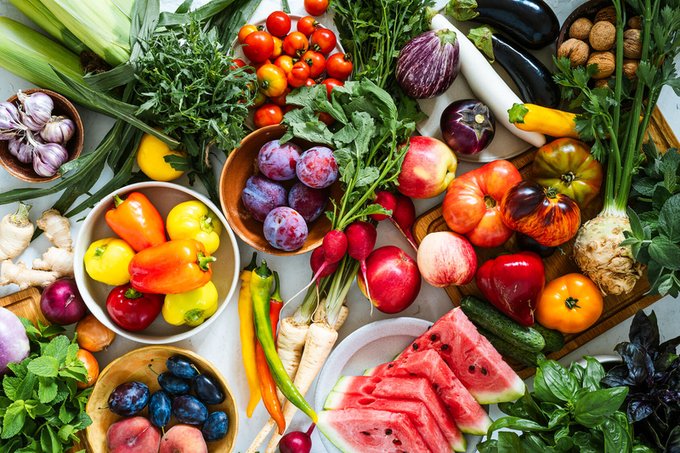
Meatless Mondays, meet summer’s bounty: a wide variety of colorful, fresh summer vegetables now available in grocery stores, backyard gardens, and farmer’s markets. We’re talking sunshiny golden corn on the cob, deep purple eggplant, red beets, peppers of all hues, not to mention tomatoes, zucchini, green beans, cucumbers, and more. With a bit of simple prep, they’re ready to take center stage on your plate, reinforcing the joy of summer.

“Vegetables in our diet provide many benefits. And when you create a meal centered around them, you’re taking steps to improve and maximize your health,” says Liz Moore, the author of a heart-healthy cookbook and a registered dietitian at Harvard-affiliated Beth Israel Deaconess Medical Center.

Centering healthy vegetables on your plate

Making vegetables the stars of a meal is part of the “veg-centric” movement, which teaches people how to elevate even average vegetables to creative entrées and side dishes. The trend gives vegetables bold flavors by grilling, layering, caramelizing, or roasting them — steps you can take with a backyard grill or stovetop skillet.

Summer veggie meals have lots of important health perks. “Vegetables such as eggplant and beets of all colors are rich in fiber, Moore says. “Eating a high-fiber diet helps lower cholesterol and is linked to heart health, digestive health, and helping to maintain stable blood sugar levels. For those trying to lose weight, vegetables are low in calories and provide volume, which helps keep you full.”

Summer vegetables also have a wide variety of essential vitamins, minerals, and phytochemicals (beneficial plant chemicals) like flavonoids. “For example, carotenoids in cooked tomatoes are rich in lycopene, which is associated with inhibiting cancer growth and boosting the immune system. And beets are a good source of folate and potassium,” Moore says.

Three easy summer vegetable meals

Wondering what to do with the colorful harvest available to you? Moore suggests keeping it simple by making a meal of vegetables paired with whole grains or legumes (beans or lentils). Here are three meals that fill the bill.

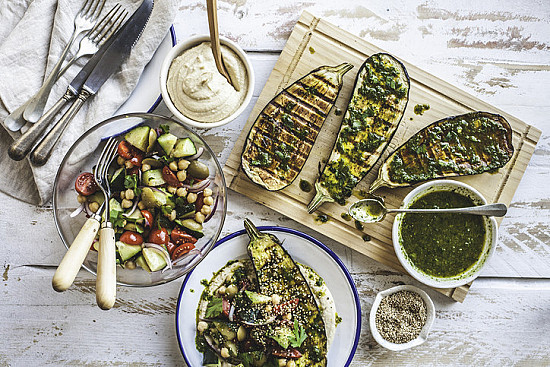
Grilled eggplant steak with cucumber, tomato, onion, chickpea, and feta salad

  1. Slice an eggplant (from root to stem) into three-inch thick “steaks.” On each side, drizzle olive oil and a little black pepper. Grill on both sides until tender.
  2. Dice two tomatoes, one cucumber, and half a red onion. Add a can of rinsed, drained chickpeas. Toss with a dressing of olive oil, a little red wine vinegar, and oregano to taste.
  3. Serve the salad over the eggplant steak. Top with some diced feta cheese, if you like.

Veggie pita pocket with gazpacho

  1. Put a couple of tomatoes, a cucumber, a green pepper, half a red onion, some bread crusts, and a little olive oil into a blender. Blend until chunky or finer, as you prefer. Add salt, pepper, and cumin to taste, blending for a few more seconds. Chill for 30 minutes.
  2. Open a whole-wheat pita and spread a tablespoon of hummus inside. Add slices of zucchini and carrots, and some arugula, salad greens, or other vegetables that appeal to you.
  3. Serve the pita with half a cup of the gazpacho.

Quinoa-stuffed red peppers

Based on a recipe from BIDMC’s CardioVascular Institute’s Hungry Heart Cookbook by Liz Moore, RD, LDN

  1. Cut peppers in half, remove seeds, and lay them open side up on a dish.
  2. Mix cooked quinoa, diced tomatoes, and corn off the cob (you can grill the corn first and cut off the kernels for a special summer flair). Add low-fat grated cheddar cheese, canned (rinsed) black beans, one egg, and some spices to taste, such as a bit of cumin, chili powder, salt, and pepper.
  3. Use the mixture to stuff the peppers evenly, and then cook them on the grill in a grilling basket for about 30 minutes. You can also cook them in the oven at 350° F on a cookie sheet or in a roasting pan, checking at 30 minutes to see if they are done.

Other ideas include

  • grilled veggie kebabs with chunks of eggplant, zucchini, cherry tomatoes, and mushrooms. Serve on a bed of lettuce and add a little goat cheese.
  • whole-wheat pasta with a mix of sautéed vegetables that appeal to you.
  • salad with green leaf lettuce, raw green beans, cherry tomatoes, Kalamata or black olives, and half a hard-boiled egg. Top with a dressing you enjoy.

Which combinations of summer vegetables you choose can depend on cost, taste preferences, and how much time you want to spend cooking. If you’re in a hurry, go with a salad. If you have more time, try grilling or sautéing vegetables.

Finally, be open to inspiration from the bounty you see at the market. “Focus on getting a variety of colors in the vegetables you choose. The more colors there are on the plate, the more nutrients you’ll be consuming,” Moore says. “And try something new. Explore vegetables you’ve never tried before or new methods of cooking. Think of it as one of summer’s glorious adventures.”

About the Author

photo of Heidi Godman

Heidi Godman, Executive Editor, Harvard Health Letter

Heidi Godman is the executive editor of the Harvard Health Letter. Before coming to the Health Letter, she was an award-winning television news anchor and medical reporter for 25 years. Heidi was named a journalism fellow … See Full Bio

View all posts by Heidi Godman

Nutrition Assures Sound Health @ClevelandClinic #Watermelon

Registered dietitian Lara Whitson, RD, LD, shares how watermelon is actually healthy for you, along with five watermelon recipes.

Is watermelon healthy?

Watermelon is 92% water. No surprise there, considering it’s in the name. But more than keeping you hydrated during hot summer days, watermelon has a number of other health benefits. It’s packed with antioxidants like lycopene that can help protect against chronic diseases like diabetes and cardiovascular disease.

And when eaten regularly as part of a healthy balanced diet, it can help make you feel fuller longer. With a low amount of calories, sodium and cholesterol, alongside higher amounts of calcium, vitamin C and magnesium, watermelon is one fruit you don’t want to miss out on year-round. Even the rind and its seeds offer some benefits.

“You can stir-fry the rinds with other vegetables and add spices to the seeds, like you might do with pumpkin seeds, for an easy and healthful snack,” says Whitson.

Watermelon basil granita

This shaved ice dessert gets a fruity twist with watermelon chunks. It also pulls in star ingredients like fresh lime juice and basil leaves, which offer their own health benefits for a refreshing mid-afternoon sweet escape.

A bowl of watermelon salad with feta cheese, herbs and sliced almonds

Watermelon, tomato and herb salad with feta

Calorie-conscious dishes can still go big on flavor. This refreshing salad, perfect for picnics and cookouts, pairs watermelon with tomatoes bountiful in benefits, alongside red wine vinegar, fresh mint, almonds and feta cheese.

Slices of lemon, lime, watermelon and strawberries in a glass of water

Fresh watermelon fruit smoothie

This is just one of several ways to crank up your chill summer drinks: Puree 1-1 1/2 cups chopped watermelon with 1 cup ice and a little water or fresh juice for a sip-worthy smoothie as you soak in the sun.

A salad in a white bowl containing watermelon, tomatoes, corn, cucumbers and almonds

Watermelon salad with cucumber, tomato and almonds

This recipe doubles down on the use of veggies by incorporating beefsteak tomatoes, cucumber, a fresh ear of corn and basil, along with a hearty serving of watermelon for a subtly sweet finish.

fruit spring rolls

Fruit salad spring rolls

Not only is this sweet snack filling, but it also puts a dessert-like twist on classic Vietnamese and Thai spring rolls. By wrapping julienned watermelon, green apple and pineapple in spring roll wrappers made from rice paper, and creating a dipping sauce with Greek yogurt and tahini, this recipe makes for a great palate cleanser for any summer cookout.

“What do you like doing best in the world, Pooh?”

Tanita Tikaram💙 Retweeted
A.A.Milne@A_AMilne·2h
“What do you like doing best in the world, Pooh?”
Pooh had to stop and think. Because although Eating Honey WAS a very good thing to do, there was a moment just before you began to eat it which was better than when you were, but he didn’t know what it was called. ~A.A.Milne

A delicious Greek appetizer with our healthier twist! @ClevelandClinic #spanakopitas

This savory Greek appetizer is usually made with a lot of butter and a lot of feta cheese, which is delicious, but not really heart-healthy. Our just-as-delicious recipe offers a lighter, heart-healthier alternative!

Ingredients

  • Olive oil cooking spray
  • 1 small onion, minced
  • One 10-ounce package frozen, chopped spinach
  • 1/3 cup crumbled reduced-fat feta cheese
  • 1/4 cup 1% cottage cheese
  • 1/8 teaspoon ground nutmeg
  • 1 1/2 tablespoons chopped fresh dill
  • Freshly ground pepper
  • 1 tablespoon egg substitute
  • 5 sheets frozen phyllo dough, thawed
  • Refrigerated butter-flavored cooking spray

Directions

  1. Preheat the oven to 350 F. Coat a baking sheet with olive oil cooking spray.
  2. Coat a large nonstick skillet with olive oil cooking spray. Add the onion and spinach; saute over medium-high heat until the spinach is thawed and the onion begins to wilt, 8 to 10 minutes. Stir frequently to break up clumps of spinach. Add the feta and cottage cheese along with the nutmeg, dill, pepper and egg substitute; mix well. Remove from heat and cool for 5 minutes.
  3. Cut the phyllo dough into four lengthwise strips, covering the dough you’re not using with a damp tea towel so it doesn’t dry out. Coat each strip with the butter-flavored spray. Place a tablespoon of spinach mix on top of a strip of dough and fold over to make a triangle; continue folding over as if folding a flag. Place on the prepared baking sheet. Repeat, using all the remaining phyllo and filling. Coat each triangle with the butter-flavored spray. Bake for about 20 minutes, until browned. Serve warm.

Nutrition information (per serving)

Makes 20 pieces (10 servings/2 pieces serving)

Calories: 50
Total fat: 1.5 g
Protein: 3 g
Carbohydrate: 7 g
Dietary fiber: 0 g
Cholesterol: 0 mg
Sodium: 180 mg
Potassium: 60 mg

 Cleveland Clinic Healthy Heart Lifestyle Guide and Cookbook (© 2007 Broadway Books).

8 Vitamins & Minerals You Need for a Healthy Immune System @ClevelandClinic

Who doesn’t want a healthy immune system? (Raise your hand. No one?) But did you know the role your diet plays in keeping it in top shape to protect you from toxins and infections?
Sadly, too many of us don’t eat enough of the fresh fruits, vegetables and other foods we need to keep ourselves healthy year-round. Healthy foods provide many substances including vitamins and minerals to keep us strong and healthy. You can’t just eat an orange or grapefruit or pop a vitamin pill and expect one quick burst of vitamin C to prevent a cold and to boost your immune system.
“A truly healthy immune system depends on a balanced healthy diet over time,” says registered dietitian Maxine Smith. “It’s like training for a battle and preparing your body ahead of time so it can through a good punch when attacked by viruses, bacteria and toxins. Other lifestyle practices such as regular exercise and good sleep will better prepare you for the battle.” 
With some exceptions, it’s best to get your vitamins and minerals from your food rather than in pill form. Smith shares some tips for some of the top vitamins and minerals your immune system needs to perform:

1. Vitamin C
Vitamin C may help prevent infections or shorten their stay. Citrus fruits are a standout, but did you know there are other good sources? It’s true! Smith recommends the following:
Spinach.
Kale.
Bell peppers.
Brussels sprouts.
Strawberries.
Papaya. 
Fun fact: vitamin C is in so many foods that most people may not need to take supplements unless a doctor advises it. Consult with your doctor before taking any vitamin C supplements

2. Vitamin E
Like vitamin C, vitamin E can be a powerful antioxidant that helps your body fight off infection. This important vitamin — part of nearly 200 biochemical reactions in your body — is critical in how your immune system functions. To get your vitamin E, think high-fat plant foods such as:
Almonds.
Peanuts/peanut butter.
Sunflower seeds. 
Oils such as sunflower, safflower, and soybean oil.
Hazelnuts.

3. Vitamin A#

Vitamin A is an infection-fighter and comes in two forms: preformed such as in animal foods such as fish, meat and dairy or from plant carotenoids. Tuna is a great source of preformed vitamin A. When it comes to carotenoids, go colorful
Carrots.
Sweet potatoes.
Pumpkin.
Butternut squash.
Cantaloupe.
Dark green leafy vegetables.

4. Vitamin D
Known as the sunshine vitamin, it’s one of the most important and powerful nutrients for supporting the immune system. Food sources are limited but include:  
Salmon. 
Mackerel.
Tuna.
Sardines.
Vitamin D fortified like milk, orange juice and cereals. 
In general, it’s best to get most of your vitamins from food, but vitamin D may be the exception to that rule. Talk with your doctor to find out if you need a supplement. 

5. Folate/folic acid
Folate is the natural form and folic acid is the synthetic form, often added to foods because of its health benefits. To get more folate, add more beans and lentils to your plate on a regular basis, as well as leafy green vegetables. Avocado is another tasty source. You can also get folic acid in fortified foods (check the label first).
Enriched pasta.
Enriched bread.
Enriched rice.

6. Iron
Iron, which helps your body carry oxygen to cells, plays a part in many of the immune system processes. It comes in different forms. Your body can more easily absorb heme iron (aka iron from animal products), which is abundant in:
Red meat (limit to smaller amounts and less often).
Chicken.
Turkey.
Canned sardines.
Oysters.
Clams.
Mussels.
Canned light tuna.
If you’re a vegetarian, have no fear. You can still find iron in:
Beans.
Broccoli.
Kale.
Iron-fortified cereals.

7. Selenium
Selenium seems to have a powerful effect on the immune system being important for preventing infections. Animal foods are the best sources, with the exception of Brazil nuts, that offer a whopping greater than 100% daily value in one nut. However, too much can be a problem, so keep to no more than one to two of these in a day. Look for selenium in: 
Seafood (tuna, halibut, sardines).
Meat and liver.
Poultry.
Cottage cheese.

8. Zinc
Zinc is needed for the production of new immune system cells. It’s found primarily in animal foods but can be also found in some vegetarian food like.  
Oysters.
Crab.
Lean meats and poultry.
Baked beans.
Yogurt.
Chickpeas.
Choose frozen when you can’t get fresh
Depending on where you live and what time of year it is, you can’t always get your hands on high-quality fresh produce. Keep in mind that buying frozen is a good option and can be quite convenient in our time-crunched world. Frozen food can still boost your immune system. 
“Manufacturers freeze frozen fruits and veggies at ‘peak’ ripeness, which means they’ll pack a similar nutritional value as their fresh counterparts,” she says. “Just choose plain frozen foods rather than those with added sugars or sodium.”​


Facebook

Twitter

Recipe: Perfect Chocolate Chia Pudding. 🥰 Sweet mix of coconut, cherries and chocolate @ClevelandClinic

A top-down view of a chocolate smoothie bowl (thick smoothie served in a bowl with a spoon) garnished with chia seeds, large coconut flakes and cacao nibs. Healthy vegan breakfast. The smoothie portion contains banana, chocolate, almond milk and ice.

This pudding is packed with health-promoting chia seeds, almond milk, cinnamon, cocoa, coconut flakes and dried fruit. It’s the perfect chocolate treat.

Ingredients

½ cup Chia seeds
1 cup vanilla almond milk, unsweetened
1 cup 2% milk (may use all almond for non-dairy option)
1½ tablespoons honey
1 tablespoon cocoa powder, unsweetened
1 teaspoon cinnamon
1 teaspoon vanilla extract
2 tablespoons coconut flakes, unsweetened
2 tablespoons dried tart cherries, or other unsweetened dried fruit

Directions

  1. Place chia seeds, milks, honey, cocoa, cinnamon and vanilla in a glass container with a tight lid.
  2. Seal and shake well to combine. Refrigerate for at least 5 hours or overnight.
  3. Serve topped with coconut flakes and dried fruit to garnish.

Note: For a smoother texture, blend pudding in a high power blender before refrigerating. Be sure to blend well to avoid a gritty texture.

Nutrition information

Makes 6 servings

Each 1/2 cup serving contains:

Calories 140
Total fat 7g
Saturated fat 2g
Trans fat 0g
Protein 4g
Total carbohydrate 16g
Fiber 6g
Sugar 7g
Cholesterol 5mg
Sodium 150mg

https://health.clevelandclinic.org/2017/09/recipe-perfect-chocolate-chia-pudding/