
Plank exercises, in which you assume a position and hold it, are the gold standard for working your #core while classic sit-ups and crunches have fallen out of favor. Why the shift?
Health is Wealth
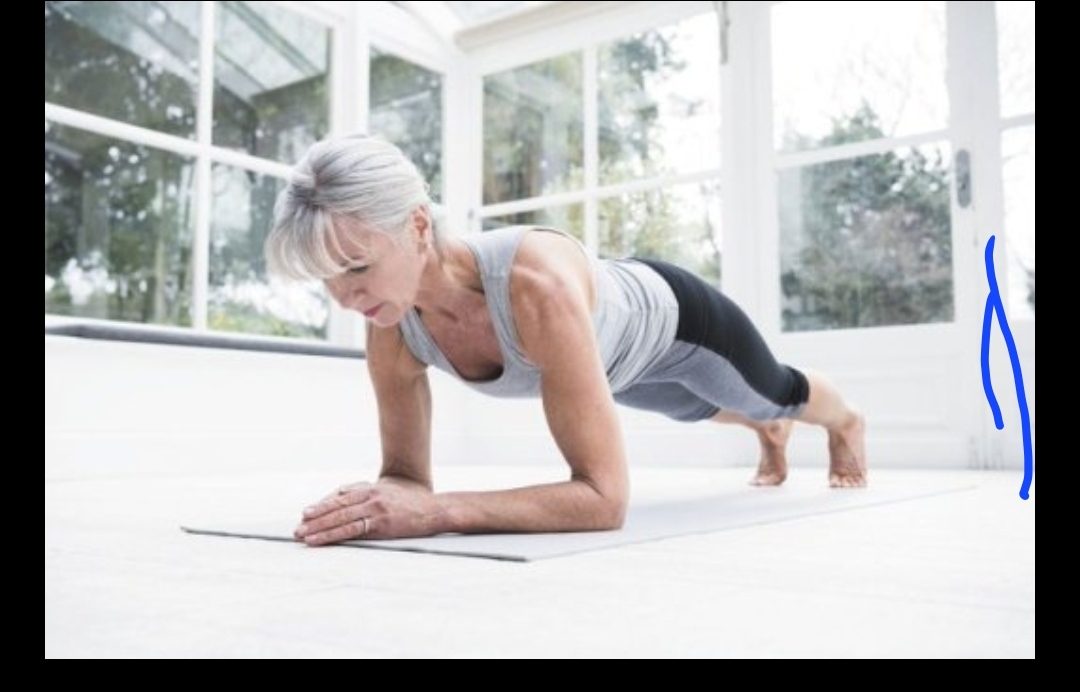
Plank exercises, in which you assume a position and hold it, are the gold standard for working your #core while classic sit-ups and crunches have fallen out of favor. Why the shift?
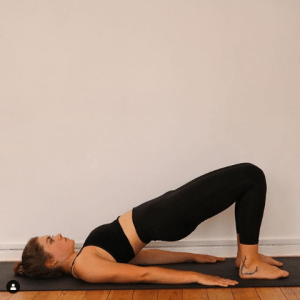

BRIDGING
This is the one of a physiotherapist’s staple exercises, if in doubt…bridge 😂
Often when children are growing, they come up against muscle imbalances, which can lead to aches and pains. A great way to protect the body from these is by keeping a good strong core!
A tip my top #pilates friend showed me was rolling the spine up and down, like a Mexican wave 👋🏽! Go follow @excellencepilates @excellence_physio for much more specialist knowledge than I can offer 😁
HOW TO INCORPORATE INTO PLAY
Get some lovely little cars or animals on one side of your child, and help them create a BRIDGE (!) so you can drive those little toys under their bottom!
….a traffic jam can always help you keep their bottom up for little longer 😏
#physio #pilateslovers #physiotherapy #physiotherapist #yoga #yogateacher #paediatricphysiotherapy #childrensphysio #normaldevelopment #strongcore #therapyplay
Plank exercises, in which you assume a position and hold it, are the gold standard for working your #core while classic sit-ups and crunches have fallen out of favor. Why the shift?



Check more ayush jobs and news at ayushlive.com #ayushlive⠀
⠀
Reposting @yoga_fundamentals: ⠀
…⠀
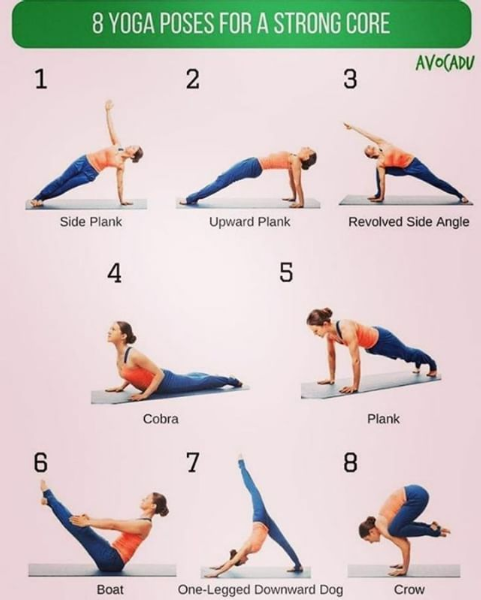
“A strong core is essential to yoga. These are some supplemental yoga poses to add to your routine. Having a strong core will also support your posture. ⠀
Click the link in the bio to lose weight and get fit with yoga.⠀
⠀
Picture credit to: @avocadu_ ❤💕🙏 Follow @yoga_fundamentals and tag us for a chance to get featured.⠀
BRIDGING
This is the one of a physiotherapist’s staple exercises, if in doubt…bridge 😂
Often when children are growing, they come up against muscle imbalances, which can lead to aches and pains. A great way to protect the body from these is by keeping a good strong core!
A tip my top #pilates friend showed me was rolling the spine up and down, like a Mexican wave 👋🏽! Go follow @excellencepilates @excellence_physio for much more specialist knowledge than I can offer 😁
HOW TO INCORPORATE INTO PLAY
Get some lovely little cars or animals on one side of your child, and help them create a BRIDGE (!) so you can drive those little toys under their bottom!
….a traffic jam can always help you keep their bottom up for little longer 😏
#physio #pilateslovers #physiotherapy #physiotherapist #yoga #yogateacher #paediatricphysiotherapy #childrensphysio #normaldevelopment #strongcore #therapyplay
By Heidi Godman, Managing Director
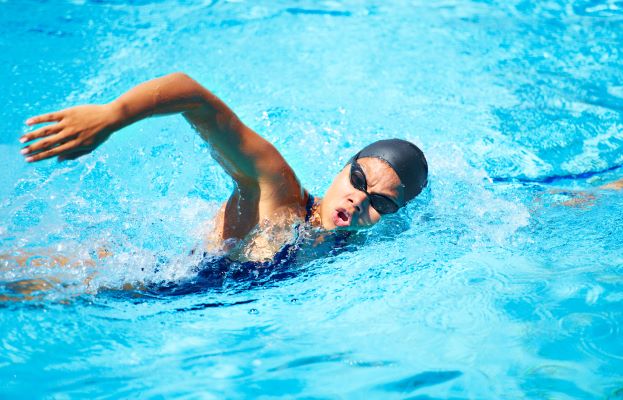
Everyone likes a bargain, and lap swimming is a good deal when it comes to exercise. Swimming is a remarkably effective workout because it combines three important types of exercise in one: aerobics, stretching, and strengthening. “Simply keeping yourself afloat activates the core muscles in your back and abdomen. And you have to move all of your muscles to swim,” says Leigh de Chaves, a physical therapist and clinical supervisor of rehabilitation services at Harvard-affiliated Brigham and Women’s Hospital. (She also swam competitively in college.)
Consider lap swimming if you’re generally healthy, you’re a good swimmer, and your doctor says it’s okay. It’s no problem if you’re not a fan of the crawl: “Any stroke is fine. The breast, side, and back strokes are often favored because a lot of people don’t like putting their face in the water, like you have to do with the crawl,” de Chaves says.
However, lap swimming might be not be doable if you have an underlying condition, such as heart disease or a seizure disorder, that puts you at risk for a life-threatening event in the water. You may also need to skip lap swimming if you’re not strong enough to climb in and out of the pool easily. And you should be careful if you have injuries to your shoulders or neck. Lap swimming may increase your pain.
A green light for a lap swimming routine doesn’t mean you should start with 20 laps. Ease into it. “Focus on the amount of time you spend swimming, at first. For example, swim for five or 10 minutes, a few times per week. Gradually increase the amount of time each week, and note how many laps you can do within that time. Eventually, set goals to increase your speed by doing more laps in your set time, so that you can measure your progress,” de Chaves explains.
Once you’re in the swim of things, you’ll notice lots of benefits to lap swimming. It’s easy on the joints, thanks to buoyancy in water, and it has a meditative quality that forces you to focus on your movement and breathing.
Lap swimming also
De Chaves points out that it’s important to warm up your muscles before diving into a lap swimming workout. All it takes is a few minutes of gentle paddling, and then static stretches of your shoulder and leg muscles.
Some other dos and don’ts:
If you’re not a lap swimmer, you can still benefit from aquatic exercises — exercising in the shallow end of a pool. You might take a class with a trainer who leads a group through a set of exercises with special water weights or flotation devices (like a pool noodle). Or you can simply try water walking; working against the resistance of the water is good for your muscles and bones.
“If you have balance problems, it’s a good idea to exercise with a friend who can assist you. I also recommend wearing a buoyancy belt around your waist to keep you upright,” de Chaves advises.
Look for aquatic exercise classes — such as strengthening or aerobics — at the local YMCA, a fitness center, or a community center.

Heidi Godman, Managing Director
Heidi Godman directs all news gathering for Harvard Health Publishing, and also directs the curation and production of HHP’s four monthly subscription publications (the Harvard Health Letter, Harvard Heart Letter, Harvard Men’s Health Watch, and Harvard Women’s Health … See Full Bio
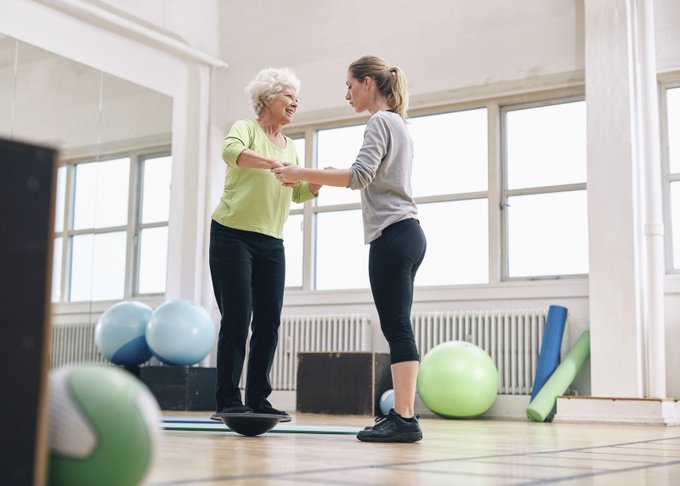

Image: Jacob Ammentorp Lund/iStock
Many older adults focus on exercise and diet to stay healthy. But one of the worst offenders to health—poor balance—is often an afterthought. “I see a lot of older adults who are nonchalant about balance,” says Liz Moritz, a physical therapist at Harvard-affiliated Brigham and Women’s Hospital.
Unfortunately, imbalance is a common cause of falls, which send millions of people in the United States to emergency departments each year with broken hips and head injuries. But there are many things you can do to improve your balance. The strategies below are some of the most effective.
Physical therapy for balance focuses on the ability of the joints and brain to communicate, the balance system in the ear (the vestibular system), and vision. “We coordinate all three with exercises such as standing on one foot, first with the eyes open, and then with the eyes closed. We also work on joint flexibility, walking, and lower-extremity exercises on one or two legs,” says Moritz. Other exercises that boost balance include chair stands (see “Move of the month”) and squats. Make sure you get training before attempting these exercises at home.
“Core strength is very important for balance. If the abdominal muscles in your core are weak, they cannot support your limbs, especially when you’re walking. If the gluteal muscles in your buttocks and hips aren’t strong, they won’t be able to propel you forward,” says Moritz. Muscle strengthening can help. Moritz suggests starting with gentle core exercises like a pelvic tilt (lie on the floor with your knees bent up, then roll your pelvis up) and then moving to more intense exercises such as wall planks (stand six inches from a wall, keeping your body rigid, then lean forward with your forearms flat against the wall, and hold the position for 20 seconds). Leg lifts will strengthen the gluteal muscles, and adding resistance bands to leg lifts makes the exercise even more effective.
“Tai chi and yoga are exercises that make you pay attention to the control and quality of movement, rather than the quantity, which improves your balance,” says Moritz. In tai chi, you practice slow, flowing motions and shift your weight from one limb to another. Yoga incorporates a series of focused postures and breathing. Both exercises increase flexibility, range of motion, leg and core strength, and reflexes. The result: you become better at balancing in a number of different positions, which helps you avoid falling if you encounter uneven pavement or obstacles in your path.
“If you can’t see where you’re going, your fall risk goes up,” says Moritz. “A lot of people I treat for balance are here be-cause they tripped when they didn’t see something on the floor.” The fix may be as simple as a new eyeglasses prescription. Get a comprehensive, dilated eye exam every one or two years if you’re 65 or older, every one to three years if you’re age 55 to 64, and every two to four years if you’re 40 to 54. If you have an increased risk for other eye conditions, you may need an eye exam more often.
A cane or a walker can complement your balance and give you more stability and confidence walking. But don’t buy a device on your own. “If it’s too high or too low, that can cause a fall. You need to get it measured, and you need training to learn how to use it,” says Moritz. Training takes just a few physical therapy sessions. Walkers are available with wheels intended for different terrain, lockable brakes, seats, baskets, and other features such as headlights. Canes are available with various handgrips and bases.

