Skip to content
Healthaware

Healthaware

Health is Wealth

  • Home

Tag: core strength

Posted on September 11, 2025

Every day that you run, your body is getting stronger, @HarvardHealth #physicalactivity


Harvard Health

@HarvardHealth

Every day that you run, your body is getting stronger, you’re building stamina, and your runs will become easier. In addi­tion to the advice on good running form, here are more ways to make #running a little easier: https://bit.ly/2VWj0pH #HarvardHealth
Posted on March 25, 2025

Every day that you run, your body is getting stronger, @HarvardHealth #physicalactivity


Harvard Health

@HarvardHealth

Every day that you run, your body is getting stronger, you’re building stamina, and your runs will become easier. In addi­tion to the advice on good running form, here are more ways to make #running a little easier: https://bit.ly/2VWj0pH #HarvardHealth
Posted on October 24, 2024

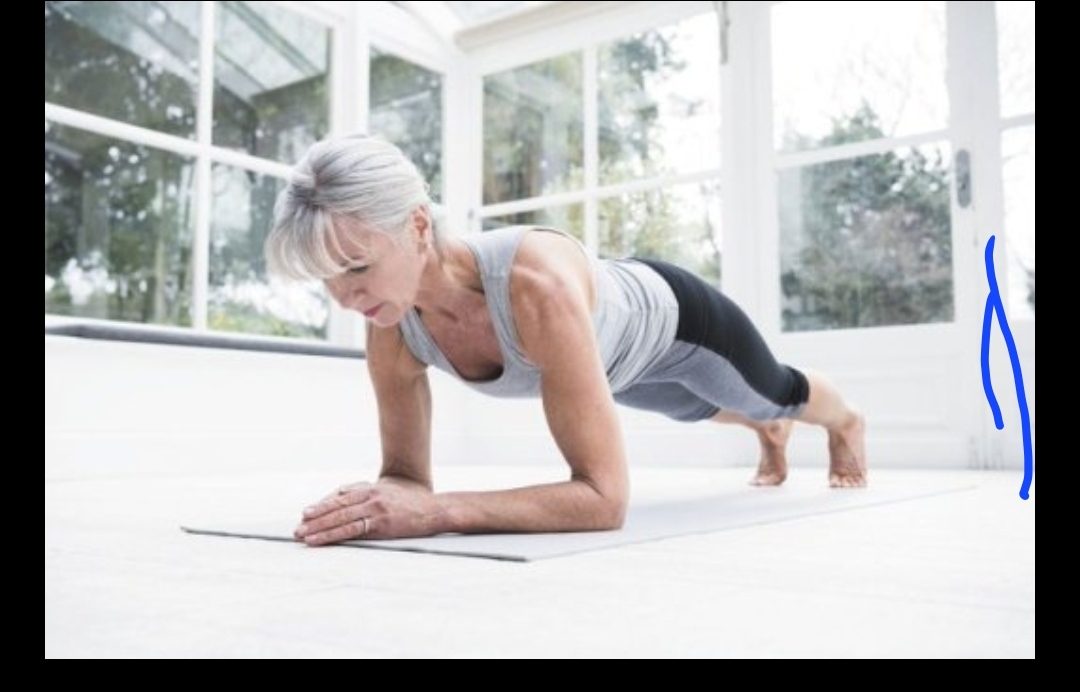
Plank exercises for strengthening your core @HarvardHealth #physiotherapy

Harvard Health@HarvardHealth·9h

Plank exercises, in which you assume a position and hold it, are the gold standard for working your #core while classic sit-ups and crunches have fallen out of favor. Why the shift?

https://bit.ly/3CEQRmQ

#HarvardHealth#exercise

Posted on October 22, 2024

Every day that you run, your body is getting stronger, @HarvardHealth


Harvard Health

@HarvardHealth

Every day that you run, your body is getting stronger, you’re building stamina, and your runs will become easier. In addi­tion to the advice on good running form, here are more ways to make #running a little easier: https://bit.ly/2VWj0pH #HarvardHealth
Posted on October 10, 2024

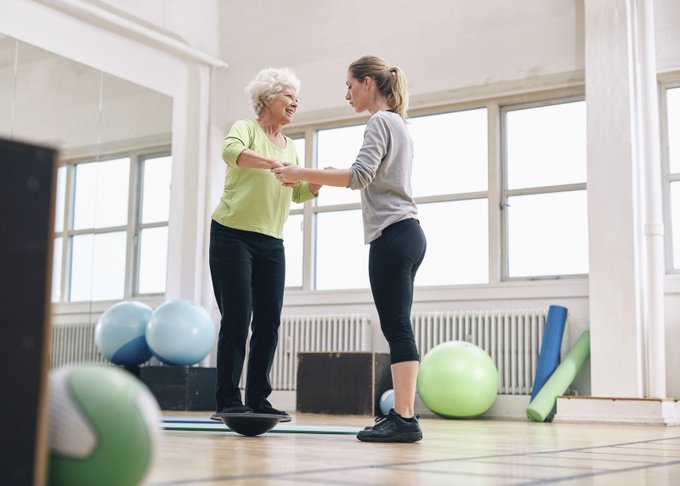
Our best balance boosters #physiotherapy😉 @HarvardHealth

harvard balance boosters

Harvard Health
@HarvardHealth
·

14h

Our best balance boosters. http://bit.ly/2rkMG0N #HarvardHealth

Image: Jacob Ammentorp Lund/iStock

Many older adults focus on exercise and diet to stay healthy. But one of the worst offenders to health—poor balance—is often an afterthought. “I see a lot of older adults who are nonchalant about balance,” says Liz Moritz, a physical therapist at Harvard-affiliated Brigham and Women’s Hospital.

Unfortunately, imbalance is a common cause of falls, which send millions of people in the United States to emergency departments each year with broken hips and head injuries. But there are many things you can do to improve your balance. The strategies below are some of the most effective.

Physical therapy

Physical therapy for balance focuses on the ability of the joints and brain to communicate, the balance system in the ear (the vestibular system), and vision. “We coordinate all three with exercises such as standing on one foot, first with the eyes open, and then with the eyes closed. We also work on joint flexibility, walking, and lower-extremity exercises on one or two legs,” says Moritz. Other exercises that boost balance include chair stands (see “Move of the month”) and squats. Make sure you get training before attempting these exercises at home.

Muscle strengthening

“Core strength is very important for balance. If the abdominal muscles in your core are weak, they cannot support your limbs, especially when you’re walking. If the gluteal muscles in your buttocks and hips aren’t strong, they won’t be able to propel you forward,” says Moritz. Muscle strengthening can help. Moritz suggests starting with gentle core exercises like a pelvic tilt (lie on the floor with your knees bent up, then roll your pelvis up) and then moving to more intense exercises such as wall planks (stand six inches from a wall, keeping your body rigid, then lean forward with your forearms flat against the wall, and hold the position for 20 seconds). Leg lifts will strengthen the gluteal muscles, and adding resistance bands to leg lifts makes the exercise even more effective.

Tai chi and yoga

“Tai chi and yoga are exercises that make you pay attention to the control and quality of movement, rather than the quantity, which improves your balance,” says Moritz. In tai chi, you practice slow, flowing motions and shift your weight from one limb to another. Yoga incorporates a series of focused postures and breathing. Both exercises increase flexibility, range of motion, leg and core strength, and reflexes. The result: you become better at balancing in a number of different positions, which helps you avoid falling if you encounter uneven pavement or obstacles in your path.

Vision correction

“If you can’t see where you’re going, your fall risk goes up,” says Moritz. “A lot of people I treat for balance are here be-cause they tripped when they didn’t see something on the floor.” The fix may be as simple as a new eyeglasses prescription. Get a comprehensive, dilated eye exam every one or two years if you’re 65 or older, every one to three years if you’re age 55 to 64, and every two to four years if you’re 40 to 54. If you have an increased risk for other eye conditions, you may need an eye exam more often.

Assistive walking devices

A cane or a walker can complement your balance and give you more stability and confidence walking. But don’t buy a device on your own. “If it’s too high or too low, that can cause a fall. You need to get it measured, and you need training to learn how to use it,” says Moritz. Training takes just a few physical therapy sessions. Walkers are available with wheels intended for different terrain, lockable brakes, seats, baskets, and other features such as headlights. Canes are available with various handgrips and bases.

https://www.health.harvard.edu/staying-healthy/our-best-balance-boosters?utm_content=bufferbc3b8&utm_medium=social&utm_source=facebook&utm_campaign=buffer

Posted on October 7, 2024

5 surprising benefits of walking: @HarvardHealth #healthaware #physicalactivity


Harvard Health

@HarvardHealth
·
22h


5 surprising benefits of #walking: Any physical activity is a boon to your overall health. But walking in particular comes with a host of benefits. https://bit.ly/3uyNvhI #HarvardHealth

The next time you have a check-up, don’t be surprised if your doctor hands you a prescription to walk. Yes, this simple activity that you’ve been doing since you were about a year old is now being touted as “the closest thing we have to a wonder drug,” in the words of Dr. Thomas Frieden, former director of the Centers for Disease Control and Prevention.

Of course, you probably know that any physical activity, including walking, is a boon to your overall health. But walking in particular comes with a host of benefits. Here’s a list of five that may surprise you.

1. It counteracts the effects of weight-promoting genes. Harvard researchers looked at 32 obesity-promoting genes in over 12,000 people to determine how much these genes actually contribute to body weight. They then discovered that, among the study participants who walked briskly for about an hour a day, the effects of those genes were cut in half.

2. It helps tame a sweet tooth. A pair of studies from the University of Exeter found that a 15-minute walk can curb cravings for chocolate and even reduce the amount of chocolate you eat in stressful situations. And the latest research confirms that walking can reduce cravings and intake of a variety of sugary snacks.

3. It reduces the risk of developing breast cancer. Researchers already know that any kind of physical activity blunts the risk of breast cancer. But an American Cancer Society study that zeroed in on walking found that women who walked seven or more hours a week had a 14% lower risk of breast cancer than those who walked three hours or fewer per week. And walking provided this protection even for the women with breast cancer risk factors, such as being overweight or using supplemental hormones.

4. It eases joint pain. Several studies have found that walking reduces arthritis-related pain, and that walking five to six miles a week can even prevent arthritis from forming in the first place. Walking protects the joints — especially the knees and hips, which are most susceptible to osteoarthritis — by lubricating them and strengthening the muscles that support them.

5. It boosts immune function. Walking can help protect you during cold and flu season. A study of over 1,000 men and women found that those who walked at least 20 minutes a day, at least 5 days a week, had 43% fewer sick days than those who exercised once a week or less. And if they did get sick, it was for a shorter duration, and their symptoms were milder.

Image: gradyreese/Getty images

Posted on October 7, 2024

Strong core muscles support cardio health by helping people stay active. @HarvardHealth


Harvard Health

@HarvardHealth
·
39m

Strong core muscles support cardio health by helping people stay active. Easy core exercises, such as walk-and-carry #exercises, are especially helpful because they strengthen many muscles at the same time and simulate real-life activities: https://bit.ly/3qgJsWD #HarvardHealth
Posted on October 7, 2024October 7, 2024

Plank exercises for strengthening your core @HarvardHealth #physiotherapy

Harvard Health@HarvardHealth·9h

Plank exercises, in which you assume a position and hold it, are the gold standard for working your #core while classic sit-ups and crunches have fallen out of favor. Why the shift?

https://bit.ly/3CEQRmQ

#HarvardHealth#exercise

Posted on September 28, 2024September 28, 2024

Our best balance boosters #physiotherapy😉 @HarvardHealth

harvard balance boosters

Harvard Health
@HarvardHealth
·

14h

Our best balance boosters. http://bit.ly/2rkMG0N #HarvardHealth

Image: Jacob Ammentorp Lund/iStock

Many older adults focus on exercise and diet to stay healthy. But one of the worst offenders to health—poor balance—is often an afterthought. “I see a lot of older adults who are nonchalant about balance,” says Liz Moritz, a physical therapist at Harvard-affiliated Brigham and Women’s Hospital.

Unfortunately, imbalance is a common cause of falls, which send millions of people in the United States to emergency departments each year with broken hips and head injuries. But there are many things you can do to improve your balance. The strategies below are some of the most effective.

Physical therapy

Physical therapy for balance focuses on the ability of the joints and brain to communicate, the balance system in the ear (the vestibular system), and vision. “We coordinate all three with exercises such as standing on one foot, first with the eyes open, and then with the eyes closed. We also work on joint flexibility, walking, and lower-extremity exercises on one or two legs,” says Moritz. Other exercises that boost balance include chair stands (see “Move of the month”) and squats. Make sure you get training before attempting these exercises at home.

Muscle strengthening

“Core strength is very important for balance. If the abdominal muscles in your core are weak, they cannot support your limbs, especially when you’re walking. If the gluteal muscles in your buttocks and hips aren’t strong, they won’t be able to propel you forward,” says Moritz. Muscle strengthening can help. Moritz suggests starting with gentle core exercises like a pelvic tilt (lie on the floor with your knees bent up, then roll your pelvis up) and then moving to more intense exercises such as wall planks (stand six inches from a wall, keeping your body rigid, then lean forward with your forearms flat against the wall, and hold the position for 20 seconds). Leg lifts will strengthen the gluteal muscles, and adding resistance bands to leg lifts makes the exercise even more effective.

Tai chi and yoga

“Tai chi and yoga are exercises that make you pay attention to the control and quality of movement, rather than the quantity, which improves your balance,” says Moritz. In tai chi, you practice slow, flowing motions and shift your weight from one limb to another. Yoga incorporates a series of focused postures and breathing. Both exercises increase flexibility, range of motion, leg and core strength, and reflexes. The result: you become better at balancing in a number of different positions, which helps you avoid falling if you encounter uneven pavement or obstacles in your path.

Vision correction

“If you can’t see where you’re going, your fall risk goes up,” says Moritz. “A lot of people I treat for balance are here be-cause they tripped when they didn’t see something on the floor.” The fix may be as simple as a new eyeglasses prescription. Get a comprehensive, dilated eye exam every one or two years if you’re 65 or older, every one to three years if you’re age 55 to 64, and every two to four years if you’re 40 to 54. If you have an increased risk for other eye conditions, you may need an eye exam more often.

Assistive walking devices

A cane or a walker can complement your balance and give you more stability and confidence walking. But don’t buy a device on your own. “If it’s too high or too low, that can cause a fall. You need to get it measured, and you need training to learn how to use it,” says Moritz. Training takes just a few physical therapy sessions. Walkers are available with wheels intended for different terrain, lockable brakes, seats, baskets, and other features such as headlights. Canes are available with various handgrips and bases.

https://www.health.harvard.edu/staying-healthy/our-best-balance-boosters?utm_content=bufferbc3b8&utm_medium=social&utm_source=facebook&utm_campaign=buffer

Posted on August 26, 2024

Looking to firm up your abs and strengthen your core? @ClevelandClinic

health.clevelandclinic.org
Try These Ab Workouts to Strengthen Your Core
Break a sweat with these ab exercises

Posts pagination

Page 1 Page 2 … Page 9 Next page

Tags

  • Alcohol
  • Cleveland Clinic
  • Depression
  • diet
  • exercise
  • Female health
  • fitness
  • Harvard Health
  • Healthaware
  • heartaware
  • heart health
  • nutrition
  • physical activity
  • physiotherapy
  • yoga

Recent Posts

  • Blackrock Health Womens Health Centre is officially open at 2-5 Warrington Place, Dublin 2!
  • Physiotherapists allowed to refer patients for medical radiological procedures for the first time @RCSI_Irl
  • “Love is a snowflake for no two are ever the same.” ― Kamand Kojouri ❤️
  • Dark Chocolate: The Perfect Snack for Stress Relief and Heart Health
  • Add more exercise into your day @HarvardHealth #physicaltherapy
  • “Soon I’ll be able to prescribe music therapy for my patients” @DrPunamKrishan #BBCMorningLive 🎶🎵
  • Music – Mental Therapy @ClevelandClinic
  • Purple porridge @annabelkarmel @motherandbaby
  • “Soon I’ll be able to prescribe music therapy for my patients” @DrPunamKrishan #BBCMorningLive 🎶🎵
  • Acetaldehyde, a toxic chemical produced when alcohol is metabolized in the body, has been linked to cancer risk…@AlcoholCancerEU
  • Therapeutic massage targets specific health concerns by working on muscles and soft tissue to reduce pain, improve mobility and support recovery. It’s often used alongside other treatments and tailored to your individual needs.
  • Yogurt is more than a quick snack. @MayoClinic
  • .@bodhiblends hand made by Aisling at The Complex  #christmasmarket 🥰🧑‍🎄 Smithfield Dublin.  Today!
  • Running is good for you. Blackrock Clinic @HealthBlackrock #physiotherapy
  • Yogurt is more than a quick snack. @MayoClinic
  • .@bodhiblends hand made by Aisling at The Complex  #christmasmarket 🥰🧑‍🎄 Smithfield Dublin.  Today!
  • Professor Pat Nash,cardiologist, at Blackrock Health Galway Clinic. “Heart disease is largely lifestyle based, 30 minutes of brisk exercise a day is critically important to heart health”
  • Are your kids interested in sports or just want to feel stronger? @MayoClinic #physicalactivity
  • “We can reduce our risk of cardiovascular disease by 80%” Dr.Tamanna Singh @ClevelandClinic
  • Are your kids interested in sports or just want to feel stronger? @MayoClinic #physicalactivity
Blog at WordPress.com.
  • Subscribe Subscribed
    • Healthaware
    • Join 1,724 other subscribers
    • Already have a WordPress.com account? Log in now.
    • Healthaware
    • Subscribe Subscribed
    • Sign up
    • Log in
    • Report this content
    • View site in Reader
    • Manage subscriptions
    • Collapse this bar
 

Loading Comments...