Your abdominal muscles are just one component of your core. The gluteal muscles, diaphragm, hip flexors, and hip adductor muscles also comprise your core. These large muscle groups help control the movements you make throughout the day. Strengthening these muscles helps to absorb forces from daily activities and decrease the forces that move through joints.
Here is a group yoga poses that can help to improve your core muscles. Try holding them for two to three breaths at first, then increase the number of breaths to challenge yourself. On the one-sided poses, be sure to repeat on the other side!
Note: Poses should be entered into and moved out of slowly to protect muscles and joints. If you are having specific pain that has been ongoing for longer than two weeks or you have a specific injury, it is always best consult a qualified health care provider, such as a physical therapist, who can develop a plan specific to your needs.
Plank exercises, in which you assume a position and hold it, are the gold standard for working your #core while classic sit-ups and crunches have fallen out of favor. Why the shift?
Your bed should be a place of relaxation and rejuvenation. But if you’re having trouble sleeping, that’s likely not the case.
Not only can not sleeping be frustrating, but getting a good night’s sleep is vital to maintaining your overall health and mental well-being. Seven or more hours of quality sleep each night recharges your body physically, but can also help flush toxins from your brain and allow your mind to fully rest — which assist in your mental alertness, decision-making, and overall clarity the next day. And if you’re sick, your brain needs to be in tip-top shape to help you recover.
That’s why sleep expert Nancy Foldvary-Schaefer, DO, says you should do everything you can to address any sleep issues you’re experiencing.
Different ways your sleep can be interrupted
Besides external influences like recurring noises (from a crying infant to a snoring partner) or travel-related time changes that keep you up at night, sleep deprivation may come in many other forms.
“For example, some people experience chronic insomnia — a sleep disorder in which you have trouble falling and/or staying asleep,” Dr. Foldvary-Schaefer says. “Others may experience cycles of waking up but not being able to get back to sleep.“
And sometimes, even if you’re able to fall asleep but were focused on unresolved issues or worries right before you closed your eyes — this may affect the quality of sleep you actually achieve. “You may find yourself groggy in the morning or feeling tired, cranky or unproductive,” Dr. Foldvary-Schaefer says. “Also, a lack of sleep can affect your judgement and emotional response to otherwise normal daily activities.”
How stress can affect your sleep
Many of us tend to bring our daily stress to bed with us — which is exactly the place it doesn’t belong. It’s not easy to leave stress at the end of your day. But keeping these stressful thoughts in focus right before sleep can definitely prevent you from getting some good shuteye.
“This is something you should try to avoid whenever possible, as it can cause a variety of sleep problems,” Dr. Foldvary-Schaefer notes. “It may take practice, but committing to stress-reduction behaviors at the end of your day is very important. The more active you are in kicking stress out of bed each night, the more likely your overall sleep quality will improve.”
How to de-stress before bed
You may not be aware that bringing stress to bed could be causing a negative cycle to form. If you have trouble falling asleep, the longer you lie awake, the more aggravated you may become. Soon you may unknowingly associate your bed as a place of discomfort, rather than one of comfort. The key is to remove any negative association with your sleep space by forming healthy pre-sleep habits. Dr. Foldvary-Schaefer offers these tips for developing better pre-sleep practices:
Plan for tomorrow earlier in the evening — Carve out time each night before or after dinner to “wrap up” your thoughts about the last 24 hours. Plotting out your next day well before bedtime can help you check that “planning box” early enough to give yourself time to transition and quiet your mind before bed.
Get up if you’re not asleep after 20 minutes — It may be a good idea to take your frustrations to a different room and leave them there — literally. A short walk will get your brain actively focused on motor coordination, rather than worrying. Write down what’s on your mind on a piece of paper and revisit it in the morning. You’ll return to bed anticipating a fresh perspective in the morning (a best practice, anyway) — and leave your bedroom as your special place to rest and relax.
Develop your pre-sleep ritual — Take a walk after dinner to catch a sunset, take a long bath or enjoy a nightly cup of caffeine-free herbal tea.
Avoid overstimulation — Avoid not eating, working, or browsing a screen of any kind in bed. Reading a book off-screen may help, or enjoying a relaxing playlist to give your mind something to connect with, but not be overstimulated by.
Practice yoga or meditation — Closing your eyes, practice simple mindfulness, awareness or concentrated focus on your breathing for five minutes. This can help your body and mind relax — and transition you to a more restful sleep.
If trying some of the strategies above to reduce or manage your stress aren’t helping your insomnia, cognitive behavioral therapy (or CBT-i) might be a good option.
“CBTi is a structured program that helps you identify and replace thoughts and behaviors that cause (or worsen) sleep problems with new habits and thought patterns that promote healthy sleep,” explains sleep expert Michelle Drerup, PsyD.
“CBTi is offered by trained specialists nationwide, including at many larger hospitals or academic medical centers,” Dr. Drerup adds. “There are also several online programs, such as Cleveland Clinic’s Go! to Sleep program.”
Illness may be the reason you can’t sleep
A lack of sleep may also indicate a variety of sleep disorders or other health concerns that need to be addressed with proper medical diagnosis and treatment. Once your medical conditions are treated, you may eventually see your sleep improve.
Underlying medical conditions that may prevent you from sleeping include:
“If any of these are the case, you likely won’t sleep comfortably through the night until the problem is identified and properly treated by a knowledgeable primary care physician or specialist,” Dr. Foldvary-Schaefer says.
Make sure you keep track of symptoms you are experiencing, and tell your doctor about them as soon as possible. Your primary care physician may explore your sleep history and/or give you a physical examination. This could include examining your upper airway muscles, for example. If sleep apnea is suspected, you may be referred to a sleep disorders center for a comprehensive sleep study. Or you may be suffering from other conditions that could result in treatments like short-term hormone replacement therapy, antidepressants or other kinds of medicines — all which depend upon proper diagnosis.
Be aware and stay proactive
Overall, the key to getting better sleep comes from first identifying your sleepless activity, reducing your stress before you hit your bed, and talking with your doctor if you notice other symptoms — so you can get back on track to a good night’s sleep.
Your abdominal muscles are just one component of your core. The gluteal muscles, diaphragm, hip flexors, and hip adductor muscles also comprise your core. These large muscle groups help control the movements you make throughout the day. Strengthening these muscles helps to absorb forces from daily activities and decrease the forces that move through joints.
Here is a group yoga poses that can help to improve your core muscles. Try holding them for two to three breaths at first, then increase the number of breaths to challenge yourself. On the one-sided poses, be sure to repeat on the other side!
Note: Poses should be entered into and moved out of slowly to protect muscles and joints. If you are having specific pain that has been ongoing for longer than two weeks or you have a specific injury, it is always best consult a qualified health care provider, such as a physical therapist, who can develop a plan specific to your needs.
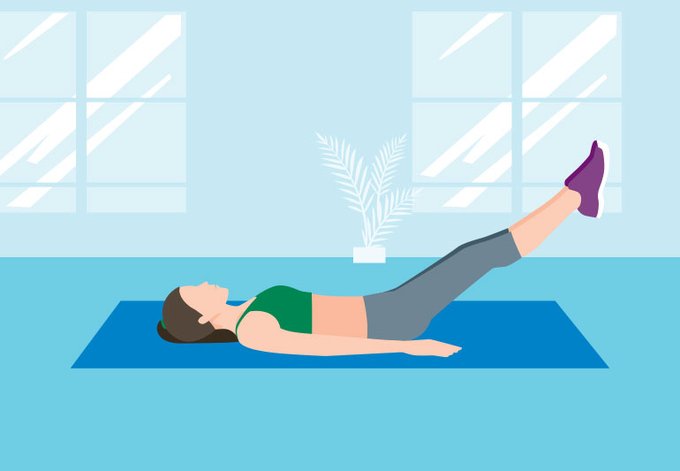
Are you looking for a core-boosting exercise you can do in a matter of minutes with zero equipment? Leg lifts hold the power to help build a strong trunk as a part of your abs routine. https://cle.clinic/3O2hdou
In a world of selfies and profile pictures, you may spend a lot of time staring at your face. And it can be hard not to scrutinize every angle — including your jawline. Maybe you’re wondering if there’s a way to get rid of that double chin.
“Typically, a double chin corresponds with carrying excess weight. But there’s no scientific evidence supporting a clear-cut way of losing it besides diet and exercise,” notes health and fitness specialist Chris Dempers. “Evidence for other methods is only anecdotal.”
We talked to Dempers about his best tips to target chin fat.
What causes a double chin?
Dempers says obesity is the main cause of a double chin. “As people gain weight, many gain it evenly all across their body, including in the face and chin area,” he says.
There are genetic factors, too. “Some people inherit a stronger jawline while others have a softer one, even if they are thin,” he adds. “Being naturally thin doesn’t mean your body fat composition isn’t high. You can still look thin and have less muscle density.”
The best way to get rid of a double chin
Dempers says to watch out for supposed quick fixes when it comes to losing a double chin. Instead, a healthy diet and regular exercise are most likely to get you the desired results.
But if you still want to try to target excess chin fat, Dempers gives the skinny on two methods that some swear by:
1. Jaw exercise tools
Jaw exercise tools are small devices that you put in your mouth and bite down on to exercise your face and neck muscles. “With proper use, they may help improve the jawline by increasing the jaw muscles,” explains Dempers.
But like any exercise program, if you’re not safely and correctly training your neck and jaw muscles, you run the risk of injury. You can overwork and strain the dozens of muscles there.
“Using jaw exercise tools incorrectly and excessively increases your risk of developing temporomandibular joint disorder (TMJ),” says Dempers. “They’re like the sugar pill in medical studies. You may think it’s the device getting you results, but most people using them also work out in the gym. Anyone following a healthy diet and exercising an hour a day is going to lose weight and see it in their face.”
2. Double chin exercises
Certain “double chin” exercises target neck muscles, but that doesn’t mean they will rid you of chin fat. “Stronger neck muscles don’t automatically mean less fat. For example, you can do a thousand crunches a day, but if you still exceed your ideal calorie intake, belly fat is not going to go away.” So double chin exercises can support, but not replace, regular diet and exercise.
How to lose weight (and that double chin)
Since weight loss is the key to a more defined jawline, Dempers offers four tips to jump-start yours:
1. Start slow
Don’t feel like you have to get up and run a marathon tomorrow, says Dempers. “Just walking 10 or 15 minutes a day can start you on the road to fitness.”
2. Make use of fitness apps and reputable websites
If knowing what to eat seems overwhelming, some good fitness tracking apps do the work for you, says Dempers. These apps can help you:
Track the calories you eat and burn.
Scan grocery store items to get nutrition information.
Understand how much protein, fiber and fats you should have.
“Everyone needs a different number of calories. These apps allow you to enter your biometric information so they can calculate your metabolic rate or calorie allotment.”
Dempers also notes that there’s a lot of great information and guidance online you can access on government websites, such as MyPlate.gov.
3. Connect with a fitness professional
Fitness professionals have education and training that can help you achieve your goals faster. If you can afford it, partner with a dietitian or trainer for optimal results. But simply having an exercise buddy can help you reach your goals as well. “Having a trainer or workout partner can help keep you accountable, on track and motivated,” says Dempers.
4. Don’t be too calorie-restrictive
While ideal calorie counts vary, Dempers cautions us never to eat less than 1,200 calories a day. “That’s low even for someone who is smaller and needs fewer calories. That 1,200-calorie threshold may be higher depending on your size and activity level,” he says. “You need proper fuel, nutrients and fats to help brain function and for your overall health.”
Weight loss is a long game, reminds Dempers. And patience will be your secret ingredient to success. “Nowadays, everyone wants a quick fix, but with weight loss, you’ll do better with a slower process. Aim to lose around one to two pounds a week. Cutting out 500 calories a day adds up quickly to see results on your waistline — and your jawline.”
Your bed should be a place of relaxation and rejuvenation. But if you’re having trouble sleeping, that’s likely not the case.
Not only can not sleeping be frustrating, but getting a good night’s sleep is vital to maintaining your overall health and mental well-being. Seven or more hours of quality sleep each night recharges your body physically, but can also help flush toxins from your brain and allow your mind to fully rest — which assist in your mental alertness, decision-making, and overall clarity the next day. And if you’re sick, your brain needs to be in tip-top shape to help you recover.
That’s why sleep expert Nancy Foldvary-Schaefer, DO, says you should do everything you can to address any sleep issues you’re experiencing.
Different ways your sleep can be interrupted
Besides external influences like recurring noises (from a crying infant to a snoring partner) or travel-related time changes that keep you up at night, sleep deprivation may come in many other forms.
“For example, some people experience chronic insomnia — a sleep disorder in which you have trouble falling and/or staying asleep,” Dr. Foldvary-Schaefer says. “Others may experience cycles of waking up but not being able to get back to sleep.“
And sometimes, even if you’re able to fall asleep but were focused on unresolved issues or worries right before you closed your eyes — this may affect the quality of sleep you actually achieve. “You may find yourself groggy in the morning or feeling tired, cranky or unproductive,” Dr. Foldvary-Schaefer says. “Also, a lack of sleep can affect your judgement and emotional response to otherwise normal daily activities.”
How stress can affect your sleep
Many of us tend to bring our daily stress to bed with us — which is exactly the place it doesn’t belong. It’s not easy to leave stress at the end of your day. But keeping these stressful thoughts in focus right before sleep can definitely prevent you from getting some good shuteye.
“This is something you should try to avoid whenever possible, as it can cause a variety of sleep problems,” Dr. Foldvary-Schaefer notes. “It may take practice, but committing to stress-reduction behaviors at the end of your day is very important. The more active you are in kicking stress out of bed each night, the more likely your overall sleep quality will improve.”
How to de-stress before bed
You may not be aware that bringing stress to bed could be causing a negative cycle to form. If you have trouble falling asleep, the longer you lie awake, the more aggravated you may become. Soon you may unknowingly associate your bed as a place of discomfort, rather than one of comfort. The key is to remove any negative association with your sleep space by forming healthy pre-sleep habits. Dr. Foldvary-Schaefer offers these tips for developing better pre-sleep practices:
Plan for tomorrow earlier in the evening — Carve out time each night before or after dinner to “wrap up” your thoughts about the last 24 hours. Plotting out your next day well before bedtime can help you check that “planning box” early enough to give yourself time to transition and quiet your mind before bed.
Get up if you’re not asleep after 20 minutes — It may be a good idea to take your frustrations to a different room and leave them there — literally. A short walk will get your brain actively focused on motor coordination, rather than worrying. Write down what’s on your mind on a piece of paper and revisit it in the morning. You’ll return to bed anticipating a fresh perspective in the morning (a best practice, anyway) — and leave your bedroom as your special place to rest and relax.
Develop your pre-sleep ritual — Take a walk after dinner to catch a sunset, take a long bath or enjoy a nightly cup of caffeine-free herbal tea.
Avoid overstimulation — Avoid not eating, working, or browsing a screen of any kind in bed. Reading a book off-screen may help, or enjoying a relaxing playlist to give your mind something to connect with, but not be overstimulated by.
Practice yoga or meditation — Closing your eyes, practice simple mindfulness, awareness or concentrated focus on your breathing for five minutes. This can help your body and mind relax — and transition you to a more restful sleep.
If trying some of the strategies above to reduce or manage your stress aren’t helping your insomnia, cognitive behavioral therapy (or CBT-i) might be a good option.
“CBTi is a structured program that helps you identify and replace thoughts and behaviors that cause (or worsen) sleep problems with new habits and thought patterns that promote healthy sleep,” explains sleep expert Michelle Drerup, PsyD.
“CBTi is offered by trained specialists nationwide, including at many larger hospitals or academic medical centers,” Dr. Drerup adds. “There are also several online programs, such as Cleveland Clinic’s Go! to Sleep program.”
Illness may be the reason you can’t sleep
A lack of sleep may also indicate a variety of sleep disorders or other health concerns that need to be addressed with proper medical diagnosis and treatment. Once your medical conditions are treated, you may eventually see your sleep improve.
Underlying medical conditions that may prevent you from sleeping include:
“If any of these are the case, you likely won’t sleep comfortably through the night until the problem is identified and properly treated by a knowledgeable primary care physician or specialist,” Dr. Foldvary-Schaefer says.
Make sure you keep track of symptoms you are experiencing, and tell your doctor about them as soon as possible. Your primary care physician may explore your sleep history and/or give you a physical examination. This could include examining your upper airway muscles, for example. If sleep apnea is suspected, you may be referred to a sleep disorders center for a comprehensive sleep study. Or you may be suffering from other conditions that could result in treatments like short-term hormone replacement therapy, antidepressants or other kinds of medicines — all which depend upon proper diagnosis.
Be aware and stay proactive
Overall, the key to getting better sleep comes from first identifying your sleepless activity, reducing your stress before you hit your bed, and talking with your doctor if you notice other symptoms — so you can get back on track to a good night’s sleep.







 Mayo Clinic Sports