A delicious Greek appetizer with our healthier twist! @ClevelandClinic #healthaware

This savory Greek appetizer is usually made with a lot of butter and a lot of feta cheese, which is delicious, but not really heart-healthy. Our just-as-delicious recipe offers a lighter, heart-healthier alternative!

Ingredients

  • Olive oil cooking spray
  • 1 small onion, minced
  • One 10-ounce package frozen, chopped spinach
  • 1/3 cup crumbled reduced-fat feta cheese
  • 1/4 cup 1% cottage cheese
  • 1/8 teaspoon ground nutmeg
  • 1 1/2 tablespoons chopped fresh dill
  • Freshly ground pepper
  • 1 tablespoon egg substitute
  • 5 sheets frozen phyllo dough, thawed
  • Refrigerated butter-flavored cooking spray

Directions

  1. Preheat the oven to 350 F. Coat a baking sheet with olive oil cooking spray.
  2. Coat a large nonstick skillet with olive oil cooking spray. Add the onion and spinach; saute over medium-high heat until the spinach is thawed and the onion begins to wilt, 8 to 10 minutes. Stir frequently to break up clumps of spinach. Add the feta and cottage cheese along with the nutmeg, dill, pepper and egg substitute; mix well. Remove from heat and cool for 5 minutes.
  3. Cut the phyllo dough into four lengthwise strips, covering the dough you’re not using with a damp tea towel so it doesn’t dry out. Coat each strip with the butter-flavored spray. Place a tablespoon of spinach mix on top of a strip of dough and fold over to make a triangle; continue folding over as if folding a flag. Place on the prepared baking sheet. Repeat, using all the remaining phyllo and filling. Coat each triangle with the butter-flavored spray. Bake for about 20 minutes, until browned. Serve warm.

Nutrition information (per serving)

Makes 20 pieces (10 servings/2 pieces serving)

Calories: 50
Total fat: 1.5 g
Protein: 3 g
Carbohydrate: 7 g
Dietary fiber: 0 g
Cholesterol: 0 mg
Sodium: 180 mg
Potassium: 60 mg

 Cleveland Clinic Healthy Heart Lifestyle Guide and Cookbook (© 2007 Broadway Books).

A delicious Greek appetizer with our healthier twist! @ClevelandClinic #healthaware #spanakopitas

This savory Greek appetizer is usually made with a lot of butter and a lot of feta cheese, which is delicious, but not really heart-healthy. Our just-as-delicious recipe offers a lighter, heart-healthier alternative!

Ingredients

  • Olive oil cooking spray
  • 1 small onion, minced
  • One 10-ounce package frozen, chopped spinach
  • 1/3 cup crumbled reduced-fat feta cheese
  • 1/4 cup 1% cottage cheese
  • 1/8 teaspoon ground nutmeg
  • 1 1/2 tablespoons chopped fresh dill
  • Freshly ground pepper
  • 1 tablespoon egg substitute
  • 5 sheets frozen phyllo dough, thawed
  • Refrigerated butter-flavored cooking spray

Directions

  1. Preheat the oven to 350 F. Coat a baking sheet with olive oil cooking spray.
  2. Coat a large nonstick skillet with olive oil cooking spray. Add the onion and spinach; saute over medium-high heat until the spinach is thawed and the onion begins to wilt, 8 to 10 minutes. Stir frequently to break up clumps of spinach. Add the feta and cottage cheese along with the nutmeg, dill, pepper and egg substitute; mix well. Remove from heat and cool for 5 minutes.
  3. Cut the phyllo dough into four lengthwise strips, covering the dough you’re not using with a damp tea towel so it doesn’t dry out. Coat each strip with the butter-flavored spray. Place a tablespoon of spinach mix on top of a strip of dough and fold over to make a triangle; continue folding over as if folding a flag. Place on the prepared baking sheet. Repeat, using all the remaining phyllo and filling. Coat each triangle with the butter-flavored spray. Bake for about 20 minutes, until browned. Serve warm.

Nutrition information (per serving)

Makes 20 pieces (10 servings/2 pieces serving)

Calories: 50
Total fat: 1.5 g
Protein: 3 g
Carbohydrate: 7 g
Dietary fiber: 0 g
Cholesterol: 0 mg
Sodium: 180 mg
Potassium: 60 mg

 Cleveland Clinic Healthy Heart Lifestyle Guide and Cookbook (© 2007 Broadway Books).

How best to take care of yourself so you can live your healthiest, best life. @ClevelandClinic #healthaware

Health is wealth. This common saying holds a lot of weight because it has truth behind it.
But what exactly is disease prevention and how can you prevent diseases from happening? Integrative medicine physician Irina Todorov, MD, offers nine ways to prevent diseases and how to take care of yourself so you can live your healthiest, best life.
1. Make healthy food choices
“For good health and disease prevention, avoid ultra-processed foods and eat homemade meals prepared with basic ingredients,” says Dr. Todorov.
A study published in 2019 concluded that consumption of more than 4 servings of ultra-processed food was associated with a 62% increased hazard for all-cause mortality. For each additional serving, all-caused mortality increased to 18%. These foods can cause chronic inflammation, a normal bodily process gone awry that can contribute to heart disease, diabetes and even cancer. 
Ultra-processed food include: 
Chips.
White bread.
Donuts.
Cookies.
Granola or protein bars.
Breakfast cereals.
Instant oatmeal.
Coffee creamers.
Soda.
Milkshakes.
“It’s crucial to read food labels carefully,” warns Dr. Todorov. “Most foods that come in a package have more than five ingredients or have ingredients that you cannot pronounce. Many foods labeled as diet, healthy, sugar free or fat free can be bad for you.”
What do all healthy diets have in common? They consist of fruits and vegetables, beans, lentils, whole grains like quinoa, brown rice and steel-cut oats, nuts and seeds and healthy oils like extra-virgin olive oil. 
“A great example of a healthy eating pattern is the Mediterranean diet,” says Dr. Todorov. “Talk to your doctor or dietitian to help create a meal plan that works for you.”
2. Get your cholesterol checked
When checking your cholesterol, your test results will show your cholesterol levels in milligrams per decilitre. It’s crucial to get your cholesterol checked because your doctor will be able to advise you on how to maintain healthy levels, which in turn lowers your chances of getting heart disease and stroke.
3. Watch your blood pressure
Do you have high blood pressure? Even if you don’t think so, keep reading. Based on data published from the Centers for Disease Control and Prevention (CDC), about 45% of adults in the United States have hypertension defined as systolic blood pressure, diastolic blood pressure or are taking medication for hypertension.
Normal blood pressure is defined as blood pressure <120/80 mmHg. Having hypertension puts you at risk for heart disease and stroke, which are leading causes of death in the United States.
Even small weight loss can help manage or prevent high blood pressure in many overweight people, according to the American Heart Association. 
“Start off slow and find an activity you enjoy,” says Dr. Todorov. “That can make a big difference in both your blood pressure and health.”
4. Get up and get moving
Throw away any common misconceptions about exercising like that it has to be in a gym or a structured environment. Frequency (how often), intensity (how hard) and time (how long) are what matter the most.
“Start where you are and gradually increase your physical activity,” says Dr. Todorov. “My motto is some exercise is good but more is better.”
Taking 10,000 steps a day is a popular goal because research has shown that when combined with other healthy behaviors, it can lead to a decrease in chronic illness like diabetes, metabolic syndromes and heart disease. Exercise does not need to be done in consecutive minutes. You can walk for 30 to 60 minutes once a day or you can do activities two to three times a day in 10 to 20 minute increments. 
“There are so many different options for exercise available to us today,” says Dr. Todorov. “Take advantage of free gym and app trials, YouTube videos, resources from your local library and virtual gym classes. Walking in the park adds the benefit of spending time in nature.”
5. Watch your body mass
“Dare to be different from the average American, who is more likely to be obese than adults in any other developed nation,” says Dr. Todorov.
To see if you are at a good weight for your height, calculate your body mass index (BMI).
The BMI scale:
Under 18.5: Underweight
18-24.9: Normal
> 25-29.9: Overweight
> 30: Obese
If you are overweight or obese, you are at higher risk of developing serious health problems, including heart disease, high blood pressure, type 2 diabetes, gallstones, breathing problems and certain cancers. If you are overweight or obese, you doctor or nutritionist will be able to help you get on the right path towards your ideal body mass.
6. Manage blood sugar levels
For good preventive health, cut back on soda, candy and sugary desserts, which can cause blood sugar to rise. If you have diabetes, this can damage your heart, kidneys, eyes and nerves over time.
Aside from understanding what makes your blood sugar levels hike up, the American Heart Association recommends eating smart, managing your weight, quitting smoking and moving more as measures to manage your blood sugar.
“In addition, having your blood pressure, blood sugar and cholesterol in a normal range decreases your risk for heart disease,” explains Dr. Todorov. “This lowers your risk of being diagnosed with cancer.”
7. Quit smoking
If you smoke, there is probably no other single choice you can make to help your health more than quitting.
The CDC found that smokers are more likely than nonsmokers to develop heart disease, different types of cancer, stroke and more. Not only that, but smoking increases your risk of dying from cancer.
“Smokers lose at least 10 years of life expectancy compared with people who never smoked,” says Dr. Todorov. “People who quit by age 40 reduce their risk of smoking-related death by 90%.”
8. Get restful sleep
Sleep restores us and has a huge effect on how we feel. If you have trouble sleeping, try to establish a sleep routine. A good sleep routine includes going to bed and waking up at the same time every day and avoiding eating heavy meals and alcohol. It’s important to stop screen time from your devices 2 hours before bedtime, too. 
To wind down before bed, Dr. Todorov recommends:
Listen to calming music.
Practice mindfulness or meditation.
Reflect on the positive moments of the day.
Read a book. 
Have a cup of chamomile tea.
Practice 10 minutes of yoga.
“Research shows that daily exercise improves sleep in patients with insomnia, too,” says Dr. Todorov. “Try to avoid vigorous exercise 2 to 3 hours before bedtime.” 
9. Don’t miss health screenings and vaccinations
It’s no exaggeration: health screenings can save your life. They are designed to catch cancers and serious problems early for more successful treatment.
“There are screening recommendations for adults and women specifically, and varied screenings depending on your family history,” says Dr. Todorov. “Some screening recommendations have changed, so talk to your doctor.”
Making healthy lifestyle changes overnight isn’t realistic, but taking the necessary steps to ensure you’re staying on top of your health will put you ahead and help you be the healthiest you can be.

Why Exercise Can Lift Your Mood When You’re Down @ClevelandClinic #healthaware

Here’s a fact that may surprise you: By the year 2020, depression is projected to be a leading social and economic burden worldwide — second only to coronary artery disease! Psychotherapy and antidepressants are effective but aren’t for everyone.

But there’s another treatment for depression that’s free and available to everyone: exercise. It will also lower your blood pressure, improve your cholesterol profile, help control blood sugar, and reduce your risk of heart disease, diabetes and common cancers. And, of course, help you achieve or maintain a healthy weight.

https://health.clevelandclinic.org/2016/03/get-happy-exercise-can-lift-mood-infographic/?

Recipe: Pumpkin Spice Cookies @ClevelandClinic

Recipe: Pumpkin Spice Cookies

Who says pumpkin spice is only exciting in latte form?

Don’t just reserve pumpkin for pumpkin spice lattes and pie! These easy spice cookies are a great way to spread the pumpkin love throughout the entire season.

If you don’t have any aluminum-free baking powder in your cupboard, pick some up the next time you go shopping. Aluminum may pose potential risks to your health as a neurotoxin. While the dose of aluminum is what makes the poison, some studies show a relationship between aluminum that is stored in your body and neuro-disorders (such as Alzheimer’s disease.) Limiting exposure to all metals is a protective measure we can take to optimize our health.

Ingredients

1 cup pumpkin puree, fresh or canned
1 tablespoon pure maple syrup
1/3 cup unsweetened applesauce
1 teaspoon pure vanilla extract
1/4 cup vegan palm shortening or melted coconut oil
1 cup oat flour
1/2 cup almond flour
1/2 teaspoon baking soda
1/2 teaspoon aluminum-free baking powder
1 teaspoon ground cinnamon
1/2 teaspoon pumpkin pie spice
Pinch sea salt
1/2 cup chopped pecans
1/4 cup mini chocolate chips

Directions

  1. Preheat oven to 350°F.
  2. Mix the pumpkin, syrup, applesauce, vanilla and shortening (or oil if using) in a large bowl. Alternatively, place in a blender and blend until combined.
  3. In a separate medium bowl sift the oat flour, almond flour, baking soda, baking powder and spices together.
  4. Add the dry ingredients to the pumpkin mixture and mix to combine. Then fold in the pecans and chocolate chips.
  5. Scoop 1 tablespoon of batter onto a large baking pan lined with parchment paper. Repeat until all batter is used. Place baking pan into the oven and bake for 20 to 25 minutes, or until just slightly firm. Remove the cookies from the oven and serve warm or room temperature.
  6. Store uneaten cookies in a sealed glass container at room temperature for two days or in the refrigerator for up to five days.

Nutrition information (per serving)

Makes 3 dozen cookies

Calories: 43
Total fat: 2 g
Saturated fat: 2 g
Cholesterol: 0 mg
Fiber: 1 g
Protein: 1 g
Carbohydrate: 5 g
Sodium: 25 mg

— Recipe courtesy of Mark Hyman, MD.

Brownout vs. blackout from drinking @ClevelandClinic #encephalopathy

Excess alcohol and substance use can cause temporary and permanent memory loss

What are blackouts and brownouts?

Blackouts involve complete memory loss caused by your brain’s inability to record new memories for a period of time due to the effects of excessive alcohol, substance misuse or some other condition.

But sometimes, auditory or visual cues can help a person piece together memories of what happened during a blackout. These cues could come in the form of texts, pictures or conversations with people who were present while you were blacked out. The medical term for blackouts is called transient loss of consciousness (TLOC).

The difference between a brownout and a blackout is that brownouts involve partial memory loss. With a brownout, you may be able to remember certain details from the period of time you were affected, but other portions of time can’t be recalled.

“The hippocampus is a part of your brain that takes our experiences and the awareness of all our senses and processes those into memories,” explains Dr. Streem. “It’s sensitive, and it’s the same part of the brain that deteriorates in people with Alzheimer’s disease.”

Excessive alcohol use isn’t the only thing that can cause blackouts or brownouts. Substance misuse on its own or with alcohol can increase your likelihood of experiencing a blackout. Hypnotics or sedatives and benzodiazepines like flunitrazepam (also known as Rohypnol or roofies) can also lead to blackouts or brownouts.

There are other medical conditions that cause blackouts or brownouts, too, including:

“Anything that causes damage to the brain, whether temporary or permanent, can cause memory loss if the damage is in the right spot,” states Dr. Streem.

Is a blackout the same as passing out?

Blackouts are not the same as passing out. When you pass out or faint, you experience a temporary loss of consciousness.

“When you’re passed out, you’re not awake. A blackout happens to someone who’s still conscious but they’re not coding any new memories,” explains Dr. Streem. “A person who has a blackout is still awake and they have some ability to think, but other parts of their brain may not be working well enough. Often, this is because of intoxication.”

Understanding these definitions and the difference between blackouts and passing out is incredibly important, as it may be difficult for other people to recognize someone is having a blackout because of their seemingly aware state.

How much alcohol can cause a blackout?

How much alcohol or substance use is needed to cause a blackout varies based on a person’s height, weight, sensitivity and assigned sex at birth.

“We know females absorb more alcohol in their bloodstream than males,” says Dr. Streem. “But for most people, it’s going to involve more than the legal blood alcohol limit. In almost all states in the U.S., the blood alcohol limit for driving is .08. Blackouts usually appear at blood alcohol levels that are twice the legal limit or higher.”

Studies have shown that young adults under the age of 25 are particularly vulnerable to experiencing blackouts. Additionally, blackouts may occur at far lower thresholds among younger populations. That’s largely because the parts of your brain responsible for decision-making aren’t fully matured until around age 25. Despite this, intentional binge drinking has been a common practice among young adults.

Regardless of age, recent studies show more frequent blackout experiences are related to an increase in memory lapse and cognitive difficulties even after alcohol misuse is corrected. This means that even after a blackout occurs, you can continue to experience memory loss and other difficulties recalling memories.

Blackout effects on your body

If you’re experiencing a blackout or brownout, you’re at higher risk for falling, injury and unwanted or unsafe sexual experiences. A person who is blacked out may also throw up while sleeping, which could lead to an increased risk of choking or suffocating.

It can be hard to determine when you’re going to have a blackout or brownout. But some signs it may be happening to you in the moment include:

  • Difficulty standing.
  • Nausea.
  • Lightheadedness.
  • Loss of vision or shrinking of your field of view.

Other signs of substance-related blackouts, specifically blackouts caused by sedatives, hypnotics or benzodiazepines, include:

  • Loss of bowel or bladder control.
  • Difficulty breathing.
  • Feeling drunk when you haven’t consumed alcohol or consumed less than your usual amount.
  • Sudden body temperature changes.
  • Sudden increase in dizziness, disorientation, loss of vision or difficulty speaking.

“Hypnotic drugs are prone to cause this kind of impairment and memory loss,” states Dr. Streem. “Sadly, people sometimes use them to take advantage of other people.”

Strategies for managing blackouts

A blackout ends when your body has absorbed the alcohol you consumed and your brain is able to make memories again. Sleep often helps this process along.

Alcohol is dehydrating by nature, so making sure you’re drinking plenty of water and staying hydrated is important. Being aware of potential signs of intoxication can also be helpful in understanding your limitations.

But what if you end up having a blackout anyway?

“The experience of a blackout can sometimes be an opportunity to learn about our bodies and our brains, and what we can and can’t handle,” says Dr. Streem. “But the most important thing to do when you have a blackout is to try and piece together as best we can what happened and whether we were injured. It also might be necessary to try to assess whether you’ve been taken advantage of in some way.”

If you think you’ve been injured, sexually or physically assaulted, it’s important that you get medical attention immediately and talk to the police about everything you can remember.

Other measures you can take to reduce the likelihood of blackouts and brownouts and increase your own safety include:

  • Drinking with people you trust.
  • Pairing up with a close friend or group of friends and leaving together.
  • Not drinking on an empty stomach.
  • Not taking drinks from other people.
  • Opening containers yourself or watching your drink being poured.
  • Taking your drink with you when leaving a room.
  • Not drinking anything that tastes or smells odd.
  • Asking for help when you start to feel drunk or intoxicated.

“There’s no way to prevent a blackout or brownout from happening other than to stop consuming so much alcohol or other substances that cause them,” says Dr. Streem. “Beyond that, safety and general physical care can be very helpful in making sure this doesn’t happen to you.”

Ready To Quit Alcohol? Here’s How @ClevelandClinic

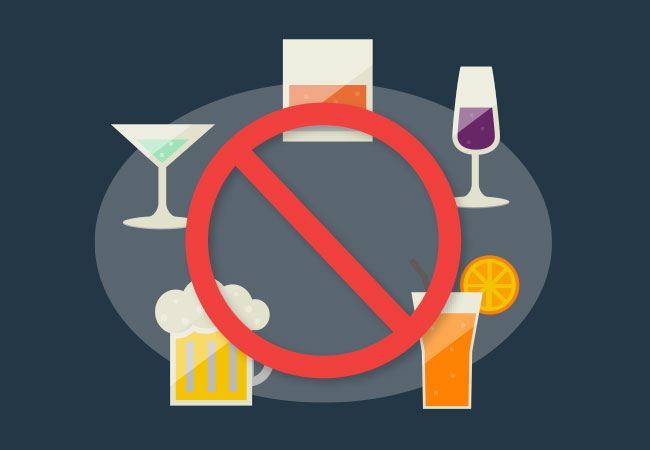
Done With Alcohol? Here’s How To Stop Drinking

Set a date, avoid triggers, and get help and support along the way

Looking to take on a sobriety challenge, like Dry January? Or maybe it’s a pregnancy that made you realize it’s time to stop drinking. Or maybe you’re just looking to improve your health, wake up hangover-free and give your liver (and your heart) a break. 

Whatever your reason to quit drinking, know that you’re doing yourself a favor. Alcohol impacts our sleep, relationships, weightrisk for serious chronic conditions and more.  

“Increasingly, I’m hearing from a lot of people who don’t necessarily have alcohol use disorder but who realize that they feel better when they drink less or stop drinking altogether,” says addiction psychiatrist David Streem, MD.

But you probably have questions about how to quit drinking. Is it better to wean off gradually? Go cold turkey? How will you keep up a sober lifestyle? 

Whether you’re sober curious, know for sure you’re ready to quit, or fall somewhere in between, Dr. Streem shares advice for how to stop drinking. If you’re living with alcohol use disorder (also known as alcoholism), you’ll likely benefit from additional medical interventions. We’ll talk about that, too. 

Tips for quitting alcohol 

When you consider how to go about giving up alcohol, account for factors like how much you drink and your reasons for drinking. 

“At its core, quitting drinking is a behavioral change,” Dr. Streem says. “It’s about breaking a habit and starting new habits.” 

But if you’re living with alcohol use disorder, drinking is more than a habit. It’s a medical condition. People with alcohol use disorder can’t stop drinking even when it causes problems, like emotional distress or physical harm to themselves or others. 

“If you drink every day — if you crave alcohol and have a compulsion to continue drinking even when the effects of alcohol are obvious — it’s best to seek medical treatment rather than stop drinking on your own,” Dr. Streem advises. “In many cases, it may not be safe for someone with alcohol use disorder to stop drinking without professional support, and you’re less likely to be successful on your own, too.” 

1. Understand your relationship with alcohol 

In order to change your drinking habits, your first step is to take a close look at your current behaviors and find patterns.

Dr. Streem suggests starting with the World Health Organization’s Alcohol Use Disorders Identification Test (AUDIT). It can be a particularly helpful way to help you get a clearer understanding of your drinking habits and your relationship with alcohol. It’s a 10-question screening test that gives you research-backed, personalized advice for quitting or reducing your intake of alcohol. 

Making lists can help, too. Ask yourself questions like: 

  • How often am I drinking? And how much at a time? 
  • In what situations or moods am I more likely to drink?  
  • Who do I typically drink with? 
  • What days and times of day am I most likely to drink? 
  • Why do I drink? 
  • How is alcohol affecting my life? My health? My relationships? My work? 

Laying it all out in black and white can take time and some serious self-examination. That’s OK. Understanding your habits and your motivations to quit drinking can help you understand the change you’re making in your life and reinforce why it’s important.

2. Set a date (and stick to it) 

Dr. Streem says that if your goal is to stop drinking altogether, you’re more likely to have success quitting all at once, rather than weaning off alcohol. But that advice changes if you’re living with alcohol use disorder.  

“If a person with alcohol use disorder stops drinking suddenly, it can be dangerous,” Dr. Streem reiterates. “If you’re choosing to quit drinking for your health or for other reasons, though, you have a better chance of success if you choose a date to quit and don’t look back.”  

He suggests setting a concrete start date for when you’ll quit drinking. Leading up to that date, talk with your family, friends and other important people in your life. Tell them your plan and ask for their support as you make this life change. 

3. Be aware of your triggers 

We all become conditioned to have certain responses to triggers throughout our lives. It’s normal for certain stimuli to cause a reaction in your mind and body without even being aware of it.  

You smell a pot of chili simmering on the stove and then suddenly feel ravenously hungry. You feel your phone vibrate and then anxiously reach to see who texted. Even dogs do it — you say “walk” and they high-tail it to get their leash. 

Drinking works in a similar way, Dr. Streem says. You can become conditioned to reach for a drink when your environment offers up certain cues. 

So, when you’re trying to quit drinking, steering clear of triggers will help. 

There’s a saying in the Alcoholics Anonymous (AA) community that sums up the triggers that can derail sobriety: “people, places and things.” And it’s not only people in recovery from alcohol use disorder who are well-advised to avoid drinking triggers when trying to quit. 

People: If there are certain friends or other people in your life that you typically drink with, you may want to take some time away from them while you’re working on creating new, sober habits. At least, let them know your intentions to quit drinking so they can be supportive. 

Places: Here’s another AA saying: “If you hang out in a barbershop long enough, you’re going to get a haircut.” In other words, if you go places where the alcohol is flowing — like bars or house parties — chances are, you’re going to drink. It’s almost inevitable. When you’re cutting alcohol out of your life, you’re best off if you can avoid places where alcohol is abundant. 

Things: As you prepare for the date you set to quit drinking, Dr. Streem advises getting rid of all alcohol and drinking accessories (wineglasses, tumblers, flasks, cocktail recipes and so on) — the ol’ “out of sight, out of mind” technique. These physical reminders of drinking can prompt a trigger response that can be counterproductive to your goal of quitting drinking. 

4. Find community 

A sober life doesn’t have to mean more time at home as you try to block out triggers. It can mean more time for your other interests, and even new interests. More time to meet new people, catch up with old friends and try new things.  

Try these alcohol-free ways to enjoy time with new (and old) friends: 

  • Suggest going for a bike ride with a co-worker instead of hitting up happy hour. 
  • Catch up with friends at a coffee shop instead of a club. (It’s easier to have a conversation that way, too!) 
  • Enroll in a class: Try ballroom dancing, knitting, creative writing … whatever piques your interest.  
  • Join a volunteer group. 

5. Consider professional support 

Talk therapy is an important part of treatment for alcohol use disorder, but Dr. Streem says just about anyone who is making a life change, like quitting drinking, can benefit from therapy. 

“You may learn things about yourself and about your relationship to this substance that you never even thought about,” he adds. 

Therapy can help you understand why you drink and learn new habits so you can live a healthy lifestyle that doesn’t rely on alcohol as a crutch. It can also help you gain a new perspective as you consider how your life will change without alcohol.

6. Check in with your body for signs of detox 

If your body is used to a certain amount of alcohol, you may feel certain effects when you stop. How you feel when you stop drinking is largely based on how often and how heavily you drink. People who only drink occasionally probably won’t notice any physical or psychological symptoms. If you drank heavily, you may have some mild symptoms. People who have a severe reaction to quitting alcohol should seek emergency treatment. 

Emotionally, you may feel some anxiety or sadness about ending a chapter of your life and nervousness about the future. You may feel irritable or have trouble thinking clearly.  

Physically, people who drink heavily may experience some mild symptoms like:  

  • Headaches. 
  • Clammy skin. 
  • Trouble sleeping. 
  • Nausea or lack of appetite. 
  • Shakiness.    

Again, severe alcohol withdrawal symptoms, including pain, passing out, hallucinations and more may be a sign that you’re living with alcohol use disorder and should seek professional medical intervention before quitting alcohol. 

Recognize the signs of alcohol use disorder 

If you’re living with alcohol use disorder, quitting drinking is important for your health. But quitting on your own can pose risks to your health and is unlikely to be successful. Rehabilitation facilities can help you on your path to sobriety by addressing alcohol withdrawal symptoms and becoming involved in sober living support groups, like AA. 

But Dr. Streem knows that it can be hard to recognize signs of alcohol abuse in ourselves. Often, people with alcohol use disorder find that other people in their lives spot their addiction long before they do.  

“If there are people around you who are encouraging you to make this change, that should be a big red flag that your alcohol use is problematic,” he says. “People often see us better than we see ourselves, so if someone is telling you that you need to stop drinking, that should be taken seriously.” 

Another clue that can be an indication of an unhealthy relationship with alcohol is if you make “rules” around drinking.  

“If you say things like, ‘I don’t have a drinking problem because I never drink on Mondays,’ or, ‘I only drink X or Y … never Z,’ and so on, that can be an indication of alcohol use disorder,” Dr. Streem says. “Rules are a way of trying to create an illusion of control when you are, in fact, out of control. People who don’t have an alcohol use disorder don’t make rules about drinking. They don’t have to.” 

Other signs of alcohol use disorder include: 

  • Continuing to drink even if it causes distress or harm to you or others. 
  • Drinking more or longer than you planned. 
  • Feeling irritable or cranky when you’re not drinking. 
  • Frequent hangovers. 
  • Getting into dangerous situations when you’re drinking (for example, driving, having unsafe sex or falling). 
  • Giving up activities so you can drink. 
  • Having cravings for alcohol. 
  • Having repeated problems with work, school, relationships or the law because of drinking. 
  • Needing to drink more and more to get the same effect. 
  • Not being able to stop drinking once you’ve started. 
  • Spending a lot of time drinking or recovering from drinking. 
  • Wanting to cut back but not being able to. 
  • Obsessing over alcohol. 

If you’re living with alcohol use disorder, treatment at a medical rehabilitation facility is your best option. Through therapy, support groups and medication, you’ll be supported on your path to recovery. 

FACEBOOK

TWITTER

LINKEDIN

PINTEREST

Email

alcohol alcoholism drinking rehabilitation substance abuse

Cleveland Clinic is a non-profit academic medical center. Advertising on our site helps support our mission. We do not endorse non-Cleveland Clinic products or services. 

How Alcohol Affects Your Heart @ClevelandClinic

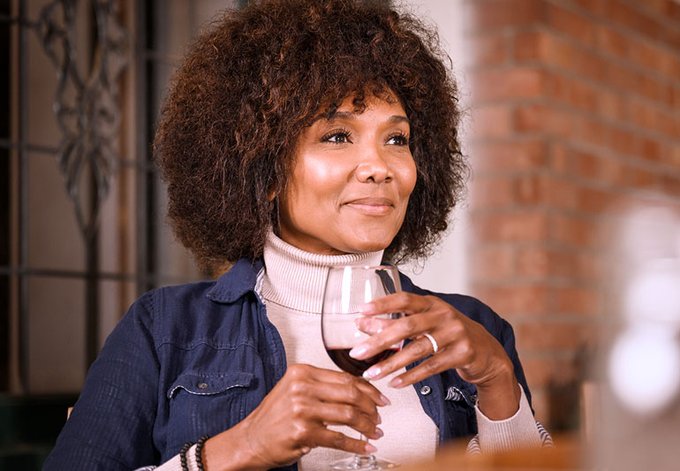
You likely know that drinking alcohol too often or to excess isn’t a good idea, health-wise. But when it comes to alcohol and heart health, you may have heard different sides. Is drinking all that bad for your heart? Can a glass of wine help reduce your risk of heart disease — or make it worse? 

First things first: If you drink alcohol, you should do so in moderation to avoid alcohol-related heart issues. And you should never intentionally use alcohol to try to reduce your risk of heart disease. 

To further explore the relationship between your ticker and your favorite glass of merlot or IPA, we chatted with cardiologist Leslie Cho, MD.

Ways alcohol can impact heart health

Here are some of the effects of alcohol on your heart:

Increased heart rate

One of the most important things your heart does is keep a rhythm. On average, a regular heart rate is about 60 to 100 beats per minute when your body is at rest. But alcohol can lead to your heart rate temporarily jumping up in speed, and if it goes over 100 beats per minute, it can cause a condition called tachycardia. Too many episodes of tachycardia could lead to more serious issues like heart failure or going into irregular rhythms, which can cause heart attack and stroke.

Raises blood pressure

That fourth drink at the bar may feel like it’s relaxing you, but it’s actually affecting your body differently than you might think. Alcohol can affect your blood pressure, causing it to go up temporarily. This is especially true when you engage in binge drinking (that’s defined as four or more drinks within two hours for women and people assigned female at birth, and five or more drinks within two hours for men and people assigned male at birth).

And sure, we’ve all had a night here or there where we’ve had one too many and we know it. But it’s important to make sure those nights of overindulgence are the exception and not the rule. If you’re not sure, make a note to tune into how much you’re having over the course of the next month or so. If it’s more than recommended, try to consciously pace your drinking to help reduce the spike in your blood pressure that excessive alcohol causes. 

And if you have a history of high blood pressure, it’s best to avoid alcohol completely or drink only occasionally, and in moderation. 

Irregular heartbeat

Whether it’s a glass of red wine with your turkey or toasting champagne for the new year, alcohol definitely becomes more present during the holiday season. And while enjoying celebratory spirits in moderation is alright for most people, it’s important to be aware you can fall victim to holiday heart syndrome if you overdo it. This is when overeating and overindulging in alcohol lead to an irregular heartbeat.

Holiday heart syndrome can happen if you don’t typically drink alcohol, but then have a few at a holiday party or if you binge drink. This can cause you to develop an irregular heartbeat, called atrial fibrillation, which can increase your risk of strokeheart attack and heart failure.

Prolonged drinking can cause alcoholic cardiomyopathy

The short-term effects of alcohol (headache, nausea, you know the rest) are easy to pinpoint. But there are ways that alcohol affects your body over time that are important to understand. One of the long-term effects of alcohol on your heart is alcoholic cardiomyopathy. This is when your heart-pumping function gets weaker and your heart gets larger due to changes from heavy alcohol use over a long period of time.

OK, don’t panic. If you’re an occasional drinker, there’s no cause for worry. But it may be worthwhile learning about what counts as binge drinking and whether or not you may be drinking too much and don’t even know it.

Is some level of alcohol safe or beneficial?

It’s true, red wine is a better choice than hard liquor. But can a trip to the wine bar boost your heart health?

You should never consider wine or any other alcohol as a way to lower your heart disease risk. And, in fact, the study also showed that drinking one or fewer drinks per day was related to the lowest likelihood of dying from a stroke. However, Dr. Cho points out that more recent data shows that there may be no amount of alcohol that is truly safe. “The myth that wine is beneficial for heart health is no longer true,” she states.

“It’s not a good idea to start drinking alcohol in an effort to lower your risk of heart disease,” Dr. Cho continues. “It’s better not to drink any alcohol at all.” 

The American Heart Association recommends the same. 

Other factors to keep in mind

It’s also important to know that the ways in which alcohol affects your heart will vary from person to person, depending on your age and other conditions you may have.

Age

Let’s face it, a hangover in your mid-40s doesn’t feel the same as one in your early 20s. This is because your age plays a factor in how well you tolerate alcohol. While some people develop a tolerance to alcohol over time, this isn’t true for everyone — and this ability doesn’t last forever, Dr. Cho notes.

“As we get older, our ability to clear alcohol definitely decreases and our sensitivity to alcohol probably increases,” she explains. “Also as we get older, we end up having more diseases, so we could be on medicines that can interfere with the way our bodies metabolize alcohol.”

Other medical conditions

In many ways, your medical history (and present) can tell you a lot about your future with alcohol. That means, if you’re living with other medical conditions and/or taking certain medications, this will all have an impact on how alcohol affects you.

“Certain health conditions can make drinking alcohol more dangerous,” Dr. Cho says.

For example, some people who are on cholesterol-lowering medicines may experience muscle aches when they drink alcohol. Because alcohol and cholesterol medicine both are processed through your liver, they are, in a sense, competing for clearance. So, it’s important to think about your overall health and talk to a healthcare provider about your personal risk factors.

“Alcohol is made out of sugar,” Dr. Cho points out. “So, if you’re predisposed to diabetes or if high triglycerides are one of your issues, it’s not a good idea to drink alcohol.”

Dr. Cho also warns that if you have liver dysfunction or take other medicines that are processed through the liver, your risks might be different. Talk to your healthcare provider about how alcohol might interact with your prescription medicines.

The last thing you want is for that casual drink after work or glass of wine at dinner to negatively impact your heart health. There’s a way to have a healthy, balanced relationship with alcohol that lets you enjoy a drink occasionally and celebrate with friends and family. But your heart is an important organ that should also be cared for, so be sure to drink in moderation, learn about binge drinking and know what your body can (and can’t) tolerate before opening that tab.FACEBOOKTWITTERLINKEDINPINTERESTEmailalcoholalcohol and healthalcoholic beveragesbinge drinkingheart health