Skip to content
Healthaware

Healthaware

Health is Wealth

  • Home

Tag: Cleveland Clinic

Posted on August 30, 2024

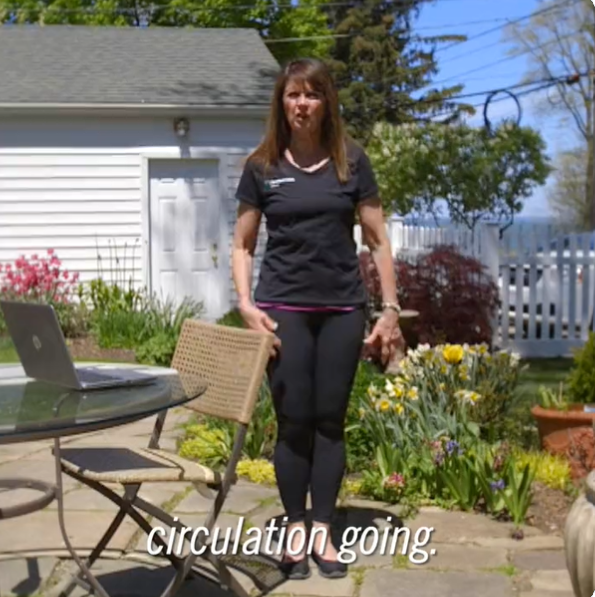
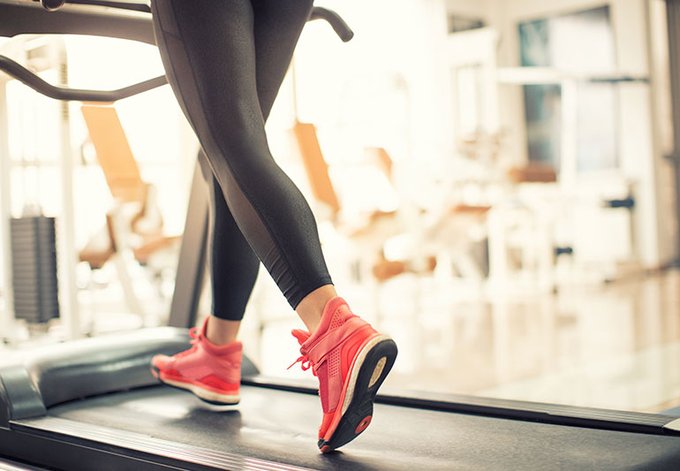
Starting a Workout Routine – Tips to start moving and grooving @ClevelandClinic #physicalactivity


Exercise
 is a vital part of a healthy lifestyle. But if you’ve gotten out of the habit of being active — or have never found an exercise routine that works — it might feel like an impossible task to get started.
Luckily, it’s never too late to figure out a workout routine. Here’s how to start exercising — and tips to stay motivated when all you want to do is hang out on the couch instead.
What should I include in my exercise program?
Every exercise session should include a warm-up, a conditioning phase and a cool-down phase.
The warm-up
In a nutshell, a warm-up helps your body adjust slowly from rest to exercise. Making this part of your routine reduces the stress on your heart and muscles, and slowly increases your breathing, circulation (heart rate) and body temperature. A warm-up can also help improve your flexibility and reduce muscle soreness.
The best warm-up includes stretching, range of motion activities and beginning the activity at a low-intensity level.
Conditioning phase
The conditioning phase follows the warm-up and is the time when you’re burning calories and moving and grooving.
During the conditioning phase, you should monitor the intensity of your activity. The intensity is how hard you’re exercising, which can be measured by checking your heart rate.
Over time, you can work on increasing the duration of the activity. The duration is how long you exercise during one session.
Cool-down phase
The cool-down phase is the last phase of your exercise session. It allows your body to gradually recover from the conditioning phase. Your heart rate and blood pressure will return to near-resting values.
However, a cool down does not mean to sit down. In fact, for safety reasons, don’t sit, stand still or lie down right after exercise. This might cause you to feel dizzy, lightheaded or have heart palpitations (fluttering in your chest).
The best cool down is to slowly decrease the intensity of your activity. You might also do some of the same stretching activities you did in the warm up.
General exercise guidelines
In general, experts recommend doing a five-minute warm up, including stretching exercises, before any aerobic activity, and include a five- to 10-minute cool down after the activity. Stretching can be done while standing or sitting.
Here are some other things to keep in mind when starting a workout routine:
Determine the best exercise routine for your lifestyle
Not everybody likes to hop out of bed in the morning and go for a run. Figuring out a routine that fits your lifestyle can help you be more successful.
Here are some questions you can think about before choosing a routine:
What physical activities do I enjoy?
Do I prefer group or individual activities?
What programs best fit my schedule?
Do I have physical conditions that limit my choice of exercise?
What goals do I have in mind?
(These might include losing weight, strengthening muscles or improving flexibility, for example.)
Don’t try and exercise too much too fast
Gradually increase your activity level, especially if you haven’t been exercising regularly. Guidelines around how often to exercise also differ depending on your age, any health conditions you have and your fitness history.
Set big and small goals — and be specific
If you’re looking to reach a particular goal, exercise specialist Ben Kuharik suggests setting mini goals to achieve along the way. This ensures your motivation stays strong over the long haul.
Setting a specific goal is also important. “For example, if you want to lose some weight, it’s hard to be motivated or stick to a plan,” he says. “That’s because you don’t have the excitement in knowing you are getting closer to achieving it.”
Having smaller goals or milestones to reach in between the big ones keeps you on track. “If you want to lose 8 pounds in two months — and you set a mini goal of losing 1 pound a week in the process — you get the sense of accomplishment that reaffirms your efforts,” Kuharik says. “And this can snowball into achieving even greater goals.”
This also applies if you fall short of your goal. “If you only lose 7 pounds in two months, you’re still 7 pounds down than when you started,” Kuharik affirms. “You’ll feel great about the progress you’ve already made.”
Schedule exercise into your daily routine
Plan to exercise at the same time every day, such as in the mornings when you have more energy or right after work. Add a variety of exercises so you don’t get bored.
Where exercise is concerned, something is also always better than nothing. “Not every day will go as planned,” Kuharik notes. “If you unexpectedly have a tight schedule or are even just having an off day, doing half of your planned workout that day is much more rewarding and beneficial than skipping it altogether.”
Exercise at a steady pace
Keep a pace that allows you to still talk during the activity. Be sure not to overdo it! You can measure the intensity of your exercise using the Rated Perceived Exertion (RPE) scale. The RPE scale runs from 0 to 10 and rates how easy or difficult you find an activity.
For example, 0 (nothing at all) would be how you feel when sitting in a chair; 10 (very, very heavy) is how you feel at the end of an exercise stress test or after a very difficult activity. In most cases, you should exercise at a level that feels 3 (moderate) to 4 (somewhat heavy).
Keep an exercise record
Keep a record of how much and when you exercise. This can help you look at goal-setting, as well as get a sense of how much activity you’re doing in a given week.
Time your eating and drinking properly
Wait at least one and a half hours after eating a meal before exercising. When drinking liquids during exercise, remember to follow any fluid restriction guidelines you might have.
Only buy what you need
Exercise doesn’t have to put a strain on your wallet. Avoid buying expensive equipment or health club memberships unless you’re sure you’ll use them regularly. But you’ll want to dress for the weather (if working out outside) and wear protective footwear. Sneakers are the one thing you should prioritize, as you want to make sure your feet are protected.
Stick with it
If you exercise regularly, it’ll soon become part of your lifestyle. Make exercise a lifetime commitment. Finding an exercise “buddy” can also help you stay motivated.
Don’t forget to have fun
Exercising should be fun and not feel like a chore. “Consistency is key — but to do something consistently, it’s important to find a way to enjoy it,” Kuharik says.
So, above all, choose an activity you enjoy! You’ll be more likely to stick with an exercise program if you don’t dread working out.
“Try to look at exercise as an opportunity to get away from stress, clear your mind and leave nagging thoughts at the door,” Kuharik encourages. “With this in mind, over time, you will look forward to giving your mind a break and feeling good after a great workout session!”
Exercise: Where To Start
You should always talk to your doctor before starting an exercise routine. Together, you can figure out a plan to ease into regular physical activity.
And walking and climbing stairs are two easy ways to start an exercise program.
Walking guidelines
Start with a short walk. See how far you can go before you become breathless. Stop and rest whenever you’re short of breath.
Count the number of steps you take while you inhale. Then exhale for twice as many steps. For example, if you inhale while taking two steps, exhale through pursed lips while taking the next four steps. Learn to walk so breathing in and exhaling out become a habit once you find a comfortable breathing rate.
Try to increase your walking distance. When setting specific goals, you might find you can go farther every day. Many people find that an increase of 10 feet a day is a good goal.
Set reasonable goals. Don’t walk so far that you can’t get back to your starting point without difficulty breathing. Remember, if you’re short of breath after limited walking, stop and rest.
Never overdo it. Always stop and rest for two or three minutes when you start to become short of breath.
Stair climbing
Hold the handrail lightly to keep your balance and help yourself climb.
Take your time.
Step up while exhaling or breathing out with pursed lips. Place your whole foot flat on each step. Go up two steps with each exhalation.
Inhale or breathe in while taking a rest before the next step.
Going downstairs is much easier. Hold the handrail and place each foot flat on the step. Count the number of steps you take while inhaling, and take twice as many steps while exhaling.
Whichever activity you choose, remember, even a little exercise is better than none!

FACEBOOK
TWITTER
LINKEDIN
PINTEREST

Email
aerobic exercise exercise exercise and heart health exercise plan moderate exercise
Posted on August 26, 2024

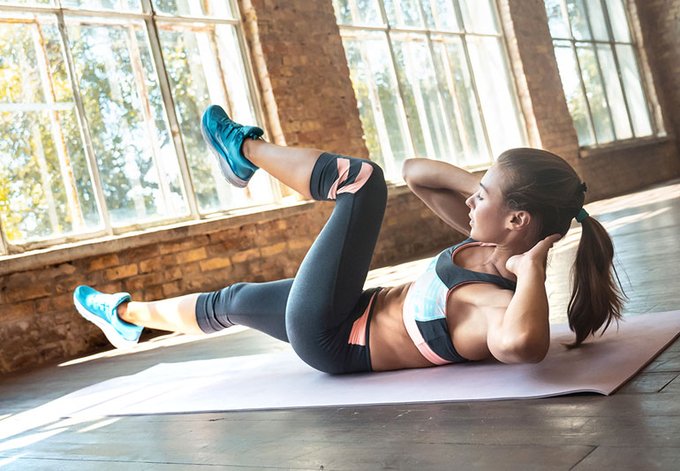
Looking to firm up your abs and strengthen your core? @ClevelandClinic

health.clevelandclinic.org
Try These Ab Workouts to Strengthen Your Core
Break a sweat with these ab exercises

Posted on August 25, 2024

Judi Bar shares stretches you can do wherever you are @ClevelandClinic #yoga

Taking short breaks throughout the day is beneficial for your mental health.
Cleveland Clinic Yoga Program Manager, Judi Bar, shares stretches you can do wherever you are. #NationalYogaMonth pic.twitter.com/hIdb9GQkQO

— Cleveland Clinic (@ClevelandClinic) September 13, 2022
Posted on August 15, 2024

A delicious Greek appetizer with our healthier twist! @ClevelandClinic #spanakopitas

This savory Greek appetizer is usually made with a lot of butter and a lot of feta cheese, which is delicious, but not really heart-healthy. Our just-as-delicious recipe offers a lighter, heart-healthier alternative!

Ingredients

  • Olive oil cooking spray
  • 1 small onion, minced
  • One 10-ounce package frozen, chopped spinach
  • 1/3 cup crumbled reduced-fat feta cheese
  • 1/4 cup 1% cottage cheese
  • 1/8 teaspoon ground nutmeg
  • 1 1/2 tablespoons chopped fresh dill
  • Freshly ground pepper
  • 1 tablespoon egg substitute
  • 5 sheets frozen phyllo dough, thawed
  • Refrigerated butter-flavored cooking spray

Directions

  1. Preheat the oven to 350 F. Coat a baking sheet with olive oil cooking spray.
  2. Coat a large nonstick skillet with olive oil cooking spray. Add the onion and spinach; saute over medium-high heat until the spinach is thawed and the onion begins to wilt, 8 to 10 minutes. Stir frequently to break up clumps of spinach. Add the feta and cottage cheese along with the nutmeg, dill, pepper and egg substitute; mix well. Remove from heat and cool for 5 minutes.
  3. Cut the phyllo dough into four lengthwise strips, covering the dough you’re not using with a damp tea towel so it doesn’t dry out. Coat each strip with the butter-flavored spray. Place a tablespoon of spinach mix on top of a strip of dough and fold over to make a triangle; continue folding over as if folding a flag. Place on the prepared baking sheet. Repeat, using all the remaining phyllo and filling. Coat each triangle with the butter-flavored spray. Bake for about 20 minutes, until browned. Serve warm.

Nutrition information (per serving)

Makes 20 pieces (10 servings/2 pieces serving)

Calories: 50
Total fat: 1.5 g
Protein: 3 g
Carbohydrate: 7 g
Dietary fiber: 0 g
Cholesterol: 0 mg
Sodium: 180 mg
Potassium: 60 mg

— Cleveland Clinic Healthy Heart Lifestyle Guide and Cookbook (© 2007 Broadway Books).

Posted on August 14, 2024

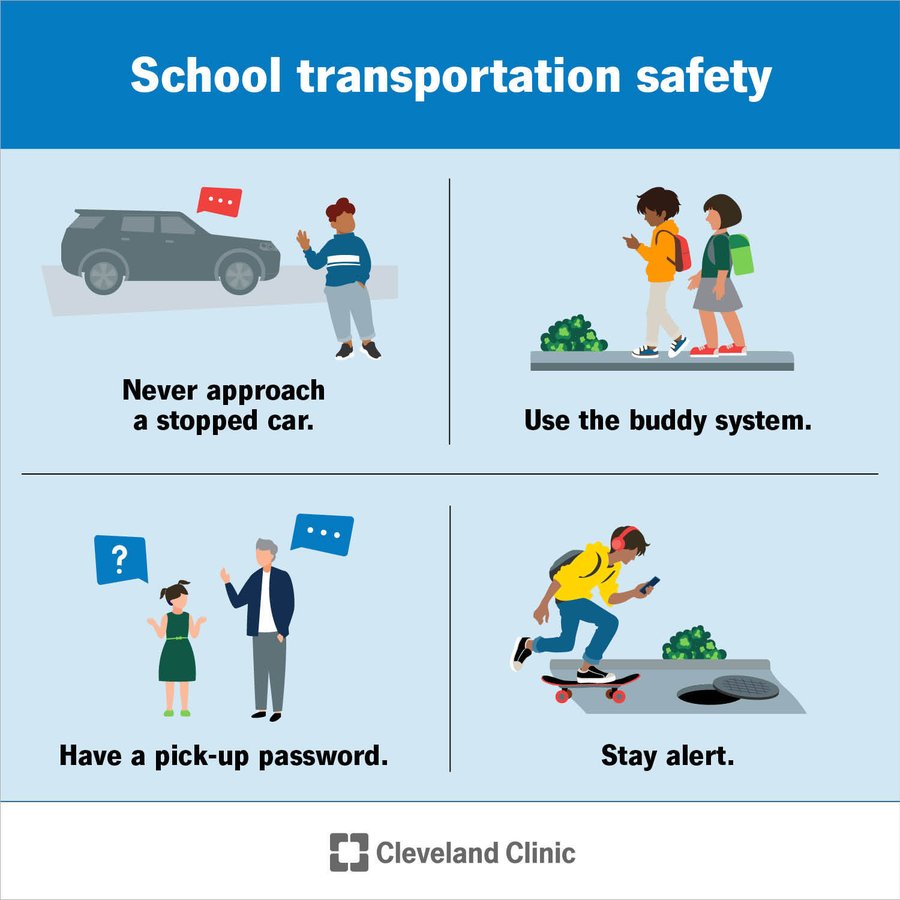
No matter how your child gets to and from school, you want to make sure they remember these four safety basics.

Image

Posted on August 13, 2024

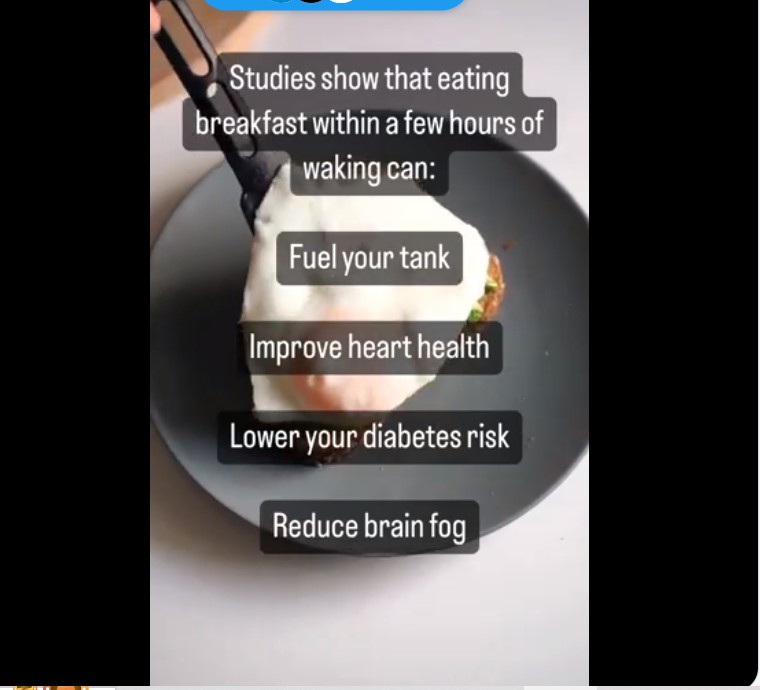
Eating a variety of nutritious foods can help you feel fuller longer and carry you through to lunch. @ClevelandClinic #Breakfast

The term “breakfast” means breaking the fast. And at some point in our day, all of us do that, whether it’s at 7 a.m. or noon. Ideally, the recommendation is to put some food in your belly within two hours of getting up for the day.

To keep your eyes from going half-mast by 10… pic.twitter.com/yqirYsxd8I

— Cleveland Clinic (@ClevelandClinic) March 11, 2024
Posted on August 8, 2024December 22, 2024

Why Your Face Gets Beet Red When You Drink @ClevelandClinic #inflammation

It may come on in those first few sips of alcohol. Or maybe you’re hit with a hot flash whenever you’re a few drinks in. But whenever you drink, you seem to experience a sudden sensation of warmth, and your face, neck and upper chest become covered in red patches and blotchy skin.

Is facial flushing a sign that you can’t handle your alcohol? Or is this a symptom of something more severe? Dermatologist Alok Vij, MD, explains just what causes facial flushing, along with some truth behind some common misconceptions.

What causes your face to turn red when you drink alcohol?

There are a couple of different root causes for facial flushing. More technically termed the “alcohol flush reaction,” this occurs because your body either can’t fully digest the alcohol you’re consuming or because your body is having an inflammatory response to drinking alcohol.

“Your face may flush from alcohol for two reasons: Because of an enzyme deficiency or because of rosacea,” says Dr. Vij. “Both are tied to your ethnicity.”

Enzyme deficiency

Many Asian populations, specifically 35% to 45% of East Asians, have a deficiency in alcohol dehydrogenase, the enzyme that breaks down a specific substance in alcohol called acetaldehyde.

“Alcohol is toxic to cells, and when it gets into the cells of your blood vessels, it makes them dilate,” explains Dr. Vij. “This reddens the skin and can make you feel warm.”

But without enough of this enzyme, you can end up having too much acetaldehyde in your body, and this makes alcohol reach toxic levels much earlier in your cells. This results in your skin becoming flushed.

Rosacea

Fair-skinned people of Northern European backgrounds who flush when they drink may have some degree of rosacea.

“This very common skin condition is marked by vasomotor instability or hyperactivity,” Dr. Vij explains further. “That means lots of things can dilate your blood vessels: alcohol, chocolate, hot beverages and spicy foods — basically, all the good things in life.”

Should I be worried?

You may be asking yourself this question if you’ve ever experienced facial flushing. On the surface, facial flushing might feel cosmetically embarrassing at most and may not come with any other dangerous symptoms. For those with an enzyme deficiency, facial flushing can occasionally be experienced with increased onset of nausea or vomiting because of your body’s inability to fully digest the alcohol you’re consuming.

For the most part, these factors are mostly harmless. But because alcohol is a cellular toxin, anyone who drinks excessively increases their risk for oral cancer and esophageal cancer.

“Alcohol most frequently passes through these sites,” states Dr. Vij. “Toxicity and DNA damage can build up in cells and, eventually, a cancer can form.”

But recent studies report that those who get an alcohol flush because of an enzyme deficiency are also at heightened risk of digestive, liver and respiratory cancers. These populations are more vulnerable to alcohol’s toxicity, as it’s processed and later eliminated in:

  • Your gastrointestinal (GI) tract, especially your stomach, where alcohol is absorbed.
  • Your liver, where alcohol is sent after it’s absorbed by your stomach.
  • Your lungs, where alcohol in your blood is released in your breath.

Is rosacea linked to cancer?

“We don’t think of rosacea as a precancerous disease,” Dr. Vij clarifies. “The biggest problems rosacea causes are a bulbous nose, like W.C. Fields had, and eye inflammation.”

(It was rosacea — not alcoholism — that made the storied comedian’s nose look large, red and bumpy, because of an overgrowth of the sebaceous glands, Dr. Vij adds.)

In addition, rosacea can make your eyes feel itchy, dry and chronically irritated. These eye symptoms can be managed with anti-inflammatory medication.

“We typically prescribe oral antibiotics like doxycycline or minocycline, often at lower doses than are required to kill bacteria,” he continues.

How to prevent facial flushing when drinking

If an alcohol flush makes you feel self-conscious when you drink, certain treatments can help:

  • Topical medications: Medicines like brimonidine (Mirvaso®) can block blood vessels in your skin from dilating.
  • Laser treatments: A series of laser treatments can shrink the superficial blood vessels in your skin. “You usually need three to 10 treatments to get the full effect, but it can last for years, and prevent broken blood vessels in the later stages of rosacea,” notes Dr. Vij.

But because these medications and laser treatments are considered cosmetic, they aren’t typically covered by insurance.

Are some types of alcohol more likely to cause flushing?

So, if your face flushes, are specific kinds of alcohol to blame? And can you avoid some but not others as an at-home treatment approach to facial flushing?

“It’s really patient-specific. Some people with rosacea flush more with red wine; others flush more with hard liquor,” says Dr. Vij.

If you have rosacea and keep track of what happens when you drink, you may be able to find your triggers. But if facial flushing is an issue for you at all, avoiding alcohol in all its forms might be the next best and most equitable solution.

“If flushing bothers you, and you know alcohol is a trigger, the easiest and most cost-effective solution is to avoid it,” suggests Dr. Vij.

Posted on August 1, 2024

How Alcohol Affects Your Heart @ClevelandClinic #heartaware

You likely know that drinking alcohol too often or to excess isn’t a good idea, health-wise. But when it comes to alcohol and heart health, you may have heard different sides. Is drinking all that bad for your heart? Can a glass of wine help reduce your risk of heart disease — or make it worse? 

First things first: If you drink alcohol, you should do so in moderation to avoid alcohol-related heart issues. And you should never intentionally use alcohol to try to reduce your risk of heart disease. 

To further explore the relationship between your ticker and your favorite glass of merlot or IPA, we chatted with cardiologist Leslie Cho, MD.

Ways alcohol can impact heart health

Here are some of the effects of alcohol on your heart:

Increased heart rate

One of the most important things your heart does is keep a rhythm. On average, a regular heart rate is about 60 to 100 beats per minute when your body is at rest. But alcohol can lead to your heart rate temporarily jumping up in speed, and if it goes over 100 beats per minute, it can cause a condition called tachycardia. Too many episodes of tachycardia could lead to more serious issues like heart failure or going into irregular rhythms, which can cause heart attack and stroke.

Raises blood pressure

That fourth drink at the bar may feel like it’s relaxing you, but it’s actually affecting your body differently than you might think. Alcohol can affect your blood pressure, causing it to go up temporarily. This is especially true when you engage in binge drinking (that’s defined as four or more drinks within two hours for women and people assigned female at birth, and five or more drinks within two hours for men and people assigned male at birth).

And sure, we’ve all had a night here or there where we’ve had one too many and we know it. But it’s important to make sure those nights of overindulgence are the exception and not the rule. If you’re not sure, make a note to tune into how much you’re having over the course of the next month or so. If it’s more than recommended, try to consciously pace your drinking to help reduce the spike in your blood pressure that excessive alcohol causes. 

And if you have a history of high blood pressure, it’s best to avoid alcohol completely or drink only occasionally, and in moderation. 

Irregular heartbeat

Whether it’s a glass of red wine with your turkey or toasting champagne for the new year, alcohol definitely becomes more present during the holiday season. And while enjoying celebratory spirits in moderation is alright for most people, it’s important to be aware you can fall victim to holiday heart syndrome if you overdo it. This is when overeating and overindulging in alcohol lead to an irregular heartbeat.

Holiday heart syndrome can happen if you don’t typically drink alcohol, but then have a few at a holiday party or if you binge drink. This can cause you to develop an irregular heartbeat, called atrial fibrillation, which can increase your risk of stroke, heart attack and heart failure.

Prolonged drinking can cause alcoholic cardiomyopathy

The short-term effects of alcohol (headache, nausea, you know the rest) are easy to pinpoint. But there are ways that alcohol affects your body over time that are important to understand. One of the long-term effects of alcohol on your heart is alcoholic cardiomyopathy. This is when your heart-pumping function gets weaker and your heart gets larger due to changes from heavy alcohol use over a long period of time.

OK, don’t panic. If you’re an occasional drinker, there’s no cause for worry. But it may be worthwhile learning about what counts as binge drinking and whether or not you may be drinking too much and don’t even know it.

Is some level of alcohol safe or beneficial?

It’s true, red wine is a better choice than hard liquor. But can a trip to the wine bar boost your heart health?

You should never consider wine or any other alcohol as a way to lower your heart disease risk. And, in fact, the study also showed that drinking one or fewer drinks per day was related to the lowest likelihood of dying from a stroke. However, Dr. Cho points out that more recent data shows that there may be no amount of alcohol that is truly safe. “The myth that wine is beneficial for heart health is no longer true,” she states.

“It’s not a good idea to start drinking alcohol in an effort to lower your risk of heart disease,” Dr. Cho continues. “It’s better not to drink any alcohol at all.” 

The American Heart Association recommends the same. 

Other factors to keep in mind

It’s also important to know that the ways in which alcohol affects your heart will vary from person to person, depending on your age and other conditions you may have.

Age

Let’s face it, a hangover in your mid-40s doesn’t feel the same as one in your early 20s. This is because your age plays a factor in how well you tolerate alcohol. While some people develop a tolerance to alcohol over time, this isn’t true for everyone — and this ability doesn’t last forever, Dr. Cho notes.

“As we get older, our ability to clear alcohol definitely decreases and our sensitivity to alcohol probably increases,” she explains. “Also as we get older, we end up having more diseases, so we could be on medicines that can interfere with the way our bodies metabolize alcohol.”

Other medical conditions

In many ways, your medical history (and present) can tell you a lot about your future with alcohol. That means, if you’re living with other medical conditions and/or taking certain medications, this will all have an impact on how alcohol affects you.

“Certain health conditions can make drinking alcohol more dangerous,” Dr. Cho says.

For example, some people who are on cholesterol-lowering medicines may experience muscle aches when they drink alcohol. Because alcohol and cholesterol medicine both are processed through your liver, they are, in a sense, competing for clearance. So, it’s important to think about your overall health and talk to a healthcare provider about your personal risk factors.

“Alcohol is made out of sugar,” Dr. Cho points out. “So, if you’re predisposed to diabetes or if high triglycerides are one of your issues, it’s not a good idea to drink alcohol.”

Dr. Cho also warns that if you have liver dysfunction or take other medicines that are processed through the liver, your risks might be different. Talk to your healthcare provider about how alcohol might interact with your prescription medicines.

The last thing you want is for that casual drink after work or glass of wine at dinner to negatively impact your heart health. There’s a way to have a healthy, balanced relationship with alcohol that lets you enjoy a drink occasionally and celebrate with friends and family. But your heart is an important organ that should also be cared for, so be sure to drink in moderation, learn about binge drinking and know what your body can (and can’t) tolerate before opening that tab.FACEBOOKTWITTERLINKEDINPINTERESTEmailalcoholalcohol and healthalcoholic beveragesbinge drinkingheart health

Posted on August 1, 2024

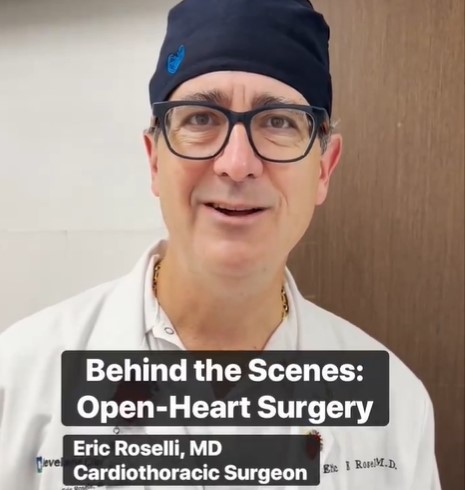
Go inside the operating room for open-heart surgery. Dr. Eric Roselli gives us a behind-the-scenes look at a complex procedure.

Go inside the operating room for open-heart surgery. Dr. Eric Roselli gives us a behind-the-scenes look at a complex procedure. pic.twitter.com/YAqVrVclyQ

— Cleveland Clinic (@ClevelandClinic) July 29, 2024

Square profile picture

Cleveland Clinic

@ClevelandClinic

·

6m

Go inside the operating room for open-heart surgery. Dr. Eric Roselli gives us a behind-the-scenes look at a complex procedure.

Posted on July 25, 2024

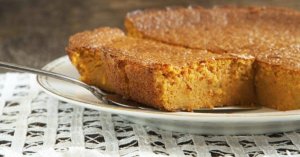
Try our lighter carrot cake recipe.@clevelandclinic #homebaking

Try our lighter carrot cake, which the entire family will love. It has just the right texture, like a slightly sweetened, light corn bread. It’s great on its own or with a dollop of frozen whipped topping or nonfat ice cream.

Ingredients

No-stick baking spray with flour
1 cup unbleached all-purpose flour
½ cup whole wheat flour
½ cup granulated sugar substitute
¼ cup packed light brown sugar
¼ cup nonfat dry milk
1 ¼ teaspoons baking soda
1 ½ teaspoons baking powder
1 teaspoon ground cinnamon
¼ teaspoon ground cloves
½ teaspoon ground nutmeg
½ teaspoon ground allspice
¼ cup canola oil
1 large egg
¾ cup egg substitute
1 ½ cups finely grated carrots
2 tablespoons finely chopped walnuts
2 tablespoons golden raisins ƒ
One 6-ounce can unsweetened crushed pineapple, drained ƒ
2 tablespoons confectioners’ sugar, optional

Directions

  1. Preheat the oven to 350ºF. Coat a 10-inch pan with baking spray.
  2. Sift the white and whole wheat flours into a large bowl. Add the sugar substitute, brown sugar, dry milk, baking soda, baking powder and spices. Stir to mix well. Using the medium setting of an electric mixer, beat in the oil, egg and egg substitute until the batter is smooth. Fold in the carrots, walnuts, raisins and pineapple.
  3. Spread the batter into the prepared pan and bake for 30 minutes, until a toothpick inserted in the center of the cake comes out clean. Cool in the pan. Remove the outer ring of the pan and sift confectioners’ sugar over the top, if desired. Serve at room temperature.

Nutrition information

ƒMakes 12 servings.

Serving: 1 slice

Calories: 120 (33% calories from fat) ƒ
Fat: 4.5g ƒ
Saturated Fat: 0g ƒ
Protein: 3g ƒ
Carbohydrates: 17g ƒ
Dietary Fiber: 1g ƒ
Cholesterol: 15mg ƒ
Sodium: 180mg ƒ
Potassium: 125mg

Dietitian’s Note: Never has carrot cake tasted so good, and been so guiltless! When compared to traditional carrot cake with icing, you save 180 calories, 12 grams of fat, and 4 grams of saturated fat. 

May 17, 2016 / By Heart and Vascular Team
Tags: dessert, heart-healthy recipes, Recipes

Posts pagination

Previous page Page 1 … Page 33 Page 34 Page 35 … Page 56 Next page

Tags

  • Alcohol
  • Cleveland Clinic
  • Depression
  • diet
  • exercise
  • Female health
  • fitness
  • Harvard Health
  • Healthaware
  • heartaware
  • heart health
  • nutrition
  • physical activity
  • physiotherapy
  • yoga

Recent Posts

  • 5 Ways to Boost Your Child’s Immune System for Life @ClevelandClinic Adriane Lioudis, MD.
  • Did you know that fruit can be just as sweet as candy? @ClevelandClinic
  • Does honey work to soothe a sore throat and cough? Yes, says family medicine physician Elizabeth Rainbolt, MD.@ClevelandClinic 🍯
  • Measuring how well a person is aging can be as simple as standing on one leg @MayoClinic #neuromuscular
  • Blackrock Health – Womens Health Centre is officially open at 2-5 Warrington Place, Dublin 2!
  • The 5 pillars of longevity: Movement, nutrition, sleep, stress reduction, and social connection. Dr. David Barzilai,Harvard Health
  • Cardiac electrophysiologist Mohamed Kanj, MD, explains why alcohol and atrial fibrillation simply don’t mix.@ClevelandClinic
  • Take care of yourself …
  • Biking is a good way to get your blood flowing..😍😃@ClevelandClinic #hearthealth
  • Olive, Big Cuddly Newfoundland “She doesn’t like the drunk people who try to hug her.” @thedogist
  • A Healthy Protein Guide: What To Eat and Limit: Julia Zumpano RD,LD. @ClevelandClinic #worldeggday
  • The 5 pillars of longevity: Movement, nutrition, sleep, stress reduction, and social connection. Dr. David Barzilai,Harvard Health
  • Recipe: Asparagus Salad With Lemon and Parmesan @ClevelandClinic
  • Movement is life, and physical therapy helps us move better. 💪#physiotherapy
  • Just getting in out of the rain Ballinamore Co.Leitrim @ShaneMcAuliffe1 #Charolais
  • Biking is a good way to get your blood flowing..😍😃@ClevelandClinic #hearthealth
  • The real story behind alcohol and your heart health @HarvardHealth
  • Headaches? Try physical therapy instead of codeine
  • 2026 is the Year of the Cabbage @voguebeauty
  • Short bursts of activity for better cardiovascular health by Katie Lawton MEd @ClevelandClinic
Blog at WordPress.com.
  • Subscribe Subscribed
    Healthaware
    Join 1,705 other subscribers

    Have a WordPress.com account? Log in now.

  • Healthaware
    View site in Reader
    Manage subscriptionsSign upLog in
    Report this content
    Collapse this bar
Loading Comments...