Using virtual reality, the CAREN system creates an immersive environment to safely challenge patients with neurological conditions. With a wrap-around screen and split-belt treadmill, see how we’re using it as a physical therapy tool for those with Parkinson's and more. pic.twitter.com/smGIL1fFJE
Stay hearty and healthy no matter how cold it gets
Skies are gray, clouds are lowering and the temperature is dropping. And with the changing weather usually comes a transition in food, from the lighter fare of summer to more hearty winter meals.
But what’s the best way to make the switch and stay healthy? Should you really switch up your diet that much? And what’s the best way to adapt your meal planning during the coronavirus pandemic so you don’t have to leave your house as much for grocery runs?
To figure out the best way to approach your winter meal planning, we talked to registered dietitian Lisa Burnett, RD, about some important tips and tricks to getting through the long, cold season with your nutrition intact.
The most important nutrients
You’ve probably heard a lot about the need to up your vitamin D intake, especially during the winter. That’s because vitamin D not only is essential to muscle and bone health, deficiency in vitamin D has also been linked to decreased immunity and fatigue. And it’s harder to keep your vitamin D up in winter.
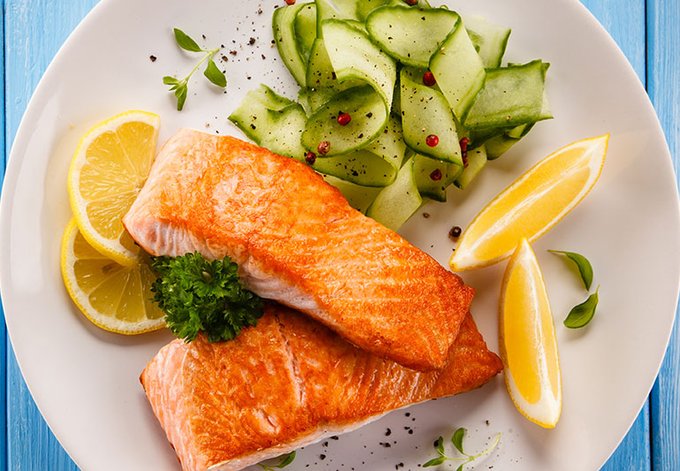
“We’re supposed to get most of our vitamin D from sunlight but there’s less sunlight in winter, especially in certain regions,” says Burnett. Certain foods like fortified dairy products and cold-water fish (like salmon and tuna) are good sources of vitamin D.
The bottom line, she says, is getting plenty of fruits, vegetables, whole grains and lean proteins. And it’s important to remember that even if the seasons change, your body still needs the same maintenance.
“While your tastes may change, your needs don’t change a lot in terms of the vitamins and nutrients you need,” she notes. “It’s always important to eat well and keep eating fruits and vegetables to get those vitamins and minerals.”
Packing in those nutrients
Other nutrients Burnett suggests getting in your regular cold season diet as it’s better for your body to absorb these through digestion than through supplements.
“Vitamin C can boost your immunity so it’s a great thing to include however if you’re getting two-to-three servings of fruit and three-plus servings of vegetables each day, you should be able to get adequate amount of vitamin C,” she says.
And getting those vegetables doesn’t mean you have to eat a huge serving, either. Generally, a half-cup is good.
Bell peppers are a good veggie source for vitamin C, Burnett says. And for fruits, the reliable citrus fruits are good sources as are cranberries, which are more in-season, especially during the holidays.
When the season gets colder and drier, many people complain of dry, itchy and flakey skin. vitamin E can reduce inflammation and can help skin health and if you’re keeping that fruit-and-veggie intake up, you should get plenty of that, too.
B vitamins are also important, she says, as they’re antioxidants and influence your energy and brain functions. “Your dark, leafy greens are good sources for those vitamins as are legumes, like beans and lentils,” she adds.
Speaking of tastes changing with the seasons, colder weather often brings on a wave of heartier, heavier foods. But, while these meals may be beloved cold-weather traditions, Burnett says to beware of starches.
Hearty versus healthy
“Winter squashes are considered vegetables, but, nutritionally, they look a lot more like starches,” she points out. “They do have vitamins and minerals but they also have a lot of carbohydrates.”
One way to moderate that intake, she says, is to make sure you include another vegetable into your meal plan instead of another starch. “For instance, if you’re eating chicken with butternut squash, have a salad on the side instead of bread or potatoes. That helps keeps down the starch portion of your plate.
Soups
Soups are very popular in winter for a variety of reasons: they’re easy to make, they warm you up in the cold, they can keep in your freezer or fridge and they offer a wide range of flavors and combinations.
But one thing you should be wary of, Burnett says, is sodium. “That high sodium content is always a fear with soups. If you check the labels of a lot of popular store-bought soups or soups you can buy at restaurants, they have those high sodium levels.”
Instead, she says, consider making your own soups. Not only can you make your own flavor combinations but you can ensure they’re healthier options. And when it comes to bases, she also suggests choosing broth over cream.
“In cream-based soups, you’ll have those saturated fats from whatever dairy was used to make that cream base,” she says. “A great idea is to use low-sodium broth and use real, fresh ingredients.”
One more advantage of soup? A welcomed versatility in a time of social isolation.
Long-term meals
Because of the ongoing pandemic, it’s best to minimize trips to the grocery store (to protect yourself) and minimize those grocery delivery orders (to protect workers). That makes long-term meal planning and meal freezing an overlooked yet key step to staying safe and nutritious this winter.
And that’s where soups can be a big help. Says Burnett, “Soups are great to freeze so they last a long period of time. You can always pair it with a salad or, if it’s a lean protein-based soup, it could be a whole meal by itself. That’s also true of stews, too, as long as you stick healthy, fresh ingredients.”
Burnett says that batch-cooking – cooking many meals in one batch – is a big plus for the winter. “You can make several plates of three or four meals, free them and then work through them over the course of a few weeks,” she says.
She adds that crockpots are a good way to prepare those batch-cooked meals. “With a crockpot, you not only can cook large portions to break up over time but you can also get in everything you need, from proteins to your vegetables with necessary nutrients and minerals.”
The one thing to keep an eye on, besides ingredients, is portion size, she adds. “Certain comfort foods, like lasagna, do well with freezing and keeping for a while. You just need to be aware of portion size and what other vegetables and food options you’re cycling in to go with it.”
Fruits and veggies: fresh, canned or frozen?
Fresh fruits and veggies are always the best options if you can swing it. But certain items may be out of season depending on the time of year. Or maybe you’re looking to minimize trips to the grocery store or get certain produce in bulk.
In that case, you’re faced with a decision: canned or frozen?
According to Burnett, go with frozen. “Frozen vegetables and fruit have come a long way. Steamer bags make it much easier and have helped improve the quality. And nutrient-wise, those frozen options are fairly comparable to the fresh options.”
With the canned options, you run into issues like higher sodium in canned vegetables and higher sugars in the syrup with canned fruits. “There are some options that are healthier, like low sodium canned vegetables,” she says, “but you’ll just need to keep an eye on the nutrition labels and looked for those added sugars and salt.”FACEBOOKTWITTERLINKEDINPINTERESTEmailmeal plannutrientsvitamin cvitamin D
Cleveland Clinic is a non-profit academic medical center. Advertising on our site helps support our mission. We do not endorse non-Cleveland Clinic products or services. Policy
You’re taking cough syrup and lozenges in an attempt to get some relief. But what about using honey for sore throat symptoms? Does this natural home remedy actually work to soothe a sore throat and cough?
In addition to having other symptoms like nasal congestion, fatigue and fever, you may develop a cough.
Honey has a long history of being used as a natural remedy. And one remedy is to soothe sore throats and help alleviate a cough.
“Research shows that honey has some antimicrobial and anti-inflammation properties. Honey can help by decreasing inflammation and irritation in your throat,” explains Dr. Rainbolt. “Another study shows that honey may reduce mucus secretion. So, you can use honey for cough symptoms as well, whether it’s a wet or dry cough.”
Is it safe for children?
Giving honey to a child under 1-year-old isn’t recommended, warns Dr. Rainbolt.
“There’s concern for an infant botulism, a serious illness that’s caused by Clostridium botulinum,” she continues. “While it’s a rare occurrence, honey can contain spores that cause botulism. It attacks the body’s nervous system and children under one are more vulnerable.”
How to use for a sore throat
Most sore throats tend to get better within a week, but during that time, adults can take a spoonful (about 1 teaspoon) of honey for a cough and sore throat.
You can also dilute half a teaspoon to 1 teaspoon of honey in warm water or tea. This method is also recommended for children older than 1.
“You can use it with any kind of herbal tea or warm water with lemon juice, which can be soothing as well,” says Dr. Rainbolt.
So, how often can you use this home remedy? Dr. Rainbolt recommends using honey no more than four or five times a day.
And part of that reasoning is that honey does contain sugar.
“If you’re concerned about your sugar intake, then I recommend using honey more sparingly,” she says. “I would just use it at night to give you some relief before you go to bed.”
And can you use both honey and traditional cold medicine?
Yes, says Dr. Rainbolt.
“If it seems like the honey isn’t helping on its own, then you can certainly do both honey and medication, if medicine is something that you are able to take,” she notes.
Is honey safe to use?
Honey can be a helpful tool for those who can’t take traditional cold medications — for example, children under 6 years old or individuals with health conditions like high blood pressure or cardiovascular disease.
Overall, honey can be a good way to help soothe your sore throat and cough. It doesn’t come with some of the side effects that over-the-counter medications have like drowsiness.
So, can you just buy any honey you see on the grocery store shelf?
Yes, but you might want to make sure it’s been pasteurized. The pasteurization process removes any crystallization and unwanted yeast. It also improves honey’s texture and color, while extending its shelf life.
Dr. Rainbolt also mentions that some people think using local honey, which tends to be unpasteurized or raw, can come with extra benefits.
“There’s a thought that if you use local honey, you are exposed to some of the area’s natural allergens in a positive way,” she explains. “The idea is that it will help with allergies you have.”
The next time your throat starts to tickle, reach for honey and see if it helps.
“Think of honey as a first line of defense for those over 1 year old,” says Dr. Rainbolt. “Honey is something that pretty much everyone can try. And it’s been shown to work as well as some cough suppressant medications. It’s a nice alternative.”
As you move throughout your day, the joints in your ankles and surrounding muscles absorb a lot of force. And that can take a toll. The good news: You can work to strengthen your ankle muscles and adjoining ligaments. This will help ward off injuries and improve your stability and mobility. Mary Hamker, PT and Amanda George, PT share some easy balance exercises to try.
As more people are drinking less, there’s been an uptick in more drink companies creating nonalcoholic options. But it can still be tough to figure out which of these options are healthy. Keep an eye on ingredients like sugar, artificial sweeteners and caffeine. If you’re choosing nonalcoholic alternatives, consider options that are low in added sugars and free from unnecessary additives. Consulting a healthcare provider can help ensure your choices support your overall well-being.
Taking short breaks throughout the day is beneficial for your mental health. Cleveland Clinic Yoga Program Manager, Judi Bar, shares stretches you can do wherever you are. #NationalYogaMonthpic.twitter.com/hIdb9GQkQO
As more people are drinking less, there’s been an uptick in more drink companies creating nonalcoholic options. But it can still be tough to figure out which of these options are healthy. Keep an eye on ingredients like sugar, artificial sweeteners and caffeine. If you’re choosing nonalcoholic alternatives, consider options that are low in added sugars and free from unnecessary additives. Consulting a healthcare provider can help ensure your choices support your overall well-being.
You know exercise builds muscles, strengthens bones, keeps your heart healthy and your mind sharp. But it also does something that you might not think much about: It helps keep your immune system — your internal defenses against infection — in tip-top shape.
If you take time for some physical exertion each day, it helps get your body ready to attack bacteria, viruses and toxins that can sneak in and make you sick.
But how much exercise is effective? Do too little or too much, and it won’t have the best effect on your immune system.
Clinical immunologist Leonard Calabrese, DO, answers common questions about how exercise can impact your immunity and how to use your workouts to shut out a world of would-be invaders.
Q: How does breaking a sweat boost immunity?
A: If you exercise moderately on a regular basis, it tunes up the immune system in many ways. It enhances your broad-based defenses against viral infections, such as those causing upper respiratory infections.
Working out regularly also reduces the risk of many chronic diseases such as cardiovascular, respiratory illnesses and metabolic diseases, such as type 2 diabetes.
Q: How much exercise do you need?
A: Fortunately, you don’t have to push yourself to the limit to rev up your immune system. In fact, your immune system needs less of a workout than you get with your average cardio routine.
Focus on getting 20-30 minutes of moderate exercise, five days a week, and your immune system will thank you.
Q: What types of exercise are most helpful?
A: Moderate exercises, including biking or walking briskly in your neighborhood, are good ways to get your blood flowing. Swimming is also a good option for non-weight-bearing exercise for your joints.
Also try mind-body exercises such as Tai-Chi, Qi Gong and yoga, which are all options that help keep your joints flexible. These exercises also reduce chronic stress, which in itself is a powerful immune booster. These exercises can also help alleviate osteoarthritis and fibromyalgia symptoms.
Q: Can too much exercise set your immune system back?
A: Yes, though, the level to which it can slow your system down is still up for debate.
Research shows that exercising for more than 1.5 hours without refueling your body or giving it enough time to recover suppresses your immune responses for up to a few days. During that time, your cortisol levels rise, your white blood cell count drops and you’re more likely to develop a respiratory infection.
This problem usually affects elite athletes, such as marathon runners, most.
On the flip side, staying sedentary also increases your risk of infection, inflammation and chronic disease.
Q: Can exercise make an illness worse?
A: Yes, it can. This is a complex issue, but I like to tell my patients to do a “neck check.” If your symptoms are mostly of a mild cold without fever or lower respiratory symptoms, such as a productive cough, wheezing or shortness of breath, mild exercise can actually reduce congestion and may make you feel better.
If your symptoms are primarily in your lungs or you have a significant fever its better to rest until things settle down. Regardless, good hydration is important.
There’s no spice quite as cozy as cinnamon. Turns out, this kitchen staple can provide a boost not only to your meals, but also to your body.
There’s no spice quite as cozy as cinnamon. As the weather gets colder, it becomes an ever more appealing addition to baked goods and savory dishes alike — and it turns out that this kitchen staple can provide a boost not only to your meals, but also to your body.
The health benefits of cinnamon may surprise you. Studies show that it has anti-inflammatory properties and may help reduce blood sugar and cholesterol. So, why not work this versatile spice into your meal rotation? Here are a few tasty ways to do so.
Dinner thyme
Spices and herbs are the stars of this Baked Cinnamon-Thyme Chicken, with cinnamon providing a sweet nuttiness and thyme bringing an added earthiness. The end result is a healthy, flavorful dish that packs plenty of flavor and health benefits.
Feeling saucy
Looking for an alternative to applesauce? Kiddos and adults alike will gobble up Cinnamon Cranberry Sauce, with its similar texture and bold, red berries. Loaded with vitamins C and E, it’s delightful as a standalone side or atop your turkey.
Autumn-nom-nom
Subtly sweet and buttery, Baked Cinnamon Acorn Squash is a fall treat packed with beta carotene. Eat it as a side dish or snack — either way, it melts in your mouth. It’s also got powerful antioxidants that help your body kick free radicals to the curb.
Loaf around
Gluten-free and surprisingly simple to make, Spiced Sweet Potato Quick Bread combines the cozy flavors of cinnamon, nutmeg and mace. But there’s one ingredient you won’t find in this recipe — sugar.
Soothing sipper
On cold nights, there’s nothing like a hot beverage. Green Tea Infused With Apples & Cinnamon is a brain-healthy choice that’s steeped in flavor. Tea is a great source of potent antioxidants, and cinnamon adds both flavor and antioxidants.
An apple a day
Cinnamon pairs perfectly with all varieties of apples for an autumnal combo that can’t be beaten. Whether you’re seeking a healthy dessert (or breakfast) like Warm Apple Cinnamon Cranberry Crisp, whipping up a quick batch of No-Bake Apple Cinnamon Bites to munch on or looking for a guilt-free snack like Chewy Cinnamon Apple Rings, the opportunities are endlessly delicious.
Go for the gold
Tame inflammation and ease your soul by sipping on Almond Gold Milk with Apricots and Cinnamon, a unique blend of flavors made for soothing inflammation. Try this creamy concoction once, and you’ll want to enjoy it again and again.
Just peachy
Cinnamon for dessert! Get kids involved in making Grilled Peaches with Cinnamon Honey Yogurt Dip, a simple dish made with fresh fruit and a cool dipping sauce. It’s a refreshing, healthy and delicious way to end any meal.
Brownie points
OK, OK, cinnamon isn’t necessarily the standout star of these Fudgy Black Bean Brownies, but the spice is a key component that gives a subtle kick of taste and sweetness to these flourless treats. The black beans add texture but don’t interfere with the chocolate, we promise!
Popper topper
Loaded with fiber and heart-healthy polyphenols, Savory Seasoned Popcorn is one of the healthiest snacks around — and it’s not drowned in butter. Cinnamon makes for a tasty topping that brings antioxidant power and adds hardly any calories.
Filled with healthy fats and fresh ingredients, this dish will leave you feeling satisfied, nourished and ready to embrace your weekend warrior: https://cle.clinic/3BSXeDL