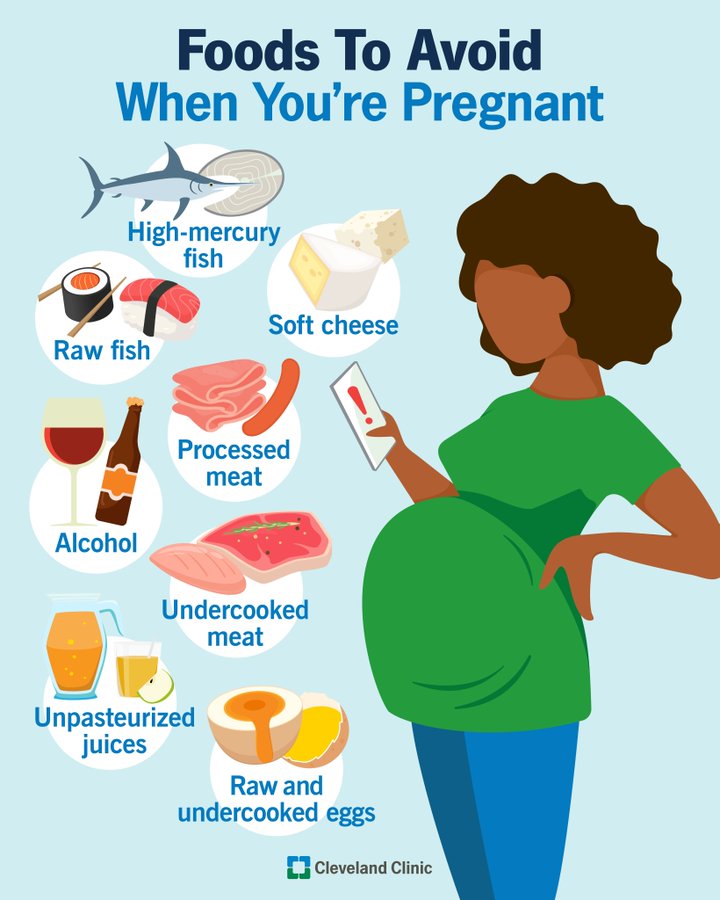
When you’re pregnant, it’s important to eat a healthy diet that provides the nutrients you need. That helps keep you feeling your best and promotes healthy fetal development. But pregnancy also puts you at higher risk for foodborne illness. Some foods and drinks can increase your risk for pregnancy complications. Avoid high-mercury fish and processed meat, and go easy on salt and caffeine.
clevelandclinic Verified Whether you’re in a public pool or in open waters, experts always come back to the same critical piece of advice: Stay vigilant. 🏊♂️ 🛟 Drowning prevention often comes down to knowing where children are at all times. It may seem excessive, but this is the main way to prevent a drowning event, especially in young children. #ClevelandClinicChildrens
Link in bio for even more swim safety tips. Edited · 18h
A baby who can self-soothe will fall asleep on their own and play calmly without your intervention. It’s a process, and a skill, that will help throughout their lives. Follow these tips to get started.
It’s naptime — thank goodness. But your baby isn’t having it. They cry. They fuss. So, you bounce them, rock them or even drive around town until they fall asleep.
It’s the question on the top of your mind (and you’re not alone): When — and how — will my baby learn to self-soothe and calm down without so much effort?
Pediatrician Matthew Badgett, MD, answers this important question, and shares ways to help your baby learn to self-soothe.
Why is self-soothing important?
When your baby self-soothes, they can calm down on their own and they:
Fall asleep without your help.
Fall back asleep if they wake up in the middle of a nap or during the night.
Sit or play calmly by themselves.
But self-soothing isn’t just for little ones. It’s an important skill throughout your life. Whether you realize it or not, you use your own self-soothing methods to feel better when you’re stressed or anxious.
“Self-soothing is a way of regulating your emotions,” Dr. Badgett explains. “Babies might suck their thumb or hold a stuffed animal. Adults might listen to music, take a walk or do yoga. The type of self-soothing you use changes throughout your life, but it’s a key part of your emotional health.”
When can my baby learn to self-soothe?
Every exhausted parent wants to know: When will my baby lie in their crib and drift off to sleep without my help? Or When can I put them in their bouncy seat for five minutes without screams of protest?
“In general, don’t try to teach your baby to self-soothe before they are 3 months old,” advises Dr. Badgett. “Newborns need you to help soothe them because they don’t have the ability to control their emotions. Learning emotional control is a process that takes years, so don’t expect too much from an infant or toddler.”
And self-soothing is a gradual process — not a switch you can flip. “Self-soothing is really co-soothing because the parent is still involved,” says Dr. Badgett. “Your baby plays a more active role in soothing, but you set them up for success. You figure out how your baby can calm down with less of your help.”
Self-soothing tips and techniques
If your baby is past the newborn stage but still cries relentlessly when you put them down, there is hope. These tips can help your baby gain self-soothing skills:
1. Meet your baby’s needs first
Before you assume that your baby is just cranky, review their list of needs. Your baby won’t be able to self-soothe if:
Their diaper is wet or soiled.
Their clothing is too hot or too cold for the environment.
There are too many distractions in the room, like a noisy TV or other children.
After you’ve ruled out those issues, move on to the next steps.
2. Set a schedule
Babies love routine. Try to put your baby to bed at the same time every day. Don’t skip naps or keep your baby up late. A schedule keeps them from becoming overtired — that’s when any hope of self-soothing goes out the window.
“If your baby goes to bed at the same times each day, their body clock will get used to it,” Dr. Badgett notes. “Then, they will start to feel sleepy right at naptime or bedtime. Babies that are drowsy, but not exhausted, are better able to fall asleep on their own.”
3. Use white noise
The sound of a fan or a white noise machine can be music to your baby’s ears. “Many babies prefer a steady sound over a perfectly quiet room,” Dr. Badgett says. “It helps drown out other sounds that could startle them, and it has a calming effect.”
Turn on the white noise machine when it’s bedtime. This can serve as a cue for your baby to learn when it’s time for dreamland.
4. Stay close without picking them up
After you place your baby in their crib or seat, don’t leave right away.
“If you give your baby some attention without holding them, they learn that being put down isn’t a bad thing,” Dr. Badgett explains. “Talk to them, or gently put your hand on their belly. After a few minutes, calmly leave the room.”
5. Try a pacifier
Pacifiers are a useful tool for babies under the age of 1. But use caution. It can be hard to take the paci away from a baby who can’t calm down without it.
“Pacifiers help young babies learn to self-soothe before they learn other techniques,” Dr. Badgett says. “But limit pacifier use to naptime and bedtime. Use them with other methods, like white noise and a consistent routine. That way, your baby won’t learn to rely on the pacifier alone.”
6. Wean them off feeding to sleep
It’s normal for young babies to fall asleep at the bottle or breast. But as your baby grows, they need to learn other ways to drift off.
“Don’t feed your older baby right at naptime with the sole purpose of getting them to sleep,” Dr. Badgett suggests. “They might end up overeating or relying on the nipple even when they’re already full.”
You can avoid the feed-to-sleep method if you:
Stop feeding if you see your baby getting sleepy.
Gently burp your baby to wake them up a little if they fell asleep feeding. Then, use the other self-soothing techniques to help them calm back down.
With a little persistence, perseverance and patience on your end, your little one could be self-soothing to sleep in no time.
A baby who can self-soothe will fall asleep on their own and play calmly without your intervention. It’s a process, and a skill, that will help throughout their lives. Follow these tips to get started.
It’s naptime — thank goodness. But your baby isn’t having it. They cry. They fuss. So, you bounce them, rock them or even drive around town until they fall asleep.
It’s the question on the top of your mind (and you’re not alone): When — and how — will my baby learn to self-soothe and calm down without so much effort?
Pediatrician Matthew Badgett, MD, answers this important question, and shares ways to help your baby learn to self-soothe.
Why is self-soothing important?
When your baby self-soothes, they can calm down on their own and they:
Fall asleep without your help.
Fall back asleep if they wake up in the middle of a nap or during the night.
Sit or play calmly by themselves.
But self-soothing isn’t just for little ones. It’s an important skill throughout your life. Whether you realize it or not, you use your own self-soothing methods to feel better when you’re stressed or anxious.
“Self-soothing is a way of regulating your emotions,” Dr. Badgett explains. “Babies might suck their thumb or hold a stuffed animal. Adults might listen to music, take a walk or do yoga. The type of self-soothing you use changes throughout your life, but it’s a key part of your emotional health.”
When can my baby learn to self-soothe?
Every exhausted parent wants to know: When will my baby lie in their crib and drift off to sleep without my help? Or When can I put them in their bouncy seat for five minutes without screams of protest?
“In general, don’t try to teach your baby to self-soothe before they are 3 months old,” advises Dr. Badgett. “Newborns need you to help soothe them because they don’t have the ability to control their emotions. Learning emotional control is a process that takes years, so don’t expect too much from an infant or toddler.”
And self-soothing is a gradual process — not a switch you can flip. “Self-soothing is really co-soothing because the parent is still involved,” says Dr. Badgett. “Your baby plays a more active role in soothing, but you set them up for success. You figure out how your baby can calm down with less of your help.”
Self-soothing tips and techniques
If your baby is past the newborn stage but still cries relentlessly when you put them down, there is hope. These tips can help your baby gain self-soothing skills:
1. Meet your baby’s needs first
Before you assume that your baby is just cranky, review their list of needs. Your baby won’t be able to self-soothe if:
Their diaper is wet or soiled.
Their clothing is too hot or too cold for the environment.
There are too many distractions in the room, like a noisy TV or other children.
After you’ve ruled out those issues, move on to the next steps.
2. Set a schedule
Babies love routine. Try to put your baby to bed at the same time every day. Don’t skip naps or keep your baby up late. A schedule keeps them from becoming overtired — that’s when any hope of self-soothing goes out the window.
“If your baby goes to bed at the same times each day, their body clock will get used to it,” Dr. Badgett notes. “Then, they will start to feel sleepy right at naptime or bedtime. Babies that are drowsy, but not exhausted, are better able to fall asleep on their own.”
3. Use white noise
The sound of a fan or a white noise machine can be music to your baby’s ears. “Many babies prefer a steady sound over a perfectly quiet room,” Dr. Badgett says. “It helps drown out other sounds that could startle them, and it has a calming effect.”
Turn on the white noise machine when it’s bedtime. This can serve as a cue for your baby to learn when it’s time for dreamland.
4. Stay close without picking them up
After you place your baby in their crib or seat, don’t leave right away.
“If you give your baby some attention without holding them, they learn that being put down isn’t a bad thing,” Dr. Badgett explains. “Talk to them, or gently put your hand on their belly. After a few minutes, calmly leave the room.”
5. Try a pacifier
Pacifiers are a useful tool for babies under the age of 1. But use caution. It can be hard to take the paci away from a baby who can’t calm down without it.
“Pacifiers help young babies learn to self-soothe before they learn other techniques,” Dr. Badgett says. “But limit pacifier use to naptime and bedtime. Use them with other methods, like white noise and a consistent routine. That way, your baby won’t learn to rely on the pacifier alone.”
6. Wean them off feeding to sleep
It’s normal for young babies to fall asleep at the bottle or breast. But as your baby grows, they need to learn other ways to drift off.
“Don’t feed your older baby right at naptime with the sole purpose of getting them to sleep,” Dr. Badgett suggests. “They might end up overeating or relying on the nipple even when they’re already full.”
You can avoid the feed-to-sleep method if you:
Stop feeding if you see your baby getting sleepy.
Gently burp your baby to wake them up a little if they fell asleep feeding. Then, use the other self-soothing techniques to help them calm back down.
With a little persistence, perseverance and patience on your end, your little one could be self-soothing to sleep in no time.
When you’re pregnant, it’s important to eat a healthy diet that provides the nutrients you need. That helps keep you feeling your best and promotes healthy fetal development. But pregnancy also puts you at higher risk for foodborne illness. Some foods and drinks can increase your risk for pregnancy complications. Avoid high-mercury fish and processed meat, and go easy on salt and caffeine.
When you’re pregnant, it’s important to eat a healthy diet that provides the nutrients you need. That helps keep you feeling your best and promotes healthy fetal development. But pregnancy also puts you at higher risk for foodborne illness. Some foods and drinks can increase your risk for pregnancy complications. Avoid high-mercury fish and processed meat, and go easy on salt and caffeine.
Who says pumpkin spice is only exciting in latte form?
Don’t just reserve pumpkin for pumpkin spice lattes and pie! These easy spice cookies are a great way to spread the pumpkin love throughout the entire season.
If you don’t have any aluminum-free baking powder in your cupboard, pick some up the next time you go shopping. Aluminum may pose potential risks to your health as a neurotoxin. While the dose of aluminum is what makes the poison, some studies show a relationship between aluminum that is stored in your body and neuro-disorders (such as Alzheimer’s disease.) Limiting exposure to all metals is a protective measure we can take to optimize our health.
Ingredients
1 cup pumpkin puree, fresh or canned 1 tablespoon pure maple syrup 1/3 cup unsweetened applesauce 1 teaspoon pure vanilla extract 1/4 cup vegan palm shortening or melted coconut oil 1 cup oat flour 1/2 cup almond flour 1/2 teaspoon baking soda 1/2 teaspoon aluminum-free baking powder 1 teaspoon ground cinnamon 1/2 teaspoon pumpkin pie spice Pinch sea salt 1/2 cup chopped pecans 1/4 cup mini chocolate chips
Directions
Preheat oven to 350°F.
Mix the pumpkin, syrup, applesauce, vanilla and shortening (or oil if using) in a large bowl. Alternatively, place in a blender and blend until combined.
In a separate medium bowl sift the oat flour, almond flour, baking soda, baking powder and spices together.
Add the dry ingredients to the pumpkin mixture and mix to combine. Then fold in the pecans and chocolate chips.
Scoop 1 tablespoon of batter onto a large baking pan lined with parchment paper. Repeat until all batter is used. Place baking pan into the oven and bake for 20 to 25 minutes, or until just slightly firm. Remove the cookies from the oven and serve warm or room temperature.
Store uneaten cookies in a sealed glass container at room temperature for two days or in the refrigerator for up to five days.
Nutrition information (per serving)
Makes 3 dozen cookies
Calories: 43 Total fat: 2 g Saturated fat: 2 g Cholesterol: 0 mg Fiber: 1 g Protein: 1 g Carbohydrate: 5 g Sodium: 25 mg
clevelandclinic Verified Whether you’re in a public pool or in open waters, experts always come back to the same critical piece of advice: Stay vigilant. 🏊♂️ 🛟 Drowning prevention often comes down to knowing where children are at all times. It may seem excessive, but this is the main way to prevent a drowning event, especially in young children. #ClevelandClinicChildrens
Link in bio for even more swim safety tips. Edited · 18h
Signs It’s Time To Lower Your Baby’s Crib Mattress
There’s no magical age or height — it’s all a matter of your baby’s mobility
Funny how quickly things change when it comes to babies, right? One day it’s all swaddles and burp cloths and tummy time. Then, before you know it, they’re crawling around trying to drink out of the dog’s water bowl.
Babies hit new milestones faster than you can say, That’s one for the baby book. And while you’re looking for a pen, you might want to grab a screwdriver, too. Because as your baby becomes more mobile, it’s a cue that it’s time to lower their crib.
“Lowering the crib isn’t so much about age, it’s about your baby’s abilities,” says pediatrician Laura O’Connor, MD. “The more mobile your baby gets, the lower the crib should go.”
So, if you can’t plan on your calendar when the right time is, how will you know when to lower the crib mattress? Dr. O’Connor shares some tips for what to look for.
When to lower the crib mattress
Sure, back in the day, cribs with drop-down sides were all the rage. But they’ve been banned after they were found to result in serious injuries and even deaths.
Most cribs these days come with high, middle and low settings for the mattress. That’s for both parents’ comfort and baby’s safety.
Think about it: If your newborn’s crib mattress was down below your knees, you’d be reaching awfully low to place them in bed. And it would be just about impossible to get them back out without crawling in yourself. (Don’t do that. Your crib isn’t meant to hold an adult’s weight.)
On the other hand, a baby who can stand would be in danger of taking a big tumble if their mattress was only a few inches below the crib rail.
But all those different height settings can be confusing. You’ll rest easier knowing your little tot is safe in their crib. Dr. O’Connor helps us take the guesswork out of each crib setting with this quick reference guide:
Developmental stage
Sleeping arrangement
Approximate age
Newborn.
Bassinet or crib’s highest setting.
Under 4 months.
Baby who can roll over.
Crib’s highest setting.
4 months old.
Baby who can sit up, “commando crawl” or get up on their hands and knees.
Crib’s middle setting.
6 months old.
Baby who can stand up or pull themselves up to standing.
Crib’s lowest setting.
9 months old.
Baby who can climb out of the crib or has outgrown the crib.
Big-kid bed.
Anywhere from 18 months to about 3 years old.
Consult your crib’s instruction manual for specifics on how to lower the crib mattress. Most manufacturers provide them online if you can’t find yours. Be sure to tighten all screws securely.
Highest crib setting
If your infant has been sleeping in a bassinet, they should be moved to a crib by the time they can roll over, Dr. O’Connor says. For many babies, that happens somewhere around 4 months old.
But bassinets have different height and weight restrictions. Even if your little one isn’t yet rolling, if they’ve reached the maximum height or weight for the bassinet, it’s time to move to a crib to make sure they have the stability and protection they need.
The highest setting on your crib is the right place for babies who can’t sit up.
“Infants have so little control over their bodies, it’s important for their safety, and for everyone’s comfort, if parents don’t have to bend too far to lay them down or pick them up,” O’Connor explains.
Middle crib setting
After rolling over, other mobility milestones come fast. And with baby’s new moves comes another shift in crib height.
Dr. O’Connor says you should plan to move your crib mattress to the middle height before your baby can crawl. Move the crib down when your baby can start to do any of these pre-crawling actions:
Sit up on their own.
Crawl “commando style” (inch forward by pulling with their arms with their bellies on the ground).
Assume a crawling position, by getting up on their hands and knees.
Many babies begin to hit these milestones around 6 months old. But they may come even earlier, so let your baby’s abilities be your guide.
Lowest crib setting
Standing and walking are probably two of the most exciting milestones in your baby’s first year. And they’re signs that it’s time for the crib to be lowered for its last time.
“By the time your baby can stand up or pull themselves up, their crib should be at its lowest setting,” Dr. O’Connor notes. “If the crib mattress is too high, it becomes a big fall risk.”
Some babies may start off standing by using furniture (or whatever’s handy … say, your leg) to pull themselves up. And the rails on their crib can be perfect for pulling up.
So, even if your baby doesn’t stand up independently yet, any standing is a sign that it’s time to move the crib mattress to its lowest point.
And don’t let sleep sacks or other swaddles lull you into a false sense of security. Sure, they can make standing harder. But even with a sleep sack on, your baby can try to pull themselves to standing. So, if they can get up on their own two feet without the sleep sack, it’s time to make the crib at low as it goes.
Time for a big-kid bed
After the crib reaches its lowest point, it can stay there for a while, Dr. O’Connor says. Most toddlers should sleep in a crib until they’re at least 18 months old. Some may not need to move to a toddler bed until well after their third birthday.
The American Academy of Pediatrics recommends toddlers move to a bed if:
They’re 35 inches tall.
The crib rail is in line with the middle of their chest (at their nipples) when they stand in their crib.
They climb out of the crib.
“If your baby is climbing out of their crib or has outgrown it and causing a dangerous situation, it’s time to move to a bed. If not, it’s better to save the bed for a while,” Dr. O’Connor advises. “Beds come with a lot of autonomy and responsibility for your child, so the longer you can wait, the better for most people.”
Keep safety first
Of course, crib height is just one part of making sure your baby has a safe sleep environment. You also want to make sure you’re following these other safe sleep practices during your baby’s first year:
Use the firm side of the crib mattress.
Keep pillows, blankets, stuffed animals and other soft items out of the crib.
If you have any questions about crib safety or safe sleep, Dr. O’Connor says to talk with your child’s healthcare provider. They can help you understand the best ways to keep your baby safe and sleeping soundly
Who says pumpkin spice is only exciting in latte form?
Don’t just reserve pumpkin for pumpkin spice lattes and pie! These easy spice cookies are a great way to spread the pumpkin love throughout the entire season.
If you don’t have any aluminum-free baking powder in your cupboard, pick some up the next time you go shopping. Aluminum may pose potential risks to your health as a neurotoxin. While the dose of aluminum is what makes the poison, some studies show a relationship between aluminum that is stored in your body and neuro-disorders (such as Alzheimer’s disease.) Limiting exposure to all metals is a protective measure we can take to optimize our health.
Ingredients
1 cup pumpkin puree, fresh or canned 1 tablespoon pure maple syrup 1/3 cup unsweetened applesauce 1 teaspoon pure vanilla extract 1/4 cup vegan palm shortening or melted coconut oil 1 cup oat flour 1/2 cup almond flour 1/2 teaspoon baking soda 1/2 teaspoon aluminum-free baking powder 1 teaspoon ground cinnamon 1/2 teaspoon pumpkin pie spice Pinch sea salt 1/2 cup chopped pecans 1/4 cup mini chocolate chips
Directions
Preheat oven to 350°F.
Mix the pumpkin, syrup, applesauce, vanilla and shortening (or oil if using) in a large bowl. Alternatively, place in a blender and blend until combined.
In a separate medium bowl sift the oat flour, almond flour, baking soda, baking powder and spices together.
Add the dry ingredients to the pumpkin mixture and mix to combine. Then fold in the pecans and chocolate chips.
Scoop 1 tablespoon of batter onto a large baking pan lined with parchment paper. Repeat until all batter is used. Place baking pan into the oven and bake for 20 to 25 minutes, or until just slightly firm. Remove the cookies from the oven and serve warm or room temperature.
Store uneaten cookies in a sealed glass container at room temperature for two days or in the refrigerator for up to five days.
Nutrition information (per serving)
Makes 3 dozen cookies
Calories: 43 Total fat: 2 g Saturated fat: 2 g Cholesterol: 0 mg Fiber: 1 g Protein: 1 g Carbohydrate: 5 g Sodium: 25 mg





 Healthaware