World Health Day 2025: Healthy beginnings, hopeful futures @WHO

https://x.com/i/broadcasts/1ynKOlrpYWWGR

The health of mothers and babies is the foundation of healthy families and communities, helping ensure hopeful futures for us all.

World Health Day, celebrated on 7 April 2025, will kick off a year-long campaign on maternal and newborn health. The campaign, titled Healthy beginnings, hopeful futures, will urge governments and the health community to ramp up efforts to end preventable maternal and newborn deaths, and to prioritize women’s longer-term health and well-being.

WHO and partners will also share useful information to support healthy pregnancies and births, and better postnatal health.

Visit the World Health Day 2025 campaign page
 

Helping every woman and baby survive and thrive

This task is critical. Tragically, based on currently published estimates, close to 300 000 women lose their life due to pregnancy or childbirth each year, while over 2 million babies die in their first month of life and around 2 million more are stillborn. That’s roughly 1 preventable death every 7 seconds.

Based on current trends, a staggering 4 out of 5 countries are off track to meet targets for improving maternal survival by 2030. 1 in 3 will fail to meet targets for reducing newborn deaths.

Listening to women and supporting families

Women and families everywhere need high quality care that supports them physically and emotionally, before, during and after birth.

Health systems must evolve to manage the many health issues that impact maternal and newborn health. These not only include direct obstetric complications but also mental health conditions, noncommunicable diseases and family planning.

Additionally, women and families should be supported by laws and policies that safeguard their health and rights.

Campaign goals

  • To raise awareness about gaps in maternal and newborn survival and the need to prioritize women’s longer-term well-being.
  • To advocate for effective investments that improve the health of women and babies. 
  • To encourage collective action to support parents as well as health professionals who provide critical care.
  • To provide useful health information relating to pregnancy, childbirth, and the postnatal period.
     

Get involved

Here’s what you can do to support the campaign:

  • Spread awareness: share information about the campaign using #HopefulFutures and #HealthForAll.
  • Participate: attend our global events to learn more about what it will take to end maternal and newborn mortality.
  • Donate: contribute to the WHO Foundation which supports WHO’s work to protect mothers and babies in countries around the world.
  • Share your lived experiences: share your own experiences or stories of pregnancy and birth and thank those who provide quality care.
5 Ways to Boost Your Child’s Immune System for Life @ClevelandClinic #childtherapy

We all want to protect our kids whether it be from falls, bumps and bruises — or avoidable infections and diseases. To help your child avoid illness, it’s important to encourage good habits and take steps to boost their immune system from an early age.

“Most of what makes a child’s immune system strong is common sense,” says pediatrician Adriane Lioudis, MD. If you keep these five tips in mind, you’ll stack the deck in your child’s favor for a healthier life.

1. For newborns, consider breastfeeding

While it’s a very personal decision (that isn’t always possible), if you are able to exclusively breastfeed your child for at least six months, it may have benefits. Some research shows that breastfeeding your child might possibly reduce allergies, Dr. Lioudis says.

2. Promote regular hand washing

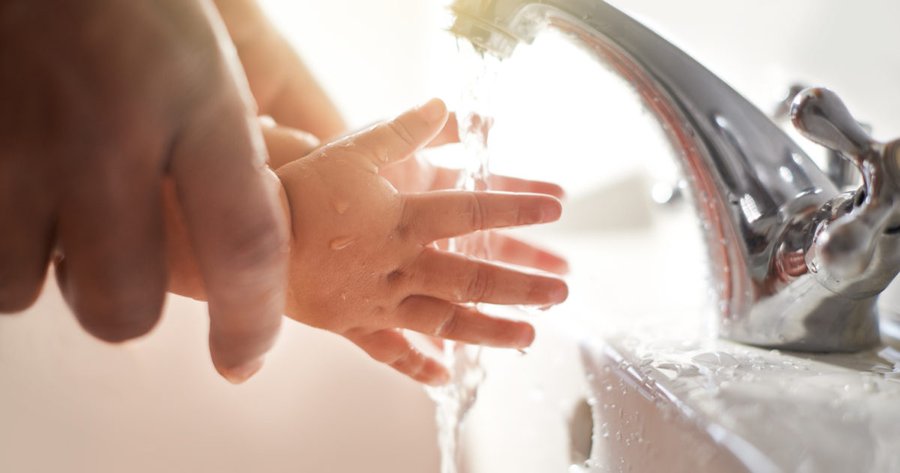
Eighty percent of infections are spread by touch. Teach your little one to take the time to wash their hands after sneezing, coughing and going to the bathroom. Washing hands with warm water and soap for at least 20 seconds can remove bacteria and viruses and can reduce the chance of lung infections by up to 45%.

3. Don’t skip immunizations

Follow your pediatrician’s advice when it comes to the childhood vaccination schedule. Immunizations start in infancy and continue to adulthood and prevent measlesmumpschickenpoxrotavirus and other infections.

“Get the flu shot for your child yearly, as well,” Dr. Lioudis says. This is particularly important for children with asthma and other chronic health conditions.

Also, if your family will be traveling internationally, it’s important to seek advice from your child’s healthcare provider about any needed vaccinations.

4. Make sleep a priority

To maximize immunity, children must get enough sleep.

Sleep requirements for each night vary by age:

  • Babies between 0 and 3 months need 14 to 17 hours of sleep. Those between 4 and 12 months need 12 to 16 hours of sleep.
  • Children between the ages of 1 and 2 need between 11 and 14 hours.
  • Kids between the ages of 3 and 5 should get from10 to 13 hours.
  • Children ages 6 to 12 should get between 9 and 12 hours.
  • Teens between the ages of 13 to 18 need 8 to 10 hours.

Not getting enough sleep limits the body’s ability to produce proteins called cytokines that help fight infection and reduce inflammation.

5. Encourage a healthy diet

healthy diet is also important for your child’s immune system.

Dr. Lioudis recommends encouraging your child to “eat the rainbow” when it comes to fruits and vegetables. A good selection of whole grains should be part of their diet as well. Keep processed foods to a minimum. Proper food choices can help ensure that your child gets enough vitamins — such as vitamin A and E. These vitamins are needed to maintain good health and a strong immune system.

You can’t avoid all illness, but some kids need extra protection

“Even if you follow these tips, your child might still get between seven and 11 colds each year,” says Dr. Lioudis. She adds that you can expect each one to last up to two weeks.

Also, keep in mind that some things billed as common “remedies” aren’t effective in boosting immunity. For example, there’s no definitive proof that large amounts of vitamin C or echinacea help prevent colds or shorten them, she says.

However, if your child has a compromised immune system, work closely with your pediatrician to find ways to improve his or her immunity. Each child needs a personalized approach because their individual immune system varies, Dr. Lioudis says.

“There’s generally a different protocol with immunocompromised children. There are some vaccines we have to add in on top of what most children have, but it’s something that we must determine on a case-by-case basis.