BRIDGING
This is the one of a physiotherapist’s staple exercises, if in doubt…bridge 😂
Often when children are growing, they come up against muscle imbalances, which can lead to aches and pains. A great way to protect the body from these is by keeping a good strong core!
A tip my top #pilates friend showed me was rolling the spine up and down, like a Mexican wave 👋🏽! Go follow @excellencepilates@excellence_physio for much more specialist knowledge than I can offer 😁
HOW TO INCORPORATE INTO PLAY
Get some lovely little cars or animals on one side of your child, and help them create a BRIDGE (!) so you can drive those little toys under their bottom!
….a traffic jam can always help you keep their bottom up for little longer 😏
We all want to protect our kids whether it be from falls, bumps and bruises — or avoidable infections and diseases. To help your child avoid illness, it’s important to encourage good habits and take steps to boost their immune system from an early age.
“Most of what makes a child’s immune system strong is common sense,” says pediatrician Adriane Lioudis, MD. If you keep these five tips in mind, you’ll stack the deck in your child’s favor for a healthier life.
1. For newborns, consider breastfeeding
While it’s a very personal decision (that isn’t always possible), if you are able to exclusively breastfeed your child for at least six months, it may have benefits. Some research shows that breastfeeding your child might possibly reduce allergies, Dr. Lioudis says.
2. Promote regular hand washing
Eighty percent of infections are spread by touch. Teach your little one to take the time to wash their hands after sneezing, coughing and going to the bathroom. Washing hands with warm water and soap for at least 20 seconds can remove bacteria and viruses and can reduce the chance of lung infections by up to 45%.
“Get the flu shot for your child yearly, as well,” Dr. Lioudis says. This is particularly important for children with asthma and other chronic health conditions.
Also, if your family will be traveling internationally, it’s important to seek advice from your child’s healthcare provider about any needed vaccinations.
4. Make sleep a priority
To maximize immunity, children must get enough sleep.
Babies between 0 and 3 months need 14 to 17 hours of sleep. Those between 4 and 12 months need 12 to 16 hours of sleep.
Children between the ages of 1 and 2 need between 11 and 14 hours.
Kids between the ages of 3 and 5 should get from10 to 13 hours.
Children ages 6 to 12 should get between 9 and 12 hours.
Teens between the ages of 13 to 18 need 8 to 10 hours.
Not getting enough sleep limits the body’s ability to produce proteins called cytokines that help fight infection and reduce inflammation.
5. Encourage a healthy diet
A healthy diet is also important for your child’s immune system.
Dr. Lioudis recommends encouraging your child to “eat the rainbow” when it comes to fruits and vegetables. A good selection of whole grains should be part of their diet as well. Keep processed foods to a minimum. Proper food choices can help ensure that your child gets enough vitamins — such as vitamin A and E. These vitamins are needed to maintain good health and a strong immune system.
You can’t avoid all illness, but some kids need extra protection
“Even if you follow these tips, your child might still get between seven and 11 colds each year,” says Dr. Lioudis. She adds that you can expect each one to last up to two weeks.
Also, keep in mind that some things billed as common “remedies” aren’t effective in boosting immunity. For example, there’s no definitive proof that large amounts of vitamin C or echinacea help prevent colds or shorten them, she says.
However, if your child has a compromised immune system, work closely with your pediatrician to find ways to improve his or her immunity. Each child needs a personalized approach because their individual immune system varies, Dr. Lioudis says.
“There’s generally a different protocol with immunocompromised children. There are some vaccines we have to add in on top of what most children have, but it’s something that we must determine on a case-by-case basis.
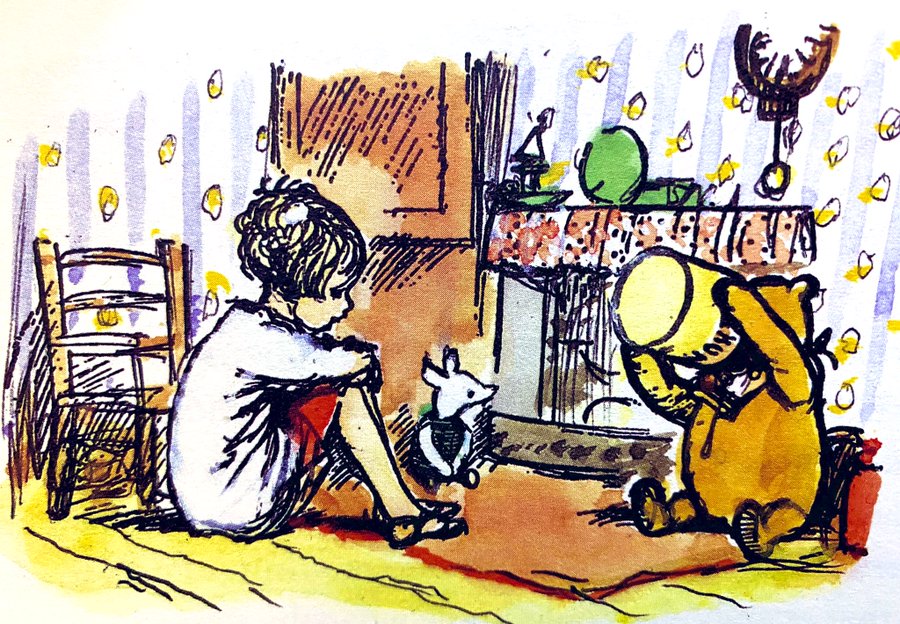
Tanita Tikaram💙 Retweeted A.A.Milne@A_AMilne·2h “What do you like doing best in the world, Pooh?” Pooh had to stop and think. Because although Eating Honey WAS a very good thing to do, there was a moment just before you began to eat it which was better than when you were, but he didn’t know what it was called. ~A.A.Milne
We all want to protect our kids whether it be from falls, bumps and bruises — or avoidable infections and diseases. To help your child avoid illness, it’s important to encourage good habits and take steps to boost their immune system from an early age.
“Most of what makes a child’s immune system strong is common sense,” says pediatrician Adriane Lioudis, MD. If you keep these five tips in mind, you’ll stack the deck in your child’s favor for a healthier life.
1. For newborns, consider breastfeeding
While it’s a very personal decision (that isn’t always possible), if you are able to exclusively breastfeed your child for at least six months, it may have benefits. Some research shows that breastfeeding your child might possibly reduce allergies, Dr. Lioudis says.
2. Promote regular hand washing
Eighty percent of infections are spread by touch. Teach your little one to take the time to wash their hands after sneezing, coughing and going to the bathroom. Washing hands with warm water and soap for at least 20 seconds can remove bacteria and viruses and can reduce the chance of lung infections by up to 45%.
“Get the flu shot for your child yearly, as well,” Dr. Lioudis says. This is particularly important for children with asthma and other chronic health conditions.
Also, if your family will be traveling internationally, it’s important to seek advice from your child’s healthcare provider about any needed vaccinations.
4. Make sleep a priority
To maximize immunity, children must get enough sleep.
Babies between 0 and 3 months need 14 to 17 hours of sleep. Those between 4 and 12 months need 12 to 16 hours of sleep.
Children between the ages of 1 and 2 need between 11 and 14 hours.
Kids between the ages of 3 and 5 should get from10 to 13 hours.
Children ages 6 to 12 should get between 9 and 12 hours.
Teens between the ages of 13 to 18 need 8 to 10 hours.
Not getting enough sleep limits the body’s ability to produce proteins called cytokines that help fight infection and reduce inflammation.
5. Encourage a healthy diet
A healthy diet is also important for your child’s immune system.
Dr. Lioudis recommends encouraging your child to “eat the rainbow” when it comes to fruits and vegetables. A good selection of whole grains should be part of their diet as well. Keep processed foods to a minimum. Proper food choices can help ensure that your child gets enough vitamins — such as vitamin A and E. These vitamins are needed to maintain good health and a strong immune system.
You can’t avoid all illness, but some kids need extra protection
“Even if you follow these tips, your child might still get between seven and 11 colds each year,” says Dr. Lioudis. She adds that you can expect each one to last up to two weeks.
Also, keep in mind that some things billed as common “remedies” aren’t effective in boosting immunity. For example, there’s no definitive proof that large amounts of vitamin C or echinacea help prevent colds or shorten them, she says.
However, if your child has a compromised immune system, work closely with your pediatrician to find ways to improve his or her immunity. Each child needs a personalized approach because their individual immune system varies, Dr. Lioudis says.
“There’s generally a different protocol with immunocompromised children. There are some vaccines we have to add in on top of what most children have, but it’s something that we must determine on a case-by-case basis.
The health of mothers and babies is the foundation of healthy families and communities, helping ensure hopeful futures for us all.
World Health Day, celebrated on 7 April 2025, will kick off a year-long campaign on maternal and newborn health. The campaign, titled Healthy beginnings, hopeful futures, will urge governments and the health community to ramp up efforts to end preventable maternal and newborn deaths, and to prioritize women’s longer-term health and well-being.
WHO and partners will also share useful information to support healthy pregnancies and births, and better postnatal health.
This task is critical. Tragically, based on currently published estimates, close to 300 000 women lose their life due to pregnancy or childbirth each year, while over 2 million babies die in their first month of life and around 2 million more are stillborn. That’s roughly 1 preventable death every 7 seconds.
Based on current trends, a staggering 4 out of 5 countries are off track to meet targets for improving maternal survival by 2030. 1 in 3 will fail to meet targets for reducing newborn deaths.
Listening to women and supporting families
Women and families everywhere need high quality care that supports them physically and emotionally, before, during and after birth.
Health systems must evolve to manage the many health issues that impact maternal and newborn health. These not only include direct obstetric complications but also mental health conditions, noncommunicable diseases and family planning.
Additionally, women and families should be supported by laws and policies that safeguard their health and rights.
Campaign goals
To raise awareness about gaps in maternal and newborn survival and the need to prioritize women’s longer-term well-being.
To advocate for effective investments that improve the health of women and babies.
To encourage collective action to support parents as well as health professionals who provide critical care.
To provide useful health information relating to pregnancy, childbirth, and the postnatal period.
Get involved
Here’s what you can do to support the campaign:
Spread awareness: share information about the campaign using #HopefulFutures and #HealthForAll.
Participate: attend our global events to learn more about what it will take to end maternal and newborn mortality.
Donate: contribute to the WHO Foundation which supports WHO’s work to protect mothers and babies in countries around the world.
Are your kids interested in sports or just want to feel stronger? Strength training can be safe and beneficial for children when it is done the right way. Light weights, proper form and age appropriate guidance matter. Curious about when kids can start and how to keep it safe?
Strength training: OK for kids?
Strength training offers kids many benefits, but there are important warnings to keep in mind. Here’s what you need to know about youth strength training.By Mayo Clinic Staff
Strength training for kids? Great idea! Done right, it offers many benefits to young athletes. Strength training is good even for kids who just want to look and feel better. In fact, strength training might put your child on a lifetime path to better health and fitness.
Strength training, not weightlifting
Don’t confuse strength training with weightlifting, bodybuilding or powerlifting. Trying to build big muscles can put too much strain on young muscles, tendons and areas of cartilage that haven’t yet turned to bone, called growth plates. Also, being more focused on lifting large amounts of weight than on form can make strength training riskier.
For kids, light weights and controlled movements are best. Using good form and being safe are most important.
Children can do many strength training exercises using their own body weight or resistance tubing. Free weights, machine weights and medicine balls are other options. But keep in mind that some equipment designed for adults might be too large for many children.
What can kids get out of strength training?
Done right, strength training can:
Increase children’s muscle strength.
Help protect children’s muscles and joints from sports injuries.
Help children do better in nearly any sport.
Teach children proper form.
Keep in mind that strength training isn’t only for athletes. Even for children who don’t want to play sports, strength training can:
Strengthen bones.
Help promote healthy blood pressure and cholesterol levels.
Help maintain a healthy weight.
Help kids feel good about themselves.
Increase physical activity overall.
When can a child begin strength training?
During childhood, being active improves kids’ body awareness and control and their balance. Strength training can become a part of a fitness plan as early as age 7 or 8.
Younger children who start sports activities such as baseball or soccer also might benefit from strength training. To strength train, children should be able to follow directions and practice proper form.
The Department of Health and Human Services says that school-age children should get 60 minutes or more of daily activity. As part of this activity, muscle- and bone-strengthening exercises are suggested at least three days a week.
For children who have an interest in strength training, remind them that strength training is meant to increase muscle strength and endurance. Increasing muscle size, also called bulking up, is something else.
You might also check with your child’s healthcare professional for the OK to begin a strength training program. Be sure to check with your child’s healthcare professional if your child has a known or suspected health problem, such as a heart condition, high blood pressure or seizures.
What’s the best way to start a strength training program for kids?
A child’s strength training program isn’t just a scaled-down version of an adult program. Here are some things you can do to help your child train safely:
Talk with a professional. Start with a coach or personal trainer who has worked with youth to strength train. The coach or trainer can create a safe strength training program that works based on your child’s age, size, skills and sports interests. Or enroll your child in a strength training class for kids.
Keep watch. Don’t let your child strength train alone. It’s important to have an adult who knows how to strength train oversee your child’s program.
Keep it fun. Help your child vary the routine to prevent boredom.
Urge your child to:
Warm up and cool down. Your child should begin each strength training session with 5 to 10 minutes of light aerobic activity. This could be walking, jogging in place or jumping rope. This warms the muscles and prepares them for harder activity. Each strength training session should be followed with 10 to 15 minutes of light aerobic activity and gentle stretching. This helps keep blood flowing to the muscles during recovery.
Keep it light. Kids can safely lift light adult-size weights. Children can try to do one or two sets of 8 to 12 repetitions with good form. If they can’t do 10 repetitions, the weight might be too heavy.
Focus on good form. Form and technique are more important than the amount of weight your child lifts. Children can increase the resistance or number of repetitions little by little as they build strength.
Rest between workouts. Make sure your child rests at least one full day between exercising each major muscle group. Major muscle groups are the legs, hips, back, abdomen, chest, shoulders and arms.
Results won’t come overnight. But in time, your child will have more muscle strength and be able to work the muscles harder
Are your kids interested in sports or just want to feel stronger? Strength training can be safe and beneficial for children when it is done the right way. Light weights, proper form and age appropriate guidance matter. Curious about when kids can start and how to keep it safe?
Strength training: OK for kids?
Strength training offers kids many benefits, but there are important warnings to keep in mind. Here’s what you need to know about youth strength training.By Mayo Clinic Staff
Strength training for kids? Great idea! Done right, it offers many benefits to young athletes. Strength training is good even for kids who just want to look and feel better. In fact, strength training might put your child on a lifetime path to better health and fitness.
Strength training, not weightlifting
Don’t confuse strength training with weightlifting, bodybuilding or powerlifting. Trying to build big muscles can put too much strain on young muscles, tendons and areas of cartilage that haven’t yet turned to bone, called growth plates. Also, being more focused on lifting large amounts of weight than on form can make strength training riskier.
For kids, light weights and controlled movements are best. Using good form and being safe are most important.
Children can do many strength training exercises using their own body weight or resistance tubing. Free weights, machine weights and medicine balls are other options. But keep in mind that some equipment designed for adults might be too large for many children.
What can kids get out of strength training?
Done right, strength training can:
Increase children’s muscle strength.
Help protect children’s muscles and joints from sports injuries.
Help children do better in nearly any sport.
Teach children proper form.
Keep in mind that strength training isn’t only for athletes. Even for children who don’t want to play sports, strength training can:
Strengthen bones.
Help promote healthy blood pressure and cholesterol levels.
Help maintain a healthy weight.
Help kids feel good about themselves.
Increase physical activity overall.
When can a child begin strength training?
During childhood, being active improves kids’ body awareness and control and their balance. Strength training can become a part of a fitness plan as early as age 7 or 8.
Younger children who start sports activities such as baseball or soccer also might benefit from strength training. To strength train, children should be able to follow directions and practice proper form.
The Department of Health and Human Services says that school-age children should get 60 minutes or more of daily activity. As part of this activity, muscle- and bone-strengthening exercises are suggested at least three days a week.
For children who have an interest in strength training, remind them that strength training is meant to increase muscle strength and endurance. Increasing muscle size, also called bulking up, is something else.
You might also check with your child’s healthcare professional for the OK to begin a strength training program. Be sure to check with your child’s healthcare professional if your child has a known or suspected health problem, such as a heart condition, high blood pressure or seizures.
What’s the best way to start a strength training program for kids?
A child’s strength training program isn’t just a scaled-down version of an adult program. Here are some things you can do to help your child train safely:
Talk with a professional. Start with a coach or personal trainer who has worked with youth to strength train. The coach or trainer can create a safe strength training program that works based on your child’s age, size, skills and sports interests. Or enroll your child in a strength training class for kids.
Keep watch. Don’t let your child strength train alone. It’s important to have an adult who knows how to strength train oversee your child’s program.
Keep it fun. Help your child vary the routine to prevent boredom.
Urge your child to:
Warm up and cool down. Your child should begin each strength training session with 5 to 10 minutes of light aerobic activity. This could be walking, jogging in place or jumping rope. This warms the muscles and prepares them for harder activity. Each strength training session should be followed with 10 to 15 minutes of light aerobic activity and gentle stretching. This helps keep blood flowing to the muscles during recovery.
Keep it light. Kids can safely lift light adult-size weights. Children can try to do one or two sets of 8 to 12 repetitions with good form. If they can’t do 10 repetitions, the weight might be too heavy.
Focus on good form. Form and technique are more important than the amount of weight your child lifts. Children can increase the resistance or number of repetitions little by little as they build strength.
Rest between workouts. Make sure your child rests at least one full day between exercising each major muscle group. Major muscle groups are the legs, hips, back, abdomen, chest, shoulders and arms.
Results won’t come overnight. But in time, your child will have more muscle strength and be able to work the muscles harder
We all want to protect our kids whether it be from falls, bumps and bruises — or avoidable infections and diseases. To help your child avoid illness, it’s important to encourage good habits and take steps to boost their immune system from an early age.
“Most of what makes a child’s immune system strong is common sense,” says pediatrician Adriane Lioudis, MD. If you keep these five tips in mind, you’ll stack the deck in your child’s favor for a healthier life.
1. For newborns, consider breastfeeding
While it’s a very personal decision (that isn’t always possible), if you are able to exclusively breastfeed your child for at least six months, it may have benefits. Some research shows that breastfeeding your child might possibly reduce allergies, Dr. Lioudis says.
2. Promote regular hand washing
Eighty percent of infections are spread by touch. Teach your little one to take the time to wash their hands after sneezing, coughing and going to the bathroom. Washing hands with warm water and soap for at least 20 seconds can remove bacteria and viruses and can reduce the chance of lung infections by up to 45%.
“Get the flu shot for your child yearly, as well,” Dr. Lioudis says. This is particularly important for children with asthma and other chronic health conditions.
Also, if your family will be traveling internationally, it’s important to seek advice from your child’s healthcare provider about any needed vaccinations.
4. Make sleep a priority
To maximize immunity, children must get enough sleep.
Babies between 0 and 3 months need 14 to 17 hours of sleep. Those between 4 and 12 months need 12 to 16 hours of sleep.
Children between the ages of 1 and 2 need between 11 and 14 hours.
Kids between the ages of 3 and 5 should get from10 to 13 hours.
Children ages 6 to 12 should get between 9 and 12 hours.
Teens between the ages of 13 to 18 need 8 to 10 hours.
Not getting enough sleep limits the body’s ability to produce proteins called cytokines that help fight infection and reduce inflammation.
5. Encourage a healthy diet
A healthy diet is also important for your child’s immune system.
Dr. Lioudis recommends encouraging your child to “eat the rainbow” when it comes to fruits and vegetables. A good selection of whole grains should be part of their diet as well. Keep processed foods to a minimum. Proper food choices can help ensure that your child gets enough vitamins — such as vitamin A and E. These vitamins are needed to maintain good health and a strong immune system.
You can’t avoid all illness, but some kids need extra protection
“Even if you follow these tips, your child might still get between seven and 11 colds each year,” says Dr. Lioudis. She adds that you can expect each one to last up to two weeks.
Also, keep in mind that some things billed as common “remedies” aren’t effective in boosting immunity. For example, there’s no definitive proof that large amounts of vitamin C or echinacea help prevent colds or shorten them, she says.
However, if your child has a compromised immune system, work closely with your pediatrician to find ways to improve his or her immunity. Each child needs a personalized approach because their individual immune system varies, Dr. Lioudis says.
“There’s generally a different protocol with immunocompromised children. There are some vaccines we have to add in on top of what most children have, but it’s something that we must determine on a case-by-case basis.







 Healthaware