Swap regular fries for these delicious, and nutritious, potato wedges
These crispy sweet potato wedges come out Cajun spicy and sweet. Don’t tell anyone but they’re also really healthy. They’re loaded with antioxidants and phytonutrients and are a great source of beta-carotene. Another plus? As complex carbs, they digest slowly and raise blood sugars gradually — keeping you from a spike and drop-off.
Ingredients
2 sweet potatoes, cut into wedges (about 8 wedges per potato)
1 tablespoon olive oil
2 tablespoons Cajun seasoning
Directions
Preheat oven to 425 F.
In a large mixing bowl, combine the sweet potatoes, oil and Cajun seasoning. Mix well to evenly coat wedges.
Spread the wedges in a single layer on one (or two, if needed) ungreased baking sheets.
Bake for 30 minutes or until crispy and brown on one side.
Flip fries over and bake for another 30 minutes or until the wedges are crispy on the outside and tender inside.
Ingredient health benefits
Sweet potatoes: These root veggies are beloved the world over for their flavor and versatility. But did you know there’s more to sweet potatoes than … well, just being sweet? They’re also packed with essential vitamins and minerals like vitamin B6, vitamin C, vitamin A and potassium. These nutrients help support many aspects of your overall health, including your immune system, metabolism, blood pressure and vision. Sweet potatoes also have carbohydrates and fiber to fuel your cells and promote healthy digestion.
Olive oil: This cooking oil is one of those ingredients that’s actually worth the hype. Olive oil is full of unsaturated fats and polyphenols. These compounds support your heart and fight inflammation that can harm your cells. Vitamin E and vitamin K, also known as fat-soluble vitamins, maintain radiant skin and strong bones. Olive oil also elevates your good “HDL” cholesterol while lowering your “bad” (LDL) cholesterol. And powerful antioxidants suppress free radicals, damaging little particles that harm your cells in ways that can lead to cancer. While all olive oil has these benefits, extra virgin olive oil (EVOO) is the highest quality, so don’t hesitate to pick some up if it fits within your budget!
DASH stands for “Dietary Approaches to Stop Hypertension.” This eating plan was designed to lower the risk of hypertension (high blood pressure). High blood pressure affects 1 in 3 U.S. adults and is a major risk factor for heart disease. When you follow the DASH diet, you consume higher amounts of potassium — a heart-healthy mineral. You also consume less sodium, which can help lower your blood pressure and improve heart health.
Swap regular fries for these delicious, and nutritious, potato wedges
These crispy sweet potato wedges come out Cajun spicy and sweet. Don’t tell anyone but they’re also really healthy. They’re loaded with antioxidants and phytonutrients and are a great source of beta-carotene. Another plus? As complex carbs, they digest slowly and raise blood sugars gradually — keeping you from a spike and drop-off.
Ingredients
2 sweet potatoes, cut into wedges (about 8 wedges per potato)
1 tablespoon olive oil
2 tablespoons Cajun seasoning
Directions
Preheat oven to 425 F.
In a large mixing bowl, combine the sweet potatoes, oil and Cajun seasoning. Mix well to evenly coat wedges.
Spread the wedges in a single layer on one (or two, if needed) ungreased baking sheets.
Bake for 30 minutes or until crispy and brown on one side.
Flip fries over and bake for another 30 minutes or until the wedges are crispy on the outside and tender inside.
Ingredient health benefits
Sweet potatoes: These root veggies are beloved the world over for their flavor and versatility. But did you know there’s more to sweet potatoes than … well, just being sweet? They’re also packed with essential vitamins and minerals like vitamin B6, vitamin C, vitamin A and potassium. These nutrients help support many aspects of your overall health, including your immune system, metabolism, blood pressure and vision. Sweet potatoes also have carbohydrates and fiber to fuel your cells and promote healthy digestion.
Olive oil: This cooking oil is one of those ingredients that’s actually worth the hype. Olive oil is full of unsaturated fats and polyphenols. These compounds support your heart and fight inflammation that can harm your cells. Vitamin E and vitamin K, also known as fat-soluble vitamins, maintain radiant skin and strong bones. Olive oil also elevates your good “HDL” cholesterol while lowering your “bad” (LDL) cholesterol. And powerful antioxidants suppress free radicals, damaging little particles that harm your cells in ways that can lead to cancer. While all olive oil has these benefits, extra virgin olive oil (EVOO) is the highest quality, so don’t hesitate to pick some up if it fits within your budget!
You likely know that drinking alcohol too often or to excess isn’t a good idea, health-wise. But when it comes to alcohol and heart health, you may have heard different sides. Is drinking all that bad for your heart? Can a glass of wine help reduce your risk of heart disease — or make it worse?
First things first: If you drink alcohol, you should do so in moderation to avoid alcohol-related heart issues. And you should never intentionally use alcohol to try to reduce your risk of heart disease.
To further explore the relationship between your ticker and your favorite glass of merlot or IPA, we chatted with cardiologist Leslie Cho, MD.
Ways alcohol can impact heart health
Here are some of the effects of alcohol on your heart:
Increased heart rate
One of the most important things your heart does is keep a rhythm. On average, a regular heart rate is about 60 to 100 beats per minute when your body is at rest. But alcohol can lead to your heart rate temporarily jumping up in speed, and if it goes over 100 beats per minute, it can cause a condition called tachycardia. Too many episodes of tachycardia could lead to more serious issues like heart failure or going into irregular rhythms, which can cause heart attack and stroke.
Raises blood pressure
That fourth drink at the bar may feel like it’s relaxing you, but it’s actually affecting your body differently than you might think. Alcohol can affect your blood pressure, causing it to go up temporarily. This is especially true when you engage in binge drinking (that’s defined as four or more drinks within two hours for women and people assigned female at birth, and five or more drinks within two hours for men and people assigned male at birth).
And sure, we’ve all had a night here or there where we’ve had one too many and we know it. But it’s important to make sure those nights of overindulgence are the exception and not the rule. If you’re not sure, make a note to tune into how much you’re having over the course of the next month or so. If it’s more than recommended, try to consciously pace your drinking to help reduce the spike in your blood pressure that excessive alcohol causes.
And if you have a history of high blood pressure, it’s best to avoid alcohol completely or drink only occasionally, and in moderation.
Irregular heartbeat
Whether it’s a glass of red wine with your turkey or toasting champagne for the new year, alcohol definitely becomes more present during the holiday season. And while enjoying celebratory spirits in moderation is alright for most people, it’s important to be aware you can fall victim to holiday heart syndrome if you overdo it. This is when overeating and overindulging in alcohol lead to an irregular heartbeat.
Holiday heart syndrome can happen if you don’t typically drink alcohol, but then have a few at a holiday party or if you binge drink. This can cause you to develop an irregular heartbeat, called atrial fibrillation, which can increase your risk of stroke, heart attack and heart failure.
Prolonged drinking can cause alcoholic cardiomyopathy
The short-term effects of alcohol (headache, nausea, you know the rest) are easy to pinpoint. But there are ways that alcohol affects your body over time that are important to understand. One of the long-term effects of alcohol on your heart is alcoholic cardiomyopathy. This is when your heart-pumping function gets weaker and your heart gets larger due to changes from heavy alcohol use over a long period of time.
OK, don’t panic. If you’re an occasional drinker, there’s no cause for worry. But it may be worthwhile learning about what counts as binge drinking and whether or not you may be drinking too much and don’t even know it.
Is some level of alcohol safe or beneficial?
It’s true, red wine is a better choice than hard liquor. But can a trip to the wine bar boost your heart health?
You should never consider wine or any other alcohol as a way to lower your heart disease risk. And, in fact, the study also showed that drinking one or fewer drinks per day was related to the lowest likelihood of dying from a stroke. However, Dr. Cho points out that more recent data shows that there may be no amount of alcohol that is truly safe. “The myth that wine is beneficial for heart health is no longer true,” she states.
“It’s not a good idea to start drinking alcohol in an effort to lower your risk of heart disease,” Dr. Cho continues. “It’s better not to drink any alcohol at all.”
It’s also important to know that the ways in which alcohol affects your heart will vary from person to person, depending on your age and other conditions you may have.
Age
Let’s face it, a hangover in your mid-40s doesn’t feel the same as one in your early 20s. This is because your age plays a factor in how well you tolerate alcohol. While some people develop a tolerance to alcohol over time, this isn’t true for everyone — and this ability doesn’t last forever, Dr. Cho notes.
“As we get older, our ability to clear alcohol definitely decreases and our sensitivity to alcohol probably increases,” she explains. “Also as we get older, we end up having more diseases, so we could be on medicines that can interfere with the way our bodies metabolize alcohol.”
Other medical conditions
In many ways, your medical history (and present) can tell you a lot about your future with alcohol. That means, if you’re living with other medical conditions and/or taking certain medications, this will all have an impact on how alcohol affects you.
“Certain health conditions can make drinking alcohol more dangerous,” Dr. Cho says.
For example, some people who are on cholesterol-lowering medicines may experience muscle aches when they drink alcohol. Because alcohol and cholesterol medicine both are processed through your liver, they are, in a sense, competing for clearance. So, it’s important to think about your overall health and talk to a healthcare provider about your personal risk factors.
“Alcohol is made out of sugar,” Dr. Cho points out. “So, if you’re predisposed to diabetes or if high triglycerides are one of your issues, it’s not a good idea to drink alcohol.”
Dr. Cho also warns that if you have liver dysfunction or take other medicines that are processed through the liver, your risks might be different. Talk to your healthcare provider about how alcohol might interact with your prescription medicines.
The last thing you want is for that casual drink after work or glass of wine at dinner to negatively impact your heart health. There’s a way to have a healthy, balanced relationship with alcohol that lets you enjoy a drink occasionally and celebrate with friends and family. But your heart is an important organ that should also be cared for, so be sure to drink in moderation, learn about binge drinking and know what your body can (and can’t) tolerate before opening that tab.FACEBOOKTWITTERLINKEDINPINTERESTEmailalcoholalcohol and healthalcoholic beveragesbinge drinkingheart health
Multiple cardiac benefits result from frequent consumption of dark chocolates rich in flavanols, including our response to stress.
Recently when talking with my 7-year-old daughter, I asked her what was the best food she could eat for a snack. As the daughter of a cardiologist you may imagine that she would have been taught the enduring virtues of eating fruits and vegetables and how these are the best foods to use as snacks. She told me that my question was easy and replied, “the best snack is chocolate.” I asked her where she learned that and she told me her mother told her so. How can you really argue against that logic?
This question posed to my daughter then led to more investigation during my clinic. I asked many patients informally what were their favorite snacks. Since they were in a cardiologist’s office they would often say some sort of fruit or vegetable and then add they only consume it in a small quantity.
I then would ask, “now what really is your favorite snack?”
I particularly enjoyed the response of a couple in their mid 70s. I have seen both of them both for atrial fibrillation for over 5 years. She said, “my true favorite snack is chocolate.” Then almost immediately after, as if there was a sense of guilt in admitting this, she said, “but chocolate is healthy right? I try to eat dark chocolate.” Her husband laughed at her and said she eats more than dark chocolate. He then replied, “my favorite snack is anything you put in front of me.” In my informal poll of true favorite snacks, chocolate was mentioned in about two thirds of my patients. Most of my patients felt dark chocolate in particular was healthy.
Dark chocolate and other cocoa products have gained a lot of attention worldwide as dietary supplements to improve heath. These products are rich in in flavanols. Flavanols are felt to mediate some of the heart healthy properties of chocolate. Flavanols are also found in many other food sources felt to be heart healthy such as grapes, apples, blackberries, legumes, red wine, and green tea. But of all of these food sources, the relative concentration of flavanols is highest in chocolate. As you may have guessed, dark chocolate contains much higher concentrations of flavanols compared to milk or white chocolate. In some chocolates the production process all but eliminates flavanols.
What Are the Heart and Vascular Benefits of Eating Dark Chocolate?
Lower Blood Pressure. Consumption of cocoa increases nitric oxide, studies show. For a good review of benefits, see Cocoa and Cardiovascular Health. Nitric oxide is a naturally occurring chemical in our bodies. Nitric oxide acts on small receptors in our blood vessels and prompts the vessels to dilate. This process lowers blood pressure. High blood pressure as discussed in many of my prior columns is associated with many types of heart disease including heart failure, atrial fibrillation, and atherosclerosis. High blood pressure is also associated with cognitive decline, dementia, and stroke.
Coronary Artery Health and Stability. As our arteries become diseased from atherosclerosis, plaques grow and over time begin to impair blood flow. If the surface of these plaques becomes disrupted or inflamed the plaques may ulcerate. The body responds to the ulceration by forming a clot in an effort to heal the wound. This process can lead to a heart attack. Cocoa may help stabilize plaques and minimize their risk of rupture by reducing smooth muscle cell proliferation (a process that causes plaques to grow), platelet adhesion (a process that results in clot formation in the artery), and preventing leukocyte adhesion and migration (processes that causes these plaques to become inflamed and unstable).
Lower Cholesterol. People with elevated total cholesterol with increased levels of low-density lipoprotein (LDL) cholesterol have a higher risk of cardiac disease, in particular coronary atherosclerosis and heart attacks. Flavanols reduce cholesterol absorption in our gastrointestinal track and also the synthesis of LDL cholesterol, research shows. They may also help raise high-density lipoprotein (HDL) cholesterol, the part of our cholesterol that is felt to be protective of heart disease, a clinical trial reported. Lower LDL and higher HDL levels after cocoa consumption were seen in people with both normal cholesterol levels to begin with and those with elevated levels that needed treatment. Multiple medications reduce LDL cholesterol, but very few things and essentially no medications raise HDL cholesterol consistently.
Dark Chocolate Changes Our Body’s Response to Stress
My wife often says, “I eat chocolate when I am stressed.” As I mentioned in a prior column, stress and our response to it can be a very potent risks of heart disease. In this regard, what if chocolate can improve how we respond to stress?
This brings me to the newest study regarding dark chocolate that I found very interesting. When we are stressed our body signals out chemicals that raise our blood pressure and help us fight the stressor. These chemicals or hormones are stored in the brain (pituitary gland), the adrenal glands, and other parts of the nervous system. A rececent study looked at how the body responded to stress by measuring these chemicals (cortisol, epinephrine, adrenocorticotropic hormone [ACTH], and norepinephrine) in 31 men consuming dark chocolate (“Noir 72 percent”; Chocolat Frey AG, Buchs/Aargau, Switzerland) versus 34 men that received a placebo chocolate that did not contain flavanols. The men then underwent a significant stress.
The stress was a 5-minute mock job interview and then a 5-minute mental arithmetic task in front of an audience. It is probably easy for most of us to imagine feeling very stressed if we had to try to solve a complex math problem in our head in 5 minutes while others watched, or we had to receive an intense job interview.
What these researchers found about the effect of chocolate was significant. Those men consuming dark chocolate had lower levels of cortisol and epinephrine after the stress. Although their brain response to stress was similar (ACTH levels were identical in both groups) the body’s response to the brain signals of stress was blunted. In particular, the response of the adrenal gland, which produces cortisol, was much less. Less released cortisol and epinephrine with stress is important as these are strong stimulants of the heart and blood vessels. With repetitive stress over time, both the heart and blood pressure have be negatively effected. Finally, since the body response was less significant, men consuming dark chocolate reported having less feelings of stress during the process.
My daughter was right, dark chocolate or chocolate rich in flavanols is a healthy food choice. The benefits of dark chocolate need to be carefully considered with the calories consumed, but in general there are multiple heart-related advantages with frequent consumption. In addition, as my wife mentioned to me, dark chocolate also may help you deal with stress, not only how you perceive it mentally, but also how your body responds to it.
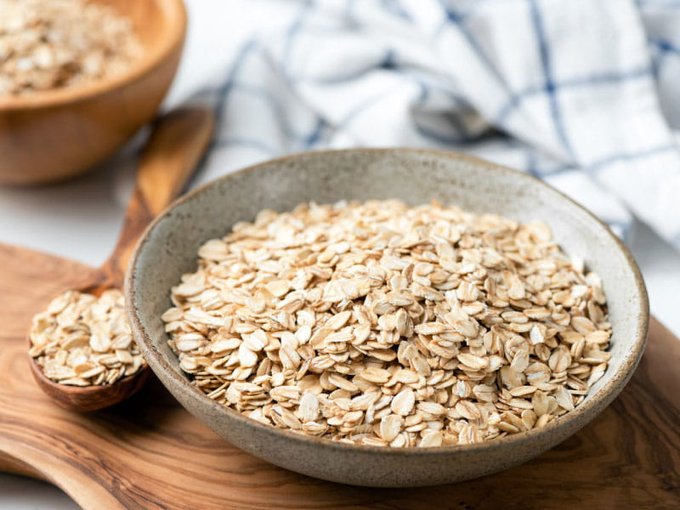
Can you prevent heart disease if it runs in your family? A sports cardiologist goes over how people with a family history of heart disease may be able to reduce their risk. pic.twitter.com/dkDf8WRlLv
Can you prevent heart disease if it runs in your family? A sports cardiologist goes over how people with a family history of heart disease may be able to reduce their risk.
It’s hard to feel sad or stressed with all this cuteness. We have science to prove it! Pets help raise their owners’ fitness levels, improve blood pressure, cholesterol and blood sugar levels, and boost overall happiness and well-being. pic.twitter.com/onB8EEGK5W
— American Heart Association (@American_Heart) June 27, 2025
Multiple cardiac benefits result from frequent consumption of dark chocolates rich in flavanols, including our response to stress.
Recently when talking with my 7-year-old daughter, I asked her what was the best food she could eat for a snack. As the daughter of a cardiologist you may imagine that she would have been taught the enduring virtues of eating fruits and vegetables and how these are the best foods to use as snacks. She told me that my question was easy and replied, “the best snack is chocolate.” I asked her where she learned that and she told me her mother told her so. How can you really argue against that logic?
This question posed to my daughter then led to more investigation during my clinic. I asked many patients informally what were their favorite snacks. Since they were in a cardiologist’s office they would often say some sort of fruit or vegetable and then add they only consume it in a small quantity.
I then would ask, “now what really is your favorite snack?”
I particularly enjoyed the response of a couple in their mid 70s. I have seen both of them both for atrial fibrillation for over 5 years. She said, “my true favorite snack is chocolate.” Then almost immediately after, as if there was a sense of guilt in admitting this, she said, “but chocolate is healthy right? I try to eat dark chocolate.” Her husband laughed at her and said she eats more than dark chocolate. He then replied, “my favorite snack is anything you put in front of me.” In my informal poll of true favorite snacks, chocolate was mentioned in about two thirds of my patients. Most of my patients felt dark chocolate in particular was healthy.
Dark chocolate and other cocoa products have gained a lot of attention worldwide as dietary supplements to improve heath. These products are rich in in flavanols. Flavanols are felt to mediate some of the heart healthy properties of chocolate. Flavanols are also found in many other food sources felt to be heart healthy such as grapes, apples, blackberries, legumes, red wine, and green tea. But of all of these food sources, the relative concentration of flavanols is highest in chocolate. As you may have guessed, dark chocolate contains much higher concentrations of flavanols compared to milk or white chocolate. In some chocolates the production process all but eliminates flavanols.
What Are the Heart and Vascular Benefits of Eating Dark Chocolate?
Lower Blood Pressure. Consumption of cocoa increases nitric oxide, studies show. For a good review of benefits, see Cocoa and Cardiovascular Health. Nitric oxide is a naturally occurring chemical in our bodies. Nitric oxide acts on small receptors in our blood vessels and prompts the vessels to dilate. This process lowers blood pressure. High blood pressure as discussed in many of my prior columns is associated with many types of heart disease including heart failure, atrial fibrillation, and atherosclerosis. High blood pressure is also associated with cognitive decline, dementia, and stroke.
Coronary Artery Health and Stability. As our arteries become diseased from atherosclerosis, plaques grow and over time begin to impair blood flow. If the surface of these plaques becomes disrupted or inflamed the plaques may ulcerate. The body responds to the ulceration by forming a clot in an effort to heal the wound. This process can lead to a heart attack. Cocoa may help stabilize plaques and minimize their risk of rupture by reducing smooth muscle cell proliferation (a process that causes plaques to grow), platelet adhesion (a process that results in clot formation in the artery), and preventing leukocyte adhesion and migration (processes that causes these plaques to become inflamed and unstable).
Lower Cholesterol. People with elevated total cholesterol with increased levels of low-density lipoprotein (LDL) cholesterol have a higher risk of cardiac disease, in particular coronary atherosclerosis and heart attacks. Flavanols reduce cholesterol absorption in our gastrointestinal track and also the synthesis of LDL cholesterol, research shows. They may also help raise high-density lipoprotein (HDL) cholesterol, the part of our cholesterol that is felt to be protective of heart disease, a clinical trial reported. Lower LDL and higher HDL levels after cocoa consumption were seen in people with both normal cholesterol levels to begin with and those with elevated levels that needed treatment. Multiple medications reduce LDL cholesterol, but very few things and essentially no medications raise HDL cholesterol consistently.
Dark Chocolate Changes Our Body’s Response to Stress
My wife often says, “I eat chocolate when I am stressed.” As I mentioned in a prior column, stress and our response to it can be a very potent risks of heart disease. In this regard, what if chocolate can improve how we respond to stress?
This brings me to the newest study regarding dark chocolate that I found very interesting. When we are stressed our body signals out chemicals that raise our blood pressure and help us fight the stressor. These chemicals or hormones are stored in the brain (pituitary gland), the adrenal glands, and other parts of the nervous system. A rececent study looked at how the body responded to stress by measuring these chemicals (cortisol, epinephrine, adrenocorticotropic hormone [ACTH], and norepinephrine) in 31 men consuming dark chocolate (“Noir 72 percent”; Chocolat Frey AG, Buchs/Aargau, Switzerland) versus 34 men that received a placebo chocolate that did not contain flavanols. The men then underwent a significant stress.
The stress was a 5-minute mock job interview and then a 5-minute mental arithmetic task in front of an audience. It is probably easy for most of us to imagine feeling very stressed if we had to try to solve a complex math problem in our head in 5 minutes while others watched, or we had to receive an intense job interview.
What these researchers found about the effect of chocolate was significant. Those men consuming dark chocolate had lower levels of cortisol and epinephrine after the stress. Although their brain response to stress was similar (ACTH levels were identical in both groups) the body’s response to the brain signals of stress was blunted. In particular, the response of the adrenal gland, which produces cortisol, was much less. Less released cortisol and epinephrine with stress is important as these are strong stimulants of the heart and blood vessels. With repetitive stress over time, both the heart and blood pressure have be negatively effected. Finally, since the body response was less significant, men consuming dark chocolate reported having less feelings of stress during the process.
My daughter was right, dark chocolate or chocolate rich in flavanols is a healthy food choice. The benefits of dark chocolate need to be carefully considered with the calories consumed, but in general there are multiple heart-related advantages with frequent consumption. In addition, as my wife mentioned to me, dark chocolate also may help you deal with stress, not only how you perceive it mentally, but also how your body responds to it.
Today is #WorldHeartDay, and we are shining a light on proactive cardiac health.
Professor Pat Nash, Consultant Cardiologist at Blackrock Health, explains the types of screening tests available for heart disease.
Professor Nash always checks key factors like smoking, diet, weight, lifestyle, exercise, and blood pressure. If there’s a strong family history, a CT Calcium Score – a powerful tool for gaining deeper insights and guiding personalised prevention strategies – might be recommended for more detail.
Knowing your risks is key to a healthy heart. Explore our cardiology services and advanced screening options: https://ow.ly/M2Fu50WP841
Sitting vs. Standing DYK that more standing and less sitting can help you lose weight, increase productivity, and lower risk of heart disease. Take a stand for health and success today! Learn more https://mayocl.in/2Mbvqnm