Harvard HealthVerified account @HarvardHealth
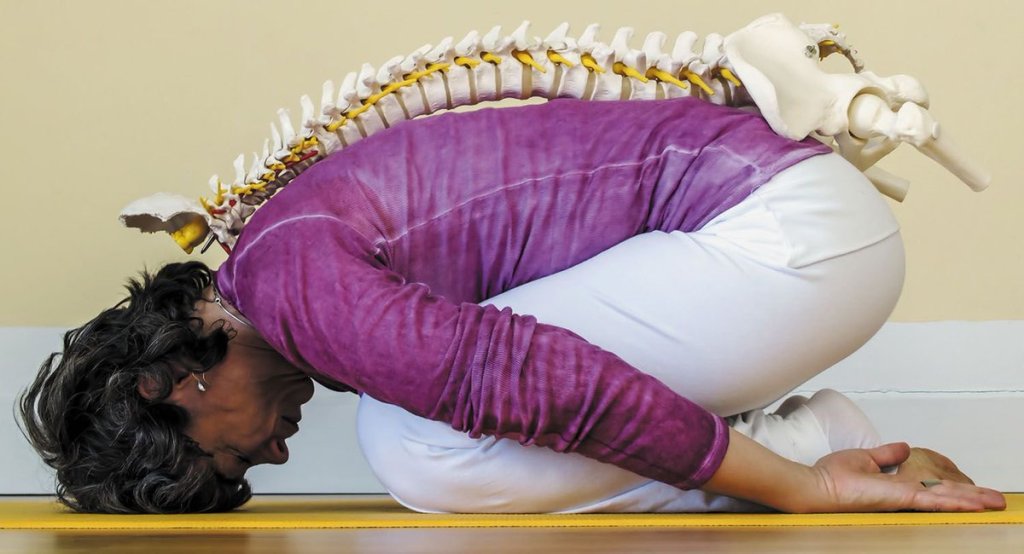
The best medicine for back pain may be good old-fashioned movement and exercise. http://bit.ly/2TArb8A #HarvardHealth #exercise

Health is Wealth
Harvard HealthVerified account @HarvardHealth
The best medicine for back pain may be good old-fashioned movement and exercise. http://bit.ly/2TArb8A #HarvardHealth #exercise

Chartered Society of PhysiotherapyVerified account @thecsp 37 minutes ago
There are many myths surrounding back pain, read our guide ’10 things you need to know about your back’ with the latest physio advice: http://www.csp.org.uk/yourback #LiveWellforLonger
Harvard HealthVerified account @HarvardHealth
The best medicine for back pain may be good old-fashioned movement and exercise. http://bit.ly/2TArb8A #HarvardHealth #exercise


A physical therapist says it boils down to two key things
health.clevelandclinic.org

Your sleep position, immobility, mattress and underlying conditions can all cause morning back pain
There’s nothing worse than waking up on the wrong side of the bed. But it can be hard to avoid when you wake with lower back pain in the morning. A back that throbs, aches or sends shooting pain down your legs can quickly set the tone for your day.
Most people experience lower back pain at some point, and more than 20% have chronic lower back discomfort. It’s the second most common reason people in the U.S. visit their primary care provider — behind colds and flu.
Whether you experience lower back pain all day or only in the morning, understanding what’s contributing to the pain may help you fix it. Pain management specialist Tara-Lin Hollins, MD, shares what might be behind your morning back pain and offers tips to help you wake up pain-free.
Back pain and sleep have a complicated relationship. Pain can disrupt your sleep, and poor sleep can make you more likely to have higher pain. Getting to the bottom of your pain may help end the cycle.
Dr. Hollins says several factors can contribute to morning back pain.
You spend a third of your life sleeping or resting, so if your spine is out of alignment while you sleep, it can have a significant impact on your body. Your sleep position affects your alignment and may (or may not) support the natural curvature of your spine.
“It’s common to be so tired at bedtime that you fall into bed and sleep however you hit the bed,” Dr. Hollins says. “But you may not be sleeping in the best position for your spine.”
The most beneficial sleep positions for your back are on your:
Sleeping on your stomach makes you more likely to twist your neck to the side — a quick way to throw your neck and spine out of alignment.
When you sit all day at your desk without moving, it can make you stiff. Similarly, when you sleep, you’re not moving much for seven to eight hours. Lying immobile for a long period could cause you to wake up with back or hip pain.
“Our bodies are not supposed to be stagnant for multiple hours,” Dr. Hollins explains. “Stiffness can settle in, and inflammation can build up. Then, when you try to move in the morning, releasing the inflammation can be painful.”
Tricky, right? After all, you want a good night’s sleep, and lying immobile while you doze is often a sign that you got all of your ZZZs. But to avoid lower back pain, Dr. Hollins advises taking some time to stretch before you jump out of bed.
Your mattress is your main source of back support while you sleep. And your pillow ensures proper neck alignment. A mattress that’s damaged, too soft or sagging can cause your lower abdomen to sink deeper than the rest of the spine, pulling your back out of alignment.
“All too often, people opt for a soft mattress, thinking it will be more comfortable,” Dr. Hollins notes. “You don’t want a hard mattress, but it should feel firm and supportive. You shouldn’t sink into it.”
Need tips for choosing the best mattress for your back? We can help.
Some conditions or chronic diseases may put you at higher risk for morning back pain. Chronic conditions that affect both sleep and morning back pain include:
Pregnancy can also bring back pain in the morning due to:
Lifestyle changes, like achieving a healthy weight and exercising every day, are always helpful for back pain. But Dr. Hollins also recommends actions related to sleeping that may additionally help reduce or eliminate your morning back pain.
Pillows are a great way to support your back’s alignment. Your typical sleep position should guide the pillows you use:
“Look for pillows that are specific to your sleep position,” Dr. Hollins advises. “But no matter which position you use, adding pillows strategically around your body can support your spine and reduce morning pain.”
If you’re used to sleeping in the same position every night, it can be challenging to change it. But small adjustments may help:
“You want to be as comfortable as possible when you go to sleep,” Dr. Hollins says. “That way, you’ll be more likely to stay in a supportive sleep position.”
According to the Sleep Foundation, the general guideline is to replace your mattress every six to eight years. But you may need a new mattress sooner if yours is:
When choosing a new mattress, choose a “medium firm” mattress — level 6 out of 10 on the mattress firmness scale. It may reduce your back pain symptoms by nearly half.
Most people get out of bed as soon as they wake up, Dr. Hollins points out. But taking a few minutes to prepare your back for transitioning to sitting, standing and walking can help with morning back pain.
See your healthcare provider if your back pain worsens or occurs most mornings for two or three months. They can check for underlying back issues and may prescribe physical therapy.
“Don’t wait six or eight months to see your provider,” Dr. Hollins urges. “They can provide guidance about the best stretches to do, and your back will thank you.”
 Dr Nina Byrnes and Angela O’Donoghue liked
One of my favourite things is to do some exercises with patients. Basic stuff for knee or shoulder pain but it is so rewarding to have something to offer other than tablets. Someday there will be a gym in my practice with physical therapists and I will be prescribing exercise.



Shoulder pain, stiffness or weakness can make it difficult to carry out everyday tasks, like reaching for something on a high shelf, driving a car or brushing your hair. If you have pain that won’t go away, it’s time to see a doctor.
There are a number of possible causes of shoulder pain, but the most common causes of shoulder pain are rotator cuff injuries, rotator cuff tears and osteoarthritis, says orthopaedic surgeon Mark Schickendantz, MD.
The rotator cuff is a group of four muscles and their tendons that surround the shoulder joint, and connect the shoulder blade to the upper arm bone. Bursae, small sacs near the joint, provide lubricating fluid that decreases friction among the bones, tendons and ligaments.
Rotator cuff problems occur through overuse, and they include tendonitis, strains and partial and complete tears of the tendon.
Tendonitis is when the rotator cuff tendon becomes inflamed and irritated; bursitis is when the bursae swell. Tendonitis and bursitis cause pain in the front and side of the shoulder, and you might also feel some stiffness.
“These two conditions can occur with activities that involve using your arms overhead, like tennis, yoga or painting a room,” Dr. Schickendantz says. “Often the pain will be worse at rest and improve with activity.”
Treatment involves rest, applying ice, and taking nonsteroidal anti-inflammatory drugs (NSAIDs), such as ibuprofen, which is sold under the brand names Advil and Motrin, or naproxen, which is sold under the brand name Aleve. After a few weeks, most people with tendonitis recover, Dr. Schickendantz says.
If you experience shoulder pain at night that makes it difficult to fall asleep or awakens you, you may have a tear in one or more of the rotator cuff tendons.
“Night pain is the hallmark of a rotator cuff injury,” Dr. Schickendantz says.
You also may have this type of injury if you feel pain when lifting your arm overhead and weakness in the shoulder when trying to lift anything above shoulder level.
A rotator cuff tendon can tear from a single event, like falling down on an outstretched arm. It also can happen from a motion that is repeated over time. For example, a plumber who frequently uses his or her arms overhead can develop a rotator cuff tear. The rotator cuff also can weaken with age.
Treatment is rest, avoiding aggravating activities, physical therapy, applying ice, and NSAIDs. Some people with more severe pain may be helped with a corticosteroid injection, which is a powerful anti-inflammatory medication.
“I usually reserve the use of corticosteroids for someone who has severe night pain and is not responding well to oral medications,” Dr. Schickendantz says.
Surgery to repair the rotator cuff tendon is an option if these measures don’t give relief.
Osteroarthritis happens when cartilage, which is the cushioning material that covers the ends of your bones, deteriorates, which leads to pain and stiffness.
Osteoarthritis causes a deep ache in the back of the shoulder. As osteoarthritis worsens, stiffness in the shoulder develops. People with osteoarthritis typically lose the ability reach behind their back.
“Patients often say they are unable to scratch their back or thread a belt,” Dr. Schickendantz says.
Osteoarthritis symptoms develop over time. For some people, an old shoulder injury from sports or some other activity, may kick off the degenerative process that years later results in osteoarthritis. But many people have no specific cause — it’s just wear and tear over time.
Treatment for osteoarthritis of the shoulder is similar to treatment for a rotator cuff tear, involving physical therapy, NSAIDs and ice. If the condition is severe, you can undergo shoulder joint replacement surgery, which is similar to joint replacement for hips and knees.
Your sleep position, immobility, mattress and underlying conditions can all cause morning back pain
There’s nothing worse than waking up on the wrong side of the bed. But it can be hard to avoid when you wake with lower back pain in the morning. A back that throbs, aches or sends shooting pain down your legs can quickly set the tone for your day.
Most people experience lower back pain at some point, and more than 20% have chronic lower back discomfort. It’s the second most common reason people in the U.S. visit their primary care provider — behind colds and flu.
Whether you experience lower back pain all day or only in the morning, understanding what’s contributing to the pain may help you fix it. Pain management specialist Tara-Lin Hollins, MD, shares what might be behind your morning back pain and offers tips to help you wake up pain-free.
Back pain and sleep have a complicated relationship. Pain can disrupt your sleep, and poor sleep can make you more likely to have higher pain. Getting to the bottom of your pain may help end the cycle.
Dr. Hollins says several factors can contribute to morning back pain.
You spend a third of your life sleeping or resting, so if your spine is out of alignment while you sleep, it can have a significant impact on your body. Your sleep position affects your alignment and may (or may not) support the natural curvature of your spine.
“It’s common to be so tired at bedtime that you fall into bed and sleep however you hit the bed,” Dr. Hollins says. “But you may not be sleeping in the best position for your spine.”
The most beneficial sleep positions for your back are on your:
Sleeping on your stomach makes you more likely to twist your neck to the side — a quick way to throw your neck and spine out of alignment.
When you sit all day at your desk without moving, it can make you stiff. Similarly, when you sleep, you’re not moving much for seven to eight hours. Lying immobile for a long period could cause you to wake up with back or hip pain.
“Our bodies are not supposed to be stagnant for multiple hours,” Dr. Hollins explains. “Stiffness can settle in, and inflammation can build up. Then, when you try to move in the morning, releasing the inflammation can be painful.”
Tricky, right? After all, you want a good night’s sleep, and lying immobile while you doze is often a sign that you got all of your ZZZs. But to avoid lower back pain, Dr. Hollins advises taking some time to stretch before you jump out of bed.
Your mattress is your main source of back support while you sleep. And your pillow ensures proper neck alignment. A mattress that’s damaged, too soft or sagging can cause your lower abdomen to sink deeper than the rest of the spine, pulling your back out of alignment.
“All too often, people opt for a soft mattress, thinking it will be more comfortable,” Dr. Hollins notes. “You don’t want a hard mattress, but it should feel firm and supportive. You shouldn’t sink into it.”
Need tips for choosing the best mattress for your back? We can help.
Some conditions or chronic diseases may put you at higher risk for morning back pain. Chronic conditions that affect both sleep and morning back pain include:
Pregnancy can also bring back pain in the morning due to:
Lifestyle changes, like achieving a healthy weight and exercising every day, are always helpful for back pain. But Dr. Hollins also recommends actions related to sleeping that may additionally help reduce or eliminate your morning back pain.
Pillows are a great way to support your back’s alignment. Your typical sleep position should guide the pillows you use:
“Look for pillows that are specific to your sleep position,” Dr. Hollins advises. “But no matter which position you use, adding pillows strategically around your body can support your spine and reduce morning pain.”
If you’re used to sleeping in the same position every night, it can be challenging to change it. But small adjustments may help:
“You want to be as comfortable as possible when you go to sleep,” Dr. Hollins says. “That way, you’ll be more likely to stay in a supportive sleep position.”
According to the Sleep Foundation, the general guideline is to replace your mattress every six to eight years. But you may need a new mattress sooner if yours is:
When choosing a new mattress, choose a “medium firm” mattress — level 6 out of 10 on the mattress firmness scale. It may reduce your back pain symptoms by nearly half.
Most people get out of bed as soon as they wake up, Dr. Hollins points out. But taking a few minutes to prepare your back for transitioning to sitting, standing and walking can help with morning back pain.
See your healthcare provider if your back pain worsens or occurs most mornings for two or three months. They can check for underlying back issues and may prescribe physical therapy.
“Don’t wait six or eight months to see your provider,” Dr. Hollins urges. “They can provide guidance about the best stretches to do, and your back will thank you.”


 Healthaware