
Everyday HealthVerified account @EverydayHealth 3 hours ago
Exercise may help reduce the frequency and intensity of migraines https://trib.al/AQ41yg0

Health is Wealth
Everyday HealthVerified account @EverydayHealth 3 hours ago
Exercise may help reduce the frequency and intensity of migraines https://trib.al/AQ41yg0


Alcohol alters brain chemistry and can cause problems for our mental health. Read more here: http://bit.ly/28UTwMA

drinkawareVerified account @Drinkaware 41 minutes ago
Alcohol can affect your #skin and how you look: http://bit.ly/2mJgcH0

drinkawareVerified account @Drinkaware 2 minutes ago
Visceral fat? Sounds scary? Here’s why #MHW2017
drinkawareVerified account @Drinkaware 2 hours ago
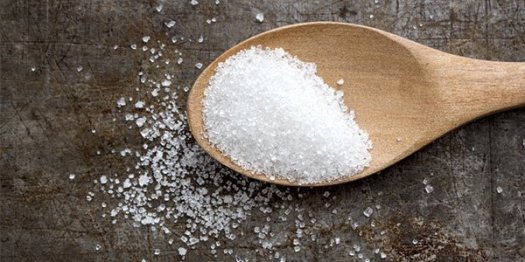
Alcohol is packed full of sugar. Find out more here: http://bit.ly/1qfFtZ6

drinkawareVerified account @Drinkaware 1 hour ago
Alcohol is linked to 7 types of #cancer and your risk increases the more you drink. Find out more: http://bit.ly/1fqYC5K #ICCD #ICCD2018 #worldcancerday

drinkawareVerified account @Drinkaware 2 hours ago
Can #alcohol increase your risk of developing #BowelCancer? The short answer is yes. Find out how you can keep the risks from alcohol to your health at a low level here: https://bit.ly/2hgbYrQ #StepUpfor30 @KnowYourPulse

According to the Dietary Guidelines for Americans, moderate alcohol consumption is up to one drink per day for women and up to two drinks per day for men. However, even this is too high when we look at the research. And many people are drinking more than that.
Size matters too. A serving size is a 12-ounce beer, 5-ounce glass of wine, or a 1.5-ounce shot of liquor. Some people generously fill their wineglass (16 to 18 ounces) and consider it one glass.
Some research shows that light to moderate alcohol consumption can have anti-inflammatory benefits. However, large amounts of alcohol can create intestinal inflammation through multiple pathways.
A vicious cycle ensues as the inflammatory response exacerbates alcohol-induced organ damage, affecting your gut but also other organs, like the liver.
How your body responds to alcohol depends on several factors. Enjoying a glass of organic red wine will have a completely different impact than drinking a margarita or other sugary alcohol concoctions (a surefire way to rev up inflammation, by the way, based on everything I noted in the above section about sugar).
Some people also enjoy a glass of dry red wine as their dessert. For others, a glass becomes two, and before they know it, they’re devouring a second piece of pie. In other words, know how alcohol makes you behave, as it disinhibits your brain control centers and will lead you to overindulge in the other contributors to inflammation.
Like caffeine, alcohol can be dehydrating. Be especially mindful to drink sufficient water when you’re drinking. Certain situations like drinking while flying can be even more dehydrating, potentially exacerbating inflammation.
So, how much alcohol can you get away with without causing too much inflammation? Stick to one drink three times a week or less to enjoy your cup while keeping the tides of inflammation low. And for your long-term health, it’s better to be an intermittent non-binge-drinker than a regular drinker.
Let’s face it—a warm brew, a glass of red wine, and an occasional pastry are all life’s little pleasures. Consumed mindfully and in a low-stress environment, they will minimally affect inflammation and can even be anti-inflammatory. Treating these as luxuries to enjoy in moderation allows you to indulge, while managing inflammation and keeping your cells young.
https://www.mindbodygreen.com/articles/how-caffeine-sugar-and-alcohol-affect-inflammation

 drinkaware
  Healthaware