Up to 85% of people in the U.S. experience back pain in their lifetime. And 28% of people with chronic pain turn to alcohol for relief. So, it can be helpful to understand possible connections between the two. There are many reasons you may experience back pain, and alcohol can… pic.twitter.com/BmRjRJpPgQ
Two friends share laughter and wine during a relaxed evening at home.
Note: While research on alcohol is evolving, the World Health Organization says drinking less or not at all is better for your health.
If you’ve noticed your hair thinning or that you’re losing hair more rapidly, you may be wondering whether your alcohol consumption is to blame. After all, alcohol is tied to a wide range of health issues, from liver disease to nutrient deficiencies and cardiovascular conditions — more than 200 health conditions in all.
[1] Could it also be contributing to your hair loss?
The short answer: Alcohol itself isn’t a direct, proven cause of hair loss. But excessive drinking may contribute to factors that negatively affect hair health, such as nutritional deficiencies, dehydration, hormonal disturbances, and immune system impairment.
[1]
“There’s no direct causal relationship that’s been defined. What we see instead is a suggested link, especially with androgenic alopecia, or pattern hair loss. And it may depend on the type and amount of alcohol consumed,” says Chris Adigun, MD, a dermatologist in private practice in Chapel Hill, North Carolina.
Here’s a closer look at what the science says if you’re worried about the potential role of alcohol in your hair health.
Alcohol and Hair Loss: What the Science Shows
Currently, there’s no strong evidence that alcohol directly causes hair loss. But researchers have studied how drinking causes ripple effects on overall health, including indirectly influencing hair loss.
One research review that included 17 studies and more than 61,000 participants — mostly women — found that consuming higher amounts of sugary drinks and alcohol was linked to more hair shedding. The researchers even suggest that limiting alcohol may be beneficial in supporting hair health, though further research is needed to confirm the findings.
[2]
The research review isn’t able to determine the two are linked, but some clear factors are at play, says Julia Zumpano, RD, a registered dietitian at Cleveland Clinic’s Digestive Disease & Surgery Institute in Ohio.
“One probable cause could be the role these beverages play in the gut microbiome and nutrient absorption,” Zumpano says.
Excessive drinkers may also eat less nutrient-dense foods and may be deficient in nutrients crucial to hair health, such as vitamin D, iron, protein, and B12, she says. Chronic nutrient deficiency can weaken the hair’s structure and cause thinning.
[3]
Both theories are backed by research. It’s been established that chronic alcohol use is tied to malnutrition via alcohol’s effects on the small intestine’s ability to absorb key nutrients.
[4]
Genetics are another key factor, according to research. One study that looked at more than 1,100 men who were diagnosed with androgenetic alopecia found that regular drinkers had a 61 percent increased risk that their pattern hair loss would advance to moderate or severe stages.
[5]
In this case, the researchers said doctors should consider counselling patients with a genetic predisposition to hair loss to steer away from alcohol as a preventive measure.
[5]
And then there’s the stress on the body that alcohol may cause, Dr. Adigun says. Excessive drinking can disrupt sleep, trigger dehydration, and weaken the immune system, all of which can indirectly affect hair health.
[6]Should You Drink if You Have Hair Loss?
If you’re already dealing with hair thinning or shedding, do you need to stop drinking altogether? The answer depends on how much you drink and your overall health.
Based on the research, if you’re genetically predisposed to hair loss, Adigun suggests limiting alcohol consumption to avoid accelerating the process. “If someone has a family history of androgenic alopecia, for example, adding alcohol as another risk factor is inadvisable if they want to keep their hair,” she says.
But for most adults, moderate drinking — up to one drink per day for women and two for men, according to U.S. dietary guidelines — is unlikely to directly trigger hair loss, Adigun says.
[7]
If you drink excessively, cutting back may support your hair health indirectly by lessening the negative impact on your sleep, immune system, and your ability to absorb nutrients.
The term “excessive drinking” typically refers to binge drinking or heavy drinking. Binge drinking consists of consuming multiple drinks on a single occasion — 4 or more for women, 5 or more for men. Heavy drinking is defined as consuming 8 or more drinks per week for women, or 15 or more for men.
[8]
Your best bet is to meet with a dermatologist, who can help sort out the underlying causes of your hair loss — whether they’re genetic, hormonal, nutritional, or related to other health conditions. A dermatologist can run tests, identify the type of hair loss, and create a treatment approach that may combine medications, supplements, and lifestyle changes.
[9]
“Hair loss doesn’t happen in a vacuum, it’s complex. Alcohol is one piece of the puzzle, but we also need to look at genetics, lifestyle, and other contributing factors,” Adigun says.
Does Alcohol Interact With Hair Loss Medications?
If you’re taking medication for hair loss, you may wonder whether alcohol is safe. Some hair regrowth treatments don’t interact with alcohol, but others may increase your risk of side effects when combined with drinking.
Always ask your doctor or pharmacist before combining the two.
Here’s a look at some common treatments for hair loss and their potential interactions.
Minoxidil (Rogaine)
Topical application of minoxidil has no known alcohol interactions, but oral minoxidil may increase the risk of severe hangovers in people who are drinking heavily while taking the medication.
[10]
[11]
Finasteride (Propecia)
There are no major interactions with alcohol while taking this medication.
[12]
Spironolactone (Aldactone)
This medication is used off-label for female pattern hair loss. While taking it, women should stick within recommended guidelines for daily alcohol consumption — one drink per day or less. Alcohol can make some people feel dizzy or sleepy. If this happens to you, try not to drink alcohol while taking spironolactone.
[13]
[7]
Adigun also reminds people who are already exploring hair restoration options, such as topical and oral medications or injections, to try not to undermine their progress by drinking.
“If you’re doing treatments like minoxidil or [platelet-rich plasma injections] and at the same time, [you’re] drinking moderately or heavily, you’re adding a risk factor that we know increases [hair loss] severity,” she says. “Why continue a habit that worsens the condition you’re trying to treat?”
The Takeaway
Alcohol hasn’t been proven to directly cause hair loss, but excessive drinking can worsen hair shedding indirectly by disrupting sleep, hydration, and nutrient absorption — all of which can affect hair health.
Genetics play a key role in pattern baldness — and if you’re predisposed to androgenic alopecia, research suggests that alcohol may accelerate the process.
If you’re treating hair loss with medications or procedures, cutting back on alcohol can help you get the best results and avoid undermining your progress. Work with a dermatologist to understand what may be causing your hair loss.
Even casual drinking can put your long-term health at risk. Our liver specialist explains the findings of this study.
New Study: No Level of Alcohol — Even Casual Drinking — Is Entirely Safe
Leading cause of death of those age 15-49
Stopping for happy hour with colleagues after work. Cracking open a cold beer (or two) while watching the game. Meeting up with girlfriends for a glass of pinot noir. Having an alcoholic beverage of choice is a common way to unwind. But according to a recent study, even casual drinking can put your long-term health at risk.
Liver specialist Jamile Wakim-Fleming, MD, did not take part in the study, but says the research found that alcohol was a leading risk factor for both disease and premature death.
“They found that alcohol was the seventh leading cause of death worldwide,” she says. “But even more alarming, is that it was the first leading cause of death of people between the ages of 15-49.”
What the study examined
The study looked at global data from hundreds of previous studies and found that for all ages, alcohol was associated with 2.8 million deaths each year.
Researchers found that alcohol-related cancer and heart disease, infectious diseases, intentional injury, traffic accidents and accidental injury were some of the leading causes of alcohol-related deaths.
But isn’t alcohol good for your heart?
Dr. Wakim-Fleming says people often believe that a little bit of alcohol, wine in particular, may be good for their heart. But the study results didn’t show any health benefit to drinking any amount of alcohol.
She says this information, along with previous research that has shown more young people are dying from alcohol-related liver disease, indicates that excessive drinking among young adults is a growing problem.
The damage grows over time
And like any substance-abuse problem, Dr. Wakim-Fleming says the damage to the body from alcohol increases over your lifespan.
“It’s a cumulative effect,” she explains. “If you do it all at once, then you’re going to have the effect now. If you drink on a regular basis, over years it’s going to be cumulative and you will end up with a problem later on.”
Dr. Wakim-Fleming notes that anything we do in life involves risk, but it’s important to know what the risks are so that we can make the best decisions for our health.
Even casual drinking can put your long-term health at risk. Our liver specialist explains the findings of this study.
New Study: No Level of Alcohol — Even Casual Drinking — Is Entirely Safe
Leading cause of death of those age 15-49
Stopping for happy hour with colleagues after work. Cracking open a cold beer (or two) while watching the game. Meeting up with girlfriends for a glass of pinot noir. Having an alcoholic beverage of choice is a common way to unwind. But according to a recent study, even casual drinking can put your long-term health at risk.
Liver specialist Jamile Wakim-Fleming, MD, did not take part in the study, but says the research found that alcohol was a leading risk factor for both disease and premature death.
“They found that alcohol was the seventh leading cause of death worldwide,” she says. “But even more alarming, is that it was the first leading cause of death of people between the ages of 15-49.”
What the study examined
The study looked at global data from hundreds of previous studies and found that for all ages, alcohol was associated with 2.8 million deaths each year.
Researchers found that alcohol-related cancer and heart disease, infectious diseases, intentional injury, traffic accidents and accidental injury were some of the leading causes of alcohol-related deaths.
But isn’t alcohol good for your heart?
Dr. Wakim-Fleming says people often believe that a little bit of alcohol, wine in particular, may be good for their heart. But the study results didn’t show any health benefit to drinking any amount of alcohol.
She says this information, along with previous research that has shown more young people are dying from alcohol-related liver disease, indicates that excessive drinking among young adults is a growing problem.
The damage grows over time
And like any substance-abuse problem, Dr. Wakim-Fleming says the damage to the body from alcohol increases over your lifespan.
“It’s a cumulative effect,” she explains. “If you do it all at once, then you’re going to have the effect now. If you drink on a regular basis, over years it’s going to be cumulative and you will end up with a problem later on.”
Dr. Wakim-Fleming notes that anything we do in life involves risk, but it’s important to know what the risks are so that we can make the best decisions for our health.
You know exercise is good for you, but do you know how good? From boosting your mood to helping control your weight, find out how exercise can improve your life. https://mayocl.in/2CXOCRb
It may come on in those first few sips of alcohol. Or maybe you’re hit with a hot flash whenever you’re a few drinks in. But whenever you drink, you seem to experience a sudden sensation of warmth, and your face, neck and upper chest become covered in red patches and blotchy skin.
Is facial flushing a sign that you can’t handle your alcohol? Or is this a symptom of something more severe? Dermatologist Alok Vij, MD, explains just what causes facial flushing, along with some truth behind some common misconceptions.
What causes your face to turn red when you drink alcohol?
There are a couple of different root causes for facial flushing. More technically termed the “alcohol flush reaction,” this occurs because your body either can’t fully digest the alcohol you’re consuming or because your body is having an inflammatory response to drinking alcohol.
“Your face may flush from alcohol for two reasons: Because of an enzyme deficiency or because of rosacea,” says Dr. Vij. “Both are tied to your ethnicity.”
Enzyme deficiency
Many Asian populations, specifically 35% to 45% of East Asians, have a deficiency in alcohol dehydrogenase, the enzyme that breaks down a specific substance in alcohol called acetaldehyde.
“Alcohol is toxic to cells, and when it gets into the cells of your blood vessels, it makes them dilate,” explains Dr. Vij. “This reddens the skin and can make you feel warm.”
But without enough of this enzyme, you can end up having too much acetaldehyde in your body, and this makes alcohol reach toxic levels much earlier in your cells. This results in your skin becoming flushed.
Rosacea
Fair-skinned people of Northern European backgrounds who flush when they drink may have some degree of rosacea.
You may be asking yourself this question if you’ve ever experienced facial flushing. On the surface, facial flushing might feel cosmetically embarrassing at most and may not come with any other dangerous symptoms. For those with an enzyme deficiency, facial flushing can occasionally be experienced with increased onset of nausea or vomiting because of your body’s inability to fully digest the alcohol you’re consuming.
“Alcohol most frequently passes through these sites,” states Dr. Vij. “Toxicity and DNA damage can build up in cells and, eventually, a cancer can form.”
But recent studies report that those who get an alcohol flush because of an enzyme deficiency are also at heightened risk of digestive, liver and respiratory cancers. These populations are more vulnerable to alcohol’s toxicity, as it’s processed and later eliminated in:
Your gastrointestinal (GI) tract, especially your stomach, where alcohol is absorbed.
Your liver, where alcohol is sent after it’s absorbed by your stomach.
Your lungs, where alcohol in your blood is released in your breath.
Is rosacea linked to cancer?
“We don’t think of rosacea as a precancerous disease,” Dr. Vij clarifies. “The biggest problems rosacea causes are a bulbous nose, like W.C. Fields had, and eye inflammation.”
(It was rosacea — not alcoholism — that made the storied comedian’s nose look large, red and bumpy, because of an overgrowth of the sebaceous glands, Dr. Vij adds.)
In addition, rosacea can make your eyes feel itchy, dry and chronically irritated. These eye symptoms can be managed with anti-inflammatory medication.
“We typically prescribe oral antibiotics like doxycycline or minocycline, often at lower doses than are required to kill bacteria,” he continues.
How to prevent facial flushing when drinking
If an alcohol flush makes you feel self-conscious when you drink, certain treatments can help:
Topical medications: Medicines like brimonidine (Mirvaso®) can block blood vessels in your skin from dilating.
Laser treatments: A series of laser treatments can shrink the superficial blood vessels in your skin. “You usually need three to 10 treatments to get the full effect, but it can last for years, and prevent broken blood vessels in the later stages of rosacea,” notes Dr. Vij.
But because these medications and laser treatments are considered cosmetic, they aren’t typically covered by insurance.
Are some types of alcohol more likely to cause flushing?
So, if your face flushes, are specific kinds of alcohol to blame? And can you avoid some but not others as an at-home treatment approach to facial flushing?
“It’s really patient-specific. Some people with rosacea flush more with red wine; others flush more with hard liquor,” says Dr. Vij.
If you have rosacea and keep track of what happens when you drink, you may be able to find your triggers. But if facial flushing is an issue for you at all, avoiding alcohol in all its forms might be the next best and most equitable solution.
“If flushing bothers you, and you know alcohol is a trigger, the easiest and most cost-effective solution is to avoid it,” suggests Dr. Vij.
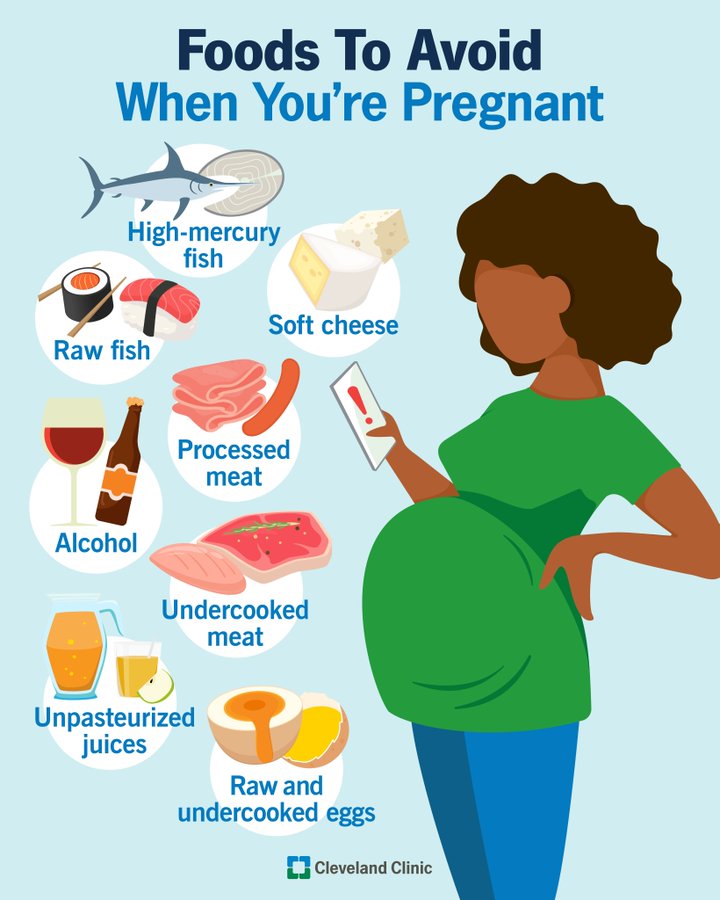
When you’re pregnant, it’s important to eat a healthy diet that provides the nutrients you need. That helps keep you feeling your best and promotes healthy fetal development. But pregnancy also puts you at higher risk for foodborne illness. Some foods and drinks can increase your risk for pregnancy complications. Avoid high-mercury fish and processed meat, and go easy on salt and caffeine.
What to know before grabbing an ice-cold beer to beat the heat:
It’s a warm summer day and you’re hanging out with friends and family for the first time in over a year, celebrating being vaccinated and just being together. And to help beat the heat, you reach in the cooler for an ice-cold beer.
While that might be refreshing at the moment, though, there’s good reason to grab some water, too. The heat of summer can be brutal, sometimes, and its effects are amplified when you’ve had a little too much alcohol.
To better understand the risks you face when drinking alcohol during this hot vaccine summer, we spoke with registered dietitian Julia Zumpano, RD.
The biggest danger: dehydration
Whenever you’re outside in the heat for prolonged periods – like at the beach or picnic – you’re at risk of dehydration. Consuming alcohol only heightens that risk.
Alcohol reduces the release of the hormone vasopressin, which keeps your body fluids balanced. At the same time, alcohol is also a diuretic which means more urinating and that can lead to dehydration even without the heat. Add in all that sweat from the hot sun and it’s a recipe for dehydration disaster.
One thing Zumprano points out, too, is that caffeine – whether via coffee, soda or as a mixer for liquor – heightens that dehydration risk even further.
Dehydration can also compound certain aspects of intoxication, she notes. “Altered thinking, altered abilities to drive and make reasonable decisions or even just to have conversations are all things that intoxication can cause.”
Liquor versus beer: Is one worse than the other in the heat?
Given that alcohol content is usually higher in spirits than in your average beer, it makes sense that drinking beer instead of mixed drinks might help you avoid dehydration. But the reality is a little more complex, according to Zumpano.
“If you’re consuming liquor at a volume equivalent to the volume of beer, like 12 ounces of margaritas compared to 12 ounces of an average beer, you will get drunk a lot quicker,” she says. “But if you’re drinking what’s considered an alcoholic drink equivalent, there’s not much of a difference because your alcohol intake is the same.”
According to the National Institute of Health, one alcoholic drink equivalent, also referred to as a “standard drink,” contains around 14 grams of pure alcohol. By those measurements, an average 12-ounce can of beer contains the same amount of alcohol as a 5-ounce glass of wine or a typical shot of distilled spirits like rum, vodka, gin or whiskey.
One thing to keep an eye on, though, is the alcoholic content of your beer. While major brands generally run between 4% and 5% alcohol per 12-ounce can or bottle, certain styles of craft beer are as much as 9% alcohol per the same volume. In other words, one can of your favorite local IPA delivers almost twice the amount of alcohol to your system.
Beware a false sense of hydration
Another mistake you should avoid, Zumpano says, is thinking that drinking all that liquid rehydrates you. “If you’re drinking a lot of beer or alcoholic seltzer, it can feel like you’re drinking a lot of liquid and staying hydrated, but the alcohol offsets that because it’s the dehydrating factor,” she points out.
Not that drinking mixed drinks is any better, according to Zumpano. “If you’re drinking a sugary, sweet mixed drink, you run into the same thing. It feels like you’re staying hydrated because they go down so much smoother than drinking spirits on the rocks. But it’s the same effect as with beer: The alcohol is still dehydrating you unless you’re also drinking enough water.”
Sugar, the hidden villain
All of these drinks have other adverse health effects, too. They can pack a bunch of calories into a single serving – as many as 400 to 500 calories in some mixed drinks and craft beers – and they can come loaded with carbs.
There’s more, though. “If you’re drinking high sugar, high caloric intake beverages and you’re drinking a lot of them, they can be very filling,” Zumpano says. If you’re feeling full, you might not eat any food which can otherwise help absorb some of the alcohol.
How to counter dehydration: water, water, water
So what can you do to avoid dehydration troubles when you’re sipping your favorite boozy beverage by the pool? “To counteract the dehydration risk of alcohol,” Zumpano says, “drink 8 to 12 ounces of water for every alcoholic drink. It slows your intake, keeps you hydrated and can mitigate negative hangover effects.”
She suggests keeping a reusable water bottle with you that you can refill as the day goes on, taking time to drink the necessary water between beers or margaritas. Another option is to buy a pack of 8-ounce bottles of water and alternate with your booze. And you can always infuse your water with fruit to keep it flavorful.
“It’s also important to know what your trigger for over-consumption is,” she adds. “If you’re triggered by over-consuming beer or alcoholic seltzer, you want to be mindful of that. Try to switch a drink you have better control of and keep the water bottle handy.”