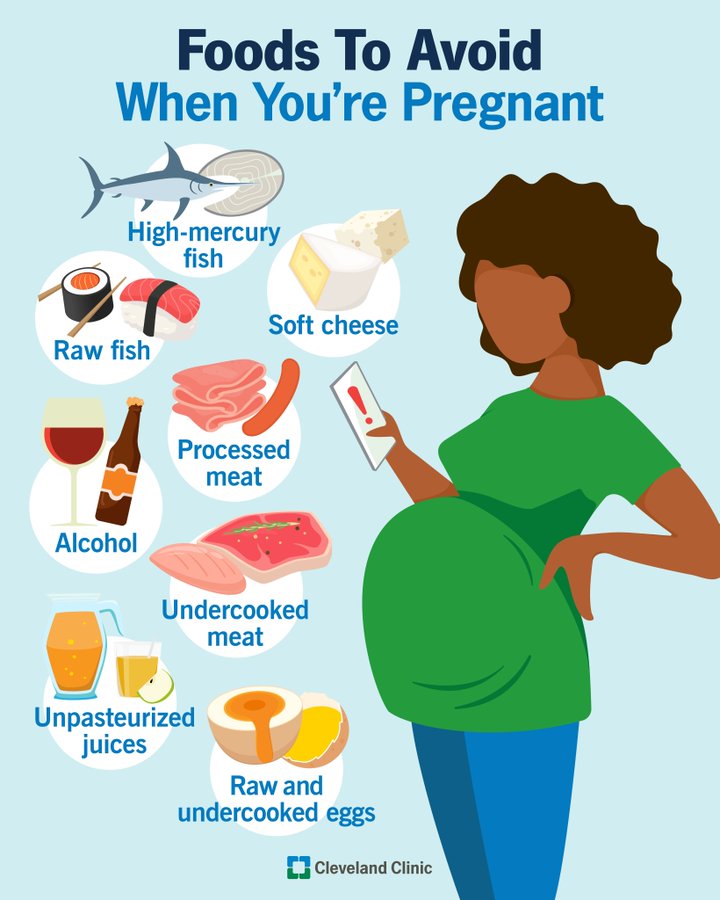
When you’re pregnant, it’s important to eat a healthy diet that provides the nutrients you need. That helps keep you feeling your best and promotes healthy fetal development. But pregnancy also puts you at higher risk for foodborne illness. Some foods and drinks can increase your risk for pregnancy complications. Avoid high-mercury fish and processed meat, and go easy on salt and caffeine.
When you’re pregnant, it’s important to eat a healthy diet that provides the nutrients you need. That helps keep you feeling your best and promotes healthy fetal development. But pregnancy also puts you at higher risk for foodborne illness. Some foods and drinks can increase your risk for pregnancy complications. Avoid high-mercury fish and processed meat, and go easy on salt and caffeine.
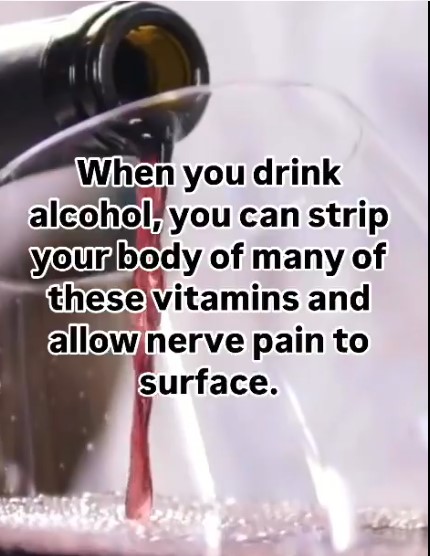
Up to 85% of people in the U.S. experience back pain in their lifetime. And 28% of people with chronic pain turn to alcohol for relief. So, it can be helpful to understand possible connections between the two. There are many reasons you may experience back pain, and alcohol can… pic.twitter.com/BmRjRJpPgQ
You’re putting your skin at risk of sunburn and even skin cancer when you pour on the beer
There’s a good chance you think a golden tan makes you look more youthful, healthier and more attractive. And while there are many ways to achieve a faux bronzed glow — think bronzers and sunless tanners — you might be tempted to try an unsafe way to get a suntan.
One of those dangerous trends is beer tanning (yes, you read that right!). The idea is that slathering your skin with beer will help you achieve a darker, richer color.
You can thank social media for spreading the concept of beer tanning. But just because TikTok or Instagram influencers are touting the results of something, doesn’t mean it’s not without its risks (Exhibit A: nasal tanning sprays).
Dermatologist Shilpi Khetarpal, MD, explains how beer tanning can harm your skin and why it’s so important to protect your skin.
What is beer tanning?
Instead of using sunscreen, people use the alcoholic beverage like a tanning lotion. The thought process is that hops — one of the main ingredients in beer — increase your skin’s melatonin.
But Dr. Khetarpal wants to be very clear: There’s no scientific evidence to support this theory. And you’re leaving your skin in a vulnerable state with no SPF protection at all.
“There are many issues with this idea of beer tanning,” she continues. “The first is that if you’re not applying sunscreen, the skin is not protected. It can also increase the chance of getting a sunburn and lead to an increased risk of skin cancer.”
The dangers of beer tanning
Just like tanning beds and using tanning oil, beer tanning is NOT good for you or your skin.
Beer tanning essentially leaves your skin unprotected. Exposure to the sun’s harmful ultraviolet (UV) rays can lead to:
And what might be most concerning is who is following this unsafe idea.
“The age groups that are following these trends are 15- to 34-year-olds — and it’s also the same age group that has a disproportionately high incidence of skin cancer and that’s on the rise,” says Dr. Khetarpal. “We’re going to see that number go up as this population ages.”
The facts on skin cancer — the most commonly diagnosed cancer in the U.S. — paint a scary picture. Here are just some of the alarming stats:
In 2024, the number of deaths from melanoma is expected to increase by 3.8%.
“We get most of our sun exposure during childhood, so it’s important to wear sunscreen every day even if you’re not outdoors,” stresses Dr. Khetarpal. “The increase in UV exposure and tanning beds is why there is an increase in skin cancer that we’re seeing today.”
Wear UPF clothing. UPF stands for “ultraviolet protection factor,” and certain clothing is made with UPF fabric.
Wear a hat and sunglasses. These items can help protect your face, the back of your neck and your eyes.
Seek out shady areas when you can. Not only can this help protect your skin, but getting a break from the hot sun can also reduce your chance of dehydration and heat stroke. Consider an umbrella when you’re at the beach.
“Protect your skin by wearing an SPF 30 or higher daily, regardless of the weather and reapply every 2 hours when outdoors,” reiterates Dr. Khetarpal. “You can also look for UPF-protected clothing and seek shade during peak sun hours, which are typically 10 a.m. to 2 p.m.”
Bottom line?
Sure, we get it — our society is somewhat obsessed with suntans and having a bronzed look. But as with most viral trends, beer tanning can do more harm than good. Ask yourself: Is having a tan worth the potential for skin cancer down the road?
And if you’re like us and Dr. Khetarpal, not only is it not worth the risk of sunburn, heat exhaustion and skin cancer, but it’s also not worth the mess it creates.
“Besides everything we know about ultraviolet exposure and putting yourself outside without sunscreen, why would you want to put something sticky and messy all over your body?” asks Dr. Khetarpal.
Up to 85% of people in the U.S. experience back pain in their lifetime. And 28% of people with chronic pain turn to alcohol for relief. So, it can be helpful to understand possible connections between the two. There are many reasons you may experience back pain, and alcohol can… pic.twitter.com/BmRjRJpPgQ
You’re putting your skin at risk of sunburn and even skin cancer when you pour on the beer
There’s a good chance you think a golden tan makes you look more youthful, healthier and more attractive. And while there are many ways to achieve a faux bronzed glow — think bronzers and sunless tanners — you might be tempted to try an unsafe way to get a suntan.
One of those dangerous trends is beer tanning (yes, you read that right!). The idea is that slathering your skin with beer will help you achieve a darker, richer color.
You can thank social media for spreading the concept of beer tanning. But just because TikTok or Instagram influencers are touting the results of something, doesn’t mean it’s not without its risks (Exhibit A: nasal tanning sprays).
Dermatologist Shilpi Khetarpal, MD, explains how beer tanning can harm your skin and why it’s so important to protect your skin.
What is beer tanning?
Instead of using sunscreen, people use the alcoholic beverage like a tanning lotion. The thought process is that hops — one of the main ingredients in beer — increase your skin’s melatonin.
But Dr. Khetarpal wants to be very clear: There’s no scientific evidence to support this theory. And you’re leaving your skin in a vulnerable state with no SPF protection at all.
“There are many issues with this idea of beer tanning,” she continues. “The first is that if you’re not applying sunscreen, the skin is not protected. It can also increase the chance of getting a sunburn and lead to an increased risk of skin cancer.”
The dangers of beer tanning
Just like tanning beds and using tanning oil, beer tanning is NOT good for you or your skin.
Beer tanning essentially leaves your skin unprotected. Exposure to the sun’s harmful ultraviolet (UV) rays can lead to:
And what might be most concerning is who is following this unsafe idea.
“The age groups that are following these trends are 15- to 34-year-olds — and it’s also the same age group that has a disproportionately high incidence of skin cancer and that’s on the rise,” says Dr. Khetarpal. “We’re going to see that number go up as this population ages.”
The facts on skin cancer — the most commonly diagnosed cancer in the U.S. — paint a scary picture. Here are just some of the alarming stats:
In 2024, the number of deaths from melanoma is expected to increase by 3.8%.
“We get most of our sun exposure during childhood, so it’s important to wear sunscreen every day even if you’re not outdoors,” stresses Dr. Khetarpal. “The increase in UV exposure and tanning beds is why there is an increase in skin cancer that we’re seeing today.”
Wear UPF clothing. UPF stands for “ultraviolet protection factor,” and certain clothing is made with UPF fabric.
Wear a hat and sunglasses. These items can help protect your face, the back of your neck and your eyes.
Seek out shady areas when you can. Not only can this help protect your skin, but getting a break from the hot sun can also reduce your chance of dehydration and heat stroke. Consider an umbrella when you’re at the beach.
“Protect your skin by wearing an SPF 30 or higher daily, regardless of the weather and reapply every 2 hours when outdoors,” reiterates Dr. Khetarpal. “You can also look for UPF-protected clothing and seek shade during peak sun hours, which are typically 10 a.m. to 2 p.m.”
Bottom line?
Sure, we get it — our society is somewhat obsessed with suntans and having a bronzed look. But as with most viral trends, beer tanning can do more harm than good. Ask yourself: Is having a tan worth the potential for skin cancer down the road?
And if you’re like us and Dr. Khetarpal, not only is it not worth the risk of sunburn, heat exhaustion and skin cancer, but it’s also not worth the mess it creates.
“Besides everything we know about ultraviolet exposure and putting yourself outside without sunscreen, why would you want to put something sticky and messy all over your body?” asks Dr. Khetarpal.
You likely know that drinking alcohol too often or to excess isn’t a good idea, health-wise. But when it comes to alcohol and heart health, you may have heard different sides. Is drinking all that bad for your heart? Can a glass of wine help reduce your risk of heart disease — or make it worse?
First things first: If you drink alcohol, you should do so in moderation to avoid alcohol-related heart issues. And you should never intentionally use alcohol to try to reduce your risk of heart disease.
To further explore the relationship between your ticker and your favorite glass of merlot or IPA, we chatted with cardiologist Leslie Cho, MD.
Ways alcohol can impact heart health
Here are some of the effects of alcohol on your heart:
Increased heart rate
One of the most important things your heart does is keep a rhythm. On average, a regular heart rate is about 60 to 100 beats per minute when your body is at rest. But alcohol can lead to your heart rate temporarily jumping up in speed, and if it goes over 100 beats per minute, it can cause a condition called tachycardia. Too many episodes of tachycardia could lead to more serious issues like heart failure or going into irregular rhythms, which can cause heart attack and stroke.
Raises blood pressure
That fourth drink at the bar may feel like it’s relaxing you, but it’s actually affecting your body differently than you might think. Alcohol can affect your blood pressure, causing it to go up temporarily. This is especially true when you engage in binge drinking (that’s defined as four or more drinks within two hours for women and people assigned female at birth, and five or more drinks within two hours for men and people assigned male at birth).
And sure, we’ve all had a night here or there where we’ve had one too many and we know it. But it’s important to make sure those nights of overindulgence are the exception and not the rule. If you’re not sure, make a note to tune into how much you’re having over the course of the next month or so. If it’s more than recommended, try to consciously pace your drinking to help reduce the spike in your blood pressure that excessive alcohol causes.
And if you have a history of high blood pressure, it’s best to avoid alcohol completely or drink only occasionally, and in moderation.
Irregular heartbeat
Whether it’s a glass of red wine with your turkey or toasting champagne for the new year, alcohol definitely becomes more present during the holiday season. And while enjoying celebratory spirits in moderation is alright for most people, it’s important to be aware you can fall victim to holiday heart syndrome if you overdo it. This is when overeating and overindulging in alcohol lead to an irregular heartbeat.
Holiday heart syndrome can happen if you don’t typically drink alcohol, but then have a few at a holiday party or if you binge drink. This can cause you to develop an irregular heartbeat, called atrial fibrillation, which can increase your risk of stroke, heart attack and heart failure.
Prolonged drinking can cause alcoholic cardiomyopathy
The short-term effects of alcohol (headache, nausea, you know the rest) are easy to pinpoint. But there are ways that alcohol affects your body over time that are important to understand. One of the long-term effects of alcohol on your heart is alcoholic cardiomyopathy. This is when your heart-pumping function gets weaker and your heart gets larger due to changes from heavy alcohol use over a long period of time.
OK, don’t panic. If you’re an occasional drinker, there’s no cause for worry. But it may be worthwhile learning about what counts as binge drinking and whether or not you may be drinking too much and don’t even know it.
Is some level of alcohol safe or beneficial?
It’s true, red wine is a better choice than hard liquor. But can a trip to the wine bar boost your heart health?
You should never consider wine or any other alcohol as a way to lower your heart disease risk. And, in fact, the study also showed that drinking one or fewer drinks per day was related to the lowest likelihood of dying from a stroke. However, Dr. Cho points out that more recent data shows that there may be no amount of alcohol that is truly safe. “The myth that wine is beneficial for heart health is no longer true,” she states.
“It’s not a good idea to start drinking alcohol in an effort to lower your risk of heart disease,” Dr. Cho continues. “It’s better not to drink any alcohol at all.”
It’s also important to know that the ways in which alcohol affects your heart will vary from person to person, depending on your age and other conditions you may have.
Age
Let’s face it, a hangover in your mid-40s doesn’t feel the same as one in your early 20s. This is because your age plays a factor in how well you tolerate alcohol. While some people develop a tolerance to alcohol over time, this isn’t true for everyone — and this ability doesn’t last forever, Dr. Cho notes.
“As we get older, our ability to clear alcohol definitely decreases and our sensitivity to alcohol probably increases,” she explains. “Also as we get older, we end up having more diseases, so we could be on medicines that can interfere with the way our bodies metabolize alcohol.”
Other medical conditions
In many ways, your medical history (and present) can tell you a lot about your future with alcohol. That means, if you’re living with other medical conditions and/or taking certain medications, this will all have an impact on how alcohol affects you.
“Certain health conditions can make drinking alcohol more dangerous,” Dr. Cho says.
For example, some people who are on cholesterol-lowering medicines may experience muscle aches when they drink alcohol. Because alcohol and cholesterol medicine both are processed through your liver, they are, in a sense, competing for clearance. So, it’s important to think about your overall health and talk to a healthcare provider about your personal risk factors.
“Alcohol is made out of sugar,” Dr. Cho points out. “So, if you’re predisposed to diabetes or if high triglycerides are one of your issues, it’s not a good idea to drink alcohol.”
Dr. Cho also warns that if you have liver dysfunction or take other medicines that are processed through the liver, your risks might be different. Talk to your healthcare provider about how alcohol might interact with your prescription medicines.
The last thing you want is for that casual drink after work or glass of wine at dinner to negatively impact your heart health. There’s a way to have a healthy, balanced relationship with alcohol that lets you enjoy a drink occasionally and celebrate with friends and family. But your heart is an important organ that should also be cared for, so be sure to drink in moderation, learn about binge drinking and know what your body can (and can’t) tolerate before opening that tab.FACEBOOKTWITTERLINKEDINPINTERESTEmailalcoholalcohol and healthalcoholic beveragesbinge drinkingheart health
A new Advisory on Alcohol and Cancer Risk outlines a connection between drinking alcohol and increased risk of cancer, specifically cancers of the mouth, throat, voice box, esophagus, breast, liver and colon.
Alcohol is a Group-1 carcinogen—but one that happens to be woven into our daily lives and often viewed as a go-to way to cope with stress or disappointment. Here are 5 ways to change that mindset, writes
Alcohol is a Group 1 carcinogen—putting it in the same category as asbestos, radiation, and tobacco.
Alcohol is woven into our daily lives and often viewed as a go-to way to cope with stress and disappointment.
Less than half of Americans are aware that drinking alcohol increases their risk of cancer.
There are healthier, more sustainable ways to manage stress.
“I need a stiff drink!” “Let’s drown our sorrows.” “I just need to unwind with a glass of wine.”
Phrases like these are so common, we barely think twice about them. Alcohol has become deeply woven into our daily lives and culture. It’s often seen as a go-to way to cope with stress, disappointment, or just the pressures of everyday life. Got bad news? Feeling overwhelmed? Need to relax? Society has taught us that it’s totally normal—even expected—to pour a big glass of wine, toss back a couple of tequila shots, or order a double whiskey.
In fact, using alcohol to handle stress is often not only accepted but actively encouraged by friends, coworkers, and the media. Movies and TV shows constantly show characters doing the same, reinforcing the idea that this is just how we deal with life.
But here’s the truth: alcohol is the one of the most widely used drugs in the world. And the way we’ve normalized it’s use as a coping mechanism deserves a closer look.
The Hidden Cost of Your Evening Glass of Wine
Alcohol is a toxic, psychoactive substance that can lead to dependence. It’s also been officially classified as a Group 1 carcinogen by the International Agency for Research on Cancer—putting it in the same category as asbestos, radiation, and tobacco. Research shows that alcohol contributes to at least seven different types of cancer, including some of the most common, like colon cancer and breast cancer. In fact, earlier this year, former U.S. Surgeon General Vivek H. Murthy issued a public health advisory warning about the clear link between alcohol use and cancer risk.
What’s concerning is that less than half of Americans are aware that drinking alcohol increases their risk of cancer. As a psychiatrist who often discusses alcohol use with patients, this lines up with what I see in practice. Many people simply don’t know that alcohol is a carcinogen. Even more common is the belief that low levels of alcohol—like a glass of wine a day—are actually good for your health, especially for the heart and brain. But that idea is being seriously questioned. In January 2023, the World Health Organization published a statement in The Lancet Public Health making it clear: When it comes to alcohol, there is no safe amount that doesn’t affect your health.
5 Things to Think About Before Reaching for a Drink to Cope With Stress
Alcohol is a known carcinogen—and a cancer diagnosis can deeply affect your mental health. Depression and anxiety are incredibly common among people with cancer. Research shows that up to 1 in 5 cancer patients experience depression, and 1 in 10 struggle with anxiety—regardless of where they are in their treatment or disease process. In fact, according to international diagnostic guidelines, about 35–40% of cancer patients meet the criteria for a psychiatric disorder. These mental health challenges don’t just impact emotional well-being—they can significantly reduce the overall quality of life for persons living with cancer. The global rate of depression among cancer patients is currently estimated at 27%. This is a noticeable increase compared to earlier data, and this trend appears to be on the rise.
That “relaxing” drink may be increasing your anxiety. While alcohol can feel calming in the moment, it’s a short-lived effect. Once the pleasurable effects of alcohol wear off, anxiety can rebound—often worse than before. Over time, this can make stress and mood disorders more difficult to manage.
Regular drinking can sneak up on you—building tolerance, dependence, and emotional numbness. What starts as the occasional glass of wine to unwind can quickly become a nightly ritual. Your body builds tolerance, meaning you need more to feel the same effects. Emotionally, alcohol can dull not just stress but joy, connection, and motivation—leaving you feeling more flat than relaxed.
Alcohol disrupts sleep, even if it helps you fall asleep. Many people use alcohol to wind down at night, but it actually interferes with sleep architecture. It may help you fall asleep faster, but it reduces the quality of your rest—leading to more fatigue, irritability, and difficulty coping with stress the next day.
There are healthier, more sustainable ways to manage stress. Whether it’s exercise, deep breathing, journaling, therapy, or connecting with others, there are countless tools for managing stress that don’t carry the risks alcohol does. Exploring these options might not provide the instant hit that a drink does—but they build resilience, not reliance.
When you wake up with a hangover, it’s a no-brainer that last night’s drinks didn’t do you much good. But research shows that the effects of heavy alcohol consumption may be doing much more to your body than just leaving you with one day of misery. Over time, as the drinks add up, alcohol can affect your biology, changing it in detrimental ways.
Excess alcohol consumption can:
1. Change Your DNA — and Make You Crave More Alcohol
Binge drinking, which the National Institute on Alcohol Abuse and Alcoholism (NIAAA) characterizes as more than four or five drinks in a two-hour sitting, and heavy drinking, defined as binge drinking on five or more days a month, can actually change your genetic makeup. A recent study, published in December 2018 in the journal Alcoholism: Clinical & Experimental Research, identified two genes that are subject to change — one affecting the body’s biological clock and one regulating the stress response system. The study’s authors, from Rutgers University, also found that the genetic changes in binge and heavy drinkers were associated with a higher desire for alcohol.
2. Increase the Risk of Cancer — Especially of the Head, Neck, Liver, and Breast
The National Cancer Institute (NCI) cites several studies, such as one published in August 2012 in the journal Annals of Oncology, that have shown consuming alcohol ups the risk of an array of cancers. In 2012, over 5 percent of all new cancer occurrences and nearly 6 percent of all cancer deaths worldwide were estimated to be attributed to alcohol, according to a study published in October 2015 in the International Journal of Cancer. In heavy drinkers, the risk skyrockets. For example, heavy drinkers are 5 times more likely than nondrinkers to contract esophageal cancer, according to the NCI. But even moderate drinking increases the odds of getting cancer of the mouth, throat, and breast. Kathy Jung, PhD, director of the NIAAA’s division of metabolism and health effects, cautions about breast cancer specifically, saying as little as one drink a day can increase risk.
3. Change the Composition of Organisms in the Gut
There are tens of trillions of microorganisms — mostly “good” bacteria — in the digestive tract that help the body do things like digest food and produce vitamins. But alcohol interferes with their composition and function, according to a study published in 2015 in the journal Alcohol Research: Current Reviews, which found that chronic alcohol consumption can cause bacterial overgrowth and imbalances in the intestine. This can result in a slew of digestive issues, including stomach pain, bloating, constipation, diarrhea, and rosacea.
4. Affect Long-Term Memory and Brain Structure
One night of binge or heavy drinking can lead to blackouts, spans of time from which the intoxicated person can’t remember key events and details — if they can remember anything at all. But alcohol consumption can also cause long-term problems with brain function. People who drink heavily, over a long period of time, are at risk of changing the brain’s “hard wiring,” which can lead to cognitive problems even after sobriety is attained, reports American Addiction Centers. Heavy alcohol consumption can also erode brain tissue and raise the risk of stroke, according to previous research.
5. Cause Hormonal Disturbances
Chronic heavy drinking can also wreak havoc on the body’s endocrine system. The hormone producing glands tap into several important functions of the body, including growth and development, metabolism, and mood. Research published in September 2013 in the journal Endocrine and Metabolism Clinics of North America found that drinking heavily, and often, can disrupt communication between the nervous, endocrine, and immune systems. The consequences can be serious and wide ranging. Stress abnormalities, reproductive deficits, body growth defects, and immune dysfunction are just a few of the possible outcomes topping the list.
How Much Alcohol Is Too Much?
Medical professionals advise moderation when it comes to alcohol consumption. More than one drink a day for women and two for men gets into heavy and binge drinking territory, according to dietary guidelines published by the federal government’s Office of Disease Prevention and Health Promotion.
“Having one drink every day of the week is not the same as having seven drinks on a Saturday,” Dr. Jung says. “Binge drinking is never safe.”








 Healthaware