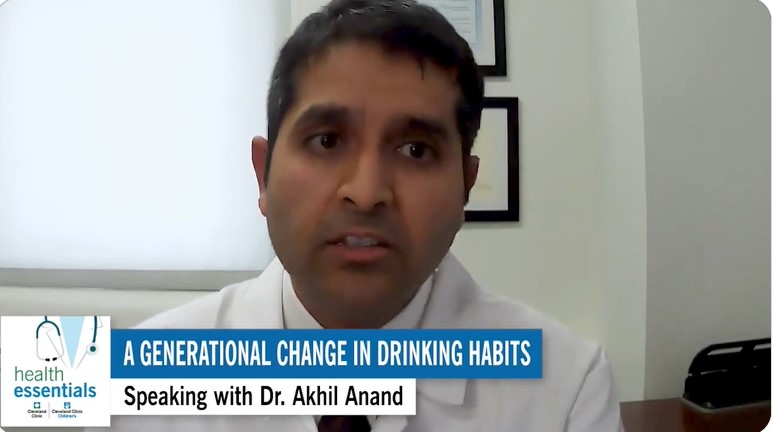
Research shows that Generation Z is drinking far less alcohol than previous generations. So what’s behind this trend – and does that mean alcohol and drug use worries are disappearing? Let’s break the topic down in this podcast with addiction psychiatrist Akhil Anand. pic.twitter.com/PrqU7IbBlP
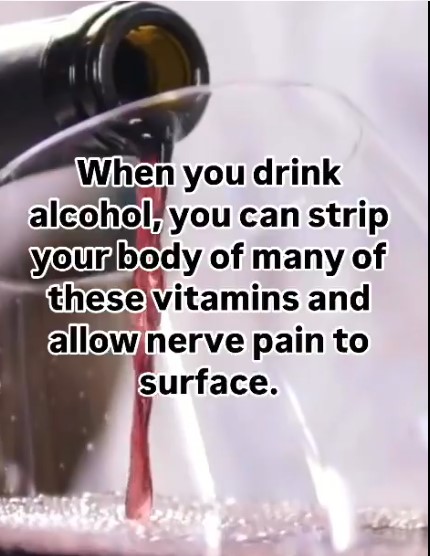
Up to 85% of people in the U.S. experience back pain in their lifetime. And 28% of people with chronic pain turn to alcohol for relief. So, it can be helpful to understand possible connections between the two. There are many reasons you may experience back pain, and alcohol can… pic.twitter.com/BmRjRJpPgQ
Heavy alcohol consumption may lead to earlier and more severe brain bleeds, according to a study published by researchers at Massachusetts General Brigham earlier this month.
Using data from patients admitted to MGB between 2003 and 2019 who had brain bleeds, the researchers found that people who drank heavily — defined as three or more alcoholic drinks a day — were 11 years younger, on average, when their bleeds occurred.
Strokes can be categorized into two types: ischemic strokes, which occur when blood flow to the brain is blocked, and hemorrhagic strokes, which result from a ruptured blood vessel. The researchers focused on the latter, which typically lead to more severe damage.
“Hemhorrhagic strokes, or brain bleeds, are less common, but they are a lot more dangerous,” said Edip Gurol, an associate professor of neurology at Harvard Medical School and author of the study. “50 percent of people who have a brain bleed die within the first month.”
The study, published in Neurology, tracked 1,600 patients over the course of 16 years, of which seven percent reported heavy alcohol consumption. The median age of brain bleeds for heavy drinkers was 64, compared to 75 in those who did not report heavy alcohol consumption.
“There was a very, very significant difference, which is telling us that one way or the other, heavy drinking is accelerating the brain bleeds,” Gurol said.
Using CT scans to determine the size and location of bleeds, the authors found that heavy drinkers experienced 70 percent larger bleeds and were twice as likely to have a bleed deep inside their brain.
“The brain bleeds in those patients were more likely to be deep and more likely to open inside the spinal fluid-filled spaces, the ventricles of the brain,” Gurol said.
Patients who reported heavy alcohol usage had higher blood pressure and lower blood platelet counts when they were admitted to the hospital, the study found. Those patients also showed greater evidence of small vessel damage in the brain, which is linked to several other health conditions such as dementia and heart failure.
“Despite their younger age, very probably because of the excessive alcohol use, these people had more severe small vessel disease-related brain damage, which is called white matter disease,” Gurol said.
Alvin S. Das, an assistant professor at Beth Israel Deaconess Medical Center, said the finding that heavy drinkers experienced larger brain bleeds would prompt him to stress the importance of cutting back on alcohol to his patients.
“What it might compel me to do is in a patient that comes to my office and they’ve had a deep hemorrhage, not only counsel them on aggressive hypertension management down the road to prevent another hemorrhage, but this study also would push me to counsel alcohol cessation,” Das said.
Because the number of heavy drinkers in the study was small and the data came from a single hospital, the researchers noted that future work should use larger datasets to examine how varying levels of alcohol use affect brain aging and stroke risk.
Gurol, for his part, said the findings underscore the importance of limiting alcohol consumption broadly, even in individuals without pre-existing health conditions.
“Even for people without known risk of alcohol damage, it is probably best to not to exceed three glasses per week and not to exceed one glass in over 24 hours,” Gurol said.
Wondering if you need an alcohol detox? Learn how to detox your liver from alcohol use, and how long it could take.
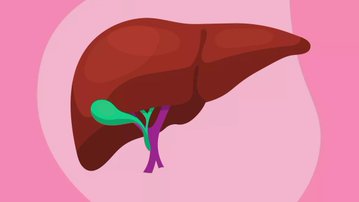
Of all your body’s organs, your liver takes the biggest hit when it comes to alcohol. Even if your relationship with drinking consists of occasional social drinking with friends or occasionally over-indulging in wine and cocktails during the holiday season, alcohol can still leave its mark. And it’s a mark that can be hard to reverse.
That’s why many of us wonder if a month of avoiding drinking is enough to “reset” your liver back to normal. It’s true that taking a break from alcohol for any amount of time will be beneficial overall, with some research showing that liver function begins to improve in as little as two to three weeks. But a full detox is needed for the most benefit, and how much time that takes depends on a variety of personal factors.
“It depends on how much damage has already been done,” explains liver specialist Christina Lindenmeyer, MD. “And if there are any complications related to the damage.”
Dr. Lindenmeyer explains what happens to your liver from prolonged and moderate alcohol use, and what a detox process would look like.
How alcohol impacts your liver
Your liver has enzymes that work like special tools to help metabolize (break down) different toxins that enter your body, such as alcohol.
In the short term, alcohol is processed through your liver in about an hour. Essentially, feeling “drunk” is when your liver becomes too overwhelmed to properly process alcohol, so it overflows temporarily into your bloodstream. This is what causes you to feel light-headed or tipsy after multiple alcoholic drinks.
In the long term, prolonged alcohol use can cause severe damage to your liver. Your liver has a specific pathway that the toxins follow to be broken down, so if over time, this pathway becomes overwhelmed by too many toxins, it can affect the efficiency of your liver’s work. In other words: It can’t keep up.
Certain health concerns and diseases can arise in your liver due to long-term alcohol use, including:
If your liver has taken a hit from prolonged alcohol use, there are ways to give it — and the rest of your body — a break.
You can make the move toward detoxing your liver through these steps:
Stop drinking
The first and most important line of defense? You guessed it: Abstain from drinking. “Abstinence is the most critical intervention and treatment,” notes Dr. Lindenmeyer.
This is sometimes easier said than done, of course. If you’re a heavy drinker, you may need to wean off alcohol to let your body adjust. If you’re experiencing severe symptoms of alcohol withdrawal, be sure to talk to a healthcare provider.
If you’re more of a moderate to occasional drinker, you may find the hardest part of stopping drinking to be the social pressures. Try replacing your usual cocktail or beer with a nonalcoholic option, including many of the now popular mocktails available so you can still enjoy social time with friends without having alcohol in the mix.
Maintain a healthy diet
Another thing that will help your liver’s journey in recovery is good nutrition. There’s no miracle diet by any means, but the Mediterranean diet, for example, can help fill some of the nutritional gaps you may have due to alcohol use.
“Nutrition optimization is actually the most evidence-based and most important intervention aside from stopping drinking,” points out Dr. Lindenmeyer. This is because, for a lot of people who experience some kind of liver dysfunction, it makes them at risk of not getting enough proteins, calories or vitamins.
There are also certain foods like tea, fish and nuts that can benefit the liver’s function in many ways. Think of it as giving your liver a little boost in the right direction. “Nutrition therapy is very important in terms of feeding the liver and giving it the building blocks it needs to restore itself,” says Dr. Lindenmeyer.
How long until your liver detoxes from alcohol?
Of course, we all want a simple, achievable number for how long we should abstain from alcohol in order for our bodies to fully heal from its effects.
But the truth is,the timeline of your liver detoxing is going to depend on different factors like:
The amount of alcohol you consume.
The frequency of your drinking.
Any other health conditions you may have.
Your age.
Your weight.
“There is no ‘one size fits all’ answer,” states Dr. Lindenmeyer. “It depends on how much damage has already been done and any possible complications.”
There has been some research conducted on how abstaining from alcohol detoxifies your liver over time. A 2021 review of research notes that several studies determined that two to four weeks of abstinence from alcohol by heavy-alcohol users helped reduce inflammation and bring down elevated serum levels in the liver.
In short: A few weeks off will help. But the longer you can abstain from alcohol, the better. And if your liver has experienced long-term effects, your healthcare provider would probably recommend lifelong abstinence from alcohol to allow it to fully detox and recover.
“For patients who are left with cirrhosis after severe injury to the liver from alcohol, even one drink of alcohol is toxic to the liver,” cautions Dr. Lindenmeyer.
Should you take a break?
For many of us, alcohol becomes a casual routine associated with going out and spending time with loved ones. But if you’re drinking alcohol in excess of the recommended guidelines, you may be doing damage to your liver. It can be hard to notice at first if your body is sending you any warning signs that it’s overwhelmed.
Here are some common signs that your liver is taking a serious hit from alcohol:
It can be hard to find (or even know) the balance of how much alcohol your body is able to handle. If you’re not sure if your drinking crosses a certain line or not, try measuring your alcohol intake.
According to the U.S. Centers for Disease Control and Prevention (CDC), alcohol should be consumed in moderation, which means one drink a day for women and people assigned female at birth (AFAB), and two for men and people assigned male at birth (AMAB) — unless your doctor says otherwise. If you’re keeping up with this average (or less), the damage from alcohol is most likely minimal.
On the other hand, binge drinking is generally defined as four drinks for women and five drinks for men within a two-hour period. And even occasional binge drinking episodes can have profound effects on your liver’s health over time.
Overall, a small break from drinking like a Dry January won’t necessarily fully “detox” your liver, but if you’re prone to overindulging in alcohol, you can see small health boosts such as decreasing inflammation of the liver and increasing your energy levels with such a break.
The bottom line
Just like a broken bone or infection needs time to heal, so does an overworked liver. While this depends on the amount of alcohol you have had over the years, your liver can see partial healing within two to three weeks, but this will depend on your health history.
Depending on the extent of liver damage you have, you may need to completely abstain from alcohol in order to give your liver the best chance for recovery. Talk to a doctor about your personal history and what’s right for you.
There are many health benefits related to abstaining from alcohol. If you’re looking to cut back or stop drinking altogether, here are 11 tips that can help. #HarvardHealth
Are you concerned about your alcohol intake? Maybe you feel that you’re drinking too much or too often. Perhaps it’s a habit you’d like to better control.
It’s always wise to check with your doctor — she should be able to help you decide whether it is best for you to cut back or to abstain. People who are dependent on alcohol, or have other medical or mental health problems, should stop drinking completely.
But many people may benefit simply by cutting back. If your doctor suggests that you curb your drinking, the National Institute on Alcohol Abuse and Alcoholism (NIAAA) suggests that the following steps may be helpful:
Put it in writing. Making a list of the reasons to curtail your drinking — such as feeling healthier, sleeping better, or improving your relationships — can motivate you.
Set a drinking goal. Set a limit on how much you will drink. You should keep your drinking below the recommended guidelines: no more than one standard drink per day for women and for men ages 65 and older, and no more than two standard drinks per day for men under 65. These limits may be too high for people who have certain medical conditions or for some older adults. Your doctor can help you determine what’s right for you.
Keep a diary of your drinking. For three to four weeks, keep track of every time you have a drink. Include information about what and how much you drank as well as where you were. Compare this to your goal. If you’re having trouble sticking to your goal, discuss it with your doctor or another health professional.
Don’t keep alcohol in your house. Having no alcohol at home can help limit your drinking.
Drink slowly. Sip your drink. Drink soda, water, or juice after having an alcoholic beverage. Never drink on an empty stomach.
Choose alcohol-free days. Decide not to drink a day or two each week. You may want to abstain for a week or a month to see how you feel physically and emotionally without alcohol in your life. Taking a break from alcohol can be a good way to start drinking less.
Watch for peer pressure. Practice ways to say no politely. You do not have to drink just because others are, and you shouldn’t feel obligated to accept every drink you’re offered. Stay away from people who encourage you to drink.
Keep busy. Take a walk, play sports, go out to eat, or catch a movie. When you’re at home, pick up a new hobby or revisit an old one. Painting, board games, playing a musical instrument, woodworking — these and other activities are great alternatives to drinking.
Ask for support. Cutting down on your drinking may not always be easy. Let friends and family members know that you need their support. Your doctor, counselor, or therapist may also be able to offer help.
Guard against temptation. Steer clear of people and places that make you want to drink. If you associate drinking with certain events, such as holidays or vacations, develop a plan for managing them in advance. Monitor your feelings. When you’re worried, lonely, or angry, you may be tempted to reach for a drink. Try to cultivate new, healthy ways to cope with stress.
Be persistent. Most people who successfully cut down or stop drinking altogether do so only after several attempts. You’ll probably have setbacks, but don’t let them keep you from reaching your long-term goal. There’s really no final endpoint, as the process usually requires ongoing effort.
According to the most recent ONS statistics, from 2018, liver disease is consistently among the top three causes of death each year among women aged 39-45 Binge Drinking and Me is on
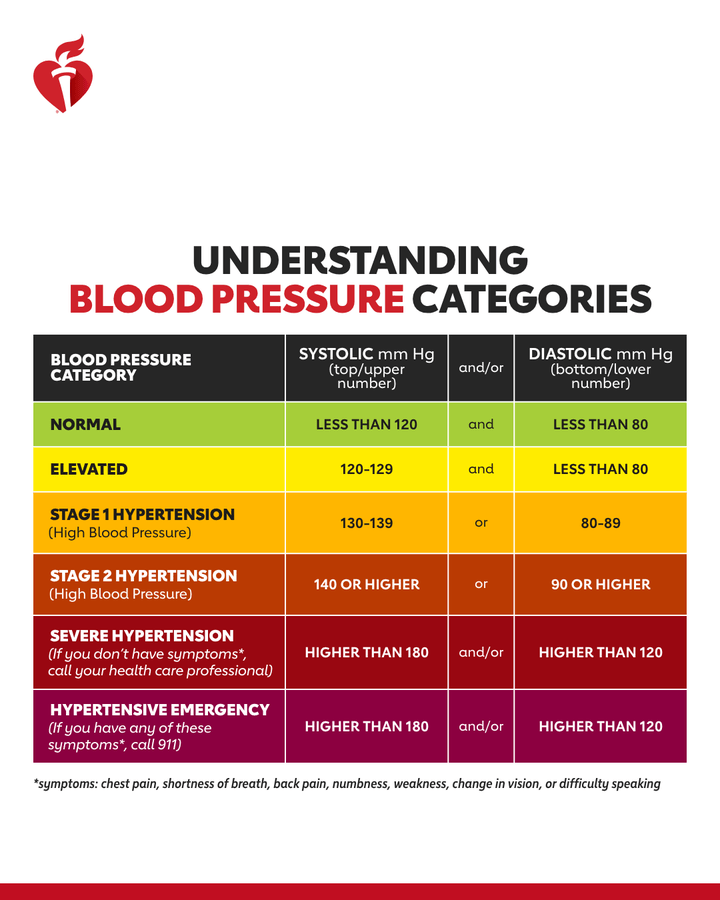
Get your blood pressure checked at least once a year and understand what the numbers mean. Severe high blood pressure combined with symptoms such as chest pain or trouble speaking may be a hypertensive emergency, according to the new high blood pressure guideline, and you should call 911 immediately.
Even small amounts of alcohol—a single drink per day—has been linked to a higher risk of developing #AFib, a potentially dangerous irregular heart rhythm. https://bit.ly/2XRMkif#HarvardHealth
Up to 85% of people in the U.S. experience back pain in their lifetime. And 28% of people with chronic pain turn to alcohol for relief. So, it can be helpful to understand possible connections between the two. There are many reasons you may experience back pain, and alcohol can… pic.twitter.com/BmRjRJpPgQ
Excess alcohol and substance use can cause temporary and permanent memory loss
What are blackouts and brownouts?
Blackouts involve complete memory loss caused by your brain’s inability to record new memories for a period of time due to the effects of excessive alcohol, substance misuse or some other condition.
But sometimes, auditory or visual cues can help a person piece together memories of what happened during a blackout. These cues could come in the form of texts, pictures or conversations with people who were present while you were blacked out. The medical term for blackouts is called transient loss of consciousness (TLOC).
The difference between a brownout and a blackout is that brownouts involve partial memory loss. With a brownout, you may be able to remember certain details from the period of time you were affected, but other portions of time can’t be recalled.
“The hippocampus is a part of your brain that takes our experiences and the awareness of all our senses and processes those into memories,” explains Dr. Streem. “It’s sensitive, and it’s the same part of the brain that deteriorates in people with Alzheimer’s disease.”
Excessive alcohol use isn’t the only thing that can cause blackouts or brownouts. Substance misuse on its own or with alcohol can increase your likelihood of experiencing a blackout. Hypnotics or sedatives and benzodiazepines like flunitrazepam (also known as Rohypnol or roofies) can also lead to blackouts or brownouts.
There are other medical conditions that cause blackouts or brownouts, too, including:
“Anything that causes damage to the brain, whether temporary or permanent, can cause memory loss if the damage is in the right spot,” states Dr. Streem.
“When you’re passed out, you’re not awake. A blackout happens to someone who’s still conscious but they’re not coding any new memories,” explains Dr. Streem. “A person who has a blackout is still awake and they have some ability to think, but other parts of their brain may not be working well enough. Often, this is because of intoxication.”
Understanding these definitions and the difference between blackouts and passing out is incredibly important, as it may be difficult for other people to recognize someone is having a blackout because of their seemingly aware state.
How much alcohol can cause a blackout?
How much alcohol or substance use is needed to cause a blackout varies based on a person’s height, weight, sensitivity and assigned sex at birth.
“We know females absorb more alcohol in their bloodstream than males,” says Dr. Streem. “But for most people, it’s going to involve more than the legal blood alcohol limit. In almost all states in the U.S., the blood alcohol limit for driving is .08. Blackouts usually appear at blood alcohol levels that are twice the legal limit or higher.”
Studies have shown that young adults under the age of 25 are particularly vulnerable to experiencing blackouts. Additionally, blackouts may occur at far lower thresholds among younger populations. That’s largely because the parts of your brain responsible for decision-making aren’t fully matured until around age 25. Despite this, intentional binge drinking has been a common practice among young adults.
Regardless of age, recent studies show more frequent blackout experiences are related to an increase in memory lapse and cognitive difficulties even after alcohol misuse is corrected. This means that even after a blackout occurs, you can continue to experience memory loss and other difficulties recalling memories.
Blackout effects on your body
If you’re experiencing a blackout or brownout, you’re at higher risk for falling, injury and unwanted or unsafe sexual experiences. A person who is blacked out may also throw up while sleeping, which could lead to an increased risk of choking or suffocating.
It can be hard to determine when you’re going to have a blackout or brownout. But some signs it may be happening to you in the moment include:
Difficulty standing.
Nausea.
Lightheadedness.
Loss of vision or shrinking of your field of view.
Other signs of substance-related blackouts, specifically blackouts caused by sedatives, hypnotics or benzodiazepines, include:
Loss of bowel or bladder control.
Difficulty breathing.
Feeling drunk when you haven’t consumed alcohol or consumed less than your usual amount.
Sudden body temperature changes.
Sudden increase in dizziness, disorientation, loss of vision or difficulty speaking.
“Hypnotic drugs are prone to cause this kind of impairment and memory loss,” states Dr. Streem. “Sadly, people sometimes use them to take advantage of other people.”
Strategies for managing blackouts
A blackout ends when your body has absorbed the alcohol you consumed and your brain is able to make memories again. Sleep often helps this process along.
Alcohol is dehydrating by nature, so making sure you’re drinking plenty of water and staying hydrated is important. Being aware of potential signs of intoxication can also be helpful in understanding your limitations.
But what if you end up having a blackout anyway?
“The experience of a blackout can sometimes be an opportunity to learn about our bodies and our brains, and what we can and can’t handle,” says Dr. Streem. “But the most important thing to do when you have a blackout is to try and piece together as best we can what happened and whether we were injured. It also might be necessary to try to assess whether you’ve been taken advantage of in some way.”
If you think you’ve been injured, sexually or physically assaulted, it’s important that you get medical attention immediately and talk to the police about everything you can remember.
Other measures you can take to reduce the likelihood of blackouts and brownouts and increase your own safety include:
Drinking with people you trust.
Pairing up with a close friend or group of friends and leaving together.
Not drinking on an empty stomach.
Not taking drinks from other people.
Opening containers yourself or watching your drink being poured.
Taking your drink with you when leaving a room.
Not drinking anything that tastes or smells odd.
Asking for help when you start to feel drunk or intoxicated.
“There’s no way to prevent a blackout or brownout from happening other than to stop consuming so much alcohol or other substances that cause them,” says Dr. Streem. “Beyond that, safety and general physical care can be very helpful in making sure this doesn’t happen to you.”








 Healthaware