Easy Ways to Prevent a Stiff Neck
A physical therapist says it boils down to two key things
health.clevelandclinic.org

A physical therapist says it boils down to two key things
health.clevelandclinic.org

If you’re stressed and sore, you may think there’s nothing you can do but take some over-the-counter pain relievers and plow through your day. But licensed massage therapist, Victoria Bodner, LMT, says you don’t have to grin and bear it.
Massage is a great tool for relaxation, pain relief, easing muscle tension and more, says Bodner. Learn more about the common types of massage and their benefits.
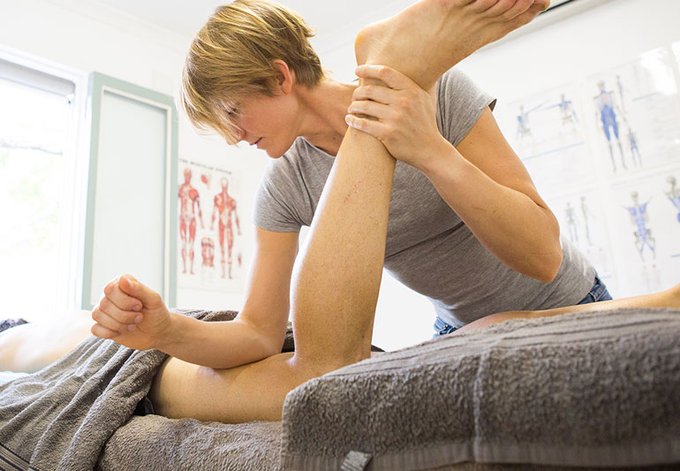
Performed by a licensed massage therapist, massage therapy involves using different pressures, movements and techniques to manipulate muscles and other soft tissues in the body. With a goal of slowing down your nervous system, massage therapy can be used to release stress and tension, provide relief from symptoms, heal injuries and support wellness.
Massages come in all shapes and sizes. Here are some of the offerings you might find on a massage therapy menu.
Feeling stressed? A Swedish massage is the classic go-to for major relaxation. Swedish massage is typically a full-body massage that uses a gentle touch. It’s a good pick for people new to massages. “It can help calm your nervous system. Swedish massage is also a good avenue for encouraging a relaxed emotional state of mind which can directly impact your muscles,” says Bodner.
Your muscles can get tight from repeated use — even from something less active like sitting, driving or hunching over your laptop. “Deep tissue massage gets into your muscles and tendons to release that tightness,” Bodner says. It’s good for people with injuries, general muscle tightness and chronic muscle pain.
Sports massages are similar to deep-tissue massages, but they zero in on the muscles that take a beating when you play sports or do another repetitive physical activity. “Athletes and dancers use their bodies differently than the average person,” Bodner says. “A massage therapist with experience in sports massage can get in there to break up muscle tightness and address sports injuries.”
A knot in your neck or a tight spot in your back is known as a trigger point. “A trigger point is a tiny muscle spasm or tight spot in the tissue,” Bodner explains. In a trigger-point massage, the massage therapist uses focused and direct pressure to target those spots. This increases blood flow to the areas, helping them release. This type of massage can also be helpful for people with chronic pain.
The fascia is a web of connective tissue under the skin. “It supports the muscles and allows us to move freely,” Bodner explains. When you get a myofascial release, your massage therapist will knead and stretch the muscles and fascia to work out tension and tightness. “It’s a form of deep stretching often used together with other therapeutic massage techniques,” she says. “It’s great for opening up tightness in your neck, shoulders and your upper and lower back.”
Lymphatic fluid has several important functions, including maintaining fluid levels and removing waste products from the body. Lymphatic massage uses a gentle touch to help lymphatic fluid flow more freely through the body. “Lymphatic massage is great for people with inflammation — including people with illnesses like arthritis, as well as people who have had mastectomies, which often involve removing the lymph nodes,” Bodner says.
Prenatal massages are great for helping moms-to-be relax and can help address the aches and pains of growing a baby. “Prenatal massages are wonderful for taking pressure off the hips and can help with swelling in the feet and legs,” Bodner says. “And when mom is relaxed and feeling well, the baby benefits, too.”
Massage therapy may be beneficial for anyone but has been noted to help those who various conditions like cancer, heart disease, stomach problems and fibromyalgia. You should make sure you talk to your therapist about any medical issues prior to your first session. Here are some of the benefits of massage therapy.
That feeling of calm after a massage can aid in reducing stress and anxiety, a study found. Your body has two nervous systems: a sympathetic nervous system that drives your “fight or flight” response in stressful situations and a parasympathetic nervous system that focuses on routine and day-to-day operations that lead to relaxation and rest. A massage is thought to increase your parasympathetic response, which can decrease feelings of anxiety.
Getting a massage can decrease cortisol (a stress hormone) and increase levels of serotonin and dopamine, neurotransmitters known to stabilize your mood. Studies have shown that massage therapy is beneficial for those who have insomnia related to menopause and congestive heart failure.
A variety of studies have looked into how massage may help lessen pain like acute back pain, neck pain, headaches and knee pain. The results show that relief may be short-term, rather than long-term and in some cases receiving a 60-minute massage multiple times per week had better results than fewer or shorter massages.
Can a massage boost your immune system? A study suggests that regular massages increase your body’s level of white blood cells, which work to combat viruses.
A study shows that for those dealing with constipation after surgery, an abdominal massage may help with bowel movements.
From sleep, memory and mood, studies have shown that using massage over the course of five weeks may improve symptoms of fibromyalgia, a chronic illness that causes muscle and joint pain and fatigue.
For people undergoing cancer treatments, the physical and emotional toll is great. Many have turned to massage to help lessen cancer pain, increase relaxation and improve quality of life. There have been a variety of studies, some that say massage therapy doesn’t improve cancer pain and others that show a positive impact.
Many of us can benefit from a massage — it’s a great way to improve wellness, help with pain and more. If you have a medical condition, you should check with your doctor and have a conversation with your massage therapist. For those who are pregnant, a prenatal massage can help alleviate pain and swelling.
“There are so many good reasons to see a massage therapist,” Bodner says.
Not sure what type of massage is right for you? You don’t have to zero in on the perfect massage before booking an appointment. In fact, massage therapists often mix and match techniques to address your unique concerns.
“The different types of massage aren’t exclusive from one another,” Bodner says. “A massage therapist uses a combination of techniques to help you relax, get rid of tight muscles and address other concerns.”


You may not realize it, but we all start losing 1 percent of muscle mass each year after age 30. That’s why your diet in later years should not look the same as it did when you were younger, says endocrinologist Susan Williams, MD.
Skipping breakfast, eating fast food and being inactive in your 20s and early 30s might not hurt your health in the short term. However, poor nutrition and lifestyle habits take their toll over time.
People who embrace good habits early on really get ahead of the game, Dr. Williams says. But it’s never too late to start eating better and taking better care of your body.
Whether you’re 30 or 50, Dr. Williams offers three important tips to get started in eating right when you are thinking about your long-term health.
RELATED: Do You Know How Much Exercise You Really Need?
A roller coaster of weight gain and loss can change your body composition and leave you with more fat mass and less lean muscle mass.
You also want to limit your snacks in between. The word “balanced” is especially important because eating a wide variety of foods will help you prevent nutritional deficiencies.
Dr. Williams suggests this simple shopping list:
Steer clear of cookies, cakes, pies, ice creams, juices and rich desserts. If that sounds like no fun, Dr. Williams advises treating these foods as treats. Save them for dining out or special occasions, but don’t make them part of your daily diet.
RELATED: Which Bread Is Best For You — Whole-Grain, Multigrain or Whole Wheat?
Eating protein and being physically active are equal partners in the quest for maximum health, Dr. Williams says. Muscles are made of protein, but simply eating protein is not enough to save them.
“Muscles in your body are a use-or-lose proposition,” she says. “You need to use them to keep them strong.”
Can’t carve out time for the gym? Try this daily routine:
Even a half hour of physical activity can make a world of difference, especially if you make it a habit in your 30s. “Don’t let your weight creep up while your muscle mass creeps down over your 30s and 40s,” Dr. Williams says. The longer you wait, the harder it will be to get started — and the more muscle you will have already lost.


According to a new study published in
, having dogs by our side may make our #hearts as healthy as they make them full. mayocl.in/2nUjICO

A modest uptick in the amount of fruit and vegetables you eat can help ward off type 2 diabetes, according to a study published online July 8, 2020, by The BMJ. From a much larger study involving some 340,000 people from eight European countries, scientists selected 9,754 participants who were newly diagnosed with diabetes over a decade. Researchers compared the fruit and vegetable intakes of these people to those of about 13,000 participants who remained diabetes-free during the study period. Researchers also measured blood levels of seven key plant-derived nutrients, including vitamin C and brightly colored antioxidant pigments called carotenoids. People with the highest intakes of fruit and vegetables and the highest blood levels of the plant-derived nutrients were 25% to 50% less likely to get diabetes during the study period, compared with those who ate the least of these food groups or had the lowest nutrient levels. Even better, it didn’t take a whole lot of extra green, red, yellow, and orange on the plate to make a dent in diabetes risk. The equivalent of only two-thirds of a medium apple or just over one-third of a cup of mixed fruit each day offered protection.
Image: © RomoloTavani/Getty Images

Shoulder pain, stiffness or weakness can make it difficult to carry out everyday tasks, like reaching for something on a high shelf, driving a car or brushing your hair. If you have pain that won’t go away, it’s time to see a doctor.
There are a number of possible causes of shoulder pain, but the most common causes of shoulder pain are rotator cuff injuries, rotator cuff tears and osteoarthritis, says orthopaedic surgeon Mark Schickendantz, MD.
The rotator cuff is a group of four muscles and their tendons that surround the shoulder joint, and connect the shoulder blade to the upper arm bone. Bursae, small sacs near the joint, provide lubricating fluid that decreases friction among the bones, tendons and ligaments.
Rotator cuff problems occur through overuse, and they include tendonitis, strains and partial and complete tears of the tendon.
Tendonitis is when the rotator cuff tendon becomes inflamed and irritated; bursitis is when the bursae swell. Tendonitis and bursitis cause pain in the front and side of the shoulder, and you might also feel some stiffness.
“These two conditions can occur with activities that involve using your arms overhead, like tennis, yoga or painting a room,” Dr. Schickendantz says. “Often the pain will be worse at rest and improve with activity.”
Treatment involves rest, applying ice, and taking nonsteroidal anti-inflammatory drugs (NSAIDs), such as ibuprofen, which is sold under the brand names Advil and Motrin, or naproxen, which is sold under the brand name Aleve. After a few weeks, most people with tendonitis recover, Dr. Schickendantz says.
If you experience shoulder pain at night that makes it difficult to fall asleep or awakens you, you may have a tear in one or more of the rotator cuff tendons.
“Night pain is the hallmark of a rotator cuff injury,” Dr. Schickendantz says.
You also may have this type of injury if you feel pain when lifting your arm overhead and weakness in the shoulder when trying to lift anything above shoulder level.
A rotator cuff tendon can tear from a single event, like falling down on an outstretched arm. It also can happen from a motion that is repeated over time. For example, a plumber who frequently uses his or her arms overhead can develop a rotator cuff tear. The rotator cuff also can weaken with age.
Treatment is rest, avoiding aggravating activities, physical therapy, applying ice, and NSAIDs. Some people with more severe pain may be helped with a corticosteroid injection, which is a powerful anti-inflammatory medication.
“I usually reserve the use of corticosteroids for someone who has severe night pain and is not responding well to oral medications,” Dr. Schickendantz says.
Surgery to repair the rotator cuff tendon is an option if these measures don’t give relief.
Osteroarthritis happens when cartilage, which is the cushioning material that covers the ends of your bones, deteriorates, which leads to pain and stiffness.
Osteoarthritis causes a deep ache in the back of the shoulder. As osteoarthritis worsens, stiffness in the shoulder develops. People with osteoarthritis typically lose the ability reach behind their back.
“Patients often say they are unable to scratch their back or thread a belt,” Dr. Schickendantz says.
Osteoarthritis symptoms develop over time. For some people, an old shoulder injury from sports or some other activity, may kick off the degenerative process that years later results in osteoarthritis. But many people have no specific cause — it’s just wear and tear over time.
Treatment for osteoarthritis of the shoulder is similar to treatment for a rotator cuff tear, involving physical therapy, NSAIDs and ice. If the condition is severe, you can undergo shoulder joint replacement surgery, which is similar to joint replacement for hips and knees.