A reminder that the research shows that alcohol makes stress WORSE (not better). That’s because it increases cortisol levels, and raises them for up to 7 days before they normalise. This means that even if you drink once a week, alcohol is worsening your stress hormone levels.
Some research even shows that increases in cortisol from alcohol can also help predict future binge drinking behavior. High stress levels might make you MORE likely to binge drink.
What a vicious cycle!
Instead, make this the year that you prioritise your stress reduction through healthier means — like activity, healthy eating, meditation, self-care, spending time with loved ones, and even simply resting!
What are your favorite ways to cope with stress? Let me know in the comments below
Sign up to our newsletter for free ⬇️
Comment ‘news’ or click the newsletter link in our bio for weekly insights on key anti-aging, biohacking & longevity insights and actionable tips.
Follow @longevitylibrary to age slower and live happier, healthier & longer 💪🙏
Even small amounts of alcohol—a single drink per day—has been linked to a higher risk of developing #AFib, a potentially dangerous irregular heart rhythm. https://bit.ly/2XRMkif#HarvardHealth
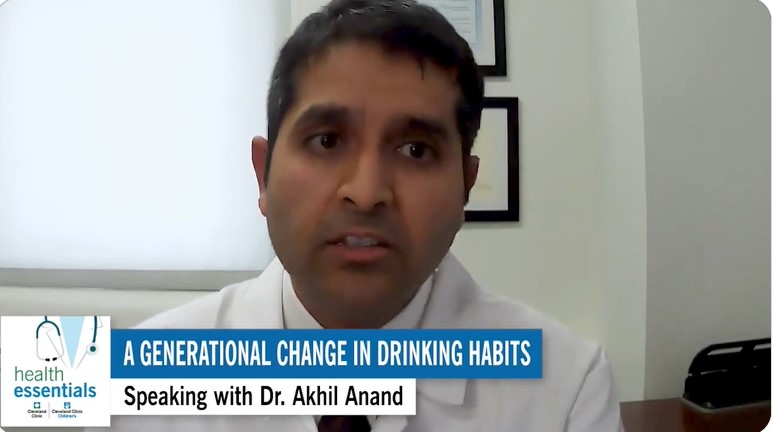
Research shows that Generation Z is drinking far less alcohol than previous generations. So what’s behind this trend – and does that mean alcohol and drug use worries are disappearing? Let’s break the topic down in this podcast with addiction psychiatrist Akhil Anand. pic.twitter.com/PrqU7IbBlP
40% of people said that men and women feel the effects of alcohol equally. FALSE! Women have less of the enzyme that breaks down alcohol so the same amount of alcohol will affect women more than men. #DrinkPositive#DRINKiQ https://drinkiq.com/en-gb/
Research shows that Generation Z is drinking far less alcohol than previous generations. So what’s behind this trend – and does that mean alcohol and drug use worries are disappearing? Let’s break the topic down in this podcast with addiction psychiatrist Akhil Anand. pic.twitter.com/PrqU7IbBlP
What Does Alcohol Do to Your Body? 9 Ways Alcohol Affects Your Health
Alcohol affects your whole body, from your liver and immune system to your brain and mental health
You probably already know that excessive drinking can affect you in more ways than one.
There are the empty calories that can lead to weight gain. There’s the potential for injury and regrettable choices. And don’t forget about the hangovers of course.
Heavy drinking can also lead to a host of health concerns, like brain damage, heart disease, cirrhosis of the liver and even certain kinds of cancer.
And that’s on top of the toll that alcohol use can take on relationships, not to mention the potential for financial strain and legal troubles.
But even moderate alcohol use changes the way your body functions.
We talked with hepatologist Shreya Sengupta, MD, about how alcohol use affects your body and your emotional health.
“Some people think of the effects of alcohol as only something to be worried about if you’re living with alcohol use disorder, which was formerly called alcoholism,” Dr. Sengupta says.
“But when you consider how alcohol is metabolized and used by your body, we can start to see that even moderate and social drinking affects our health to some degree.”
Dr. Sengupta shares some of the not-so-obvious effects that alcohol has on your body.
Liver
Your liver detoxifies and removes alcohol from your blood through a process known as oxidation. When your liver finishes that process, alcohol gets turned into water and carbon dioxide.
But when you ingest too much alcohol for your liver to process in a timely manner, a buildup of toxic substances begins to take a toll on your liver.
If alcohol continues to accumulate in your system, it can destroy cells and, eventually, damage your organs.
“When your liver is overwhelmed by oxidizing alcohol, it generates molecules that inhibit fat oxidation,” Dr. Sengupta explains. “The fats build up. Over time, it can lead to a condition known as steatotic liver disease.”
Steatotic liver disease used to go by the name fatty liver disease.
Steatotic liver disease develops in about 90% of people who drink more than 1.5 to 2 ounces of alcohol per day. That’s about one shot glass worth.
With continued alcohol use, steatotic liver disease can lead to liver fibrosis. Eventually, you can develop permanent and irreversible scarring in your liver, which is called cirrhosis.
“The good news is that earlier stages of steatotic liver disease are usually completely reversible in about four to six weeks if you abstain from drinking alcohol,” Dr. Sengupta assures.
Cirrhosis, on the other hand, is irreversible and can lead to liver failure and liver cancer, even if you abstain from alcohol.
Metabolism
You probably are keenly aware of the so-called “beer belly.” That’s shorthand for a round midsection that some people associate with drinking too much beer.
In reality, there’s no evidence that drinking beer (or your alcoholic beverages of choice) actually contributes to belly fat.
But there’s plenty of research to back up the notion that alcohol does lead to weight gain in general. Even for people who aren’t particularly heavy drinkers.
“Drinking gives your body work to do that keeps it from going about its other processes,” Dr. Sengupta notes. “Alcohol distracts your system from its regularly scheduled duties, including things like metabolizing carbohydrates and fats.”
Once you take a drink, your body makes metabolizing alcohol a priority — above processing anything else.
That’s because your body already has processes in place that allow it to store excess proteins, carbohydrates and fats. But there isn’t a storage tank for alcohol. So, your system prioritizes getting rid of alcohol before it can turn its attention to its other work.
That allows excess calories from the foods you eat to sit around, leading to weight gain.
Gut health
Your gut microbiome is a hotbed of bacteria that help keep your digestive system happy and healthy. The trillions of microbes in your colon and large and small intestines are critical to proper digestion. They also help fend off inflammation and support healthy metabolism.
When you drink too much alcohol, it can throw off the balance of good and bad bacteria in your gut.
“Alcohol can kill the good bacteria that live in your gut, allowing bad bacteria to grow unchecked,” Dr. Sengupta explains. “That can lead to problems with digestion, inflammation and even organ damage.”
Having a glass of wine with dinner or a beer at a party here and there isn’t going to destroy your gut. But even low amounts of daily drinking and prolonged and heavy use of alcohol can lead to significant problems for your digestive system.
There are a few studies that associate red wine with improved heart health in lab tests. But no research proves that red wine causes any improvements in heart health in people.
“The reality is that alcohol causes more health troubles than it could ever help,” Dr. Sengupta reinforces. “And that goes for your heart, as well as the rest of your body.”
Pancreas
Your pancreas helps your body digest food and manage your blood sugar. Drinking alcohol changes how your pancreas works.
“Your pancreas secretes fluids. Alcohol use can thicken those fluids, which can clog the ducts that those fluids flow out of,” Dr. Sengupta explains.
Like a clog in a drain, those thickened fluids can jam up your ducts. That can lead to pancreatitis, which is inflammation of the pancreas.
Pancreatitis can be a short-term (acute) condition that clears up in a few days. But prolonged alcohol abuse can lead to chronic (long-term) pancreatitis, which can be severe.
Your body breaks alcohol down into a chemical called acetaldehyde, which damages your DNA. Damaged DNA can cause a cell to grow out of control, which results in cancerous tumors.
Alcohol use has been shown to raise your risk for several kinds of cancer. That includes cancers of the:
Mouth.
Esophagus.
Throat.
Liver.
Breast.
Colon and rectum.
Immune system
If you drink every day, or almost every day, you might notice that you catch colds, flu or other illnesses more frequently than people who don’t drink. That’s because alcohol can weaken your immune system and make your body more susceptible to infection.
“We see lower levels of a specific kind of white blood cells called lymphocytes in people who drink heavily for long periods of time,” Dr. Sengupta reports. “That can leave them more vulnerable to infectious diseases.”
Brain
The morning after a night of over-imbibing can cause some temporary effects on your brain. Things like trouble concentration, slow reflexes and sensitivity to bright lights and loud sounds are standard signs of a hangover, and evidence of alcohol’s effects on your brain.
Long-term alcohol use can change your brain’s wiring in much more significant ways. Ways that your standard hangover cures won’t even begin to touch.
“Excessive alcohol consumption can cause nerve damage and irreversible forms of dementia,” Dr. Sengupta warns.
Mental health
Alcohol is a depressant. And prolonged alcohol use can lead to mental health conditions like anxiety and depression. Chronic misuse can also lead to paranoia and hallucinations.
Even drinking a little too much (binge drinking) on occasion can set off a chain reaction that affects your well-being. Lowered inhibitions can lead to poor choices with lasting repercussions — like the end of a relationship, an accident or legal woes. Each of those consequences can cause turmoil that can negatively affect your long-term emotional health.
“Alcohol tends to cause more problems than it solves for a lot of people,” Dr. Sengupta emphasizes. “If drinking is affecting your health, your relationships, your work, your finances, it’s time to make some serious changes.”
If you need more guidance to quit drinking, the Substance Abuse and Mental Health Services Administration (SAMHSA) offers a hotline, 24/7, 365 days a year. Call 1.800.662.HELP (4357).
Alcoholics Anonymous is available almost everywhere and provides a place to openly and nonjudgmentally discuss alcohol issues with others who have alcohol use disorder.


 longevitylibrary