Wondering if you need an alcohol detox? Learn how to detox your liver from alcohol use, and how long it could take. Christina Lindenmeyer, MD.

Square profile picture

Cleveland Clinic

health.clevelandclinic.org

How Long Does It Take to Detox From Alcohol?

Wondering if you need an alcohol detox? Learn how to detox your liver from alcohol use, and how long it could take.

Of all your body’s organs, your liver takes the biggest hit when it comes to alcohol. Even if your relationship with drinking consists of occasional social drinking with friends or occasionally over-indulging in wine and cocktails during the holiday season, alcohol can still leave its mark. And it’s a mark that can be hard to reverse.

That’s why many of us wonder if a month of avoiding drinking is enough to “reset” your liver back to normal. It’s true that taking a break from alcohol for any amount of time will be beneficial overall, with some research showing that liver function begins to improve in as little as two to three weeks. But a full detox is needed for the most benefit, and how much time that takes depends on a variety of personal factors.

“It depends on how much damage has already been done,” explains liver specialist Christina Lindenmeyer, MD. “And if there are any complications related to the damage.”

Dr. Lindenmeyer explains what happens to your liver from prolonged and moderate alcohol use, and what a detox process would look like.

How alcohol impacts your liver

Your liver has enzymes that work like special tools to help metabolize (break down) different toxins that enter your body, such as alcohol.

In the short term, alcohol is processed through your liver in about an hour. Essentially, feeling “drunk” is when your liver becomes too overwhelmed to properly process alcohol, so it overflows temporarily into your bloodstream. This is what causes you to feel light-headed or tipsy after multiple alcoholic drinks.

In the long term, prolonged alcohol use can cause severe damage to your liver. Your liver has a specific pathway that the toxins follow to be broken down, so if over time, this pathway becomes overwhelmed by too many toxins, it can affect the efficiency of your liver’s work. In other words: It can’t keep up.

Certain health concerns and diseases can arise in your liver due to long-term alcohol use, including:

How do you detox your liver?

If your liver has taken a hit from prolonged alcohol use, there are ways to give it — and the rest of your body — a break.

You can make the move toward detoxing your liver through these steps:

Stop drinking

The first and most important line of defense? You guessed it: Abstain from drinking. Abstinence is the most critical intervention and treatment,” notes Dr. Lindenmeyer.

This is sometimes easier said than done, of course. If you’re a heavy drinker, you may need to wean off alcohol to let your body adjust. If you’re experiencing severe symptoms of alcohol withdrawal, be sure to talk to a healthcare provider.

If you’re more of a moderate to occasional drinker, you may find the hardest part of stopping drinking to be the social pressures. Try replacing your usual cocktail or beer with a nonalcoholic option, including many of the now popular mocktails available so you can still enjoy social time with friends without having alcohol in the mix.

Maintain a healthy diet

Another thing that will help your liver’s journey in recovery is good nutrition. There’s no miracle diet by any means, but the Mediterranean diet, for example, can help fill some of the nutritional gaps you may have due to alcohol use.

“Nutrition optimization is actually the most evidence-based and most important intervention aside from stopping drinking,” points out Dr. Lindenmeyer. This is because, for a lot of people who experience some kind of liver dysfunction, it makes them at risk of not getting enough proteins, calories or vitamins.

There are also certain foods like tea, fish and nuts that can benefit the liver’s function in many ways. Think of it as giving your liver a little boost in the right direction. “Nutrition therapy is very important in terms of feeding the liver and giving it the building blocks it needs to restore itself,” says Dr. Lindenmeyer.

How long until your liver detoxes from alcohol?

Of course, we all want a simple, achievable number for how long we should abstain from alcohol in order for our bodies to fully heal from its effects.

But the truth is,the timeline of your liver detoxing is going to depend on different factors like:

  • The amount of alcohol you consume.
  • The frequency of your drinking.
  • Any other health conditions you may have.
  • Your age.
  • Your weight.

“There is no ‘one size fits all’ answer,” states Dr. Lindenmeyer. “It depends on how much damage has already been done and any possible complications.”

There has been some research conducted on how abstaining from alcohol detoxifies your liver over time. A 2021 review of research notes that several studies determined that two to four weeks of abstinence from alcohol by heavy-alcohol users helped reduce inflammation and bring down elevated serum levels in the liver.

In short: A few weeks off will help. But the longer you can abstain from alcohol, the better. And if your liver has experienced long-term effects, your healthcare provider would probably recommend lifelong abstinence from alcohol to allow it to fully detox and recover.

“For patients who are left with cirrhosis after severe injury to the liver from alcohol, even one drink of alcohol is toxic to the liver,” cautions Dr. Lindenmeyer.

Should you take a break?

For many of us, alcohol becomes a casual routine associated with going out and spending time with loved ones. But if you’re drinking alcohol in excess of the recommended guidelines, you may be doing damage to your liver. It can be hard to notice at first if your body is sending you any warning signs that it’s overwhelmed.

Here are some common signs that your liver is taking a serious hit from alcohol:

What to know if you’re a casual drinker

It can be hard to find (or even know) the balance of how much alcohol your body is able to handle. If you’re not sure if your drinking crosses a certain line or not, try measuring your alcohol intake.

According to the U.S. Centers for Disease Control and Prevention (CDC), alcohol should be consumed in moderation, which means one drink a day for women and people assigned female at birth (AFAB), and two for men and people assigned male at birth (AMAB) — unless your doctor says otherwise. If you’re keeping up with this average (or less), the damage from alcohol is most likely minimal.

On the other hand, binge drinking is generally defined as four drinks for women and five drinks for men within a two-hour period. And even occasional binge drinking episodes can have profound effects on your liver’s health over time.

Overall, a small break from drinking like a Dry January won’t necessarily fully “detox” your liver, but if you’re prone to overindulging in alcohol, you can see small health boosts such as decreasing inflammation of the liver and increasing your energy levels with such a break.

The bottom line

Just like a broken bone or infection needs time to heal, so does an overworked liver. While this depends on the amount of alcohol you have had over the years, your liver can see partial healing within two to three weeks, but this will depend on your health history.

Depending on the extent of liver damage you have, you may need to completely abstain from alcohol in order to give your liver the best chance for recovery. Talk to a doctor about your personal history and what’s right for you.

L

How Alcohol Affects Your Heart @ClevelandClinic #heartaware

You likely know that drinking alcohol too often or to excess isn’t a good idea, health-wise. But when it comes to alcohol and heart health, you may have heard different sides. Is drinking all that bad for your heart? Can a glass of wine help reduce your risk of heart disease — or make it worse? 

First things first: If you drink alcohol, you should do so in moderation to avoid alcohol-related heart issues. And you should never intentionally use alcohol to try to reduce your risk of heart disease. 

To further explore the relationship between your ticker and your favorite glass of merlot or IPA, we chatted with cardiologist Leslie Cho, MD.

Ways alcohol can impact heart health

Here are some of the effects of alcohol on your heart:

Increased heart rate

One of the most important things your heart does is keep a rhythm. On average, a regular heart rate is about 60 to 100 beats per minute when your body is at rest. But alcohol can lead to your heart rate temporarily jumping up in speed, and if it goes over 100 beats per minute, it can cause a condition called tachycardia. Too many episodes of tachycardia could lead to more serious issues like heart failure or going into irregular rhythms, which can cause heart attack and stroke.

Raises blood pressure

That fourth drink at the bar may feel like it’s relaxing you, but it’s actually affecting your body differently than you might think. Alcohol can affect your blood pressure, causing it to go up temporarily. This is especially true when you engage in binge drinking (that’s defined as four or more drinks within two hours for women and people assigned female at birth, and five or more drinks within two hours for men and people assigned male at birth).

And sure, we’ve all had a night here or there where we’ve had one too many and we know it. But it’s important to make sure those nights of overindulgence are the exception and not the rule. If you’re not sure, make a note to tune into how much you’re having over the course of the next month or so. If it’s more than recommended, try to consciously pace your drinking to help reduce the spike in your blood pressure that excessive alcohol causes. 

And if you have a history of high blood pressure, it’s best to avoid alcohol completely or drink only occasionally, and in moderation. 

Irregular heartbeat

Whether it’s a glass of red wine with your turkey or toasting champagne for the new year, alcohol definitely becomes more present during the holiday season. And while enjoying celebratory spirits in moderation is alright for most people, it’s important to be aware you can fall victim to holiday heart syndrome if you overdo it. This is when overeating and overindulging in alcohol lead to an irregular heartbeat.

Holiday heart syndrome can happen if you don’t typically drink alcohol, but then have a few at a holiday party or if you binge drink. This can cause you to develop an irregular heartbeat, called atrial fibrillation, which can increase your risk of strokeheart attack and heart failure.

Prolonged drinking can cause alcoholic cardiomyopathy

The short-term effects of alcohol (headache, nausea, you know the rest) are easy to pinpoint. But there are ways that alcohol affects your body over time that are important to understand. One of the long-term effects of alcohol on your heart is alcoholic cardiomyopathy. This is when your heart-pumping function gets weaker and your heart gets larger due to changes from heavy alcohol use over a long period of time.

OK, don’t panic. If you’re an occasional drinker, there’s no cause for worry. But it may be worthwhile learning about what counts as binge drinking and whether or not you may be drinking too much and don’t even know it.

Is some level of alcohol safe or beneficial?

It’s true, red wine is a better choice than hard liquor. But can a trip to the wine bar boost your heart health?

You should never consider wine or any other alcohol as a way to lower your heart disease risk. And, in fact, the study also showed that drinking one or fewer drinks per day was related to the lowest likelihood of dying from a stroke. However, Dr. Cho points out that more recent data shows that there may be no amount of alcohol that is truly safe. “The myth that wine is beneficial for heart health is no longer true,” she states.

“It’s not a good idea to start drinking alcohol in an effort to lower your risk of heart disease,” Dr. Cho continues. “It’s better not to drink any alcohol at all.” 

The American Heart Association recommends the same. 

Other factors to keep in mind

It’s also important to know that the ways in which alcohol affects your heart will vary from person to person, depending on your age and other conditions you may have.

Age

Let’s face it, a hangover in your mid-40s doesn’t feel the same as one in your early 20s. This is because your age plays a factor in how well you tolerate alcohol. While some people develop a tolerance to alcohol over time, this isn’t true for everyone — and this ability doesn’t last forever, Dr. Cho notes.

“As we get older, our ability to clear alcohol definitely decreases and our sensitivity to alcohol probably increases,” she explains. “Also as we get older, we end up having more diseases, so we could be on medicines that can interfere with the way our bodies metabolize alcohol.”

Other medical conditions

In many ways, your medical history (and present) can tell you a lot about your future with alcohol. That means, if you’re living with other medical conditions and/or taking certain medications, this will all have an impact on how alcohol affects you.

“Certain health conditions can make drinking alcohol more dangerous,” Dr. Cho says.

For example, some people who are on cholesterol-lowering medicines may experience muscle aches when they drink alcohol. Because alcohol and cholesterol medicine both are processed through your liver, they are, in a sense, competing for clearance. So, it’s important to think about your overall health and talk to a healthcare provider about your personal risk factors.

“Alcohol is made out of sugar,” Dr. Cho points out. “So, if you’re predisposed to diabetes or if high triglycerides are one of your issues, it’s not a good idea to drink alcohol.”

Dr. Cho also warns that if you have liver dysfunction or take other medicines that are processed through the liver, your risks might be different. Talk to your healthcare provider about how alcohol might interact with your prescription medicines.

The last thing you want is for that casual drink after work or glass of wine at dinner to negatively impact your heart health. There’s a way to have a healthy, balanced relationship with alcohol that lets you enjoy a drink occasionally and celebrate with friends and family. But your heart is an important organ that should also be cared for, so be sure to drink in moderation, learn about binge drinking and know what your body can (and can’t) tolerate before opening that tab.FACEBOOKTWITTERLINKEDINPINTERESTEmailalcoholalcohol and healthalcoholic beveragesbinge drinkingheart health

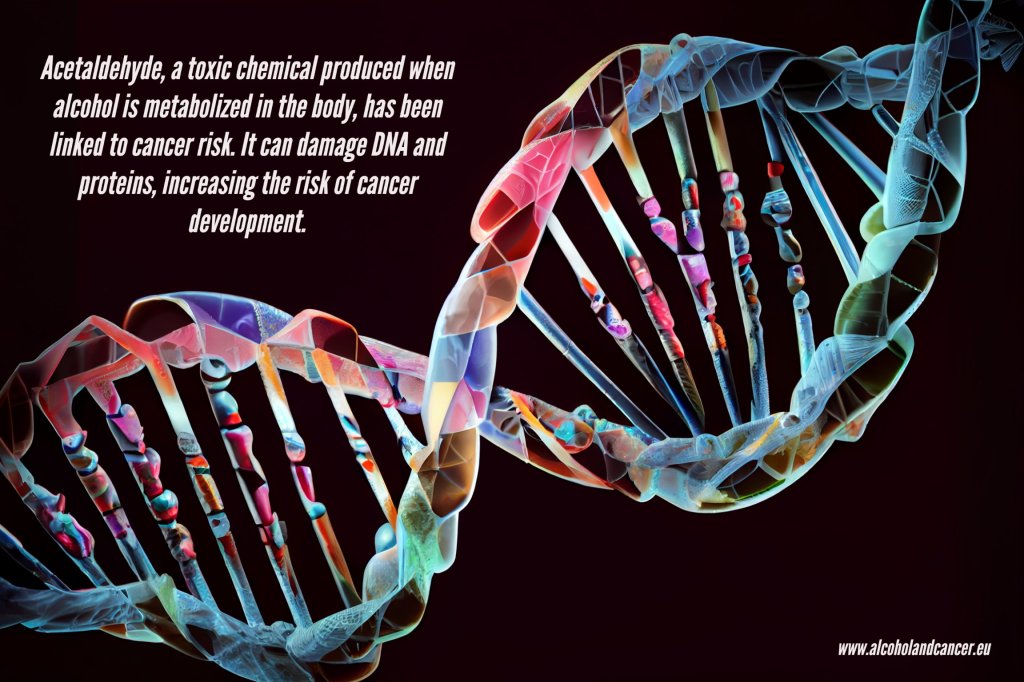
Acetaldehyde, a toxic chemical produced when alcohol is metabolized in the body, has been linked to cancer risk…@AlcoholCancerEU

Lauri Beekmann

@lbeekmann

·

In every political party, it’s likely that there is a doctor and a scientist. These professionals should take responsibility for explaining the science behind the link between alcohol and cancer.

Quote Tweet

AlcoholAndCancer

@AlcoholCancerEU

·

9h

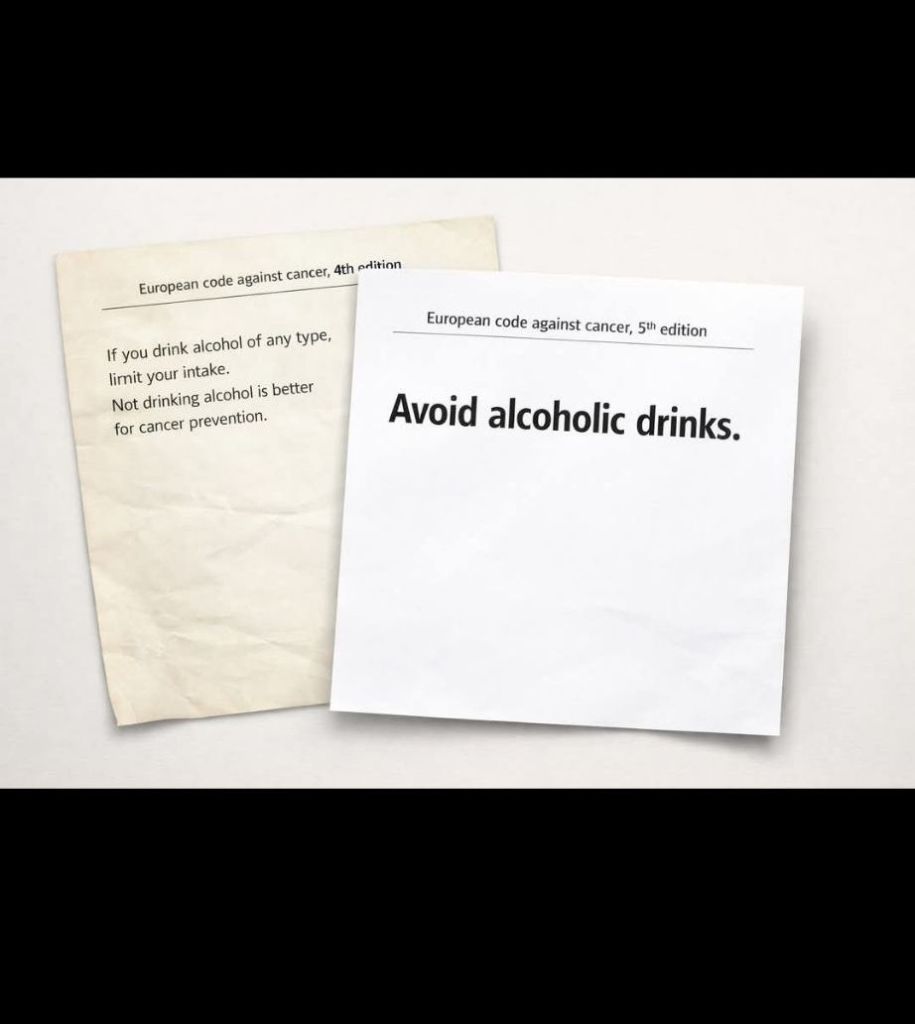
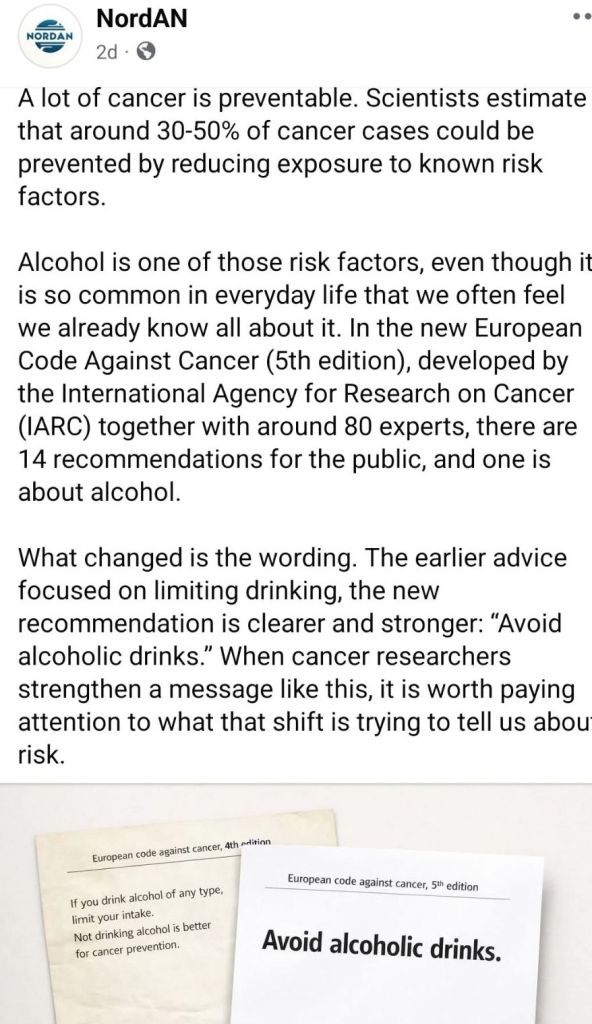
To minimize the risk of cancer, it’s recommended to limit alcohol consumption or avoid it altogether. #AlcoholAndCancer

Dr.Akhil Anand – research shows that Generation Z is drinking far less alcohol than previous generations. @ClevelandClinic #alcohol

Wondering if you need an alcohol detox? Learn how to detox your liver from alcohol use, and how long it could take. Christina Lindenmeyer, MD.

Square profile picture

Cleveland Clinic

health.clevelandclinic.org

How Long Does It Take to Detox From Alcohol?

Wondering if you need an alcohol detox? Learn how to detox your liver from alcohol use, and how long it could take.

Of all your body’s organs, your liver takes the biggest hit when it comes to alcohol. Even if your relationship with drinking consists of occasional social drinking with friends or occasionally over-indulging in wine and cocktails during the holiday season, alcohol can still leave its mark. And it’s a mark that can be hard to reverse.

That’s why many of us wonder if a month of avoiding drinking is enough to “reset” your liver back to normal. It’s true that taking a break from alcohol for any amount of time will be beneficial overall, with some research showing that liver function begins to improve in as little as two to three weeks. But a full detox is needed for the most benefit, and how much time that takes depends on a variety of personal factors.

“It depends on how much damage has already been done,” explains liver specialist Christina Lindenmeyer, MD. “And if there are any complications related to the damage.”

Dr. Lindenmeyer explains what happens to your liver from prolonged and moderate alcohol use, and what a detox process would look like.

How alcohol impacts your liver

Your liver has enzymes that work like special tools to help metabolize (break down) different toxins that enter your body, such as alcohol.

In the short term, alcohol is processed through your liver in about an hour. Essentially, feeling “drunk” is when your liver becomes too overwhelmed to properly process alcohol, so it overflows temporarily into your bloodstream. This is what causes you to feel light-headed or tipsy after multiple alcoholic drinks.

In the long term, prolonged alcohol use can cause severe damage to your liver. Your liver has a specific pathway that the toxins follow to be broken down, so if over time, this pathway becomes overwhelmed by too many toxins, it can affect the efficiency of your liver’s work. In other words: It can’t keep up.

Certain health concerns and diseases can arise in your liver due to long-term alcohol use, including:

How do you detox your liver?

If your liver has taken a hit from prolonged alcohol use, there are ways to give it — and the rest of your body — a break.

You can make the move toward detoxing your liver through these steps:

Stop drinking

The first and most important line of defense? You guessed it: Abstain from drinking. Abstinence is the most critical intervention and treatment,” notes Dr. Lindenmeyer.

This is sometimes easier said than done, of course. If you’re a heavy drinker, you may need to wean off alcohol to let your body adjust. If you’re experiencing severe symptoms of alcohol withdrawal, be sure to talk to a healthcare provider.

If you’re more of a moderate to occasional drinker, you may find the hardest part of stopping drinking to be the social pressures. Try replacing your usual cocktail or beer with a nonalcoholic option, including many of the now popular mocktails available so you can still enjoy social time with friends without having alcohol in the mix.

Maintain a healthy diet

Another thing that will help your liver’s journey in recovery is good nutrition. There’s no miracle diet by any means, but the Mediterranean diet, for example, can help fill some of the nutritional gaps you may have due to alcohol use.

“Nutrition optimization is actually the most evidence-based and most important intervention aside from stopping drinking,” points out Dr. Lindenmeyer. This is because, for a lot of people who experience some kind of liver dysfunction, it makes them at risk of not getting enough proteins, calories or vitamins.

There are also certain foods like tea, fish and nuts that can benefit the liver’s function in many ways. Think of it as giving your liver a little boost in the right direction. “Nutrition therapy is very important in terms of feeding the liver and giving it the building blocks it needs to restore itself,” says Dr. Lindenmeyer.

How long until your liver detoxes from alcohol?

Of course, we all want a simple, achievable number for how long we should abstain from alcohol in order for our bodies to fully heal from its effects.

But the truth is,the timeline of your liver detoxing is going to depend on different factors like:

  • The amount of alcohol you consume.
  • The frequency of your drinking.
  • Any other health conditions you may have.
  • Your age.
  • Your weight.

“There is no ‘one size fits all’ answer,” states Dr. Lindenmeyer. “It depends on how much damage has already been done and any possible complications.”

There has been some research conducted on how abstaining from alcohol detoxifies your liver over time. A 2021 review of research notes that several studies determined that two to four weeks of abstinence from alcohol by heavy-alcohol users helped reduce inflammation and bring down elevated serum levels in the liver.

In short: A few weeks off will help. But the longer you can abstain from alcohol, the better. And if your liver has experienced long-term effects, your healthcare provider would probably recommend lifelong abstinence from alcohol to allow it to fully detox and recover.

“For patients who are left with cirrhosis after severe injury to the liver from alcohol, even one drink of alcohol is toxic to the liver,” cautions Dr. Lindenmeyer.

Should you take a break?

For many of us, alcohol becomes a casual routine associated with going out and spending time with loved ones. But if you’re drinking alcohol in excess of the recommended guidelines, you may be doing damage to your liver. It can be hard to notice at first if your body is sending you any warning signs that it’s overwhelmed.

Here are some common signs that your liver is taking a serious hit from alcohol:

What to know if you’re a casual drinker

It can be hard to find (or even know) the balance of how much alcohol your body is able to handle. If you’re not sure if your drinking crosses a certain line or not, try measuring your alcohol intake.

According to the U.S. Centers for Disease Control and Prevention (CDC), alcohol should be consumed in moderation, which means one drink a day for women and people assigned female at birth (AFAB), and two for men and people assigned male at birth (AMAB) — unless your doctor says otherwise. If you’re keeping up with this average (or less), the damage from alcohol is most likely minimal.

On the other hand, binge drinking is generally defined as four drinks for women and five drinks for men within a two-hour period. And even occasional binge drinking episodes can have profound effects on your liver’s health over time.

Overall, a small break from drinking like a Dry January won’t necessarily fully “detox” your liver, but if you’re prone to overindulging in alcohol, you can see small health boosts such as decreasing inflammation of the liver and increasing your energy levels with such a break.

The bottom line

Just like a broken bone or infection needs time to heal, so does an overworked liver. While this depends on the amount of alcohol you have had over the years, your liver can see partial healing within two to three weeks, but this will depend on your health history.

Depending on the extent of liver damage you have, you may need to completely abstain from alcohol in order to give your liver the best chance for recovery. Talk to a doctor about your personal history and what’s right for you.

L

New Study: No Level of Alcohol Is Entirely Safe @ClevelandClinic


Cleveland Clinic

@ClevelandClinic
·


Even casual drinking can put your long-term health at risk. Our liver specialist explains the findings of this study.

New Study: No Level of Alcohol — Even Casual Drinking — Is Entirely Safe

Leading cause of death of those age 15-49

Stopping for happy hour with colleagues after work. Cracking open a cold beer (or two) while watching the game. Meeting up with girlfriends for a glass of pinot noir. Having an alcoholic beverage of choice is a common way to unwind. But according to a recent study, even casual drinking can put your long-term health at risk.

Liver specialist Jamile Wakim-Fleming, MD, did not take part in the study, but says the research found that alcohol was a leading risk factor for both disease and premature death.

“They found that alcohol was the seventh leading cause of death worldwide,” she says. “But even more alarming, is that it was the first leading cause of death of people between the ages of 15-49.”

What the study examined

The study looked at global data from hundreds of previous studies and found that for all ages, alcohol was associated with 2.8 million deaths each year.

Researchers found that alcohol-related cancer and heart disease, infectious diseases, intentional injury, traffic accidents and accidental injury were some of the leading causes of alcohol-related deaths.

But isn’t alcohol good for your heart?

Dr. Wakim-Fleming says people often believe that a little bit of alcohol, wine in particular, may be good for their heart. But the study results didn’t show any health benefit to drinking any amount of alcohol.

She says this information, along with previous research that has shown more young people are dying from alcohol-related liver disease, indicates that excessive drinking among young adults is a growing problem.

The damage grows over time

And like any substance-abuse problem, Dr. Wakim-Fleming says the damage to the body from alcohol increases over your lifespan.

“It’s a cumulative effect,” she explains. “If you do it all at once, then you’re going to have the effect now. If you drink on a regular basis, over years it’s going to be cumulative and you will end up with a problem later on.”

Dr. Wakim-Fleming notes that anything we do in life involves risk, but it’s important to know what the risks are so that we can make the best decisions for our health.

Complete results of the study can be found in The Lancet. Facebook Twitter Linkedin Pinterest alcoholalcohol and healthalcohol-related liver disease

11 Ways To Curb Your Drinking @HarvardHealth #heartaware

Harvard Health

@HarvardHealth

·

There are many health benefits related to abstaining from alcohol. If you’re looking to cut back or stop drinking altogether, here are 11 tips that can help. #HarvardHealth

Are you concerned about your alcohol intake? Maybe you feel that you’re drinking too much or too often. Perhaps it’s a habit you’d like to better control.

It’s always wise to check with your doctor — she should be able to help you decide whether it is best for you to cut back or to abstain. People who are dependent on alcohol, or have other medical or mental health problems, should stop drinking completely.

But many people may benefit simply by cutting back. If your doctor suggests that you curb your drinking, the National Institute on Alcohol Abuse and Alcoholism (NIAAA) suggests that the following steps may be helpful:

  1. Put it in writing. Making a list of the reasons to curtail your drinking — such as feeling healthier, sleeping better, or improving your relationships — can motivate you.
  2. Set a drinking goal. Set a limit on how much you will drink. You should keep your drinking below the recommended guidelines: no more than one standard drink per day for women and for men ages 65 and older, and no more than two standard drinks per day for men under 65. These limits may be too high for people who have certain medical conditions or for some older adults. Your doctor can help you determine what’s right for you.
  3. Keep a diary of your drinking. For three to four weeks, keep track of every time you have a drink. Include information about what and how much you drank as well as where you were. Compare this to your goal. If you’re having trouble sticking to your goal, discuss it with your doctor or another health professional.
  4. Don’t keep alcohol in your house. Having no alcohol at home can help limit your drinking.
  5. Drink slowly. Sip your drink. Drink soda, water, or juice after having an alcoholic beverage. Never drink on an empty stomach.
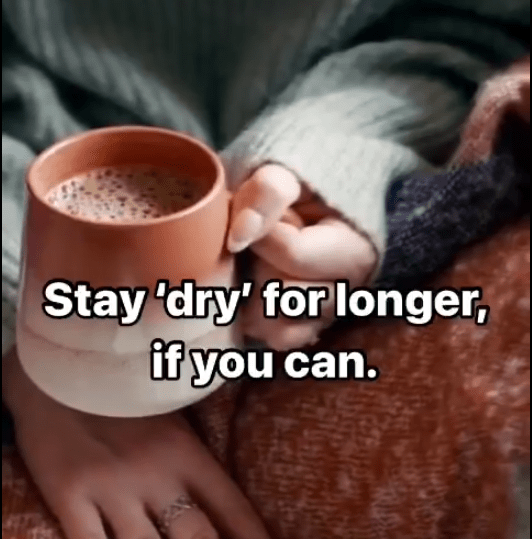
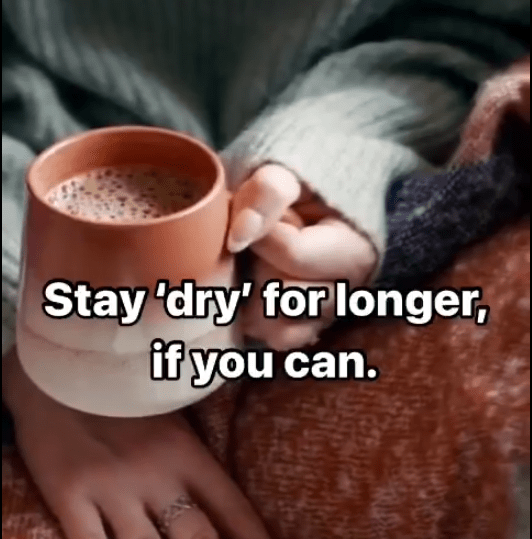
  6. Choose alcohol-free days. Decide not to drink a day or two each week. You may want to abstain for a week or a month to see how you feel physically and emotionally without alcohol in your life. Taking a break from alcohol can be a good way to start drinking less.
  7. Watch for peer pressure. Practice ways to say no politely. You do not have to drink just because others are, and you shouldn’t feel obligated to accept every drink you’re offered. Stay away from people who encourage you to drink.
  8. Keep busy. Take a walk, play sports, go out to eat, or catch a movie. When you’re at home, pick up a new hobby or revisit an old one. Painting, board games, playing a musical instrument, woodworking — these and other activities are great alternatives to drinking.
  9. Ask for support. Cutting down on your drinking may not always be easy. Let friends and family members know that you need their support. Your doctor, counselor, or therapist may also be able to offer help.
  10. Guard against temptation. Steer clear of people and places that make you want to drink. If you associate drinking with certain events, such as holidays or vacations, develop a plan for managing them in advance. Monitor your feelings. When you’re worried, lonely, or angry, you may be tempted to reach for a drink. Try to cultivate new, healthy ways to cope with stress.
  11. Be persistent. Most people who successfully cut down or stop drinking altogether do so only after several attempts. You’ll probably have setbacks, but don’t let them keep you from reaching your long-term goal. There’s really no final endpoint, as the process usually requires ongoing effort.

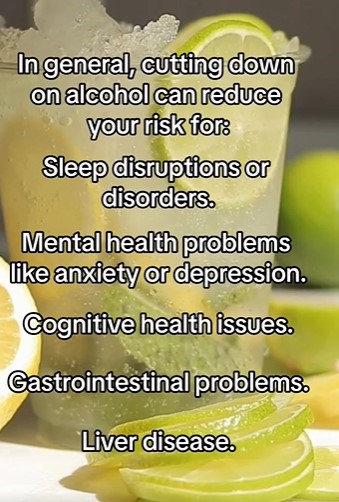
As more people are drinking less, here’s some of the benefits: better sleep, less anxiety/depression, memory’s better, fewer tummy problems @ClevelandClinic

Square profile picture

Cleveland Clinic

@ClevelandClinic

·

As more people are drinking less, there’s been an uptick in more drink companies creating nonalcoholic options. But it can still be tough to figure out which of these options are healthy. Keep an eye on ingredients like sugar, artificial sweeteners and caffeine. If you’re choosing nonalcoholic alternatives, consider options that are low in added sugars and free from unnecessary additives. Consulting a healthcare provider can help ensure your choices support your overall well-being.

Show more

Dr.Paddy Barrett – The Truth About Alcohol and Health

Why the idea that “a little red wine is good for your heart” doesn’t hold up anymore.

I used to drink.

A lot more than I should have.

And while I had some seriously good times when I was drinking, it came at a huge cost.

Brutal hangovers. Terrible sleep. Wrecked weekends.

Even a broken back.

(But that’s a story for another day.)

I still drink.

But just very little these days.

As a cardiologist, I am asked almost every day if ‘Alcohol is good or bad for your health?’.

Let’s find out.

Alcohol Is A Toxin.

There is no getting away from the fact that, at its most basic chemical foundation, alcohol is a toxin.

Globally, alcohol is responsible for 3 million deaths per year; in the United States, it is the third leading cause of preventable death¹².

Alcohol is a factor in³:

  • 30% of suicides
  • 40% of fatal burn injuries
  • 50% of fatal drownings
  • 50% of homicides
  • 65% of fatal falls
  • 29% of fatal road traffic accidents

Alcohol is a factor in 1 in 5 emergency department presentations⁴.

No pun intended, but these statistics make for some sober reading.

‘Red Wine Is Good For Your Heart.’

Now come on.

Did you really think that was true?

I have heard this phrase over and over again in my clinical practice.

High levels of exercise are good for your heart, but oddly enough, most people seem to be far less enthusiastic about this approach than regular alcohol consumption.

Let’s see what the data says.

Up until very recently, it was believed that drinking 1-2 drinks per day was actually protective when it came to dying prematurely⁵.

This data was based on observational studies that cannot fully control for all confounders and can therefore not infer causality.

When you examine the people who drink only 1 to 2 drinks per day, you consistently find that they are much less likely to smoke, be overweight or engage in any other risky health behaviours.

So in truth, it probably wasn’t the alcohol that was driving the effect.

More recent studies have attempted to control for this variable more carefully, and the relationship is clear.

The more you drink.

The higher the risk.

Take coronary artery disease. Higher alcohol intake equates to a higher risk.

The same applies to high blood pressure⁶.

The same applies to stroke⁷.

The list goes on⁸:

  • Atrial fibrillation – Higher risk.
  • Sudden death – Higher risk.
  • Heart failure – Higher risk.
  • Liver, Breast, Colorectal, Oropharyngeal Cancer – Higher Risk⁹.

You get the point.

With all this information to hand, why is it then that I and billions of others continue to drink alcohol?…

Subscribe to Dr Paddy Barrett to unlock the rest.

Become a paying subscriber of Dr Paddy Barrett to get access to this post and other subscriber-only content.

Upgrade to paid

A subscription gets you:

Subscriber Only Posts & Access To Full Archive
25% Discount On Live Education Sessions & AMA’s
Discounts On Courses & Live Education Sessions & AMA’s