·

Health is Wealth


Mayo ClinicVerified account @MayoClinic
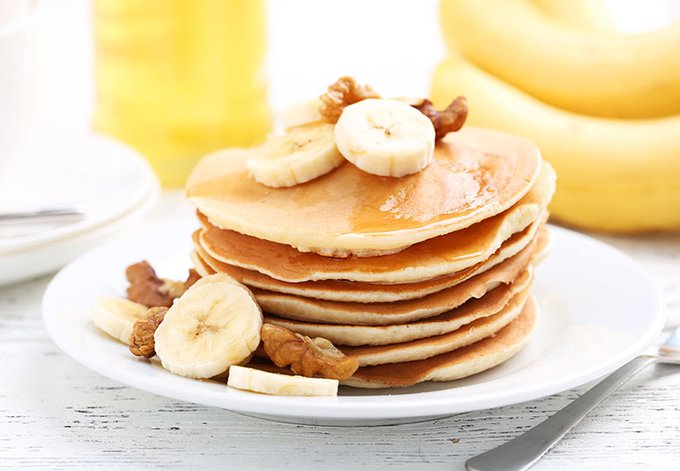
#MayoClinicRecipes: Smoked #Gouda and vegetable poached #EggSandwich —Try this great sandwich for breakfast or a brunch this weekend. You can also roast peppers by placing them directly over a gas burner or grill for 5 to 10 minutes. Enjoy! https://mayocl.in/2umGUda


sntSdeproo06m8a39h3661cm37379c0f3186752gl91t937c2i23f3280f4c ·
March is Endometriosis Awareness Month. Did you know this condition affects 1 in 10 women?
Endometriosis can cause debilitating pain, fertility issues, and significantly impact quality of life.
Megan Davenport, MISCP, Senior Physiotherapist in Pelvic Health at Blackrock Clinic, sheds light on the condition and its symptoms:
“Endometriosis can affect women at any age, from puberty to menopause, though its impact may persist throughout life. It is not just “bad period pain”—it is a long-term condition, and each person’s experience with endometriosis is different.
Women with endometriosis experience a wide range of symptoms, with the most commonly recognised including:
– Heavy periods (needing to change pads/tampons every hour or so)
– Painful periods that interfere with daily activities
– Pelvic, abdominal or back pain, sometimes radiating down the thighs
– Pain during or after sex
– Pain with urination or having a bowel motion
Fatigue, bloating and nausea can also be experienced as well as anxiety and depression.
Link to full article:
•
Follow
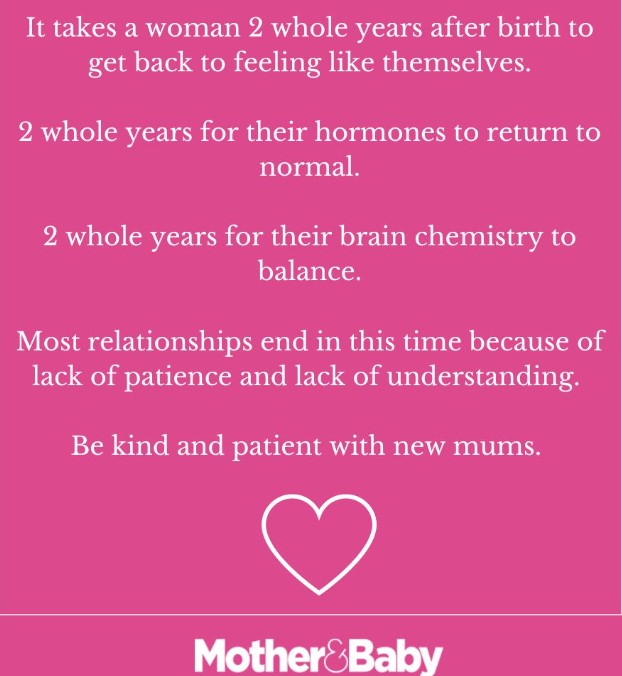
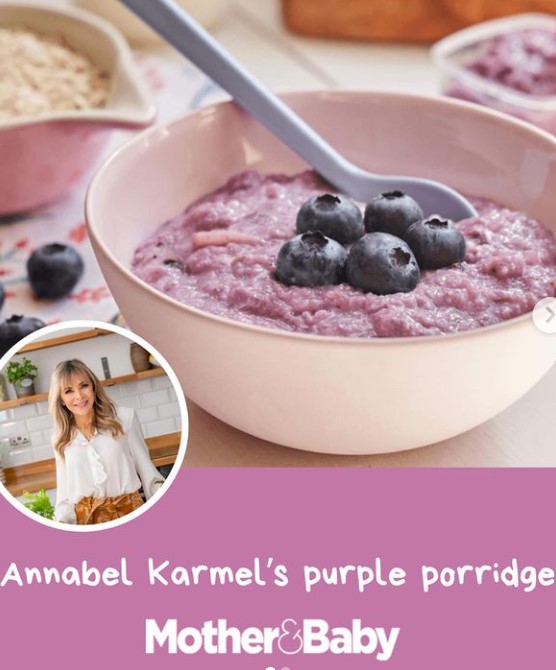
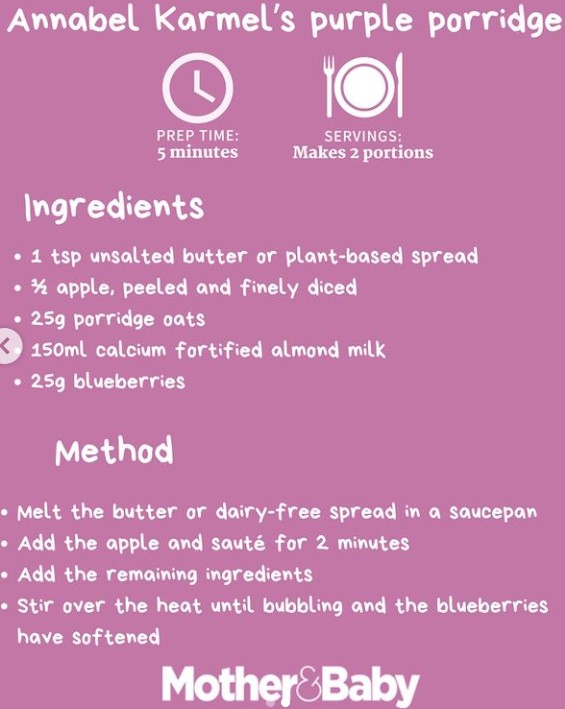
 motherandbabyHow long did it take for you to start feeling like yourself again after giving birth? 🩷

•
Follow
Liked by annabelkarmel and others

Cucumbers are abundant in silica, too, a trace mineral that may actually increase skin elasticity and help keep you looking young.
1 tablespoon rice wine vinegar
1 teaspoon olive oil
1/2 teaspoon toasted sesame oil
1/2 teaspoon soy sauce
Dash cayenne pepper
2 cucumbers, cut into 1/4-inch-thick slices
1/2 bunch chives, minced
1 teaspoon sesame seeds
Makes 2 servings
Calories: 100
Total fat: 4.5 g
Saturated fat: .5 g
Cholesterol: 0 mg
Sodium: 105 mg
Fiber: 3 g
Carbohydrate: 12 g
Sugar: 8 g
Protein: 4 g
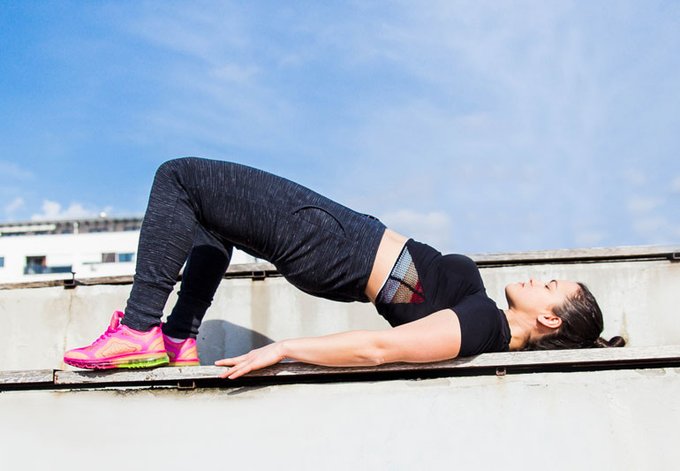
If you’re planning to start an exercise program and wondering where to begin, start with your core first, says physical therapist Brittany Smith, DPT. People often think of the core muscles as being the abdominal muscles, but the core includes the muscles in the abdomen, back and hips, all working together as a group.
“The core muscles provide stability for the entire body as it moves,” says Smith. “These muscles are activated when you stand up, turn, bend, reach, twist, stoop and move in most other ways. Everything starts with your core.”
Strong core muscles help you maintain good posture, while weak ones can lead to slouching and slumping. Poor posture can be a cause of aches and pain, especially in the back.
To get your core muscles in shape, you need to exercise.
“Our bodies were made to move, so any physical activity is really important,” says Smith.
She recommends these specific core-strengthening exercises below.
The first one engages the deep muscles in the abdomen, called the transverse abdominis. “These muscles help hold us in a better position to stabilize our core, thereby stabilizing our arms and legs,” says Smith.
“The more you work on these muscles, the more it will become second nature to hold these muscles tight when you’re lifting grocery bags, doing yard work or any other kind of physical activity,” says Smith. This will help support your body.
Other muscles that tend to be weak are the gluteus maximus in the buttocks, and the gluteus medius and gluteus minimus on the side of the hip. The bridge and clamshell exercises can help strengthen these muscles.
Smith emphasizes that getting the proper position of these exercises correct is more important than the number of repetitions you do. “It’s better to take your time, maybe do fewer reps, but with better quality,” she says. For that reason, it can be helpful to have the guidance of a physical therapist to get started.
Core exercises are the starting point of overall fitness because you need to hold those muscles engaged while you strengthen other muscles, such as the biceps in the arms or the quadriceps in the legs.
Smith suggests setting short-term goals (for about a month) and then more long-term goals. Once you have achieved short-term goals, such as getting around more easily, add other types of weight-training or resistance exercises to build muscle elsewhere.
With any exercise you do, always listen to your body, warns Smith. If you have pain other than muscle burn, take it easy. Reduce the number of repetitions, the weight or the duration of the exercises. Then build up gradually. “You don’t have to be in pain to make gains,” she says.
For each of the following, work up to one to two sets of 10 to 15 repetitions once a day.
Lie on your back with your knees bent and feet flat on the floor. Contract your abdominal muscles, and press the arch of your back down toward the floor, pulling your belly button toward your spine. Hold for 5 to 10 seconds. Make sure your lower back stays flat on the floor. Relax and repeat.

Lie on your back with your knees bent and feet flat on the floor with your arms at your sides. Squeeze your abdominal and buttocks muscles, push your heels into the floor and slowly lift your buttocks and hips off the floor. Keep your back straight. Hold for 5 to 10 seconds.

Lie on your side with knees bent in line with your hips and back, draw up the top knee while keeping contact of your feet together as shown. Don’t let your pelvis roll back during the lifting movement. Hold for 5 seconds.