Alcohol is a toxic, addictive drug that can be very damaging to health. Alcohol products, mainly beer, spirits and wine can be marketed without reference to alcohol in the advertising. Alcohol is consumed without restraint or regard for its health consequences.
Up to 85% of people in the U.S. experience back pain in their lifetime. And 28% of people with chronic pain turn to alcohol for relief. So, it can be helpful to understand possible connections between the two. There are many reasons you may experience back pain, and alcohol can… pic.twitter.com/BmRjRJpPgQ
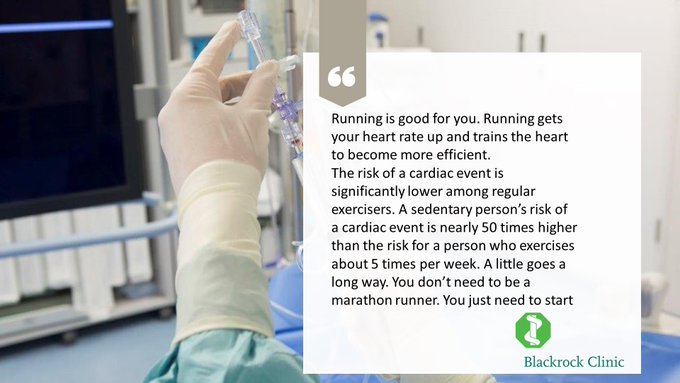
Build a regular running routine. Enjoy the headspace. Help make the most of short and precious lives. Run 50 miles in June and raise funds for Ireland’s only Children’s Hospice. Sign up today for your FREE running top and to join the Strava Club.
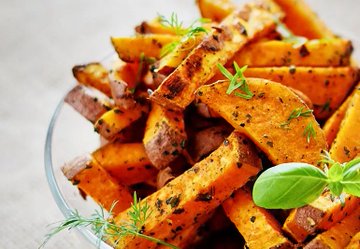
Swap regular fries for these delicious, and nutritious, potato wedges
These crispy sweet potato wedges come out Cajun spicy and sweet. Don’t tell anyone but they’re also really healthy. They’re loaded with antioxidants and phytonutrients and are a great source of beta-carotene. Another plus? As complex carbs, they digest slowly and raise blood sugars gradually — keeping you from a spike and drop-off.
Ingredients
2 sweet potatoes, cut into wedges (about 8 wedges per potato)
1 tablespoon olive oil
2 tablespoons Cajun seasoning
Directions
Preheat oven to 425 F.
In a large mixing bowl, combine the sweet potatoes, oil and Cajun seasoning. Mix well to evenly coat wedges.
Spread the wedges in a single layer on one (or two, if needed) ungreased baking sheets.
Bake for 30 minutes or until crispy and brown on one side.
Flip fries over and bake for another 30 minutes or until the wedges are crispy on the outside and tender inside.
Ingredient health benefits
Sweet potatoes: These root veggies are beloved the world over for their flavor and versatility. But did you know there’s more to sweet potatoes than … well, just being sweet? They’re also packed with essential vitamins and minerals like vitamin B6, vitamin C, vitamin A and potassium. These nutrients help support many aspects of your overall health, including your immune system, metabolism, blood pressure and vision. Sweet potatoes also have carbohydrates and fiber to fuel your cells and promote healthy digestion.
Olive oil: This cooking oil is one of those ingredients that’s actually worth the hype. Olive oil is full of unsaturated fats and polyphenols. These compounds support your heart and fight inflammation that can harm your cells. Vitamin E and vitamin K, also known as fat-soluble vitamins, maintain radiant skin and strong bones. Olive oil also elevates your good “HDL” cholesterol while lowering your “bad” (LDL) cholesterol. And powerful antioxidants suppress free radicals, damaging little particles that harm your cells in ways that can lead to cancer. While all olive oil has these benefits, extra virgin olive oil (EVOO) is the highest quality, so don’t hesitate to pick some up if it fits within your budget!
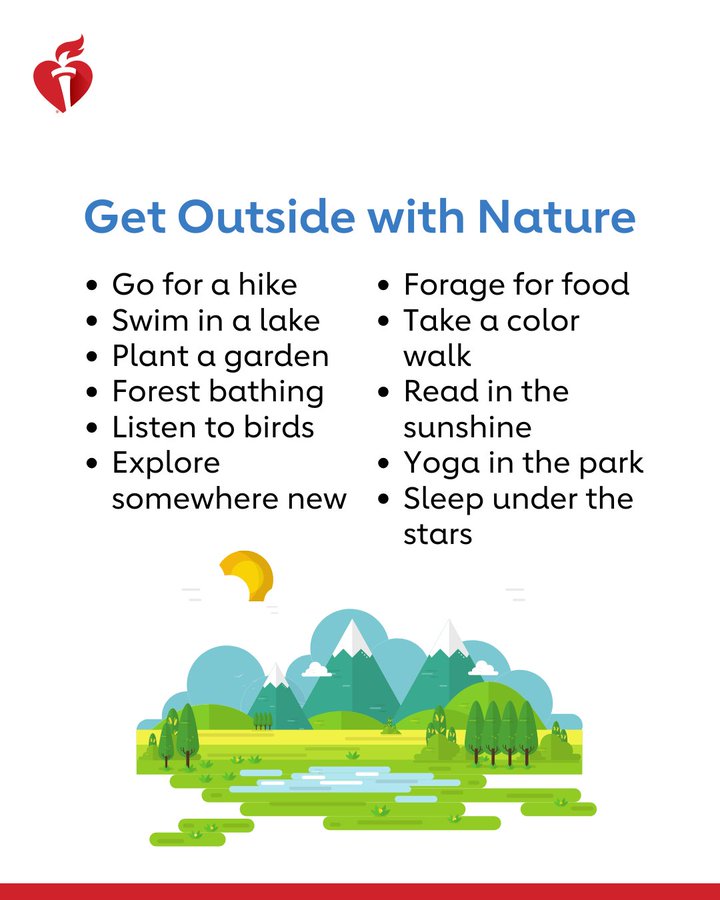
For less stress, keep outside in mind! Spending time in nature can help lower stress and anxiety, improve your mood, and boost feelings of happiness and well-being.
Did you know Greek yogurt has almost twice as much protein as other yogurts? It takes longer to leave your stomach, keeping you satisfied longer. Plus, you burn more calories digesting protein than carbs. https://wb.md/3BbzYB7
You’re putting your skin at risk of sunburn and even skin cancer when you pour on the beer
There’s a good chance you think a golden tan makes you look more youthful, healthier and more attractive. And while there are many ways to achieve a faux bronzed glow — think bronzers and sunless tanners — you might be tempted to try an unsafe way to get a suntan.
One of those dangerous trends is beer tanning (yes, you read that right!). The idea is that slathering your skin with beer will help you achieve a darker, richer color.
You can thank social media for spreading the concept of beer tanning. But just because TikTok or Instagram influencers are touting the results of something, doesn’t mean it’s not without its risks (Exhibit A: nasal tanning sprays).
Dermatologist Shilpi Khetarpal, MD, explains how beer tanning can harm your skin and why it’s so important to protect your skin.
What is beer tanning?
Instead of using sunscreen, people use the alcoholic beverage like a tanning lotion. The thought process is that hops — one of the main ingredients in beer — increase your skin’s melatonin.
But Dr. Khetarpal wants to be very clear: There’s no scientific evidence to support this theory. And you’re leaving your skin in a vulnerable state with no SPF protection at all.
“There are many issues with this idea of beer tanning,” she continues. “The first is that if you’re not applying sunscreen, the skin is not protected. It can also increase the chance of getting a sunburn and lead to an increased risk of skin cancer.”
The dangers of beer tanning
Just like tanning beds and using tanning oil, beer tanning is NOT good for you or your skin.
Beer tanning essentially leaves your skin unprotected. Exposure to the sun’s harmful ultraviolet (UV) rays can lead to:
And what might be most concerning is who is following this unsafe idea.
“The age groups that are following these trends are 15- to 34-year-olds — and it’s also the same age group that has a disproportionately high incidence of skin cancer and that’s on the rise,” says Dr. Khetarpal. “We’re going to see that number go up as this population ages.”
The facts on skin cancer — the most commonly diagnosed cancer in the U.S. — paint a scary picture. Here are just some of the alarming stats:
In 2024, the number of deaths from melanoma is expected to increase by 3.8%.
“We get most of our sun exposure during childhood, so it’s important to wear sunscreen every day even if you’re not outdoors,” stresses Dr. Khetarpal. “The increase in UV exposure and tanning beds is why there is an increase in skin cancer that we’re seeing today.”
Wear UPF clothing. UPF stands for “ultraviolet protection factor,” and certain clothing is made with UPF fabric.
Wear a hat and sunglasses. These items can help protect your face, the back of your neck and your eyes.
Seek out shady areas when you can. Not only can this help protect your skin, but getting a break from the hot sun can also reduce your chance of dehydration and heat stroke. Consider an umbrella when you’re at the beach.
“Protect your skin by wearing an SPF 30 or higher daily, regardless of the weather and reapply every 2 hours when outdoors,” reiterates Dr. Khetarpal. “You can also look for UPF-protected clothing and seek shade during peak sun hours, which are typically 10 a.m. to 2 p.m.”
Bottom line?
Sure, we get it — our society is somewhat obsessed with suntans and having a bronzed look. But as with most viral trends, beer tanning can do more harm than good. Ask yourself: Is having a tan worth the potential for skin cancer down the road?
And if you’re like us and Dr. Khetarpal, not only is it not worth the risk of sunburn, heat exhaustion and skin cancer, but it’s also not worth the mess it creates.
“Besides everything we know about ultraviolet exposure and putting yourself outside without sunscreen, why would you want to put something sticky and messy all over your body?” asks Dr. Khetarpal.
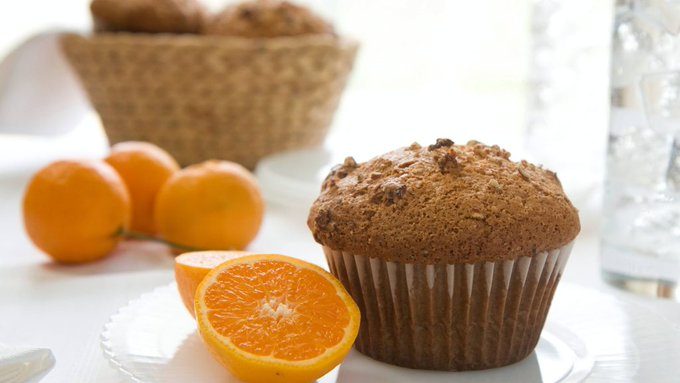
#MayoClinicRecipes: These cranberry orange muffins would make a nice #breakfast treat this weekend. Use Greek yogurt to reduce or replace shortening, oil or butter. This cuts fat and makes muffins extra moist and tender. https://mayocl.in/2Oc6EDS