Alcohol is a toxic, addictive drug that can be very damaging to health. Alcohol products, mainly beer, spirits and wine can be marketed without reference to alcohol in the advertising. Alcohol is consumed without restraint or regard for its health consequences.
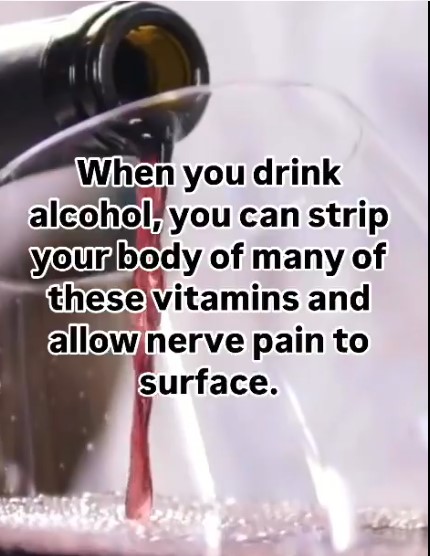
Up to 85% of people in the U.S. experience back pain in their lifetime. And 28% of people with chronic pain turn to alcohol for relief. So, it can be helpful to understand possible connections between the two. There are many reasons you may experience back pain, and alcohol can… pic.twitter.com/BmRjRJpPgQ
Two friends share laughter and wine during a relaxed evening at home.
Note: While research on alcohol is evolving, the World Health Organization says drinking less or not at all is better for your health.
If you’ve noticed your hair thinning or that you’re losing hair more rapidly, you may be wondering whether your alcohol consumption is to blame. After all, alcohol is tied to a wide range of health issues, from liver disease to nutrient deficiencies and cardiovascular conditions — more than 200 health conditions in all.
[1] Could it also be contributing to your hair loss?
The short answer: Alcohol itself isn’t a direct, proven cause of hair loss. But excessive drinking may contribute to factors that negatively affect hair health, such as nutritional deficiencies, dehydration, hormonal disturbances, and immune system impairment.
[1]
“There’s no direct causal relationship that’s been defined. What we see instead is a suggested link, especially with androgenic alopecia, or pattern hair loss. And it may depend on the type and amount of alcohol consumed,” says Chris Adigun, MD, a dermatologist in private practice in Chapel Hill, North Carolina.
Here’s a closer look at what the science says if you’re worried about the potential role of alcohol in your hair health.
Alcohol and Hair Loss: What the Science Shows
Currently, there’s no strong evidence that alcohol directly causes hair loss. But researchers have studied how drinking causes ripple effects on overall health, including indirectly influencing hair loss.
One research review that included 17 studies and more than 61,000 participants — mostly women — found that consuming higher amounts of sugary drinks and alcohol was linked to more hair shedding. The researchers even suggest that limiting alcohol may be beneficial in supporting hair health, though further research is needed to confirm the findings.
[2]
The research review isn’t able to determine the two are linked, but some clear factors are at play, says Julia Zumpano, RD, a registered dietitian at Cleveland Clinic’s Digestive Disease & Surgery Institute in Ohio.
“One probable cause could be the role these beverages play in the gut microbiome and nutrient absorption,” Zumpano says.
Excessive drinkers may also eat less nutrient-dense foods and may be deficient in nutrients crucial to hair health, such as vitamin D, iron, protein, and B12, she says. Chronic nutrient deficiency can weaken the hair’s structure and cause thinning.
[3]
Both theories are backed by research. It’s been established that chronic alcohol use is tied to malnutrition via alcohol’s effects on the small intestine’s ability to absorb key nutrients.
[4]
Genetics are another key factor, according to research. One study that looked at more than 1,100 men who were diagnosed with androgenetic alopecia found that regular drinkers had a 61 percent increased risk that their pattern hair loss would advance to moderate or severe stages.
[5]
In this case, the researchers said doctors should consider counselling patients with a genetic predisposition to hair loss to steer away from alcohol as a preventive measure.
[5]
And then there’s the stress on the body that alcohol may cause, Dr. Adigun says. Excessive drinking can disrupt sleep, trigger dehydration, and weaken the immune system, all of which can indirectly affect hair health.
[6]Should You Drink if You Have Hair Loss?
If you’re already dealing with hair thinning or shedding, do you need to stop drinking altogether? The answer depends on how much you drink and your overall health.
Based on the research, if you’re genetically predisposed to hair loss, Adigun suggests limiting alcohol consumption to avoid accelerating the process. “If someone has a family history of androgenic alopecia, for example, adding alcohol as another risk factor is inadvisable if they want to keep their hair,” she says.
But for most adults, moderate drinking — up to one drink per day for women and two for men, according to U.S. dietary guidelines — is unlikely to directly trigger hair loss, Adigun says.
[7]
If you drink excessively, cutting back may support your hair health indirectly by lessening the negative impact on your sleep, immune system, and your ability to absorb nutrients.
The term “excessive drinking” typically refers to binge drinking or heavy drinking. Binge drinking consists of consuming multiple drinks on a single occasion — 4 or more for women, 5 or more for men. Heavy drinking is defined as consuming 8 or more drinks per week for women, or 15 or more for men.
[8]
Your best bet is to meet with a dermatologist, who can help sort out the underlying causes of your hair loss — whether they’re genetic, hormonal, nutritional, or related to other health conditions. A dermatologist can run tests, identify the type of hair loss, and create a treatment approach that may combine medications, supplements, and lifestyle changes.
[9]
“Hair loss doesn’t happen in a vacuum, it’s complex. Alcohol is one piece of the puzzle, but we also need to look at genetics, lifestyle, and other contributing factors,” Adigun says.
Does Alcohol Interact With Hair Loss Medications?
If you’re taking medication for hair loss, you may wonder whether alcohol is safe. Some hair regrowth treatments don’t interact with alcohol, but others may increase your risk of side effects when combined with drinking.
Always ask your doctor or pharmacist before combining the two.
Here’s a look at some common treatments for hair loss and their potential interactions.
Minoxidil (Rogaine)
Topical application of minoxidil has no known alcohol interactions, but oral minoxidil may increase the risk of severe hangovers in people who are drinking heavily while taking the medication.
[10]
[11]
Finasteride (Propecia)
There are no major interactions with alcohol while taking this medication.
[12]
Spironolactone (Aldactone)
This medication is used off-label for female pattern hair loss. While taking it, women should stick within recommended guidelines for daily alcohol consumption — one drink per day or less. Alcohol can make some people feel dizzy or sleepy. If this happens to you, try not to drink alcohol while taking spironolactone.
[13]
[7]
Adigun also reminds people who are already exploring hair restoration options, such as topical and oral medications or injections, to try not to undermine their progress by drinking.
“If you’re doing treatments like minoxidil or [platelet-rich plasma injections] and at the same time, [you’re] drinking moderately or heavily, you’re adding a risk factor that we know increases [hair loss] severity,” she says. “Why continue a habit that worsens the condition you’re trying to treat?”
The Takeaway
Alcohol hasn’t been proven to directly cause hair loss, but excessive drinking can worsen hair shedding indirectly by disrupting sleep, hydration, and nutrient absorption — all of which can affect hair health.
Genetics play a key role in pattern baldness — and if you’re predisposed to androgenic alopecia, research suggests that alcohol may accelerate the process.
If you’re treating hair loss with medications or procedures, cutting back on alcohol can help you get the best results and avoid undermining your progress. Work with a dermatologist to understand what may be causing your hair loss.
A healthy, Asian spin on your usual weeknight pasta dish
Luxurious coconut milk and peanut butter make a silky sauce — and a savory sweet topping for squash, edamame and broccoli.
Ingredients
1 large spaghetti squash 1 tablespoon olive oil Sea salt and freshly ground black pepper 1/2 cup no-added-sugar peanut butter 1 cup canned light coconut milk, plus more if needed 2 garlic cloves 1 1/2 teaspoons ground ginger 1 tablespoon soy sauce 1 1/2 teaspoons rice vinegar 1 large head broccoli, cut into bite-sized florets and steamed 2 bunches Swiss chard, roughly chopped and steamed 1 cup cooked edamame 1 bunch green onions or scallions, chopped, for garnish 1/2 cup chopped peanuts, for garnish
Directions
Preheat the oven to 400° F.
Line a baking sheet with foil and set aside.
Carefully cut the spaghetti squash in half lengthwise, using a large, sharp knife. Remove the seeds and stringy guts and discard or compost.
Brush the cut insides of the squash with 1 tablespoon of the olive oil. Season with salt and pepper.
Place the spaghetti squash, cut side down, on the prepared baking sheet and roast until tender, 45 to 60 minutes. When it’s done, the strands of the squash should fall off easily when scraped with a fork.
Remove from the oven and let the cooked spaghetti squash cool for about 5 minutes, then scrape all the flesh into a pile of strands in a large bowl.
Taste and season with more salt and pepper, if needed.
Place the peanut butter, coconut milk, garlic, ginger, soy sauce and rice vinegar in a blender, and blend on high speed until completely smooth; add a little more coconut milk if a thinner consistency is desired.
Mix the squash with the cooked broccoli, Swiss chard and edamame.
Divide equally among four bowls. Drizzle with the peanut sauce and sprinkle with the green onions and peanuts.
Nutrition information (per serving)
Makes 4 servings
Calories: 591 Total fat: 40.5 g Saturated fat: 7.9 g Trans fat: 0 g Cholesterol: 0 mg Sodium: 1121.1 mg Total Carbohydrate: 40.5 g Fiber: 14.1 g Sugar: 11.2 g Protein: 27.3 g
Any extra calorie burn from exercising in cold or hot temps is minimal
Everyone has their preferences for how they want to exercise. Some like to wear layers and turn up the heat when pumping iron. Others like to run for miles, no matter how cold it is outside. But have you ever given any thought to how many calories you’re burning when it’s cold or hot — and if one burns more calories than the other?
Sports medicine physician Matthew Kampert, DO, shares how temperature can affect physical fitness and which temps are best for your workouts.
Is cold or hot weather better for burning calories?
It takes a lot of energy — in the form of calories — to keep you alive. Even when you’re at rest, your body is constantly burning calories to do vital things like keep your heart beating.
It also takes calories to keep your core body temperature at about 98.6 degrees Fahrenheit (37 degrees Celsius). If your body gets too hot or too cold, it burns extra calories to get your core body temperature back to a healthy range. This process is called thermoregulation.
“The harder your muscles work, the more calories you burn,” says Dr. Kampert. “So, if you’re exercising in hotter or colder weather, your body has to work harder to regulate its temperature while you’re exercising.”
Both cold and hot weather can slightly increase the number of calories your body burns. But for most people, the difference is so small that it won’t have much impact on weight loss. It’s the workout itself that’s responsible for burning most of your calories.
Dr. Kampert explains how calorie burn changes in both cold and hot environments.
Burning calories in the cold
In colder environments, your body works to keep your core temperature from dropping. To do that, it first tries to conserve heat. If that’s not enough, it starts generating more heat. This process involves several different mechanisms, such as:
Vasoconstriction: Your blood vessels narrow and send less warm blood to the surface of your skin to help reduce heat loss.
Shivering: When you’ve got the chills, your muscles automatically burn calories and generate heat by rapidly contracting and relaxing.
“Your muscles require energy every time they move, even when it’s an involuntary action like shivering,” explains Dr. Kampert. “You may burn a few extra calories when you’re cold, but the increase is small and isn’t enough to make exercising in cold weather a weight-loss strategy.”
Plus, without proper protection and enough layering, long-term exposure to cold weather could lead to injury and impact dexterity, flexibility and muscle strength.
Burning calories in the heat
Some people intentionally exercise in the heat or wear extra layers to make themselves sweat more, thinking it will help them burn more calories. But sweating doesn’t always equal an increase in calorie burn. It’s simply your body’s way of cooling itself down through thermoregulation.
When your body overheats, it works to lower your core temperature to healthy levels. It does this primarily through:
Vasodilation: Your blood vessels widen to send more warm blood to the surface of your skin, allowing heat to escape.
Sweating: Sweat evaporates from your skin, carrying heat away from your body and helping prevent overheating.
“Sweat evaporates more easily in hot, dry environments,” says Dr. Kampert. “In humid environments, the air is already saturated with water vapor, so it becomes harder for your body to cool itself down and harder to exercise.”
Trying to make yourself sweat more by exercising in extreme heat or wearing heavy clothing isn’t an effective weight-loss strategy. Instead, it can increase your risk of:
Dehydration
Heat cramps
Heat exhaustion
Heatstroke
A better approach to working out in any temp
Working out in extreme temperatures poses significant risk for older adults, young children and others with a reduced ability to regulate body temperature.
Check in with your healthcare provider before exercising in cold or hot temps if you:
Have cardiovascular disease
Have diabetes
Have obesity
Take certain medications, like blood thinners
“If your goal is to burn more calories, the intensity, duration and consistency of your workout matter far more than the temperature of your surroundings,” stresses Dr. Kampert. “When exercising, focus on training safely and be prepared for inclement weather.”
Avoid wearing too many layers or accessories on your next cold run. Excess sweat can cool your body too quickly after exercising, making you feel colder. Instead, Dr. Kampert suggests wearing:
A synthetic moisture-wicking base layer, like nylon or polyester
An insulating middle layer, like fleece or wool
A windproof or weatherproof outer layer
When it comes to the heat, stick to clothing that’s:
Lightweight
Light-colored
Loose fitting
In either case, you want to stay hydrated and take things slow. If you feel dizzy or distressed, or if something doesn’t feel right, stop what you’re doing and head inside for recovery.
“Exercising in extreme temperatures increases the intensity of a workout, but it comes with its own set of risks and won’t increase how many calories you’re burning in any significant way,” reiterates Dr. Kampert. “If you’re looking to burn more calories, try progressing your workouts by increasing the amount of sets, reps or weight you’re lifting.”
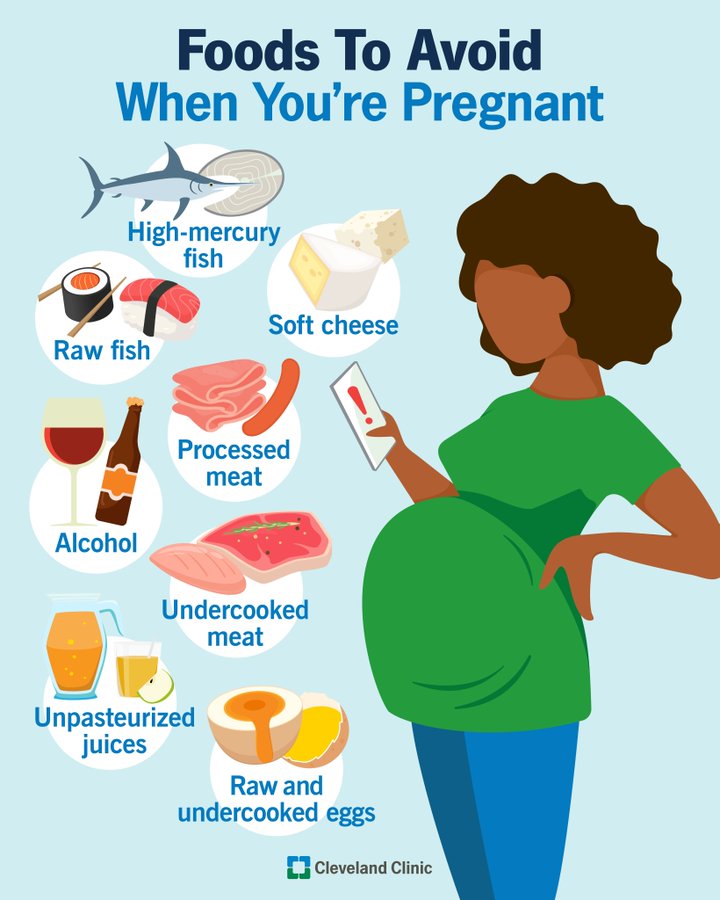
When you’re pregnant, it’s important to eat a healthy diet that provides the nutrients you need. That helps keep you feeling your best and promotes healthy fetal development. But pregnancy also puts you at higher risk for foodborne illness. Some foods and drinks can increase your risk for pregnancy complications. Avoid high-mercury fish and processed meat, and go easy on salt and caffeine.