https://www.facebook.com/share/v8MPuJgSjXrrdTFa/
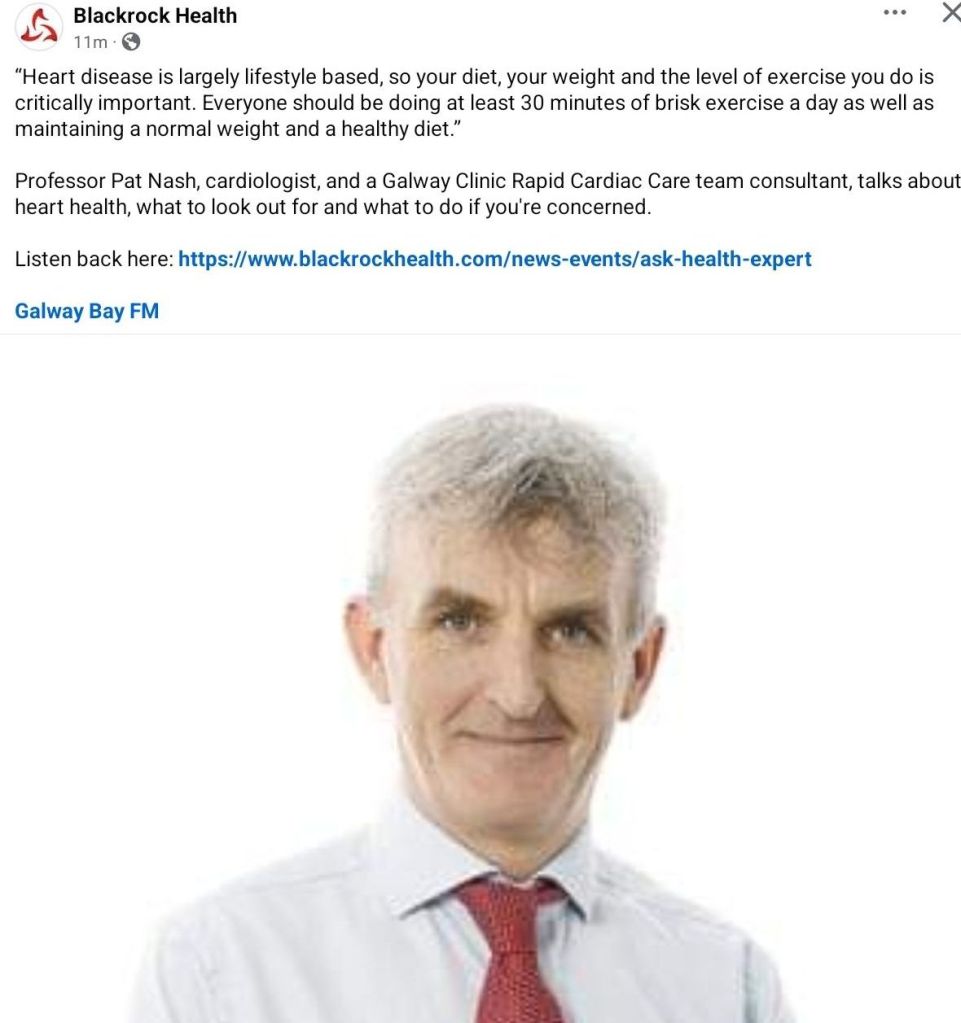

Health is Wealth


and
Liked by tinasjourney123 and others
An easy way to lighten up your diet


Chartered Society of PhysiotherapyVerified account @thecsp 37 minutes ago
There are many myths surrounding back pain, read our guide ’10 things you need to know about your back’ with the latest physio advice: http://www.csp.org.uk/yourback #LiveWellforLonger

No pain, no gain? Not true for people suffering from chronic back pain. Instead, it’s the opposite: Back pain is one of the main causes of missed work (and missed paychecks).
But could the key to coping with chronic back pain be in your mind? “We actually know that pain is not just a sensory, or physical, experience,” says psychologist Sara Davin, PsyD, MPH. “It is also an emotional experience.”
Dr. Davin explains how you can harness your pain management super-powers by understanding the very real connection between pain and your thoughts.
To understand how it all works, think of pain’s purpose. Pain is your brain’s way of alerting you that something is wrong, whether it’s a stubbed toe or a slipped disk.
How your brain processes an injury, then shares that information, has a direct connection to the level of pain you feel. You’re aware of pain because your brain tells you it’s there. (Psst — your brain also controls your thoughts and emotions.)
“Pain is processed in the brain and the central nervous system. Both have areas connected to the sensory experience, but both also have areas connected to the emotional experience,” Dr. Davin explains. “The sensory and emotional go together to create the output of one’s experience of pain. So to comprehensively treat chronic back pain, we have to look at both sides.”
And while traditional treatments like medications and physical therapy can take the edge off, they often ignore the elephant in the room: your thoughts.
“Managing back pain with behavioral medicine strategies might even prevent the pain from becoming chronic,” Dr. Davin states.
CBT for pain is talk therapy’s more specialized cousin. It’s a behavioral medicine strategy that teaches people how to:
Still not sold? Dr. Davin gives this example: Someone who feels that their pain is unbearable may cope by lying in bed and isolating themselves from activities they value. “This cycle can go on and on,” she explains. “The person becomes more helpless and then, from a physical standpoint, becomes weaker. Naturally, they now have even more pain.”
With CBT, that helpless feeling (and associated pain) is kicked to the curb because pain psychologists teach people how to:
The proof is in the pudding. Dr. Davin runs an interdisciplinary program that uses physical therapy and CBT to treat chronic back pain. Patients participate in this program for 4 to 10 weeks, depending upon their progress.
“Folks in the program were better when compared to physical therapy alone,” she reports. “We have consistently seen significant improvements across all quality of life measures, including how much pain interferes with someone’s life, levels of fatigue, anxiety and depression, plus improvements in pain-related disability.”
Interestingly, one of the metrics that improves the most in the program is how satisfied participants are in their social roles. “In our program we teach people how to start having fun again and connected with others,” Dr. Davin notes. “I suspect this is why we see people wanting to be more socially active after the program.”
Here’s how you can incorporate behavioral medicine strategies into your back pain management:
https://health.clevelandclinic.org/chronic-back-pain-you-may-find-relief-with-behavioral-medicine/

This recipe switches up chicken marsala by swapping in salmon. It’s a great way to get delicious and healthy fish on the menu. You should be able to find Marsala wine in the cooking wines or condiments section of your local grocery store.
Makes 4 servings
Calories: 450
Fat: 12 g
Fiber: 9 g
Sodium: 147 mg (doesn’t include the optional salt)
Carbohydrates: 44 g
Protein: 37 g
— Recipe courtesy of Speaking of Women’s Health.
·
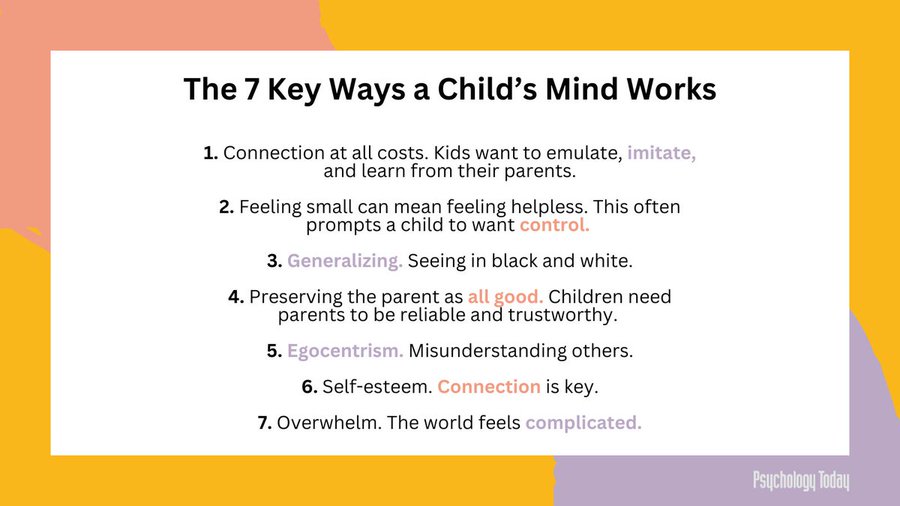
The next time your child acts up, ask yourself what’s at the root of it. You’ll likely find that one or more of these qualities is at play. https://psychologytoday.com/us/blog/a-deep-dive-into-narratives/202503/the-7-key-ways-a-childs-mind-works
This recipe switches up chicken marsala by swapping in salmon. It’s a great way to get delicious and healthy fish on the menu. You should be able to find Marsala wine in the cooking wines or condiments section of your local grocery store.
Makes 4 servings
Calories: 450
Fat: 12 g
Fiber: 9 g
Sodium: 147 mg (doesn’t include the optional salt)
Carbohydrates: 44 g
Protein: 37 g
— Recipe courtesy of Speaking of Women’s Health.
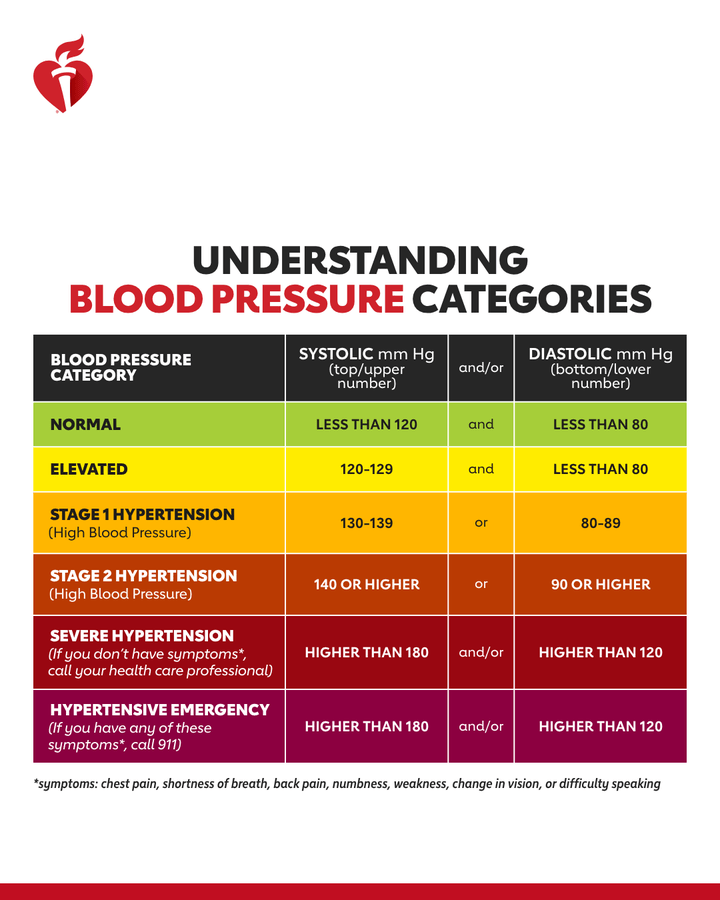
Get your blood pressure checked at least once a year and understand what the numbers mean. Severe high blood pressure combined with symptoms such as chest pain or trouble speaking may be a hypertensive emergency, according to the new high blood pressure guideline, and you should call 911 immediately.
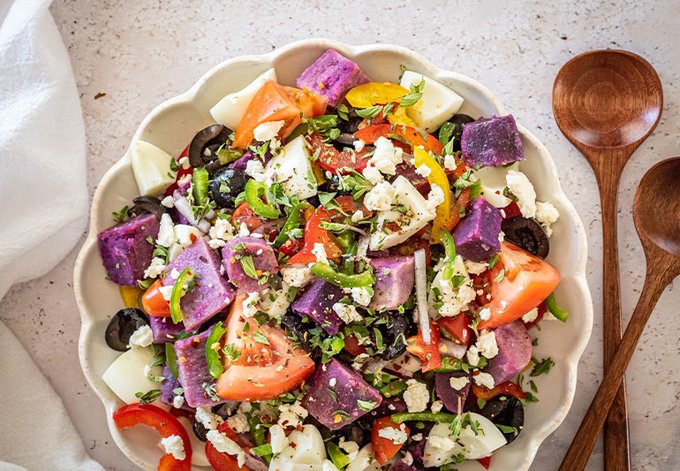
Peru has been cultivating potatoes for more than 6,000 years in the high Andean slopes near Lake Titicaca.
A stroll through the public markets reveals a startling number of sizes, shapes and colors — including the famous Peruvian blue potatoes with their purplish-blue skin and flesh.
It’s fun to use these blue potatoes, but if your market doesn’t carry them or if you prefer other potatoes, you can always use small red or white potatoes.
Kosher salt
1 1/4 pounds small Peruvian blue potatoes
1/4 cup minced red onions
1 red bell pepper, seeded and diced
1 yellow bell pepper, seeded and diced
1 large tomato, seeded and chopped
1 jalepeño, seeded and minced
3 tablespoons red wine vinegar
3 tablespoons extra virgin olive oil
1 teaspoon sugar substitute
2 hard-boiled egg whites, chopped
2 tablespoons chopped fresh oregano
1/2 cup crumbled reduced-fat feta cheese
2 tablespoons sliced black olives, optional
Makes 8 servings
Calories: 200 calories (31% from fat)
Total fat: 7 g
Saturated fat: 1.5 g
Protein: 7 g
Carbohydrate: 31 g
Dietary fiber: 2 g
Cholesterol: 5 mg
Sodium: 95 mg
Potassium: 109 mg
Source: Cleveland Clinic Healthy Heart Lifestyle Guide and Cookbook (© 2007 Broadway Books).

