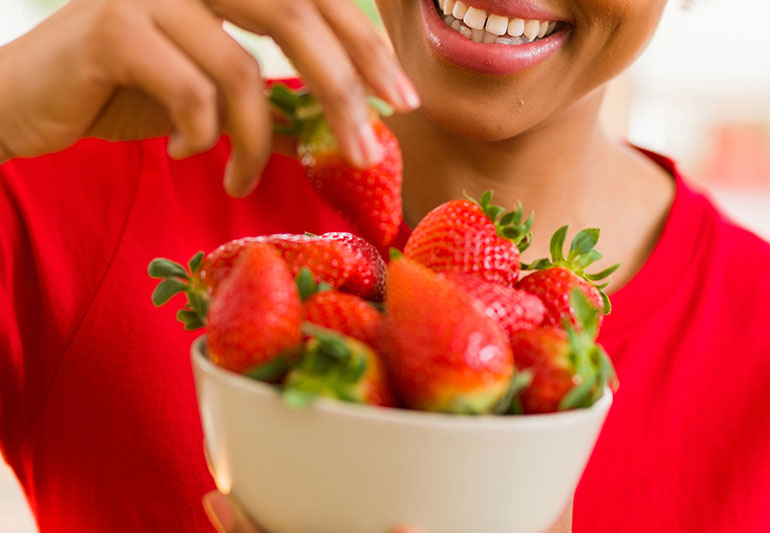
Strawberries Boost Brain Power @ClevelandClinic #healthaware

Strawberries are an iconic summer fruit — delicious in lemonade, on shortcakes or just straight out of the basket. And it turns out they may be the sweetest way to stay healthy, too. Registered dietitian Bailey Flora, MS, RDN, LD, explains the benefits of strawberries and what nutrients they contain that make strawberries so good for you.

Why are strawberries good for you?

“Strawberries give you a lot of nutritional value for very few calories,” says Flora. “They’re tasty but naturally low in sugar. That’s a combination that’s hard to beat.”

For starters, strawberries are loaded with vitamin C. Eight medium strawberries contain 160% of your daily recommended amount — the amount that the U.S. Food and Drug Administration (FDA) recommends you eat every day. That’s more vitamin C than you get from an orange, the fruit famous for its vitamin C.  

Strawberries are also packed with antioxidants, which protect cells from damage. The primary antioxidant in strawberries is anthocyanin, which gives the fruit its color. The amount of anthocyanin in strawberries increases as the fruit ripens. So, the redder the berry, the more antioxidants it contains.

Strawberries also have fiber and several other important vitamins and minerals, including manganese, potassium and folic acid. And strawberries have less natural sugar than other popular fruits such as apples and bananas.

Health benefits of strawberries

Strawberries are a nutrient-rich snack that can:

1. Boosts brain power

As your brain ages, it can lose some of its mental sharpness. But according to research, eating strawberries protects your brain’s processing powers as you get older.

The Nurses’ Health Study measured brain function in more than 16,000 participants over six years. It found that people who ate the most blueberries and strawberries had less cognitive decline — their thinking and processing abilities didn’t weaken as much. They had the brain power of someone up to two and a half years younger.

In more good news for strawberry lovers: The results of the Rush Memory and Aging Project showed that people who ate strawberries were 34% less likely to develop Alzheimer’s disease.

Researchers believe the protective effects are due to the antioxidants that safeguard cells. Some of the antioxidants in strawberries also reduce systemic inflammation, when your body is in a state of constant inflammation (swelling and irritation). Systemic inflammation is a key factor in the development of Alzheimer’s disease.

2. Strengthens your immune system

Strawberries are a great source of vitamin C (ascorbic acid), which you need to get from food, as your body can’t produce it. In rare cases, people who don’t get enough of this crucial vitamin develop scurvy, a disease that causes bleeding, bruising and anemia.

Vitamin C plays an important role in wound healing. And it may prevent and treat respiratory and systemic infections too. Research shows that vitamin C increases the production of:

  • T-cells, which remove infected and cancerous cells.
  • B-cells, which create antibodies so your body can better defend against germs in the future.

Vitamin C is also anti-inflammatory, lowering your stress response triggered by illness or just your busy life. To ward off germs, researchers suggest getting 100 to 200 milligrams (mg) of vitamin C a day — and more when you’re sick. As eating eight medium strawberries gives you 160 mg, it takes just a handful of berries to help keep your immune system in good shape.

“There isn’t enough evidence to say whether vitamin C can prevent colds and the flu,” says Flora. “And it can be more beneficial to choose vitamin-C-rich foods like strawberries over vitamin C supplements, as you get additional health benefits. With strawberries, that includes fiber and other phytonutrients and vitamins that cannot be replicated in a vitamin supplement.”

3. Protects heart health

Flora says that popping a few strawberries in your mouth isn’t just a way to stave off hunger — it’s also a heart-healthy food choice. Research shows that strawberries can help prevent several conditions that can lead to heart disease and stroke, as well as diabetes, which increases the likelihood of heart disease. Eating more strawberries can help you:

Lower cholesterol

In one small study, participants consumed two drinks a day, each made with 25 milligrams of freeze-dried strawberry powder blended with water. That’s about the same as eating 3.5 cups of fresh strawberries a day. After a month, the participants’ total cholesterol was 5% lower.

The cholesterol-lowering results of that study were echoed in another study that gave participants the same amount of freeze-dried strawberry powder. But this time, they consumed the drink for two months. Researchers compared the results to a group that just drank more water. Those who sipped the strawberry drink saw their cholesterol decrease by 10%.

Decrease triglycerides

Triglycerides are fats found in your blood. Having high triglycerides increases your risk of heart disease. And when triglycerides break down, they leave byproducts that trigger inflammation, attracting sticky deposits to blood-vessel walls. That material can clog your arteries (atherosclerosis), explains Flora.

But eating a pound of strawberries a day may reduce triglycerides by 20%. That’s the result of one study, which also found that strawberries reduced total cholesterol by 8%. 

4. Reduces inflammation

Widespread internal inflammation contributes to multiple diseases, including heart disease. Lifestyle factors like a poor diet, low physical activity and smoking can lead to inflammation.

Eating more strawberries is a step in the right direction to boost your heart health, says Flora. That’s because the most prevalent antioxidants in strawberries are anthocyanins, known for their anti-inflammatory effects.

5.  Helps manage blood sugar

Too much glucose (sugar in your blood) is a risk factor for Type 2 diabetes, making you more likely to develop heart disease, too. If you’re watching your blood sugar levels, strawberries are a good way to satisfy your sweet tooth.

In a Finnish study, people who ate strawberries with a piece of white bread released 26% less insulin compared with eating bread with a cucumber. Participants also ate the bread with other berries, including raspberries and cranberries. Only strawberries weakened the post-meal blood sugar spike.

Strawberries are a great addition to a healthy diet, especially when you eat them on their own — Flora advises laying off the calorie-laden whipped cream, cake or ice cream. (Sorry!) They’re delicious, full of good-for-you nutrients and low in sugar. Try this strawberry smoothie. (Surprise — it’s green!) And for a strawberry treat that’s not too sweet, make these strawberry pretzel squares at your next get-together.FACEBOOKTWITTER
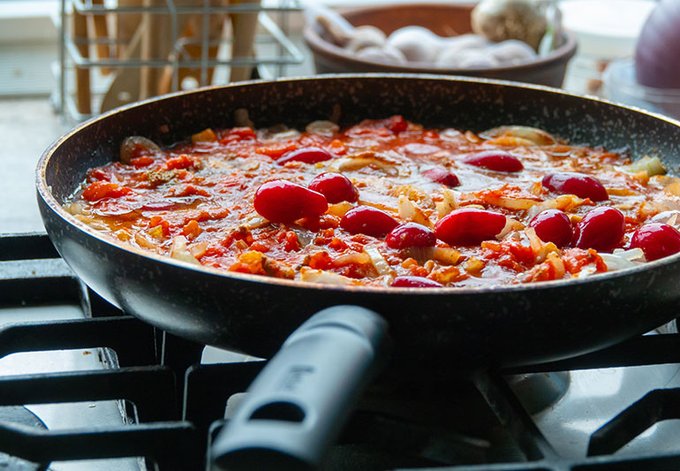
Recipe: Spaghetti With Fresh Tomato Sauce and Roasted Vegetables @ClevelandClinic #nutrition

Why not try your hand at making homemade tomato sauce? The freshness of the tomatoes and the smokiness of the roasted vegetables make this a great topping for spaghetti. If you don’t have your own garden, use canned Roma tomatoes for a tasty dish that includes roasted mushrooms, broccoli and peppers.

Ingredients

Tomato sauce

Olive oil cooking spray
2 garlic cloves, minced
1 small carrot, minced
1 shallot, minced
4 cups peeled, seeded, and diced ripe tomatoes or one 28-ounce can no-salt-added diced tomatoes, drained
1/4 cup dry red wine
1 1/2 tablespoons balsamic vinegar
1/4 teaspoon crushed red pepper flakes, optional
1/4 cup chopped fresh basil

Pasta

1/2 pound whole wheat spaghetti
3/4 pound broccoli florets and stalks, peeled and cut into bite-size pieces
2 portobello mushrooms, halved and thinly sliced
1 red, yellow or orange bell pepper, seeded and coarsely chopped
1 1/2 tablespoons extra-virgin olive oil
1 1/2 tablespoons balsamic vinegar
Freshly grated pepper
2 tablespoons freshly grated Parmesan cheese

Directions

  1. Preheat oven to 400° F. Line a rimmed baking sheet with aluminum foil.
  2. To make the sauce, coat a large pot with cooking spray and saute the garlic, carrot and shallot over low heat until they begin to wilt, about 5 minutes. Stir in the tomatoes, wine, vinegar and red pepper flakes (if using). Cover and simmer slowly for 30 minutes.
  3. Stir in the basil and simmer for 10 minutes more. (To make a smoother sauce, cool and process in batches in either a blender or food processor.) Set aside.
  4. Place the broccoli, mushrooms and bell pepper on the prepared pan. Toss with oil and vinegar. Roast about 10 minutes until crisp or done to your taste. Sprinkle with pepper.
  5. Cook the pasta according to package directions. Drain.
  6. In a large serving bowl, toss the pasta with 2 cups tomato sauce. Top with the roasted vegetables and sprinkle with Parmesan cheese.

Nutrition information (per serving)

Makes 4 servings

Calories: 363
Total fat: 4 g
Protein: 15 g
Carbohydrate: 71 g
Dietary fiber: 4 g
Cholesterol: 0 mg
Sodium: 100 mg
Potassium: 93 mg

Cleveland Clinic Healthy Heart Lifestyle Guide and Cookbook (© 2007 Broadway Books).

Nutrition Assures Sound Health @ClevelandClinic #heartaware

Registered dietitian Lara Whitson, RD, LD, shares how watermelon is actually healthy for you, along with five watermelon recipes.

Is watermelon healthy?

Watermelon is 92% water. No surprise there, considering it’s in the name. But more than keeping you hydrated during hot summer days, watermelon has a number of other health benefits. It’s packed with antioxidants like lycopene that can help protect against chronic diseases like diabetes and cardiovascular disease.

And when eaten regularly as part of a healthy balanced diet, it can help make you feel fuller longer. With a low amount of calories, sodium and cholesterol, alongside higher amounts of calcium, vitamin C and magnesium, watermelon is one fruit you don’t want to miss out on year-round. Even the rind and its seeds offer some benefits.

“You can stir-fry the rinds with other vegetables and add spices to the seeds, like you might do with pumpkin seeds, for an easy and healthful snack,” says Whitson.

Watermelon basil granita

This shaved ice dessert gets a fruity twist with watermelon chunks. It also pulls in star ingredients like fresh lime juice and basil leaves, which offer their own health benefits for a refreshing mid-afternoon sweet escape.

A bowl of watermelon salad with feta cheese, herbs and sliced almonds

Watermelon, tomato and herb salad with feta

Calorie-conscious dishes can still go big on flavor. This refreshing salad, perfect for picnics and cookouts, pairs watermelon with tomatoes bountiful in benefits, alongside red wine vinegar, fresh mint, almonds and feta cheese.

Slices of lemon, lime, watermelon and strawberries in a glass of water

Fresh watermelon fruit smoothie

This is just one of several ways to crank up your chill summer drinks: Puree 1-1 1/2 cups chopped watermelon with 1 cup ice and a little water or fresh juice for a sip-worthy smoothie as you soak in the sun.

A salad in a white bowl containing watermelon, tomatoes, corn, cucumbers and almonds

Watermelon salad with cucumber, tomato and almonds

This recipe doubles down on the use of veggies by incorporating beefsteak tomatoes, cucumber, a fresh ear of corn and basil, along with a hearty serving of watermelon for a subtly sweet finish.

fruit spring rolls

Fruit salad spring rolls

Not only is this sweet snack filling, but it also puts a dessert-like twist on classic Vietnamese and Thai spring rolls. By wrapping julienned watermelon, green apple and pineapple in spring roll wrappers made from rice paper, and creating a dipping sauce with Greek yogurt and tahini, this recipe makes for a great palate cleanser for any summer cookout.

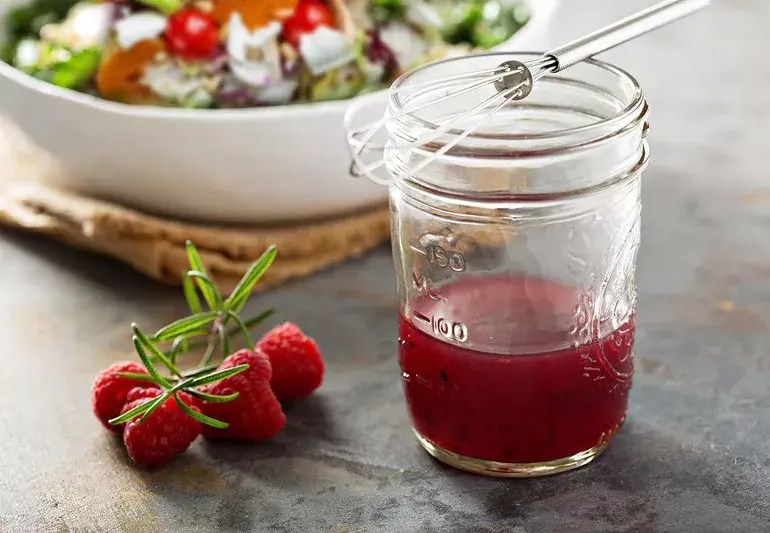
Recipe: Raspberry Chive Salad @ClevelandClinic. A salad combination you may not have thought of, but will now be hooked on

A salad combination you may not have thought of, but will now be hooked on

This salad is a perfect addition to a large dinner menu when you have guests over for dinner and have a lot of other dishes to prepare. It’s bright and flavorful, and you can make the dressing a day or two ahead to prep!

Ingredients

Dressing

1 1/2 cups frozen raspberries, thawed
2 to 4 tablespoons orange juice (depending on thickness desired)
1 tablespoon white wine vinegar
1 teaspoon sugar
1 tablespoon orange zest
4 tablespoons chopped fresh chives

Salad

1 pound romaine lettuce, washed, dried and torn into bite-sized pieces
1 pound radicchio, washed, dried, shredded
3 carrots, peeled and grated
1 cup mandarin oranges, drained, patted dry
20 cherry tomatoes, quartered

Directions

  1. Assemble salad ingredients in salad bowl and toss.
  2. Put all ingredients for the dressing in food processor or blender (except for 2 tablespoons chives), and process.
  3. After all is processed, stir in the remaining 2 tablespoons chives.
  4. Pour over salad just before serving and toss.

Nutrition information (per serving)

Calories: 107
Total fat: 0.5 g
Saturated fat: 0.1 g
Protein: 3 g
Carbohydrate: 25 g
Fiber: 5.4 g
Sodium: 37 mg

Recipe developed and copyrighted by Kristine Napier, MPH, RD, LD.

Alcohol is a Group-1 carcinogen—but one that happens to be woven into our daily lives @PsychToday

Square profile picture

Psychology Today

@PsychToday

·

Alcohol is a Group-1 carcinogen—but one that happens to be woven into our daily lives and often viewed as a go-to way to cope with stress or disappointment. Here are 5 ways to change that mindset, writes

@shailiJainMd

The Hidden Cost of an Evening Glass of Wine

Key points

  • Alcohol is a Group 1 carcinogen—putting it in the same category as asbestos, radiation, and tobacco.
  • Alcohol is woven into our daily lives and often viewed as a go-to way to cope with stress and disappointment.
  • Less than half of Americans are aware that drinking alcohol increases their risk of cancer.
  • There are healthier, more sustainable ways to manage stress.

“I need a stiff drink!” “Let’s drown our sorrows.” “I just need to unwind with a glass of wine.”

Phrases like these are so common, we barely think twice about them. Alcohol has become deeply woven into our daily lives and culture. It’s often seen as a go-to way to cope with stress, disappointment, or just the pressures of everyday life. Got bad news? Feeling overwhelmed? Need to relax? Society has taught us that it’s totally normal—even expected—to pour a big glass of wine, toss back a couple of tequila shots, or order a double whiskey.

In fact, using alcohol to handle stress is often not only accepted but actively encouraged by friends, coworkers, and the media. Movies and TV shows constantly show characters doing the same, reinforcing the idea that this is just how we deal with life.

But here’s the truth: alcohol is the one of the most widely used drugs in the world. And the way we’ve normalized it’s use as a coping mechanism deserves a closer look.

The Hidden Cost of Your Evening Glass of Wine

Alcohol is a toxic, psychoactive substance that can lead to dependence. It’s also been officially classified as a Group 1 carcinogen by the International Agency for Research on Cancer—putting it in the same category as asbestos, radiation, and tobacco. Research shows that alcohol contributes to at least seven different types of cancer, including some of the most common, like colon cancer and breast cancer. In fact, earlier this year, former U.S. Surgeon General Vivek H. Murthy issued a public health advisory warning about the clear link between alcohol use and cancer risk.

What’s concerning is that less than half of Americans are aware that drinking alcohol increases their risk of cancer. As a psychiatrist who often discusses alcohol use with patients, this lines up with what I see in practice. Many people simply don’t know that alcohol is a carcinogen. Even more common is the belief that low levels of alcohol—like a glass of wine a day—are actually good for your health, especially for the heart and brain. But that idea is being seriously questioned. In January 2023, the World Health Organization published a statement in The Lancet Public Health making it clear: When it comes to alcohol, there is no safe amount that doesn’t affect your health.

5 Things to Think About Before Reaching for a Drink to Cope With Stress

  1. Alcohol is a known carcinogen—and a cancer diagnosis can deeply affect your mental health. Depression and anxiety are incredibly common among people with cancer. Research shows that up to 1 in 5 cancer patients experience depression, and 1 in 10 struggle with anxiety—regardless of where they are in their treatment or disease process. In fact, according to international diagnostic guidelines, about 35–40% of cancer patients meet the criteria for a psychiatric disorder. These mental health challenges don’t just impact emotional well-being—they can significantly reduce the overall quality of life for persons living with cancer. The global rate of depression among cancer patients is currently estimated at 27%. This is a noticeable increase compared to earlier data, and this trend appears to be on the rise.
  2. That “relaxing” drink may be increasing your anxiety. While alcohol can feel calming in the moment, it’s a short-lived effect. Once the pleasurable effects of alcohol wear off, anxiety can rebound—often worse than before. Over time, this can make stress and mood disorders more difficult to manage.
  3. Regular drinking can sneak up on you—building tolerance, dependence, and emotional numbness. What starts as the occasional glass of wine to unwind can quickly become a nightly ritual. Your body builds tolerance, meaning you need more to feel the same effects. Emotionally, alcohol can dull not just stress but joy, connection, and motivation—leaving you feeling more flat than relaxed.
  4. Alcohol disrupts sleep, even if it helps you fall asleep. Many people use alcohol to wind down at night, but it actually interferes with sleep architecture. It may help you fall asleep faster, but it reduces the quality of your rest—leading to more fatigue, irritability, and difficulty coping with stress the next day.
  5. There are healthier, more sustainable ways to manage stress. Whether it’s exercise, deep breathing, journaling, therapy, or connecting with others, there are countless tools for managing stress that don’t carry the risks alcohol does. Exploring these options might not provide the instant hit that a drink does—but they build resilience, not reliance.

Facebook image: Just Life/Shutterstock

Therapeutic massage targets specific health concerns by working on muscles and soft tissue to reduce pain, improve mobility and support recovery. It’s often used alongside other treatments and tailored to your individual needs.

Therapeutic massage targets specific health concerns by working on muscles and soft tissue to reduce pain, improve mobility and support recovery. It’s often used alongside other treatments and tailored to your individual needs.