7 Reasons Why Cottage Cheese Is Good for You @ClevelandClinic

This dairy product can help you lose weight, manage blood sugar and strengthen bones

Cottage cheese doesn’t typically receive a lot of attention. It gets left out from the fancy cheese counter at the grocery store. It doesn’t make the cut for a charcuterie (meat and cheese) board. And it isn’t typically included in recipes for favorite foods such as pizza, grilled cheese or baked ziti.

It’s a soft, white, fresh cheese that’s different in texture and taste than more popular cheddar, Parmesan and blue cheeses. But cottage cheese holds a prominent place in the dairy aisle for good reasons, says registered dietitian Julia Zumpano, RD, LD.

“It’s a portable food that’s easy to add to your diet,” she says. “And cottage cheese offers lots of health benefits.”

As a dairy product, cottage cheese is a great calcium source, which is important for bone health. Having healthier bones makes you less likely to get osteoporosis (weak bones). Cottage cheese in your diet can even help with your blood sugar levels.

Thinking about giving cottage cheese a go? Zumpano explains what you need to know.

Is cottage cheese healthy?

Cottage cheese is low in calories while providing protein and vital nutrients, Zumpano says, making it one of the healthiest cheeses you can eat. It’s made by curdling pasteurized (sterilized) cow’s milk — when milk turns acidic, the milk protein separates and forms curds (clumps). These loose curds serve as the base for cottage cheese.

Depending on the fat content of curdled dairy milk, cottage cheese is available as nonfat, low fat (1% or 2%) or whole fat. The milk type affects the nutritional content.

“To get the most bang for your buck, choose a low-fat or even full-fat cottage cheese,” Zumpano advises. “Nonfat cottage cheese may sound like a good idea, but it contains less protein and won’t be as satisfying.” Full-fat cottage has 1.5 grams more of saturated fat when compared to 2% but can be the most satisfying.

Health benefits of cottage cheese

Cottage cheese may be mild in flavor, but it packs a punch when it comes to potential health benefits. Some of the many benefits of cottage cheese include:

Provides good nutrition

A 100-gram serving (just under a half cup) of low-fat (2%) cottage cheese provides:

Source: U.S. Department of Agriculture

Aids in weight loss

Three factors make cottage cheese a great choice if you’re looking to lose pounds or maintain your weight:

  • High in protein: Research finds that eating a high-protein diet helps curb your appetite and manage hormones associated with appetite, digestion and insulin release.
  • Low in fat: Full-fat cottage cheese contains less fat than some other cheeses (4% fat versus 30% fat in cheddar), and its high protein makes it an excellent low-fat option.
  • Provides calcium: Studies show that increasing calcium can help you lose weight when combined with a calorie-restricted diet.

Cottage cheese isn’t the only dairy food to provide these advantages. Greek yogurt can also check these boxes. But if you’re deciding between the two, Zumpano recommends cottage cheese. “Full-fat cottage cheese and full-fat Greek yogurt have the same amount of fat, but cottage cheese has 25% more protein.”

Provides essential amino acids

Cottage cheese is rich in casein (pronounced “KAY-seen”) protein. It’s a complete protein that provides essential amino acids, which are all the building blocks of protein that your body needs.

Amino acids help your body work smoothly. They affect your:

“Eating cottage cheese as part of a balanced diet is an easy way to ensure your body gets everything it needs,” says Zumpano.

Supports bone health

Cottage cheese has three nutrients that help promote healthy bones:

  • Calcium helps prevent osteoporosis that can lead to bone fractures.
  • Phosphorus is critical for proper bone development and strength, especially during growth spurts or when healing from a fracture.
  • Protein helps maintain bone mineral density and can reduce the risk of fractures.

Bone health is critical as you age,” Zumpano shares. “Adding cottage cheese to your diet is an easy way to strengthen them.”

Helps you control blood sugar levels

Plain cottage cheese is low in carbohydrates, making it a great option for anyone watching their blood sugar. The slow-digesting casein protein in cottage cheese also helps prevent blood sugar spikes.

“To get this benefit of cottage cheese, choose plain cottage cheese,” Zumpano recommends. “Avoid cottage cheese pre-packaged with fruit and check the label for added sugar.”

Contributes to a balanced gut

Probiotics are live microorganisms that can improve the balance of good and bad bacteria in your gut (gut microbiota). The curdling process used to produce cottage cheese adds beneficial bacteria that can promote better gut health. But unlike Greek and regular yogurt, which almost always contain probiotics, not all cottage cheese is created equal.

“If you want cottage cheese that provides probiotics,” Zumpano says, “check the label to see if it says it contains ‘live and active cultures.’”

Promotes muscle development

The slow-release protein in cottage cheese doesn’t just help with digestion. It’s also important for building muscle tissue and helping your muscles recover after a workout.

“Casein protein provides your cells with amino acids consistently over a longer period, which helps muscles recover instead of breaking down,” Zumpano explains. Consider having cottage cheese after a workout to get the maximum benefit for your muscles.

Reduces your risk of some cancers

Research shows that increasing dairy intake may lower your risk for some (though not all) cancers. “There’s still a lot to learn about the connection between dairy and cancer prevention,” Zumpano states. “But it’s clear there are protective benefits to including dairy in a balanced diet.”

Experts believe getting more calcium may offer protection from:

  • Bladder cancer.
  • Breast cancer.
  • Colorectal cancer.
  • Stomach (gastric) cancer.

Tips for adding cottage cheese to your diet

The United States Department of Agriculture (USDA) recommends that adults get three cups of dairy daily. Cottage cheese can help you reach that goal.

When you incorporate cottage cheese into your diet, remember to:

  • Check the nutrition label: Single-serve containers of cottage cheese may vary in size and nutritional content.
  • Consider your lactose tolerance: The lactose in cheese decreases with age. As a fresh, unripened cheese, cottage cheese often contains more lactose than aged cheeses. If you have lactose intolerance, consider a cottage cheese that’s lactose-free.
  • Keep an eye on sodium: Cottage cheese can be high in sodium, so opt for low-sodium or sodium-free cottage cheese to protect yourself from high blood pressure and heart disease.
  • Get creative: There are many ways to eat more cottage cheese. Consider adding cottage cheese to your eggs or pancake mix. Bake it into muffins or cakes. Or use it as a substitute for sour cream or ricotta cheese.
FACEBOOKTWITTERLINKEDINPINTERESTEmaildairy

Take a fresh look at oatmeal – it’s not as simple as you think @American_Heart


American Heart Association

@American_Heart
·


Oats and oatmeal have powers you probably didn’t know about — like nutrients to help lower cholesterol and enough fiber to help you feel fuller longer. They just might be quiet heroes of #BetterBreakfastMonth.

(Arx0nt/Moment via Getty Images)

By Michael Merschel, American Heart Association News

Let’s admit it: Oatmeal is a total nerd. It lacks fashion sense – the color they named after it is somewhere on the drab side of beige. It’s often seen with Sesame Street’s Bert, who also loves bottle caps, paper clips and pigeons.

But when it comes to healthy eating, oatmeal and the oats it comes from can definitely hang with the cool kids at the breakfast table.

“It has many, many good qualities,” said Candida Rebello, director of the nutrition and chronic disease research program at Louisiana State University’s Pennington Biomedical Research Center in Baton Rouge.

Extensive studies have associated oats and oatmeal with plenty of heart-healthy benefits, such as lowering cholesterol (both total and “bad” LDL cholesterol) and helping with weight control.

Oatmeal has a host of vitamins and minerals. Two examples: According to the U.S. Department of Agriculture, a one-cup serving of cooked oatmeal has about 1.8 milligrams of vitamin B1, or thiamin. That’s close to 15% of what an adult needs each day. It also has 1.36 mg of manganese, which is 59% of the daily recommendation for men and 76% for women. Manganese has roles in immunity, blood clotting and the way cholesterol and blood sugar are metabolized.

But that’s not what makes oats stand out, Rebello said. That same cup of cooked oatmeal has just 166 calories and nearly 4 grams of dietary fiber.

And the type of fiber is where oats start to distinguish themselves. It’s called beta-glucan. Put that in the conversation, and it’s like the scene in a movie where oatmeal takes off its glasses and everyone realizes just how beautiful it is.

Not literally. It’s a soluble fiber, which means it dissolves in hot water, where it thickens. “When you eat oatmeal, the kind of sliminess that you see – that comes from this viscosity that beta-glucan generates,” Rebello said.

That helps you feel full longer, she said. And it helps undigested food travel farther down your digestive tract, where it feeds the friendly bacteria living there.

Beta-glucan is abundant in oats and barley and has been shown “quite unequivocally” to help maintain healthy cholesterol levels, Rebello said.

Oats also are rich phytonutrients – plant-derived substances that may boost health. One class of such phytonutrients is avenanthramides, which are found only in oats. Avenanthramides may have antioxidant and anti-inflammatory effects, although Rebello said their possible benefits are not as well-researched as those for beta-glucans.

Oats have been linked to heart-health benefits since the 1960s and come in many forms. The differences involve levels of processing.

Oats grow in an inedible casing called a hull. Inside the hull is a seedlike groat. That groat is encased in bran. “In other whole grains, like in wheat, you can remove that bran layer,” Rebello said. “But in oats, this groat is very soft, so that bran layer cannot really be removed.”

That means oats are almost always a whole-grain food, and those are a key part of a healthy eating pattern.

If oats are labeled “steel cut,” it simply means they were processed with a steel cutter, Rebello said. Rolled oats are steamed first, then pressed with a roller. “If the roller crushes it into thinner flake, then you get quick-cooking oats,” she said. “If it is then rolled into an even thinner flake, you get your instant oats.”

Rebello said that nutritionally, there is little difference between steel cut and rolled oats. Instant oats, however, have a higher glycemic index, meaning they raise your blood sugar faster.

When oats are ground to flour, the coarser portion is extracted and called oat bran. The beta-glucans will be concentrated in the flour rather than the bran, she said.

Oat milk is derived from oats and water, but processing may add ingredients such as sugar, salt, oil and more. Oat milk has some dietary fiber, Rebello said – commonly 2 grams per cup – but the amount of beta-glucan is rather small.

Unfortunately, Rebello ruled out sugar-filled oatmeal cookies as a healthy food (although she’s not averse to having one as a treat now and then).

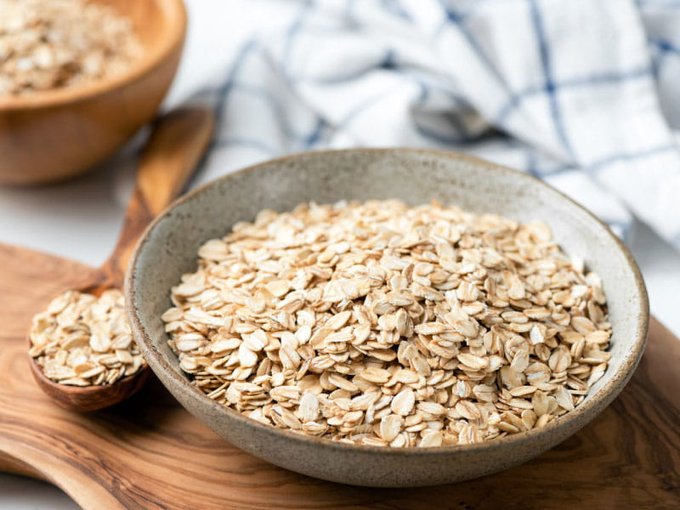
How, then, to embrace oats? “Just eat regular oatmeal,” she said. Half a cup of rolled oats cooks up quickly and will keep you full a long time.

Oatmeal with your favorite fruit can be a sweet way to start the day. Cook it in low-fat milk for creaminess and add unsalted nuts to bolster its heart-health value. If you’re time-pressed in the morning, try a healthy version of overnight oats, which can be prepared the night before.

It’s important to remember that no single food, even oats, can do it all, Rebello said, noting that if you eat a nutritious breakfast but then load up on sugar and fat the rest of the day, “that’s really not going to help you much.”

But you should go ahead and invite oatmeal into your breakfast club, Rebello said. “I definitely recommend eating oats.”

If you have questions or comments about this American Heart Association News story, please email editor@heart.org.

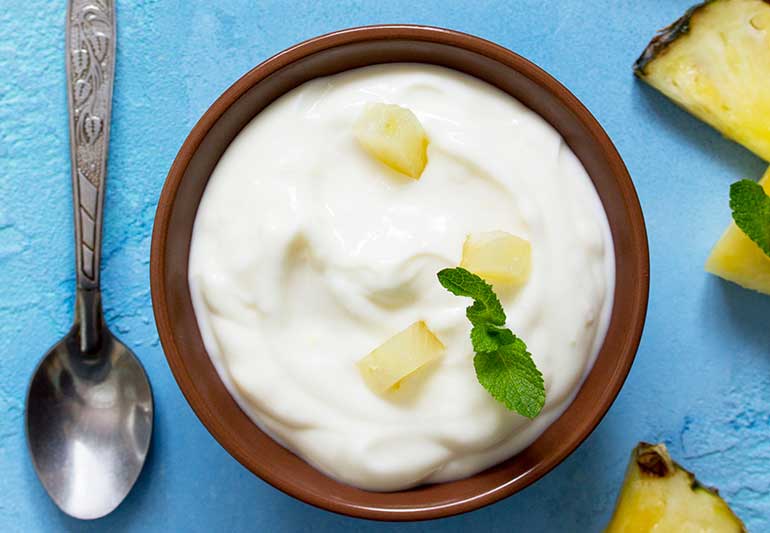
Tired of plain fruit? Add some tang with this yogurt dressing. This dish is not only colorful, bright and fun, but also high in potassium, an important nutrient! @ClevelandClinic

Recipe: Pineapple Yogurt Fruit Salad

Make fruit more fun for kids — and adults!

Ingredients

  • 1 tablespoon sugar free lemonade drink powder mix
  • 1 cup fat-free plain Greek yogurt
  • 15-ounce can of pineapple tidbits, in juice, drained
  • 1 medium granny smith or other green apple, cut into small chunks
  • 1 cup red grapes, each cut in half
  • 2 medium bananas, sliced into coin shapes
  • 1/4 teaspoon cinnamon

Directions

  1. Combine lemonade powder mix and yogurt in medium bowl.
  2. Add all fruit and stir until well-combined.
  3. Sprinkle cinnamon on top.
  4. Refrigerate. Serve chilled.

Nutrition information (per serving)

Makes 6 servings

Calories: 140
Fat: 0 g
Saturated fat: 0 g
Sodium: 15 mg
Protein: 4 g
Carbohydrates: 32 g
Sugars: 24 g
Dietary fiber: 3 g

Take care of yourself — Reduce stress, rest when possible, hydrate and eat a balanced diet with an extra 500 calories a day @ClevelandClinic

May 28, 2024/Pregnancy & Childbirth

How Long To Breastfeed: What the Guidelines Say and What To Consider

Recommendations encourage breast milk exclusively for baby’s first six months and continuing to provide human milk until age 2 and beyond

How and what you feed your baby is probably one of the most basic — and yet deeply personal — decisions you’ll face when you become a parent.

You’ll hear things like “breast is best.” As in, breastfeeding (chestfeeding) is the absolute best way to nourish your baby.

And then you’ll hear the retort, “fed is best.” Meaning breast milk (human milk) and formula are both fine. As long as your baby is getting nutrients in their belly, all is well.

Then come the opinions on how long you should breastfeed. (You’re still breastfeeding? You gave up on nursing already? You fed your baby formula?)

It can feel like there’s no right way to do it. And there’s some truth to that.

Because what works for one family may not be feasible for another. But that’s OK.

Breast milk can provide certain benefits that formula can’t mimic. But breastfeeding, especially for long periods of time, might not work for everyone. Or you may have been given the impression that you’ve continued providing human milk long after others think you “should.”

No one should feel guilt, shame or otherwise crummy about how they feed their baby. Let’s face it, mom guilt is tough enough as it is.

So, we talked with board-certified breastfeeding medicine physician Heidi Szugye, DO, about breastfeeding recommendations.

How long to breastfeed

Science shows that if you can give your baby human milk (either your own or a donor’s), it has its benefits. And the longer, the better, experts recommend.

The American Academy of Pediatrics (AAP) and the World Health Organization (WHO) share these recommendations for breastfeeding duration:

  • Newborn to 6 months: Exclusive human milk.
  • 6 months to 12 months: Mostly human milk while introducing solid foods.
  • 12 months to 24 months (and beyond): Mostly solid foods with some human milk, as mutually desired by parent and child.

Previous recommendations called for providing breast milk until age 1. But these newer guidelines (implemented in 2022) are based on the understanding that human milk has benefits that continue long after baby’s first birthday. And they help to remove stigmas associated with people who choose to extend breastfeeding into toddlerhood.

“These recommendations are a call to action for everyone, and that includes hospitals, pediatricians and all physicians that are taking care of families,” Dr. Szugye states. “We want to make sure our practices and policies are set up to support people who choose to breastfeed beyond the first year of their child’s life.”

Think of the guidelines as the best-case scenario. If it works for you, your family, your child, your body and your life to breastfeed for two years or longer, you’re doing a great thing. And there’s no reason to stop until you and your child are ready.

If it doesn’t work for you, that’s OK, too. Your worth as a parent and your love for your child can’t be measured in ounces of milk.

Benefits of extended breastfeeding

The recommendations are based on research showing that human milk has some big benefits. And those perks continue for as long as you continue to supply it.

“Breastfeeding offers tremendous benefits — from custom-made nutrition and increased immunity to protecting you against some forms of cancer. And those benefits don’t go away as your baby ages,” Dr. Szugye shares. “We have more and more data supporting that there are benefits to breastfeeding for more than one year when possible.”

Breastfeeding can offer both you and your baby some big benefits:

Benefits for lactating parentsBenefits for baby
Lower risk of developing conditions like Type 2 diabetes, high blood pressure, cardiovascular disease, breast cancer and ovarian cancer.Decreased risk for ear infections, respiratory infections, gastrointestinal illnesses, SIDS, leukemia, diabetes, obesity, asthma and eczema.

“There are a lot of immunologic factors and components to human milk,” Dr. Szugye says. “One big advantage to human milk is that you pass antibodies to the baby. So, if you’re exposed to a respiratory illness or GI illness, those antibodies are passed on to the baby and then that makes them less likely to get sick. And if they do get sick, it’s less severe. It’s almost like a built-in immunity.”

Keeping up milk supply for the long haul

Some people can make enough milk to breastfeed for as long as they and their babies choose. But some don’t. At least not without taking some steps to keep it up.

If you suspect your supply is dwindling as your child gets older, there are ways to help promote more milk production if you want.

“Many people notice their supply drop and mistakenly assume it won’t return,” Dr. Szugye notes. “But if you want to continue to breastfeed, there are options that could help.”

If a supply boost is in order, you can try:

  • Nursing more often — Add sessions as long as your child will nurse. If you’re away from them during the day, try early evenings, mornings or weekends.
  • Pumping strategies — An extra session or several short “power pumping” sessions (think five to 10 minutes throughout the day) for several days in a row can trigger your body to make more milk.
  • Breast massage and compression — Easy-to-learn techniques can improve drainage when nursing or pumping.
  • Take care of yourself — Reduce stress, rest when possible, hydrate and eat a balanced diet with an extra 500 calories a day to support breastfeeding.

Not an ‘all-or-nothing’

If two or more years of breastfeeding seems daunting, remember that you have options.

For starters, giving your child human milk doesn’t always mean latching them to your breast and nursing. That’s just one way to do it. Pumping milk and putting it in a bottle, cup or spoon are also options.

And you may find that a donor bank could be a route to explore if you don’t lactate or if you have concerns about a low milk supply. Donor milk is pasteurized, screened for drugs, medications and infections, and tested for bacterial contamination before it’s stored and made available for purchase.

“Reach out to your pediatrician or women’s healthcare provider if you’re interested in obtaining donor milk. You may need a prescription from a healthcare provider,” Dr. Szugye suggests.

Remember, too, that any amount of human milk can be a benefit. If keeping up with your baby’s breastfeeding demands becomes too high a burden, there are alternatives.

Some parents may find that supplementing with formula (or other foods and milk after baby turns 1) can help give your child some human milk, while keeping up with their nutritional needs — and not burning yourself out in the process.

“It’s not an all-or-nothing thing,” Dr. Szugye reassures. “Any amount of human milk you can give is a benefit. If it doesn’t work for you to constantly supply human milk, that’s OK. We’re all just doing our best.”

If breastfeeding is going well for both you and your child, there’s no reason to give it up until you’re both ready to.

Feeding a baby is tough work, no matter how you do it. And chances are, you’re doing a fantastic job.

How Alcohol Affects Your Heart @ClevelandClinic #heartaware

You likely know that drinking alcohol too often or to excess isn’t a good idea, health-wise. But when it comes to alcohol and heart health, you may have heard different sides. Is drinking all that bad for your heart? Can a glass of wine help reduce your risk of heart disease — or make it worse? 

First things first: If you drink alcohol, you should do so in moderation to avoid alcohol-related heart issues. And you should never intentionally use alcohol to try to reduce your risk of heart disease. 

To further explore the relationship between your ticker and your favorite glass of merlot or IPA, we chatted with cardiologist Leslie Cho, MD.

Ways alcohol can impact heart health

Here are some of the effects of alcohol on your heart:

Increased heart rate

One of the most important things your heart does is keep a rhythm. On average, a regular heart rate is about 60 to 100 beats per minute when your body is at rest. But alcohol can lead to your heart rate temporarily jumping up in speed, and if it goes over 100 beats per minute, it can cause a condition called tachycardia. Too many episodes of tachycardia could lead to more serious issues like heart failure or going into irregular rhythms, which can cause heart attack and stroke.

Raises blood pressure

That fourth drink at the bar may feel like it’s relaxing you, but it’s actually affecting your body differently than you might think. Alcohol can affect your blood pressure, causing it to go up temporarily. This is especially true when you engage in binge drinking (that’s defined as four or more drinks within two hours for women and people assigned female at birth, and five or more drinks within two hours for men and people assigned male at birth).

And sure, we’ve all had a night here or there where we’ve had one too many and we know it. But it’s important to make sure those nights of overindulgence are the exception and not the rule. If you’re not sure, make a note to tune into how much you’re having over the course of the next month or so. If it’s more than recommended, try to consciously pace your drinking to help reduce the spike in your blood pressure that excessive alcohol causes. 

And if you have a history of high blood pressure, it’s best to avoid alcohol completely or drink only occasionally, and in moderation. 

Irregular heartbeat

Whether it’s a glass of red wine with your turkey or toasting champagne for the new year, alcohol definitely becomes more present during the holiday season. And while enjoying celebratory spirits in moderation is alright for most people, it’s important to be aware you can fall victim to holiday heart syndrome if you overdo it. This is when overeating and overindulging in alcohol lead to an irregular heartbeat.

Holiday heart syndrome can happen if you don’t typically drink alcohol, but then have a few at a holiday party or if you binge drink. This can cause you to develop an irregular heartbeat, called atrial fibrillation, which can increase your risk of strokeheart attack and heart failure.

Prolonged drinking can cause alcoholic cardiomyopathy

The short-term effects of alcohol (headache, nausea, you know the rest) are easy to pinpoint. But there are ways that alcohol affects your body over time that are important to understand. One of the long-term effects of alcohol on your heart is alcoholic cardiomyopathy. This is when your heart-pumping function gets weaker and your heart gets larger due to changes from heavy alcohol use over a long period of time.

OK, don’t panic. If you’re an occasional drinker, there’s no cause for worry. But it may be worthwhile learning about what counts as binge drinking and whether or not you may be drinking too much and don’t even know it.

Is some level of alcohol safe or beneficial?

It’s true, red wine is a better choice than hard liquor. But can a trip to the wine bar boost your heart health?

You should never consider wine or any other alcohol as a way to lower your heart disease risk. And, in fact, the study also showed that drinking one or fewer drinks per day was related to the lowest likelihood of dying from a stroke. However, Dr. Cho points out that more recent data shows that there may be no amount of alcohol that is truly safe. “The myth that wine is beneficial for heart health is no longer true,” she states.

“It’s not a good idea to start drinking alcohol in an effort to lower your risk of heart disease,” Dr. Cho continues. “It’s better not to drink any alcohol at all.” 

The American Heart Association recommends the same. 

Other factors to keep in mind

It’s also important to know that the ways in which alcohol affects your heart will vary from person to person, depending on your age and other conditions you may have.

Age

Let’s face it, a hangover in your mid-40s doesn’t feel the same as one in your early 20s. This is because your age plays a factor in how well you tolerate alcohol. While some people develop a tolerance to alcohol over time, this isn’t true for everyone — and this ability doesn’t last forever, Dr. Cho notes.

“As we get older, our ability to clear alcohol definitely decreases and our sensitivity to alcohol probably increases,” she explains. “Also as we get older, we end up having more diseases, so we could be on medicines that can interfere with the way our bodies metabolize alcohol.”

Other medical conditions

In many ways, your medical history (and present) can tell you a lot about your future with alcohol. That means, if you’re living with other medical conditions and/or taking certain medications, this will all have an impact on how alcohol affects you.

“Certain health conditions can make drinking alcohol more dangerous,” Dr. Cho says.

For example, some people who are on cholesterol-lowering medicines may experience muscle aches when they drink alcohol. Because alcohol and cholesterol medicine both are processed through your liver, they are, in a sense, competing for clearance. So, it’s important to think about your overall health and talk to a healthcare provider about your personal risk factors.

“Alcohol is made out of sugar,” Dr. Cho points out. “So, if you’re predisposed to diabetes or if high triglycerides are one of your issues, it’s not a good idea to drink alcohol.”

Dr. Cho also warns that if you have liver dysfunction or take other medicines that are processed through the liver, your risks might be different. Talk to your healthcare provider about how alcohol might interact with your prescription medicines.

The last thing you want is for that casual drink after work or glass of wine at dinner to negatively impact your heart health. There’s a way to have a healthy, balanced relationship with alcohol that lets you enjoy a drink occasionally and celebrate with friends and family. But your heart is an important organ that should also be cared for, so be sure to drink in moderation, learn about binge drinking and know what your body can (and can’t) tolerate before opening that tab.FACEBOOKTWITTERLINKEDINPINTERESTEmailalcoholalcohol and healthalcoholic beveragesbinge drinkingheart health

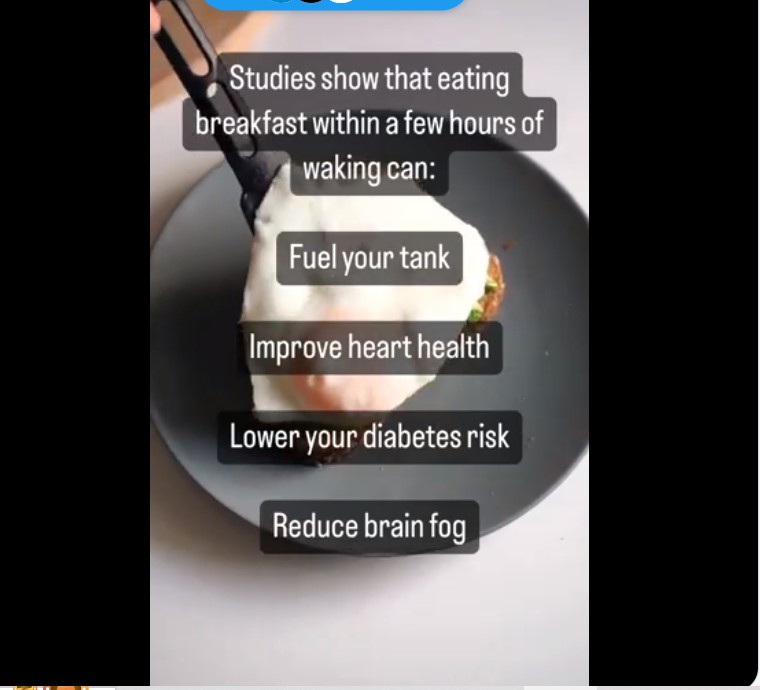
Eating a variety of nutritious foods can help you feel fuller longer and carry you through to lunch. @ClevelandClinic #Breakfast

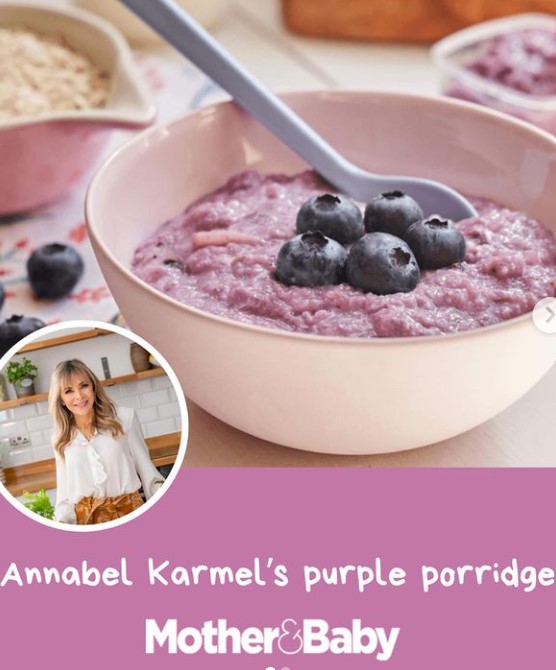
Packed with nutritious oats for iron and zinc to strengthen the immune system @annabelkarmel @motherandbaby

motherandbaby

Follow

Liked by annabelkarmel and others

  • motherandbaby
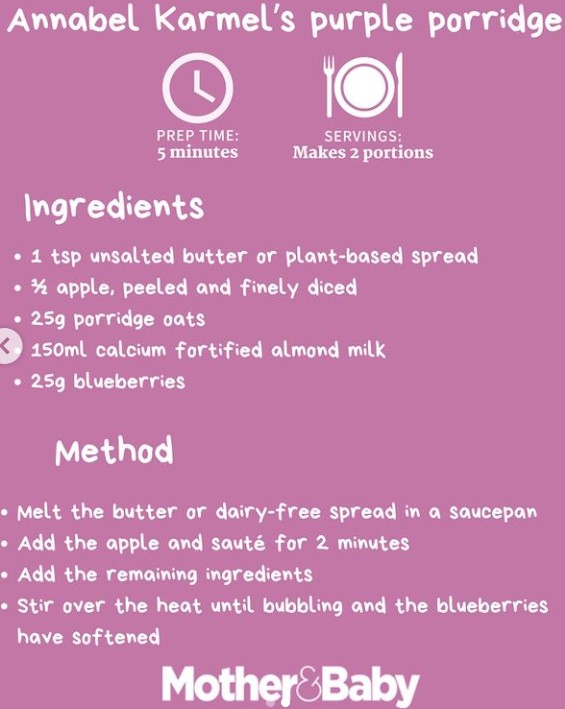
  • If you’re up for a breakfast change for your little one, try this no-fail Purple Porridge by cookbook author and child food expert @annabelkarmel. It’s an easy four step recipe. 👩‍🍳

    Packed with nutritious oats for iron and zinc to strengthen the immune system, and sweet blueberries rich in vitamin C and antioxidants to support brain development. It’s a tasty and wholesome start to their day! 💜👶🏻🫐 #motherandbaby

An estimated 55 000 women are pregnant in #Gaza, with one third facing high-risk pregnancies. Around 130 babies are born each day, 27% by caesarean @WHO in Palestinean Territory

World Health Organization (WHO) reposted

Square profile picture

WHO in occupied Palestinian territory

@WHOoPt

An estimated 55 000 women are pregnant in #Gaza, with one third facing high-risk pregnancies. Around 130 babies are born each day, 27% by caesarean. Due to the aid blockade,

@WHO

’s supplies for maternal and child health are critically low. Portable incubators, ventilators for neonatal intensive care, ultrasound machines, and oxygen pumps, along with 180 000 doses of routine childhood vaccines have not been permitted to enter, leaving ill newborns and young children without the life-saving care they urgently need. Lift the aid blockade. Protect health care. Ceasefire. Statement➡️http://bit.ly/3XMLJul #WorldHealthDay

Lorraine Cooney, Specialist Gastroenterology Dietitian and Head of Dietetics Department at Blackrock Health, Blackrock Clinic #WorldIBDDay #GutHealth

This World IBD Day, we’re recognising the strength of those living with Inflammatory Bowel Disease (IBD). Conditions like Crohn’s Disease and Ulcerative Colitis can be unpredictable, often bringing physical discomfort and emotional strain.

As Lorraine Cooney, Specialist Gastroenterology Dietitian and Head of Dietetics Department at Blackrock Health, Blackrock Clinic, says,

“IBD affects more than just your gut—it can impact every part of life. And diet in IBS matters! There’s no one-size-fits-all, so support should be personal. The right approach depends on your type of IBD, how active it is, any IBS-type symptoms, your nutrition status, culture and even your relationship with food. On World IBD Day, let’s raise awareness and remind people with IBD that they’re not alone.”

At Blackrock Health, our gastroenterology teams understand the impact of IBD. Across our three hospitals, we offer expert care, timely diagnostics, and ongoing support to help patients manage symptoms and take back control of their health.

If you’re living with IBD or experiencing persistent digestive issues, we’re here to help.

Learn more here: https://ow.ly/sfTE50VPVtZ

#WorldIBDDay#CrohnsAndColitis#BlackrockHealth#GutHealthCare#BetterTogether