Alcohol is a toxic, addictive drug that can be very damaging to health. Alcohol products, mainly beer, spirits and wine can be marketed without reference to alcohol in the advertising. Alcohol is consumed without restraint or regard for its health consequences.
It seems that "exercise snacks" can be a good way to improve your health. Research shows that short bursts of activity done during the normal course of your day can help you build fitness – with no sweating required. Listen in as exercise physiologist Katie Lawton explains. pic.twitter.com/4dpEiWbCTM
Alcohol is a Group-1 carcinogen—but one that happens to be woven into our daily lives and often viewed as a go-to way to cope with stress or disappointment. Here are 5 ways to change that mindset, writes
Alcohol is a Group 1 carcinogen—putting it in the same category as asbestos, radiation, and tobacco.
Alcohol is woven into our daily lives and often viewed as a go-to way to cope with stress and disappointment.
Less than half of Americans are aware that drinking alcohol increases their risk of cancer.
There are healthier, more sustainable ways to manage stress.
“I need a stiff drink!” “Let’s drown our sorrows.” “I just need to unwind with a glass of wine.”
Phrases like these are so common, we barely think twice about them. Alcohol has become deeply woven into our daily lives and culture. It’s often seen as a go-to way to cope with stress, disappointment, or just the pressures of everyday life. Got bad news? Feeling overwhelmed? Need to relax? Society has taught us that it’s totally normal—even expected—to pour a big glass of wine, toss back a couple of tequila shots, or order a double whiskey.
In fact, using alcohol to handle stress is often not only accepted but actively encouraged by friends, coworkers, and the media. Movies and TV shows constantly show characters doing the same, reinforcing the idea that this is just how we deal with life.
But here’s the truth: alcohol is the one of the most widely used drugs in the world. And the way we’ve normalized it’s use as a coping mechanism deserves a closer look.
The Hidden Cost of Your Evening Glass of Wine
Alcohol is a toxic, psychoactive substance that can lead to dependence. It’s also been officially classified as a Group 1 carcinogen by the International Agency for Research on Cancer—putting it in the same category as asbestos, radiation, and tobacco. Research shows that alcohol contributes to at least seven different types of cancer, including some of the most common, like colon cancer and breast cancer. In fact, earlier this year, former U.S. Surgeon General Vivek H. Murthy issued a public health advisory warning about the clear link between alcohol use and cancer risk.
What’s concerning is that less than half of Americans are aware that drinking alcohol increases their risk of cancer. As a psychiatrist who often discusses alcohol use with patients, this lines up with what I see in practice. Many people simply don’t know that alcohol is a carcinogen. Even more common is the belief that low levels of alcohol—like a glass of wine a day—are actually good for your health, especially for the heart and brain. But that idea is being seriously questioned. In January 2023, the World Health Organization published a statement in The Lancet Public Health making it clear: When it comes to alcohol, there is no safe amount that doesn’t affect your health.
5 Things to Think About Before Reaching for a Drink to Cope With Stress
Alcohol is a known carcinogen—and a cancer diagnosis can deeply affect your mental health. Depression and anxiety are incredibly common among people with cancer. Research shows that up to 1 in 5 cancer patients experience depression, and 1 in 10 struggle with anxiety—regardless of where they are in their treatment or disease process. In fact, according to international diagnostic guidelines, about 35–40% of cancer patients meet the criteria for a psychiatric disorder. These mental health challenges don’t just impact emotional well-being—they can significantly reduce the overall quality of life for persons living with cancer. The global rate of depression among cancer patients is currently estimated at 27%. This is a noticeable increase compared to earlier data, and this trend appears to be on the rise.
That “relaxing” drink may be increasing your anxiety. While alcohol can feel calming in the moment, it’s a short-lived effect. Once the pleasurable effects of alcohol wear off, anxiety can rebound—often worse than before. Over time, this can make stress and mood disorders more difficult to manage.
Regular drinking can sneak up on you—building tolerance, dependence, and emotional numbness. What starts as the occasional glass of wine to unwind can quickly become a nightly ritual. Your body builds tolerance, meaning you need more to feel the same effects. Emotionally, alcohol can dull not just stress but joy, connection, and motivation—leaving you feeling more flat than relaxed.
Alcohol disrupts sleep, even if it helps you fall asleep. Many people use alcohol to wind down at night, but it actually interferes with sleep architecture. It may help you fall asleep faster, but it reduces the quality of your rest—leading to more fatigue, irritability, and difficulty coping with stress the next day.
There are healthier, more sustainable ways to manage stress. Whether it’s exercise, deep breathing, journaling, therapy, or connecting with others, there are countless tools for managing stress that don’t carry the risks alcohol does. Exploring these options might not provide the instant hit that a drink does—but they build resilience, not reliance.
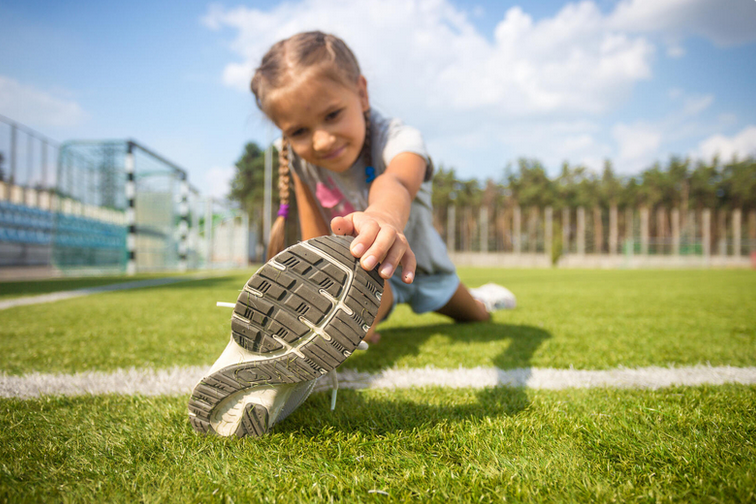
Are your kids interested in sports or just want to feel stronger? Strength training can be safe and beneficial for children when it is done the right way. Light weights, proper form and age appropriate guidance matter. Curious about when kids can start and how to keep it safe?
Strength training: OK for kids?
Strength training offers kids many benefits, but there are important warnings to keep in mind. Here’s what you need to know about youth strength training.By Mayo Clinic Staff
Strength training for kids? Great idea! Done right, it offers many benefits to young athletes. Strength training is good even for kids who just want to look and feel better. In fact, strength training might put your child on a lifetime path to better health and fitness.
Strength training, not weightlifting
Don’t confuse strength training with weightlifting, bodybuilding or powerlifting. Trying to build big muscles can put too much strain on young muscles, tendons and areas of cartilage that haven’t yet turned to bone, called growth plates. Also, being more focused on lifting large amounts of weight than on form can make strength training riskier.
For kids, light weights and controlled movements are best. Using good form and being safe are most important.
Children can do many strength training exercises using their own body weight or resistance tubing. Free weights, machine weights and medicine balls are other options. But keep in mind that some equipment designed for adults might be too large for many children.
What can kids get out of strength training?
Done right, strength training can:
Increase children’s muscle strength.
Help protect children’s muscles and joints from sports injuries.
Help children do better in nearly any sport.
Teach children proper form.
Keep in mind that strength training isn’t only for athletes. Even for children who don’t want to play sports, strength training can:
Strengthen bones.
Help promote healthy blood pressure and cholesterol levels.
Help maintain a healthy weight.
Help kids feel good about themselves.
Increase physical activity overall.
When can a child begin strength training?
During childhood, being active improves kids’ body awareness and control and their balance. Strength training can become a part of a fitness plan as early as age 7 or 8.
Younger children who start sports activities such as baseball or soccer also might benefit from strength training. To strength train, children should be able to follow directions and practice proper form.
The Department of Health and Human Services says that school-age children should get 60 minutes or more of daily activity. As part of this activity, muscle- and bone-strengthening exercises are suggested at least three days a week.
For children who have an interest in strength training, remind them that strength training is meant to increase muscle strength and endurance. Increasing muscle size, also called bulking up, is something else.
You might also check with your child’s healthcare professional for the OK to begin a strength training program. Be sure to check with your child’s healthcare professional if your child has a known or suspected health problem, such as a heart condition, high blood pressure or seizures.
What’s the best way to start a strength training program for kids?
A child’s strength training program isn’t just a scaled-down version of an adult program. Here are some things you can do to help your child train safely:
Talk with a professional. Start with a coach or personal trainer who has worked with youth to strength train. The coach or trainer can create a safe strength training program that works based on your child’s age, size, skills and sports interests. Or enroll your child in a strength training class for kids.
Keep watch. Don’t let your child strength train alone. It’s important to have an adult who knows how to strength train oversee your child’s program.
Keep it fun. Help your child vary the routine to prevent boredom.
Urge your child to:
Warm up and cool down. Your child should begin each strength training session with 5 to 10 minutes of light aerobic activity. This could be walking, jogging in place or jumping rope. This warms the muscles and prepares them for harder activity. Each strength training session should be followed with 10 to 15 minutes of light aerobic activity and gentle stretching. This helps keep blood flowing to the muscles during recovery.
Keep it light. Kids can safely lift light adult-size weights. Children can try to do one or two sets of 8 to 12 repetitions with good form. If they can’t do 10 repetitions, the weight might be too heavy.
Focus on good form. Form and technique are more important than the amount of weight your child lifts. Children can increase the resistance or number of repetitions little by little as they build strength.
Rest between workouts. Make sure your child rests at least one full day between exercising each major muscle group. Major muscle groups are the legs, hips, back, abdomen, chest, shoulders and arms.
Results won’t come overnight. But in time, your child will have more muscle strength and be able to work the muscles harder
Don’t forget to use #WorldPTDay and tag WorldPhysio1951 when sharing your activities.
Need anything to help mark the day? Access our free World PT Day resources and materials, available in more than 50 languages: https://ow.ly/Tyca50ZJvPy7h
We all want to protect our kids whether it be from falls, bumps and bruises — or avoidable infections and diseases. To help your child avoid illness, it’s important to encourage good habits and take steps to boost their immune system from an early age.
“Most of what makes a child’s immune system strong is common sense,” says pediatrician Adriane Lioudis, MD. If you keep these five tips in mind, you’ll stack the deck in your child’s favor for a healthier life.
1. For newborns, consider breastfeeding
While it’s a very personal decision (that isn’t always possible), if you are able to exclusively breastfeed your child for at least six months, it may have benefits. Some research shows that breastfeeding your child might possibly reduce allergies, Dr. Lioudis says.
2. Promote regular hand washing
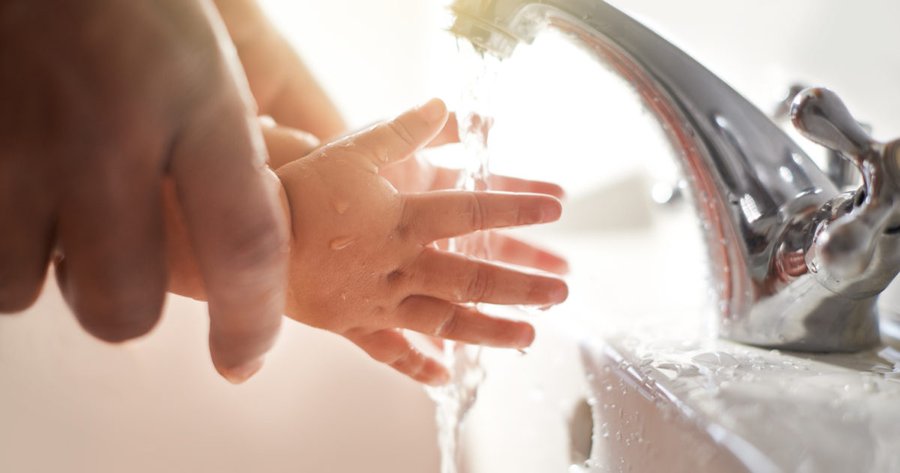
Eighty percent of infections are spread by touch. Teach your little one to take the time to wash their hands after sneezing, coughing and going to the bathroom. Washing hands with warm water and soap for at least 20 seconds can remove bacteria and viruses and can reduce the chance of lung infections by up to 45%.
“Get the flu shot for your child yearly, as well,” Dr. Lioudis says. This is particularly important for children with asthma and other chronic health conditions.
Also, if your family will be traveling internationally, it’s important to seek advice from your child’s healthcare provider about any needed vaccinations.
4. Make sleep a priority
To maximize immunity, children must get enough sleep.
Babies between 0 and 3 months need 14 to 17 hours of sleep. Those between 4 and 12 months need 12 to 16 hours of sleep.
Children between the ages of 1 and 2 need between 11 and 14 hours.
Kids between the ages of 3 and 5 should get from10 to 13 hours.
Children ages 6 to 12 should get between 9 and 12 hours.
Teens between the ages of 13 to 18 need 8 to 10 hours.
Not getting enough sleep limits the body’s ability to produce proteins called cytokines that help fight infection and reduce inflammation.
5. Encourage a healthy diet
A healthy diet is also important for your child’s immune system.
Dr. Lioudis recommends encouraging your child to “eat the rainbow” when it comes to fruits and vegetables. A good selection of whole grains should be part of their diet as well. Keep processed foods to a minimum. Proper food choices can help ensure that your child gets enough vitamins — such as vitamin A and E. These vitamins are needed to maintain good health and a strong immune system.
You can’t avoid all illness, but some kids need extra protection
“Even if you follow these tips, your child might still get between seven and 11 colds each year,” says Dr. Lioudis. She adds that you can expect each one to last up to two weeks.
Also, keep in mind that some things billed as common “remedies” aren’t effective in boosting immunity. For example, there’s no definitive proof that large amounts of vitamin C or echinacea help prevent colds or shorten them, she says.
However, if your child has a compromised immune system, work closely with your pediatrician to find ways to improve his or her immunity. Each child needs a personalized approach because their individual immune system varies, Dr. Lioudis says.
“There’s generally a different protocol with immunocompromised children. There are some vaccines we have to add in on top of what most children have, but it’s something that we must determine on a case-by-case basis.