Alcohol is a toxic, addictive drug that can be very damaging to health. Alcohol products, mainly beer, spirits and wine can be marketed without reference to alcohol in the advertising. Alcohol is consumed without restraint or regard for its health consequences.
Chronic Back Pain? You May Find Relief With Behavioral Medicine
Understanding the brain’s relationship to pain
No pain, no gain? Not true for people suffering from chronic back pain. Instead, it’s the opposite: Back pain is one of the main causes of missed work (and missed paychecks).
But could the key to coping with chronic back pain be in your mind? “We actually know that pain is not just a sensory, or physical, experience,” says psychologist Sara Davin, PsyD, MPH. “It is also an emotional experience.”
Dr. Davin explains how you can harness your pain management super-powers by understanding the very real connection between pain and your thoughts.
The 411 on the mind-back pain connection
To understand how it all works, think of pain’s purpose. Pain is your brain’s way of alerting you that something is wrong, whether it’s a stubbed toe or a slipped disk.
How your brain processes an injury, then shares that information, has a direct connection to the level of pain you feel. You’re aware of pain because your brain tells you it’s there. (Psst — your brain also controls your thoughts and emotions.)
“Pain is processed in the brain and the central nervous system. Both have areas connected to the sensory experience, but both also have areas connected to the emotional experience,” Dr. Davin explains. “The sensory and emotional go together to create the output of one’s experience of pain. So to comprehensively treat chronic back pain, we have to look at both sides.”
And while traditional treatments like medications and physical therapy can take the edge off, they often ignore the elephant in the room: your thoughts.
“Managing back pain with behavioral medicine strategies might even prevent the pain from becoming chronic,” Dr. Davin states.
What is cognitive behavioral therapy for pain?
CBT for pain is talk therapy’s more specialized cousin. It’s a behavioral medicine strategy that teaches people how to:
Make the connection between how they think about their pain and the way they interpret it.
Understand how pain impacts their emotions.
Choose coping skills to help with how they function and behave.
Still not sold? Dr. Davin gives this example: Someone who feels that their pain is unbearable may cope by lying in bed and isolating themselves from activities they value. “This cycle can go on and on,” she explains. “The person becomes more helpless and then, from a physical standpoint, becomes weaker. Naturally, they now have even more pain.”
With CBT, that helpless feeling (and associated pain) is kicked to the curb because pain psychologists teach people how to:
Pace activities so they don’t overdo it.
Practice relaxation and meditation to decrease pain and stress.
Soothe their central nervous system, which increases the feeling of pain when under stress.
The proof is in the pudding. Dr. Davin runs an interdisciplinary program that uses physical therapy and CBT to treat chronic back pain. Patients participate in this program for 4 to 10 weeks, depending upon their progress.
“Folks in the program were better when compared to physical therapy alone,” she reports. “We have consistently seen significant improvements across all quality of life measures, including how much pain interferes with someone’s life, levels of fatigue, anxiety and depression, plus improvements in pain-related disability.”
Interestingly, one of the metrics that improves the most in the program is how satisfied participants are in their social roles. “In our program we teach people how to start having fun again and connected with others,” Dr. Davin notes. “I suspect this is why we see people wanting to be more socially active after the program.”
3 ways to put this new knowledge into action
Here’s how you can incorporate behavioral medicine strategies into your back pain management:
Find a good pain management doctor. “You want a doctor who helps you rehabilitate and regain quality of life, but who also thinks about pain beyond its physical components,” Dr. Davin says. “Patients often struggle with the behavioral piece and think it means that their pain isn’t real. But your pain is real — you just need someone to help you manage it better using behavioral medicine skills and strategies. Pain psychologists are trained to do this.”
Get your research on. Dr. Davin suggests powering up your e-reader and searching for books that outline the basic strategies for cognitive behavioral therapy for pain. Your doctor may also recommend an online course or resources that offer science-based education about how to overcome chronic pain.
Don’t neglect physical therapy. Dr. Davin emphasizes that physical therapy is essential to maximizing back pain relief. “A physical therapist who’s trained in pain and neuroscience education can explain why behavioral medicine treatments work, plus help you use them,” she says.
This recipe switches up chicken marsala by swapping in salmon. It’s a great way to get delicious and healthy fish on the menu. You should be able to find Marsala wine in the cooking wines or condiments section of your local grocery store.
Ingredients
1 tablespoon olive oil
1 onion, cut into wedges
1 teaspoon minced garlic
10 fresh mushrooms, sliced (or one 7-ounce can of sliced mushrooms, drained)
4 (4 ounces each) skinless salmon filets
1/3 cup Marsala wine
2/3 cup chicken broth (1/3 less sodium)
1/4 teaspoon salt (optional)
4 teaspoons cornstarch
4 grinds of fresh ground pepper
Directions
Prep the onions and mushrooms.
Heat oil in nonstick skillet over medium-high heat; add onion, garlic and mushrooms to the skillet and begin sautéing.
Add the salmon filets to the skillet, cooking for 10 minutes per inch of thickness (turn them over midway in the cooking time).
Mix together the wine, broth, cornstarch and fresh ground pepper; when the fish is nearly done (you can tell by twisting the center of the thickest part — if it flakes easily, it’s done), add the wine/broth mixture to the salmon.
Stir gently, as the liquid turns into a thick gravy within one minute. Serve over whole-grain pasta or brown rice, with steamed asparagus or vegetable of your choice.
Ingredient health benefits
Olive oil: Olive oil is one of those ingredients that’s actually worth the hoopla. It has fat-soluble vitamins like vitamins D and K, which support your bones and blood cells. It’s also home to unsaturated fats that help decrease your LDL (“bad”) cholesterol and increase your HDL (“good”) cholesterol, helping your heart stay happy. And if you need another reason to use olive oil beyond this recipe, it has polyphenols and other antioxidants to fight inflammation and free radicals, keeping your cells in peak condition and helping to prevent diseases down the road.
Onions: They may not be the most “a-peel-ing” ingredient in the produce aisle, but looks can be deceiving. Onions have prebiotics and fiber to feed your “good” gut bacteria and support healthy digestion. And that’s not all those layers have to offer! There are also vitamin C and flavonoids that help lower inflammation while boosting your immunity.
Garlic: Like onions, these alliums aren’t the most exciting of foods. But “unremarkable” doesn’t mean “devoid of nutrition.” On the contrary, garlic is considered a superfood! Aside from keeping vampires away, eating garlic may strengthen your immunity as part of a well-balanced eating plan. It might also help regulate your blood pressure, and certain natural compounds in garlic can lower inflammation and protect your cells from damage.
Mushrooms: They may not be plants or animals, but mushrooms are just as nutritious! They’re packed with antioxidants like selenium and zinc that promote healing and may enhance your immune cells’ ability to fight diseases like cancer. Mushrooms are also a surprising source of B vitamins — like vitamins B3,B5 and B6 — which are crucial for creating and fixing DNA, as well as helping your body turn the food you eat into usable energy. Even your heart can benefit from the potassium found in these fantastic fungi, which helps regulate your blood pressure and keep the beat.
Salmon: Not just for the bears! This hearty fish is a complete protein that’s pescatarian-friendly, meaning it has all the amino acids your body needs to keep moving. Salmon is also low in mercury content and high in omega-3s, heart-helpful fats that are essential for your head-to-toe health. And that’s not all for omega-3s! They also double as an anti-inflammatory that promotes your immune system.
Nutrition information (per serving)
Makes 4 servings
Calories: 450 Fat: 12 g Fiber: 9 g Sodium: 147 mg (doesn’t include the optional salt) Carbohydrates: 44 g Protein: 37 g
This recipe switches up chicken marsala by swapping in salmon. It’s a great way to get delicious and healthy fish on the menu. You should be able to find Marsala wine in the cooking wines or condiments section of your local grocery store.
Ingredients
1 tablespoon olive oil
1 onion, cut into wedges
1 teaspoon minced garlic
10 fresh mushrooms, sliced (or one 7-ounce can of sliced mushrooms, drained)
4 (4 ounces each) skinless salmon filets
1/3 cup Marsala wine
2/3 cup chicken broth (1/3 less sodium)
1/4 teaspoon salt (optional)
4 teaspoons cornstarch
4 grinds of fresh ground pepper
Directions
Prep the onions and mushrooms.
Heat oil in nonstick skillet over medium-high heat; add onion, garlic and mushrooms to the skillet and begin sautéing.
Add the salmon filets to the skillet, cooking for 10 minutes per inch of thickness (turn them over midway in the cooking time).
Mix together the wine, broth, cornstarch and fresh ground pepper; when the fish is nearly done (you can tell by twisting the center of the thickest part — if it flakes easily, it’s done), add the wine/broth mixture to the salmon.
Stir gently, as the liquid turns into a thick gravy within one minute. Serve over whole-grain pasta or brown rice, with steamed asparagus or vegetable of your choice.
Ingredient health benefits
Olive oil: Olive oil is one of those ingredients that’s actually worth the hoopla. It has fat-soluble vitamins like vitamins D and K, which support your bones and blood cells. It’s also home to unsaturated fats that help decrease your LDL (“bad”) cholesterol and increase your HDL (“good”) cholesterol, helping your heart stay happy. And if you need another reason to use olive oil beyond this recipe, it has polyphenols and other antioxidants to fight inflammation and free radicals, keeping your cells in peak condition and helping to prevent diseases down the road.
Onions: They may not be the most “a-peel-ing” ingredient in the produce aisle, but looks can be deceiving. Onions have prebiotics and fiber to feed your “good” gut bacteria and support healthy digestion. And that’s not all those layers have to offer! There are also vitamin C and flavonoids that help lower inflammation while boosting your immunity.
Garlic: Like onions, these alliums aren’t the most exciting of foods. But “unremarkable” doesn’t mean “devoid of nutrition.” On the contrary, garlic is considered a superfood! Aside from keeping vampires away, eating garlic may strengthen your immunity as part of a well-balanced eating plan. It might also help regulate your blood pressure, and certain natural compounds in garlic can lower inflammation and protect your cells from damage.
Mushrooms: They may not be plants or animals, but mushrooms are just as nutritious! They’re packed with antioxidants like selenium and zinc that promote healing and may enhance your immune cells’ ability to fight diseases like cancer. Mushrooms are also a surprising source of B vitamins — like vitamins B3,B5 and B6 — which are crucial for creating and fixing DNA, as well as helping your body turn the food you eat into usable energy. Even your heart can benefit from the potassium found in these fantastic fungi, which helps regulate your blood pressure and keep the beat.
Salmon: Not just for the bears! This hearty fish is a complete protein that’s pescatarian-friendly, meaning it has all the amino acids your body needs to keep moving. Salmon is also low in mercury content and high in omega-3s, heart-helpful fats that are essential for your head-to-toe health. And that’s not all for omega-3s! They also double as an anti-inflammatory that promotes your immune system.
Nutrition information (per serving)
Makes 4 servings
Calories: 450 Fat: 12 g Fiber: 9 g Sodium: 147 mg (doesn’t include the optional salt) Carbohydrates: 44 g Protein: 37 g
What to know before grabbing an ice-cold beer to beat the heat:
It’s a warm summer day and you’re hanging out with friends and family for the first time in over a year, celebrating being vaccinated and just being together. And to help beat the heat, you reach in the cooler for an ice-cold beer.
While that might be refreshing at the moment, though, there’s good reason to grab some water, too. The heat of summer can be brutal, sometimes, and its effects are amplified when you’ve had a little too much alcohol.
To better understand the risks you face when drinking alcohol during this hot vaccine summer, we spoke with registered dietitian Julia Zumpano, RD.
The biggest danger: dehydration
Whenever you’re outside in the heat for prolonged periods – like at the beach or picnic – you’re at risk of dehydration. Consuming alcohol only heightens that risk.
Alcohol reduces the release of the hormone vasopressin, which keeps your body fluids balanced. At the same time, alcohol is also a diuretic which means more urinating and that can lead to dehydration even without the heat. Add in all that sweat from the hot sun and it’s a recipe for dehydration disaster.
One thing Zumprano points out, too, is that caffeine – whether via coffee, soda or as a mixer for liquor – heightens that dehydration risk even further.
Dehydration can also compound certain aspects of intoxication, she notes. “Altered thinking, altered abilities to drive and make reasonable decisions or even just to have conversations are all things that intoxication can cause.”
Liquor versus beer: Is one worse than the other in the heat?
Given that alcohol content is usually higher in spirits than in your average beer, it makes sense that drinking beer instead of mixed drinks might help you avoid dehydration. But the reality is a little more complex, according to Zumpano.
“If you’re consuming liquor at a volume equivalent to the volume of beer, like 12 ounces of margaritas compared to 12 ounces of an average beer, you will get drunk a lot quicker,” she says. “But if you’re drinking what’s considered an alcoholic drink equivalent, there’s not much of a difference because your alcohol intake is the same.”
According to the National Institute of Health, one alcoholic drink equivalent, also referred to as a “standard drink,” contains around 14 grams of pure alcohol. By those measurements, an average 12-ounce can of beer contains the same amount of alcohol as a 5-ounce glass of wine or a typical shot of distilled spirits like rum, vodka, gin or whiskey.
One thing to keep an eye on, though, is the alcoholic content of your beer. While major brands generally run between 4% and 5% alcohol per 12-ounce can or bottle, certain styles of craft beer are as much as 9% alcohol per the same volume. In other words, one can of your favorite local IPA delivers almost twice the amount of alcohol to your system.
Beware a false sense of hydration
Another mistake you should avoid, Zumpano says, is thinking that drinking all that liquid rehydrates you. “If you’re drinking a lot of beer or alcoholic seltzer, it can feel like you’re drinking a lot of liquid and staying hydrated, but the alcohol offsets that because it’s the dehydrating factor,” she points out.
Not that drinking mixed drinks is any better, according to Zumpano. “If you’re drinking a sugary, sweet mixed drink, you run into the same thing. It feels like you’re staying hydrated because they go down so much smoother than drinking spirits on the rocks. But it’s the same effect as with beer: The alcohol is still dehydrating you unless you’re also drinking enough water.”
Sugar, the hidden villain
All of these drinks have other adverse health effects, too. They can pack a bunch of calories into a single serving – as many as 400 to 500 calories in some mixed drinks and craft beers – and they can come loaded with carbs.
There’s more, though. “If you’re drinking high sugar, high caloric intake beverages and you’re drinking a lot of them, they can be very filling,” Zumpano says. If you’re feeling full, you might not eat any food which can otherwise help absorb some of the alcohol.
How to counter dehydration: water, water, water
So what can you do to avoid dehydration troubles when you’re sipping your favorite boozy beverage by the pool? “To counteract the dehydration risk of alcohol,” Zumpano says, “drink 8 to 12 ounces of water for every alcoholic drink. It slows your intake, keeps you hydrated and can mitigate negative hangover effects.”
She suggests keeping a reusable water bottle with you that you can refill as the day goes on, taking time to drink the necessary water between beers or margaritas. Another option is to buy a pack of 8-ounce bottles of water and alternate with your booze. And you can always infuse your water with fruit to keep it flavorful.
“It’s also important to know what your trigger for over-consumption is,” she adds. “If you’re triggered by over-consuming beer or alcoholic seltzer, you want to be mindful of that. Try to switch a drink you have better control of and keep the water bottle handy.”
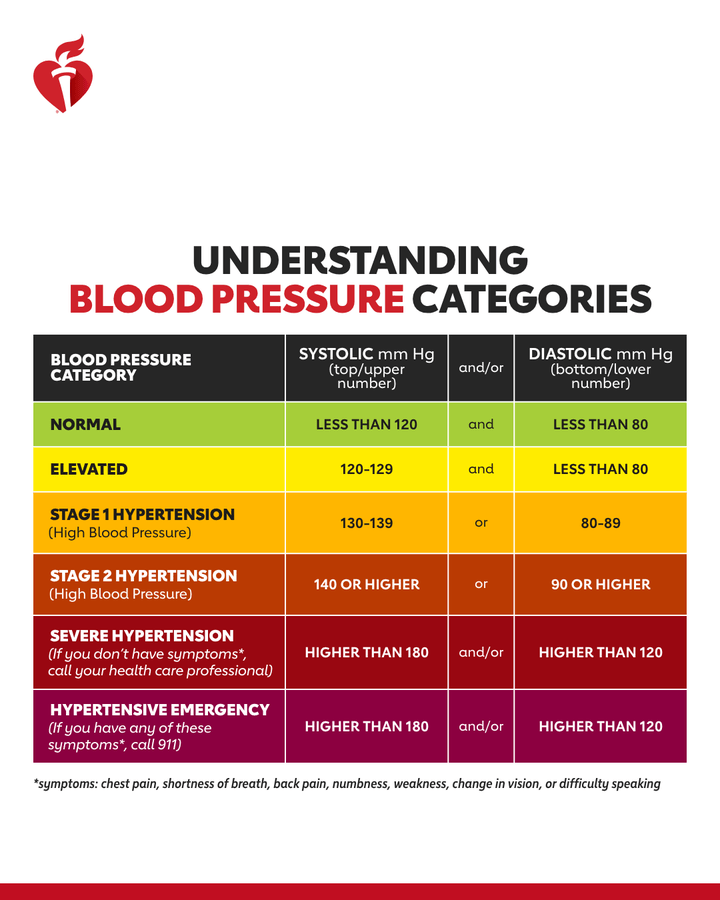
Get your blood pressure checked at least once a year and understand what the numbers mean. Severe high blood pressure combined with symptoms such as chest pain or trouble speaking may be a hypertensive emergency, according to the new high blood pressure guideline, and you should call 911 immediately.
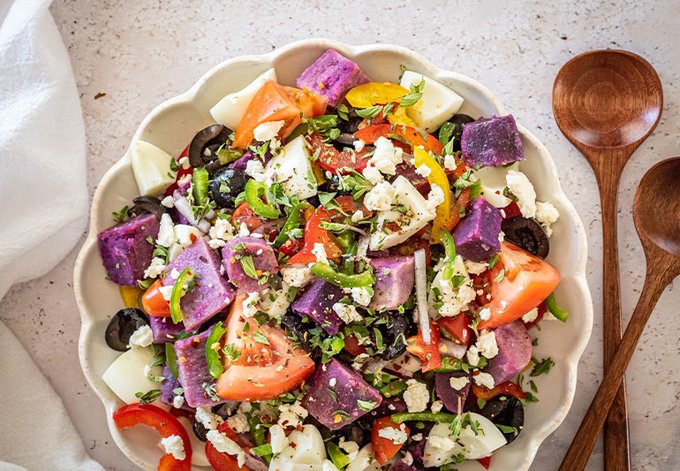
Peru has been cultivating potatoes for more than 6,000 years in the high Andean slopes near Lake Titicaca.
A stroll through the public markets reveals a startling number of sizes, shapes and colors — including the famous Peruvian blue potatoes with their purplish-blue skin and flesh.
It’s fun to use these blue potatoes, but if your market doesn’t carry them or if you prefer other potatoes, you can always use small red or white potatoes.
Ingredients
Kosher salt 1 1/4 pounds small Peruvian blue potatoes 1/4 cup minced red onions 1 red bell pepper, seeded and diced 1 yellow bell pepper, seeded and diced 1 large tomato, seeded and chopped 1 jalepeño, seeded and minced 3 tablespoons red wine vinegar 3 tablespoons extra virgin olive oil 1 teaspoon sugar substitute 2 hard-boiled egg whites, chopped 2 tablespoons chopped fresh oregano 1/2 cup crumbled reduced-fat feta cheese 2 tablespoons sliced black olives, optional
Directions
Bring a pot of lightly salted water to a boil. Simmer the potatoes until cooked through, 15 to 20 minutes, depending on size. Drain and cool. Quarter or slice into bite-sized pieces and place in a bowl.
Combine the potatoes and the onion, bell peppers, tomato, jalepeño, vinegar, oil, 1/4 teaspoon salt (if using), sugar substitute, egg whites, oregano and cheese. Refrigerate until ready to serve. Garnish with olives, if using.
Nutritional information (per serving)
Makes 8 servings
Calories: 200 calories (31% from fat) Total fat: 7 g Saturated fat: 1.5 g Protein: 7 g Carbohydrate: 31 g Dietary fiber: 2 g Cholesterol: 5 mg Sodium: 95 mg Potassium: 109 mg
This is a last-minute dessert that can be made post-dinner, while you brew the coffee and finish clearing the table. Have ingredients and equipment ready beforehand — just be sure to turn the pineapple once and give the skillet a couple of shakes and voila! You’ll have a delightfully sweet dessert ready at your fingertips.
Ingredients
1/4 cup sugar 1/4 cup sugar substitute 1 pineapple, peeled, cored and sliced into six wedges lengthwise Butter-flavored cooking spray, refrigerated 1 tablespoon trans-fat free margarine 2 tablespoons Cognac or fresh orange juice 1 cup fresh raspberries
Directions
Combine the sugar and sugar substitute. Sprinkle half of the mixture over one side of the pineapple. Turn and sprinkle the rest on the other side.
Lightly coat a large non-stick skillet with cooking spray. Add the margarine and melt over high heat. Place the pineapple in the skillet and cook, turning once and shaking the pan often, until it turns golden brown, 10 to 15 minutes. (The pineapple can be prepared to this point and held for one hour.)
Transfer the pineapple wedges to six dessert dishes, leaving the sauce that has formed in the pan.
Stir the cognac into the pan to thin the sauce. Heat briefly. Drizzle the sauce over the pineapple and sprinkle with equal portions of the raspberries. Serve warm.
Nutritional information (per serving)
Makes 6 servings
Calories: 118 Total fat: 3 g Protein: 0.1 g Carbohydrate: 22 g Dietary fiber: 2 g Cholesterol: 0 mg Sodium: 0 mg Potassium: 122 mg








 Healthaware