Skip to content
Healthaware

Healthaware

Health is Wealth

  • Home

Author: Padraic Guilfoyle

Alcohol is a toxic, addictive drug that can be very damaging to health. Alcohol products, mainly beer, spirits and wine can be marketed without reference to alcohol in the advertising. Alcohol is consumed without restraint or regard for its health consequences.
Posted on September 29, 2025

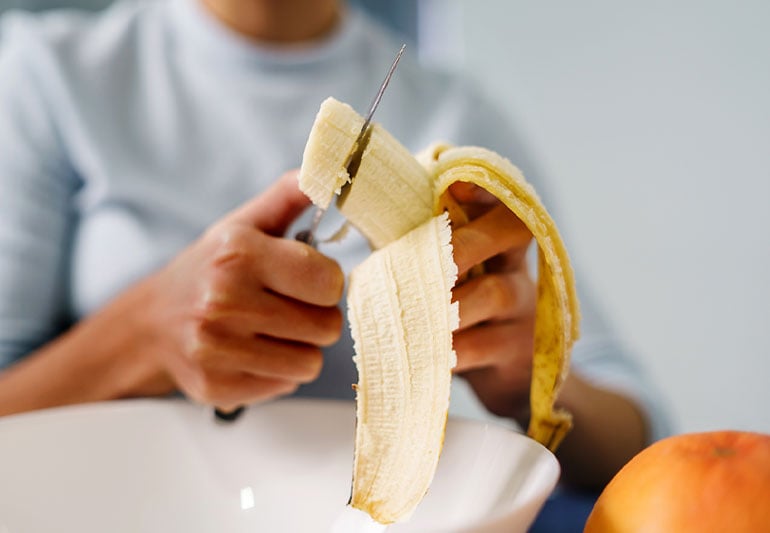
From vitamins to minerals to fiber, bananas are good for you, with lots of nutrition to offer. Plus, they’re easy to digest. @ClevelandClinic

Some have called bananas “nature’s perfect snack,” and it’s easy to see why. The curvy yellow fruits come conveniently packaged, travel well in a lunch bag or purse and are incredibly versatile. They make a great smoothie mixer or a tasty topper on cereal or oatmeal and even have their very own category of (delicious!) muffins and bread.

Are bananas healthy?

 “Absolutely,” says registered dietitian Elyse Homan, RD, LD. “They’re full of nutrients and easy on the gut. Very few people have problems digesting bananas.”

So, what are you eating when you peel and enjoy? A medium-sized ripe banana contains:

  • 105 calories.
  • 1 gram of protein.
  • 28 grams of carbohydrates.
  • 15 grams of (natural) sugar.
  • 3 grams of fiber.
  • Less than 1 gram of fat.

Health benefits of eating bananas

From vitamins to minerals to fiber, bananas are good for you, with lots of nutrition to offer. Plus, they’re easy to digest, reiterates Homan. Here’s a breakdown of banana’s most notable nutritional benefits:

1. Fiber for improved digestion and disease prevention

With 3 grams (g) of fiber, a banana supplies nearly 10% of what you need in a day, based on a 2,000-calorie daily diet, according to the U.S. Department of Agriculture (USDA) dietary guidelines.

You hear “fiber” and probably automatically think of digestion. It’s true — fiber is great for your gut. It helps keep things moving in your intestines, and most of us probably need to eat more.

But fiber also impacts your health in other ways. Researchers who looked at data from nearly 200 studies found that people who ate 25 to 29 g of fiber a day had up to a 30% decreased risk of:

  • Colorectal cancer.
  • Heart disease.
  • High blood pressure.
  • High cholesterol.
  • Stroke.
  • Type 2 diabetes.

2. Vitamin C for better immune health

Vitamin C (ascorbic acid) is a nutrient that helps your body absorb iron and boosts your immune system’s ability to fight illness. Adults need 75 to 90 milligrams (mg) per day. A banana delivers about 10 mg of vitamin C.

Vitamin C is one of many antioxidants you can get from food. Antioxidants are important because they cancel out free radicals in your body. Free radicals can build up and damage your cells, leading to disease. But antioxidants like vitamin C keep free radicals in check.

3. Vitamin B6 for improved metabolism and more

Your body needs vitamin B6 for:

  • Appetite regulation.
  • Immune system functions.
  • Metabolic processes.
  • Nervous system health.
  • Sleep regulation.

“One banana will give you one-quarter to one-third of the vitamin B6 you need in a day,” says Homan.

4. Potassium for organ health and lower blood pressure

The USDA recommended daily intake of potassium for adults is 4,700 to 5,000 mg. A banana supplies you with about 422 mg, or a little less than 10% of what you need per day.

Potassium, a mineral, does a lot for your body. It’s essential for the proper function of your:

  • Heart.
  • Kidneys.
  • Muscles.
  • Nerves.

Getting enough potassium also keeps your blood pressure in a healthy range. Potassium, which lowers blood pressure, balances out sodium, which raises blood pressure.

Homan says potassium also benefits your vascular system — the network of blood vessels and lymph vessels that run through your body’s tissues and organs — and reduces your risk of:

  • Heart disease.
  • Kidney failure.
  • Stroke.

5. Magnesium for improved blood pressure, blood sugar and more

A single medium-sized banana offers about 32 mg of the mineral magnesium, which fulfills around 8% to 10% of your daily magnesium requirement.

Magnesium is involved in many processes in your body, including:

  • Blood pressure.
  • Blood sugar levels.
  • Building proteins.
  • Maintaining bone.
  • Muscle function.
  • Nerve function.

Bananas and resistant starch

Green, or unripe, bananas are high in resistant starch. “Your body can’t digest resistant starch,” notes Homan. “Instead, it’s a prebiotic that promotes the growth of good bacteria in your colon.” Prebiotics improve digestive health and can be helpful if you’re experiencing diarrhea.

“I often hear patients say they avoid bananas since they’ve heard the fruit is too high in sugar,” says Homan. As bananas ripen, much of the resistant starch changes to sugar. But the health benefits of antioxidants and fiber outweigh the naturally occurring sugar. For those worried about blood sugar levels, pair bananas with a protein source such as peanut butter or a cheese stick for better control.

A small word of warning about unripe bananas: “If you’re not used to eating resistant starch, start slowly to let your body get used to it. Some people can experience constipation, gas and bloating at first,” adds Homan.

Another plus of this fruit? In addition to all the health benefits of bananas, they’re less expensive than many other fruits.

Posted on September 29, 2025

An eating plan that emphasizes eating A LOT of food, not a little? It isn’t too good to be true — it’s the premise behind volume eating. @ClevelandClinic

An eating plan that emphasizes eating A LOT of food, not a little? It isn’t too good to be true — it’s the premise behind volume eating. pic.twitter.com/gMzC25Lsdx

— Cleveland Clinic (@ClevelandClinic) July 2, 2025
Posted on September 28, 2025

Learn how to do a glute bridge for leg and butt strength from exercise physiologist Katie Lawton, MEd. @ClevelandClinic

Learn how to do a glute bridge for leg and butt strength from exercise physiologist Katie Lawton, MEd. pic.twitter.com/AZbMSdsjFZ

— Cleveland Clinic (@ClevelandClinic) July 29, 2025
Posted on September 27, 2025

Blackrock Health: Nutrition critical to Sound Health

On World Health Day, we are emphasising the importance of proactive health management through informed dietary choices. Nutrition plays a critical role in preventative care, supporting overall well-being and mitigating the risk of chronic diseases.

Adopting a balanced and personalised approach to dietetics can significantly contribute to improved health outcomes.

Our team of experienced dietitians provides comprehensive nutritional assessments and tailored plans to meet individual needs. We are committed to empowering individuals to take control of their health through evidence-based dietary strategies.

Learn more about our Dietetics & Nutrition services and how we can support your health goals: https://ow.ly/mp0q50VsnLX

#WorldHealthDay#Dietetics#Nutrition#ProactiveHealth#PreventativeCare#CorporateWellness#BlackrockHealth#BetterTogether#Healthcare

Posted on September 26, 2025

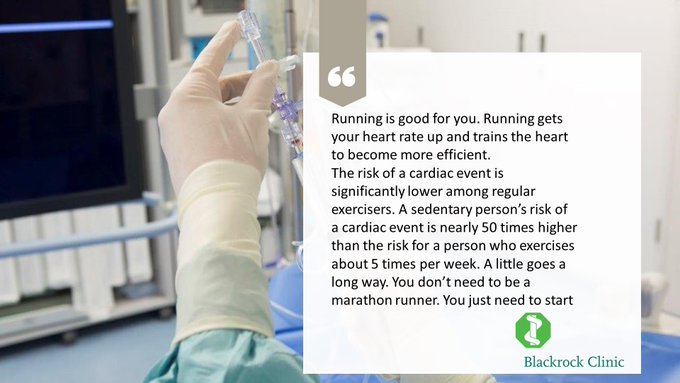
Running is good for your ❤️💜 @deirdrewate @brc_clinic #physiotherapy


Blackrock Clinic

@brc_clinic

·
1h

Promoting #HeartHealth this spring @brc_clinic
Consultant Cardiologist Dr Deirdre Waterhouse inspires us with a personal take on exercise. Full disclosure from Deirdre, she currently jogs a daily 5k with her 11 year old son @Irishheart_ie
@deirdrewate
https://blackrock-clinic.ie/consultant/wat
Posted on September 25, 2025

No level of alcohol consumption is safe for our health. The WHO

4 January 2023 

News release

Reading time: 3 min (759 words)

Français

Русский

Deutsch

The risks and harms associated with drinking alcohol have been systematically evaluated over the years and are well documented. The World Health Organization has now published a statement in The Lancet Public Health: when it comes to alcohol consumption, there is no safe amount that does not affect health.

It is the alcohol that causes harm, not the beverage

Alcohol is a toxic, psychoactive, and dependence-producing substance and has been classified as a Group 1 carcinogen by the International Agency for Research on Cancer decades ago – this is the highest risk group, which also includes asbestos, radiation and tobacco. Alcohol causes at least seven types of cancer, including the most common cancer types, such as bowel cancer and female breast cancer. Ethanol (alcohol) causes cancer through biological mechanisms as the compound breaks down in the body, which means that any beverage containing alcohol, regardless of its price and quality, poses a risk of developing cancer.

The risk of developing cancer increases substantially the more alcohol is consumed. However, latest available data indicate that half of all alcohol-attributable cancers in the WHO European Region are caused by “light” and “moderate” alcohol consumption – less than 1.5 litres of wine or less than 3.5 litres of beer or less than 450 millilitres of spirits per week. This drinking pattern is responsible for the majority of alcohol-attributable breast cancers in women, with the highest burden observed in countries of the European Union (EU). In the EU, cancer is the leading cause of death – with a steadily increasing incidence rate – and the majority of all alcohol-attributable deaths are due to different types of cancers.

Risks start from the first drop

To identify a “safe” level of alcohol consumption, valid scientific evidence would need to demonstrate that at and below a certain level, there is no risk of illness or injury associated with alcohol consumption. The new WHO statement clarifies: currently available evidence cannot indicate the existence of a threshold at which the carcinogenic effects of alcohol “switch on” and start to manifest in the human body.

Moreover, there are no studies that would demonstrate that the potential beneficial effects of light and moderate drinking on cardiovascular diseases and type 2 diabetes outweigh the cancer risk associated with these same levels of alcohol consumption for individual consumers.

“We cannot talk about a so-called safe level of alcohol use. It doesn’t matter how much you drink – the risk to the drinker’s health starts from the first drop of any alcoholic beverage. The only thing that we can say for sure is that the more you drink, the more harmful it is – or, in other words, the less you drink, the safer it is,” explains Dr Carina Ferreira-Borges, acting Unit Lead for Noncommunicable Disease Management and Regional Advisor for Alcohol and Illicit Drugs in the WHO Regional Office for Europe. 

Despite this, the question of beneficial effects of alcohol has been a contentious issue in research for years.

“Potential protective effects of alcohol consumption, suggested by some studies, are tightly connected with the comparison groups chosen and the statistical methods used, and may not consider other relevant factors”, clarifies Dr Jürgen Rehm, member of the WHO Regional Director for Europe’s Advisory Council for Noncommunicable Diseases and Senior Scientist at the Institute for Mental Health Policy Research and the Campbell Family Mental Health Research Institute at the Centre for Addiction and Mental Health, Toronto, Canada.

We are missing the bigger picture

Globally, the WHO European Region has the highest alcohol consumption level and the highest proportion of drinkers in the population. Here, over 200 million people in the Region are at risk of developing alcohol-attributable cancer.

Disadvantaged and vulnerable populations have higher rates of alcohol-related death and hospitalization, as harms from a given amount and pattern of drinking are higher for poorer drinkers and their families than for richer drinkers in any given society.

“So, when we talk about possible so-called safer levels of alcohol consumption or about its protective effects, we are ignoring the bigger picture of alcohol harm in our Region and the world. Although it is well established that alcohol can cause cancer, this fact is still not widely known to the public in most countries. We need cancer-related health information messages on labels of alcoholic beverages, following the example of tobacco products; we need empowered and trained health professionals who would feel comfortable to inform their patients about alcohol and cancer risk; and we need overall wide awareness of this topic in countries and communities,” adds Dr Ferreira-Borges.

Posted on September 25, 2025

Standing can help you lose weight, increase productivity, and lower risk of heart disease. @mayoclinicsport

Mayo Clinic Sports‏ @mayoclinicsport 14h14 hours ago

Sitting vs. Standing DYK that more standing and less sitting can help you lose weight, increase productivity, and lower risk of heart disease. Take a stand for health and success today! Learn more ➡️ https://mayocl.in/2Mbvqnm 

Posted on September 24, 2025

Recipe: Caramelized Pineapple With Raspberries @ClevelandClinic


Cleveland Clinic

@ClevelandClinic
·
28m

This is a last-minute dessert that can be made post-dinner, while you brew the coffee and finish clearing the table

health.clevelandclinic.org
Recipe: Caramelized Pineapple With Raspberries
A refined, refreshing and quick dessert that will impress your guests

This is a last-minute dessert that can be made post-dinner, while you brew the coffee and finish clearing the table. Have ingredients and equipment ready beforehand — just be sure to turn the pineapple once and give the skillet a couple of shakes and voila! You’ll have a delightfully sweet dessert ready at your fingertips.

Ingredients

1/4 cup sugar
1/4 cup sugar substitute
1 pineapple, peeled, cored and sliced into six wedges lengthwise
Butter-flavored cooking spray, refrigerated
1 tablespoon trans-fat free margarine
2 tablespoons Cognac or fresh orange juice
1 cup fresh raspberries

Directions

  1. Combine the sugar and sugar substitute. Sprinkle half of the mixture over one side of the pineapple. Turn and sprinkle the rest on the other side.
  2. Lightly coat a large non-stick skillet with cooking spray. Add the margarine and melt over high heat. Place the pineapple in the skillet and cook, turning once and shaking the pan often, until it turns golden brown, 10 to 15 minutes. (The pineapple can be prepared to this point and held for one hour.)
  3. Transfer the pineapple wedges to six dessert dishes, leaving the sauce that has formed in the pan.
  4. Stir the cognac into the pan to thin the sauce. Heat briefly. Drizzle the sauce over the pineapple and sprinkle with equal portions of the raspberries. Serve warm.

Nutritional information (per serving)

Makes 6 servings

Calories: 118
Total fat: 3 g
Protein: 0.1 g
Carbohydrate: 22 g
Dietary fiber: 2 g
Cholesterol: 0 mg
Sodium: 0 mg
Potassium: 122 mg

— Cleveland Clinic Healthy Heart Lifestyle Guide and Cookbook (© 2007 Broadway Books).

Posted on September 24, 2025

Blackrock Health: Nutrition critical to Sound Health

On World Health Day, we are emphasising the importance of proactive health management through informed dietary choices. Nutrition plays a critical role in preventative care, supporting overall well-being and mitigating the risk of chronic diseases.

Adopting a balanced and personalised approach to dietetics can significantly contribute to improved health outcomes.

Our team of experienced dietitians provides comprehensive nutritional assessments and tailored plans to meet individual needs. We are committed to empowering individuals to take control of their health through evidence-based dietary strategies.

Learn more about our Dietetics & Nutrition services and how we can support your health goals: https://ow.ly/mp0q50VsnLX

#WorldHealthDay#Dietetics#Nutrition#ProactiveHealth#PreventativeCare#CorporateWellness#BlackrockHealth#BetterTogether#Healthcare

Posted on September 24, 2025

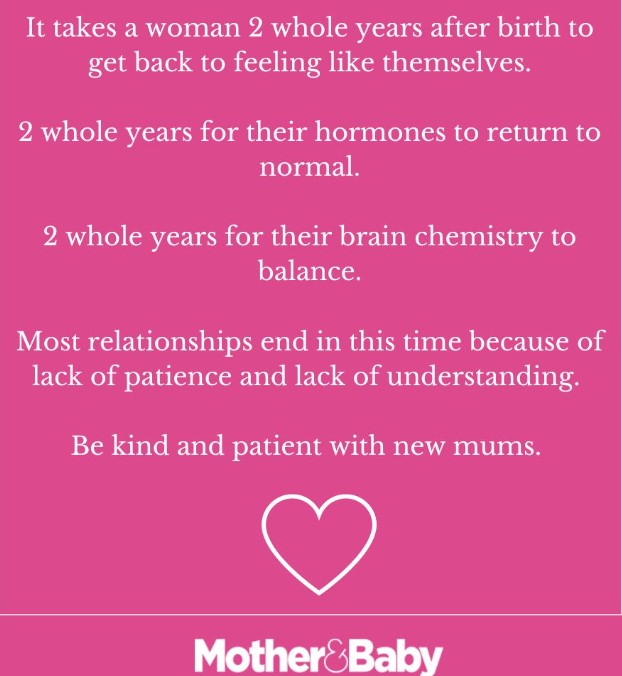
Be Kind and Patient with New Mums 🩷@motherandbaby

motherandbaby

•

Follow

Liked by gery.n.p and others

  • motherandbaby's profile picturemotherandbabyHow long did it take for you to start feeling like yourself again after giving birth? 🩷

    #newmum #bekind13h

Posts pagination

Previous page Page 1 … Page 23 Page 24 Page 25 … Page 269 Next page

Tags

  • Alcohol
  • Cleveland Clinic
  • Depression
  • diet
  • exercise
  • Female health
  • fitness
  • Harvard Health
  • Healthaware
  • heartaware
  • heart health
  • nutrition
  • physical activity
  • physiotherapy
  • yoga

Recent Posts

  • Recipe: Decadent Chocolate Soufflé @ClevelandClinic
  • Biking is a good way to get your blood flowing..😍😃@ClevelandClinic #hearthealth
  • “People need to be doing 30 minutes of brisk exercise a day” Prof. Pat Nash @blackrock_health #hearthealth ❤️
  • Decision Fatigue is real and you’re not alone – Anna Mathur @motherandbaby
  • The Focus of our Treatment is Exercise Prescription #Physiotherapy
  • Does #honey work to soothe a sore throat and cough? Yes, says family medicine physician Elizabeth Rainbolt, MD.@ClevelandClinic
  • Take care of yourself — Reduce stress, rest when possible, hydrate and eat a balanced diet with an extra 500 calories a day @ClevelandClinic
  • “Catherine’s Rose” @the_rhs – Chelsea Flower Show 2025…
  • Kickstart your health resolutions with these top nutrition tips from our Senior Dietitians at Blackrock Health Hermitage Clinic.
  • An eating plan that emphasizes eating A LOT of food, not a little? It isn’t too good to be true — it’s the premise behind volume eating. @ClevelandClinic
  • Does #honey work to soothe a sore throat and cough? Yes, says family medicine physician Elizabeth Rainbolt, MD.@ClevelandClinic
  • Excellent programme by Hazel Martin @hazelreporting @BBCPanorama on the impact of alcohol on women’s health and the deliberate targeting of women by drinks companies #liverdisease
  • Mediterranean Diet can lower your risk of heart diseaase
  • Blackrock Health – Womens Health Centre is officially open at 2-5 Warrington Place, Dublin 2!
  • Measuring how well a person is aging can be as simple as standing on one leg @MayoClinic #neuromuscular
  • Wondering if you need an alcohol detox? Learn how to detox your liver from alcohol use, and how long it could take. Christina Lindenmeyer, MD.
  • Mediterranean Diet can lower your risk of heart diseaase
  • Movement is Life 🧬@HealthBlackrock 💜❤️
  • Take care of yourself — Reduce stress, rest when possible, hydrate and eat a balanced diet with an extra 500 calories a day @ClevelandClinic
  • Purple porridge @annabelkarmel @motherandbaby
Blog at WordPress.com.
  • Subscribe Subscribed
    • Healthaware
    • Join 1,722 other subscribers
    • Already have a WordPress.com account? Log in now.
    • Healthaware
    • Subscribe Subscribed
    • Sign up
    • Log in
    • Report this content
    • View site in Reader
    • Manage subscriptions
    • Collapse this bar
 

Loading Comments...