Alcohol is a toxic, addictive drug that can be very damaging to health. Alcohol products, mainly beer, spirits and wine can be marketed without reference to alcohol in the advertising. Alcohol is consumed without restraint or regard for its health consequences.
Can eating the rainbow help to reduce inflammation?
11/6/2025 by Tamara Soerense
n
Inflammation is a natural process initiated by the immune system in response to illness, trauma, toxins, physical stress and chronic disease. While acute inflammation is protective and allows our bodies to heal, it can become harmful if it persists, leading to chronic inflammation. Chronic inflammation, in turn, can lead to conditions such as arthritis, heart disease, and diabetes.
Several foods can contribute to inflammation. These include highly processed foods, refined carbohydrates, or foods high in added sugars. Conversely, other foods can help calm the immune system, decreasing inflammation.
Let’s explore which foods help lower inflammation and how they can be incorporated into an anti-inflammatory diet.
Fruits and Vegetables: Colorful fruits and vegetables naturally contain various phytonutrients and bioactive compounds that help keep inflammation in check. These foods form the foundation of the anti-inflammatory diet and can be enjoyed in abundance. For an extra boost of protection, try drizzling antioxidant-rich olive oil on your veggies..
Protein: Choose primarily from plant-based sources such as legumes, soy, nuts, and seeds, with smaller amounts from lean cuts of animal protein and fatty fish. The fats in these proteins, mainly monounsaturated and omega-3, play a significant role in combating inflammation. The American Heart Association recommends 6 to 8 ounces of fatty fish and 5 ounces of legumes, nuts, and seeds per week.
Whole grains: Whole grains contain all parts of the grain, whereas refined grains remove the germ and bran, eliminating important inflammation-reducing compounds. Of these, fiber is a bit of a superstar, shown to help reduce blood sugar and cholesterol levels. Aim for at least 50% of your grains from whole grain sources, such as rolled oats and brown rice.
Herbs and Spices: Herbs and spices add flavor to your food and help reduce oxidative stress, which can trigger inflammation. Add ginger, turmeric, clove, cinnamon, oregano, and garlic to your next meal.
What change can you make today to shift your body into a less inflamed state?
Consider adding one colorful fruit or vegetable to your diet each day. Suggestions include tomatoes, oranges, yellow bell peppers, arugula, blueberries, pumpkin and broccoli.
Tamara Soerensen completed her bachelor’s degree in biology at the University of California, Santa Barbara and her master’s in nutrition at Bastyr University. She is currently a dietetic intern at Mayo Clinic in Rochester, Minnesota. Special interests include digestive health and the utilization of diet for disease prevention.
Yes, alcohol affects hormones in women by increasing estrogen and cortisol, and decreasing progesterone, which can lead to issues like irregular menstrual cycles, worsened menopause symptoms, and an increased risk for certain health conditions. The liver prioritizes metabolizing alcohol, disrupting the body’s normal hormone regulation, and its effects are seen across all stages of a woman’s life.
Specific hormonal effects
Estrogen: Alcohol can increase estrogen levels by increasing its production or decreasing its breakdown. This is a concern because elevated estrogen is linked to an increased risk of certain cancers, such as breast cancer.
Progesterone: Moderate to heavy drinking can lead to lower progesterone levels, which is particularly relevant for premenopausal women and can disrupt the menstrual cycle and affect fertility.
Cortisol: Alcohol consumption increases cortisol, the body’s primary stress hormone. Chronically high cortisol levels can negatively impact bone growth, digestion, reproduction, and immune function.
Other hormones: Alcohol can also affect other key hormones, such as Anti-müllerian Hormone (AMH), gonadotropins (like FSH and LH), and thyroid hormones, which can impact fertility and other bodily functions.
Effects on reproductive function
Menstrual cycle: Alcohol can cause irregular periods and, in some cases, complete cessation of menses.
Menopause: For menopausal and postmenopausal women, alcohol can worsen symptoms like hot flashes and night sweats and may increase the risk of conditions like osteoporosis and heart disease.
Fertility: Studies show women who drink more than 7 alcoholic drinks per week while undergoing fertility treatment are less likely to achieve pregnancy.
Important considerations
Risk increases with consumption: The more alcohol a woman consumes, the greater the impact on her hormones and overall health.
Short-term vs. long-term: The liver’s priority is processing alcohol, which disrupts hormone regulation. For women who are heavy or long-term drinkers, the long-term effects on hormone levels and associated health risks can be significant.
Seek professional advice: It is important to discuss any concerns about alcohol, hormones, and reproductive health with a healthcare provider.
Up to 85% of people in the U.S. experience back pain in their lifetime. And 28% of people with chronic pain turn to alcohol for relief. So, it can be helpful to understand possible connections between the two. There are many reasons you may experience back pain, and alcohol can… pic.twitter.com/BmRjRJpPgQ
If you’re planning to start an exercise program and wondering where to begin, start with your core first, says physical therapist Brittany Smith, DPT. People often think of the core muscles as being the abdominal muscles, but the core includes the muscles in the abdomen, back and hips, all working together as a group.
“The core muscles provide stability for the entire body as it moves,” says Smith. “These muscles are activated when you stand up, turn, bend, reach, twist, stoop and move in most other ways. Everything starts with your core.”
Strong core muscles help you maintain good posture, while weak ones can lead to slouching and slumping. Poor posture can be a cause of aches and pain, especially in the back.
Getting started with your core
To get your core muscles in shape, you need to exercise.
“Our bodies were made to move, so any physical activity is really important,” says Smith.
She recommends these specific core-strengthening exercises below.
The first one engages the deep muscles in the abdomen, called the transverse abdominis. “These muscles help hold us in a better position to stabilize our core, thereby stabilizing our arms and legs,” says Smith.
“The more you work on these muscles, the more it will become second nature to hold these muscles tight when you’re lifting grocery bags, doing yard work or any other kind of physical activity,” says Smith. This will help support your body.
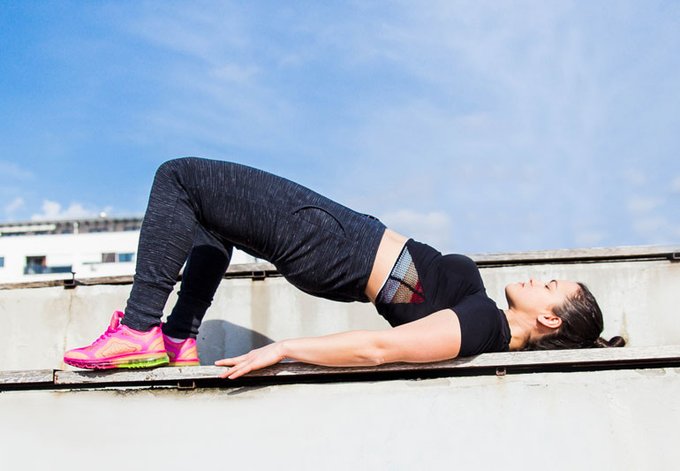
Other muscles that tend to be weak are the gluteus maximus in the buttocks, and the gluteus medius and gluteus minimus on the side of the hip. The bridge and clamshell exercises can help strengthen these muscles.
Smith emphasizes that getting the proper position of these exercises correct is more important than the number of repetitions you do. “It’s better to take your time, maybe do fewer reps, but with better quality,” she says. For that reason, it can be helpful to have the guidance of a physical therapist to get started.
Move on from the core
Core exercises are the starting point of overall fitness because you need to hold those muscles engaged while you strengthen other muscles, such as the biceps in the arms or the quadriceps in the legs.
Smith suggests setting short-term goals (for about a month) and then more long-term goals. Once you have achieved short-term goals, such as getting around more easily, add other types of weight-training or resistance exercises to build muscle elsewhere.
With any exercise you do, always listen to your body, warns Smith. If you have pain other than muscle burn, take it easy. Reduce the number of repetitions, the weight or the duration of the exercises. Then build up gradually. “You don’t have to be in pain to make gains,” she says.
Beginner exercises for core strength
For each of the following, work up to one to two sets of 10 to 15 repetitions once a day.
Abdominal bracing
Lie on your back with your knees bent and feet flat on the floor. Contract your abdominal muscles, and press the arch of your back down toward the floor, pulling your belly button toward your spine. Hold for 5 to 10 seconds. Make sure your lower back stays flat on the floor. Relax and repeat.
Bridge
Lie on your back with your knees bent and feet flat on the floor with your arms at your sides. Squeeze your abdominal and buttocks muscles, push your heels into the floor and slowly lift your buttocks and hips off the floor. Keep your back straight. Hold for 5 to 10 seconds.
Clamshell
Lie on your side with knees bent in line with your hips and back, draw up the top knee while keeping contact of your feet together as shown. Don’t let your pelvis roll back during the lifting movement. Hold for 5 seconds.
Check-in with your care team, and focus on low-impact exercises and walking for good gains
If you’re living with advanced prostate cancer, you might be wondering exactly how far you should push yourself when it comes to physical activity and exercise. Should you take it easy and hold back? Or should you try to maintain your exercise routine?
And if you’ve had your prostate surgery or your prostate removed (prostatectomy) you may be concerned about any sort of limitations or restrictions on specific exercises to avoid further pain or injury.
Occupational therapist Maria Pickston, OTR/L, CLT, reminds us that each person’s medical history and cancer treatment is unique. So, before beginning any exercise program during recovery, it’s essential to obtain clearance from your oncologist or healthcare team.
Pickston shares some additional insight on how exercise can help with the process of recovery and why exercise is so important overall.
Importance of exercise for prostate health
Your prostate is part of your pelvic floor, an area densely populated with a group of muscles and connective tissues that support the functions of your bowel, bladder and reproductive organs. Your pelvic floor muscles also aid your abdominals (core muscles) and back muscles in providing structural stability to your spine.
When we talk about prostate health, we’re most often talking about modifiable risk factors, which are the things you can do to reduce the likelihood of developing prostate cancer. But if you’re living with prostate cancer, focusing on your overall health is key and exercise is a big part of that.
“When you put the words ‘cancer’ and ‘exercise” together, it can feel like such a road block because it sounds counterintuitive to be exercising when you’re going through cancer treatment,” says Pickston.
“Years ago, people were told not to exert themselves and to take it easy. But in the last 20-plus years, we’ve had an explosion of research supporting the benefits of physical activity for cancer survivors and how exercise can improve the symptoms and side effects of chemotherapy and radiation therapy.”
Exercise can have a huge impact on your physical, mental and emotional health and increase your energy levels — all things that tend to be affected when you have surgery or are going through cancer treatments.
“Prostate cancer treatment can lead to several side effects like loss of muscle mass and physical strength, sexual dysfunction, reduced bone density, increased fatigue, and a higher risk of heart disease and diabetes,” explains Pickston.
Exercise plays a vital role in tackling these challenges and enhancing the physical outcomes of treatment.
“Current research demonstrates that exercise is safe and beneficial before, during and after cancer treatment as it improves energy levels and the overall quality of life, enabling individuals to continue enjoying the activities they love,” notes Pickston. “A physically active lifestyle not only helps in lowering the risk of various cancers, but also reduces the risk of recurrence in some cancers, including prostate cancer.”
Translation: Once you check in with your care team, don’t let your cancer diagnosis stop you from working out.
How often should you exercise to promote prostate health?
If you’re living with prostate cancer, are going through cancer treatment or have had a prostatectomy, you want to talk to your healthcare provider first to before you begin any exercise program as you may need to adhere to certain precautions during those first few weeks of recovery.
There’s no one set exercise that specifically focuses on prostate health — but if you focus on improving your overall health, increasing your heart rate, improving your blood flow and getting those endorphins going, you’ll find that those things will have significant positive impact on how you’re feeling overall and your ability to recover from your condition and treatment.
“Individuals who are physically fit or active before their cancer diagnosis are more likely to regain their previous level of functioning compared to those who lead a more sedentary lifestyle,” says Pickston.
“In oncology rehabilitation, personalized programs are designed to cater to each individual’s unique circumstances. Special considerations are taken into account, including your medical history, current fitness level, the type and stage of your cancer, and the specific cancer treatment you are having to ensure that the rehab process is both safe and effective.”
Everyone responds to cancer and cancer treatments differently. What works for someone else might not come as easily for you — and that’s OK.
“Each individual’s journey is different, and your focus should be on finding an approach that suits your specific needs and abilities, fostering progress and overall well-being,” encourages Pickston.
And don’t feel like you have to push yourself too hard — you can, and should, rest when you need it the most. Exercise doesn’t always have to be a one-hour routine, either. It can be as simple as standing up and stretching during commercial breaks, walking to the end of your driveway and back, or making sure you keep up with your daily living activities around the house like laundry, cleaning and showering.
“Just the act of walking or going up and down the stairs is something you can immediately do when you get home after prostate surgery,” says Pickston. “Be patient with yourself and avoid pushing to the point of pain or excessive discomfort or fatigue. If it’s been a while since you’ve been active or your overall fitness level is low, start slowly and gradually build. The key is to be as physically active as your current condition and abilities allow.”
Aerobic exercise for prostate and sexual health
Specifically, aerobic exercise (also known as cardiovascular exercise) has wide-ranging full-body benefits that can impact your heart, brain, joints, skin and muscles. It not only extends your life expectancy, but it can also decrease your blood pressure and heart rate, and increase your blood flow, which has a direct impact on your sexual function, mood, digestion and more.
Again, if you can’t hit the ground running that fast, you can do small things to work your way back up to that routine.
“Think about all the physical activity you can do like playing with your grandkids, dancing, gardening, carrying groceries or doing chores around the house. But it’s even better if you begin to incorporate intentional exercises like brisk walking, swimming and weightlifting,” says Pickston.
“It’s crucial for those undergoing treatment to understand that exercise is the best way to treat cancer-related fatigue. As your strength and fitness improves, you can engage in meaningful activities more easily.”
One specific side effect mentioned earlier is loss of bone density, which can lead to osteoporosis, a condition where the bones become weak, less dense and more likely to increase your risk of fractures. Weight bearing exercises such as weight training, yoga, Pilates and climbing stairs are ideal for preventing bone density loss.
“Starting slowly with light weights and gradually increasing the load is key to avoid pushing too hard and experiencing pain or exhaustion,” advises Pickston. “With time and consistency, you will notice improvements in your fatigue, strength and overall health, fitness and endurance.”
Caution for cycling as exercise
Cycling is an excellent aerobic exercise, but it’s one you might want to hold off from doing at least in the early weeks after having prostate surgery. The reason is because you tend to put a lot of pressure on your sit bones and your pelvic area while cycling, and this can cause discomfort, pain and swelling if you’re not fully healed.
“You need to be sure you are cleared by your physician before initiating cycling for any amount of time first,” says Pickston. “Once you receive clearance, there are various bike seats and bike shorts available to help cushion or accommodate the perineal area, alleviating some of that pressure.”
Kegel exercises
After having prostate surgery, it’s common to experience side effects like urinary leakage and erectile dysfunction. Kegel exercises specifically are designed to help strengthen your pelvic floor muscles and reduce the likelihood of those side effects from happening as well as help quicken recovery from those side effects. These exercises are also often recommended for some people before even having surgery so their pelvic floor muscles start off having a strong foundation before going into surgery.
“Your pelvic floor is often compromised after prostate cancer treatment because surgical or radiation treatment can damage the surrounding tissues, including the muscles of the pelvic floor,” explains Pickston. “When the pelvic floor muscles are compromised, it can lead to weakness, pain and dysfunction. Seeking help from a pelvic floor physical therapist can address these issues.”
It’s also common to experience muscle tightness in your pelvic floor and surrounding muscles after treatment, and doing Kegels without proper guidance can worsen this tightness.
“A pelvic floor therapist will help to make sure you are performing your Kegels correctly and help guide you in managing areas of muscle tightness in your pelvic floor,” says Pickston. “Learning how to engage the pelvic floor muscles correctly during daily activities can significantly reduce leakage. Sometimes, just a few simple adjustments in movement can lead to dramatic improvement.”
Healthy weight and prostate health
Having overweight or obesity increases your risk for prostate cancer — but it can also provide additional complications during the recovery process in some cases.
“If you’ve had a prostatectomy, it’s normal to experience emotional ups and downs, but the important thing is that you focus on what small things you can do each day, to feel better every day,” says Pickston. “Physical activity improves both your physical and emotional health. It’s important for managing weight, maintaining or building muscle, reducing your risk of heart disease and keeping your bones strong.”
“You want to get up, go outside and see what’s going on in your neighborhood,” encourages Pickston. “When you start exercising, your sleep improves. When your sleep improves, you’re able to heal better. And the more you can do early on, the more long-term effects you’ll experience along the way.”
Protect and build muscle while getting essential amino acids and calcium with this protein
Milk really does do a body good. It’s high in calcium, vitamin D and potassium. And it’s also rich in a beneficial protein called casein (pronounced ”KAY-seen“).
If you’re a regular dairy milk drinker, you’re already getting some benefits of casein. But you may want to consider adding more casein to your diet. Athletes and bodybuilders have been using casein protein powder for years. But the benefits of casein aren’t just for pro sports players.
“Protein is a vital part of any balanced diet,” says registered dietitian Elyse Homan, RD, LD. “But different proteins have different effects. Understanding how each protein works is beneficial, especially if you’re supplementing with it.”
What is casein?
Casein is the main protein found in dairy milk, which includes the milk from:
Cows.
Goats.
Sheep.
Casein makes up about 80% of the protein found in milk. The other 20% comes from whey protein.
“When you think of curds and whey,” Homan says, “the solid part is casein protein, and the liquid part is whey protein.”
Help your tissues and organs change and grow as needed.
Protect your body from viruses and bacteria.
Support your body’s movement by providing cell structure.
Casein vs. whey
Casein and whey have a lot in common. They’re both:
Animal-based proteins.
Complete proteins — they contain all the amino acids your body needs.
Excellent sources of calcium.
Found in dairy milk.
The main difference is that casein is a slower-digesting protein than whey. “Casein forms a gel-like substance in your stomach,” Homan explains. “It releases more slowly than other proteins and takes longer for your body to absorb.”
Casein protein benefits
Getting the recommended daily amount of protein helps you stay healthy. But casein’s slow absorption also gives it some added advantages. The health benefits of casein include:
1. Gives you all the essential amino acids
Amino acids combine to form proteins. There are 20 amino acids that your body needs to work correctly, and they join in various ways to create different proteins.
Your body makes some of the amino acids it needs, but there are nine essential amino acids that your body can’t produce — you must get them from food. Casein is a complete protein and has all nine essential amino acids.
2. Reduces muscle breakdown
Your cells rely on regular “feedings” of amino acids to continually make proteins. When you go without eating overnight or during an extended fast, your cells may not get the needed amino acids. As a result, they look for those amino acids elsewhere and break down your body’s muscles to get them.
As a slow-release protein, casein provides your cells with the amino acids they need over a long period. The slow absorption consistently feeds your cells with amino acids, allowing muscles to recover instead of breaking down.
3. Promotes muscle growth
Casein contains a high amount of leucine, an amino acid that regulates metabolism (how your body changes food into energy) and helps build and repair muscles. If you don’t typically consume a lot of protein, adding more leucine-heavy protein to your diet (like casein) can help your muscles grow when also engaging in regular exercise.
4. Provides a good source of calcium
The casein in milk is a good source of calcium, which is essential for teeth and bone health. Not getting enough calcium can lead to a loss of bone mass and increase your risk of osteoporosis (a disease that weakens your bones).
Casein protein powder may contain up to 50% of your recommended calcium intake — but always check the label to make sure that the protein powder is a good source of calcium.
How casein protein powder can help
Casein protein’s general health benefits are good for everyone. But using casein protein powder ensures you’ll get a more significant amount of casein each day. Talk to your healthcare provider about taking casein protein powder for:
Different types of proteins affect you differently after you eat them:
Whey protein, which you absorb quickly, makes you feel full immediately after ingesting it.
Casein’s slow rate of release helps you feel fuller longer.
One study found that participants who consumed casein protein powder before a meal ate less at that meal than people who had whey protein, egg albumin (made from egg whites) or water alone.
“Our bodies only absorb so much protein at one time,” Homan clarifies. “About 30 grams of protein per meal is a good amount to consume. If you plan to have more than one serving of casein powder daily, space it out.” It may help you stave off cravings and decrease snacking between meals, too.
Overnight muscle growth and recovery
Bodybuilders and athletes know that protein is key for building muscle. But keeping your body’s protein levels up overnight can be challenging. That is, unless you ingest casein immediately before going to sleep.
Research shows that consuming casein protein before bed balances your body’s protein level throughout the night. When your protein level stays consistent, muscles can continue to grow and recover — even though you’re not eating.
What to consider before taking casein
For most people, casein doesn’t cause any side effects. But Homan says certain people may need to avoid or limit casein if they have a condition such as:
Casein allergy
If you have a milk allergy, the proteins in milk trigger your immune system and cause it to overreact. People with a milk allergy are allergic to casein, whey or both.
A severe allergy can cause anaphylaxis. More mild symptoms of a milk allergy include:
“Casein allergies are not as common in adults as in children, but they do exist,” notes Homan. If you suspect you have a milk allergy, an allergist can do a test to figure out what you’re allergic to.
Lactose intolerance
Like all dairy products, casein contains the sugar lactose. If you have lactose intolerance, your small intestine can’t digest milk sugar. When you have dairy products, you may develop symptoms including:
“Casein supplements do have lower amounts of lactose,” Homan states. “If you’d like to include casein in your diet but have a lactose sensitivity, the supplement might not trigger it. Talk to your healthcare provider if you’re interested in taking a supplement.”
Protein restrictions
People with kidney disease often need to limit their protein. Too much protein can cause too much waste in your blood. If your kidneys can’t remove the waste, the buildup of toxins can lead to serious health complications.
“People with a protein restriction, such as those with kidney disease, don’t have to avoid casein,” Homan says. “But they do need to watch how much total protein they eat. Your healthcare provider can help you figure out the right amount.”
Sources of casein protein
There are two ways you can add casein to your diet:
Casein supplements
A powdered casein supplement can help you get high amounts of it, according to Homan. The most common form of casein powder is micellar casein, or you can get a rapidly absorbing type (casein hydrolysate). One serving typically contains 24 to 27 grams of protein. Mix with water to create a protein shake, or add it to smoothies, yogurt or baked goods.
“People looking to build muscle or get more protein in their diet should talk to their healthcare provider about adding casein,” she adds. “Supplementing with casein isn’t necessary if you have a healthy, balanced diet, but it can be helpful for some people.”
The U.S. Food and Drug Administration doesn’t regulate supplements. So, it’s a good idea to look for a casein supplement that underwent third-party testing. It’s usually a sign of a higher quality product.
Casein food sources
Anyone can benefit from casein, and you and your family probably already get it from the dairy products you consume, such as:
“Adding a dairy product to your breakfast is an easy way to get some casein every day,” Homan encourages. One glass of milk has 8 grams of protein — 6.4 grams (80%) of that protein is casein. “It’s great to start your day with a good protein source.”FACEBOOK
Heavy alcohol consumption may lead to earlier and more severe brain bleeds, according to a study published by researchers at Massachusetts General Brigham earlier this month.
Using data from patients admitted to MGB between 2003 and 2019 who had brain bleeds, the researchers found that people who drank heavily — defined as three or more alcoholic drinks a day — were 11 years younger, on average, when their bleeds occurred.
Strokes can be categorized into two types: ischemic strokes, which occur when blood flow to the brain is blocked, and hemorrhagic strokes, which result from a ruptured blood vessel. The researchers focused on the latter, which typically lead to more severe damage.
“Hemhorrhagic strokes, or brain bleeds, are less common, but they are a lot more dangerous,” said Edip Gurol, an associate professor of neurology at Harvard Medical School and author of the study. “50 percent of people who have a brain bleed die within the first month.”
The study, published in Neurology, tracked 1,600 patients over the course of 16 years, of which seven percent reported heavy alcohol consumption. The median age of brain bleeds for heavy drinkers was 64, compared to 75 in those who did not report heavy alcohol consumption.
“There was a very, very significant difference, which is telling us that one way or the other, heavy drinking is accelerating the brain bleeds,” Gurol said.
Using CT scans to determine the size and location of bleeds, the authors found that heavy drinkers experienced 70 percent larger bleeds and were twice as likely to have a bleed deep inside their brain.
“The brain bleeds in those patients were more likely to be deep and more likely to open inside the spinal fluid-filled spaces, the ventricles of the brain,” Gurol said.
Patients who reported heavy alcohol usage had higher blood pressure and lower blood platelet counts when they were admitted to the hospital, the study found. Those patients also showed greater evidence of small vessel damage in the brain, which is linked to several other health conditions such as dementia and heart failure.
“Despite their younger age, very probably because of the excessive alcohol use, these people had more severe small vessel disease-related brain damage, which is called white matter disease,” Gurol said.
Alvin S. Das, an assistant professor at Beth Israel Deaconess Medical Center, said the finding that heavy drinkers experienced larger brain bleeds would prompt him to stress the importance of cutting back on alcohol to his patients.
“What it might compel me to do is in a patient that comes to my office and they’ve had a deep hemorrhage, not only counsel them on aggressive hypertension management down the road to prevent another hemorrhage, but this study also would push me to counsel alcohol cessation,” Das said.
Because the number of heavy drinkers in the study was small and the data came from a single hospital, the researchers noted that future work should use larger datasets to examine how varying levels of alcohol use affect brain aging and stroke risk.
Gurol, for his part, said the findings underscore the importance of limiting alcohol consumption broadly, even in individuals without pre-existing health conditions.
“Even for people without known risk of alcohol damage, it is probably best to not to exceed three glasses per week and not to exceed one glass in over 24 hours,” Gurol said.










 Healthaware