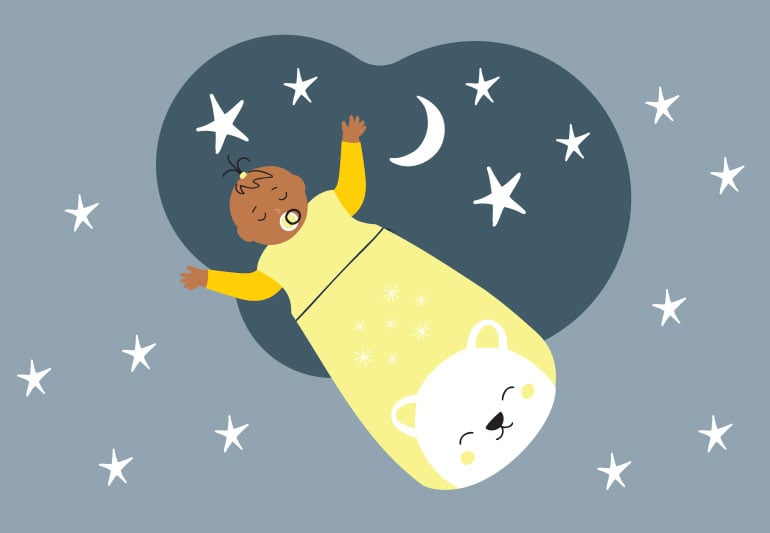
One of the safest ways for babies to hit the sack is to… well, be in a sack. @ClevelandClinic

Health is Wealth


·
There isn’t a cure for heart failure. But what you eat can help you manage the lifelong condition and minimize its impact on your life. Basically, your choices at mealtime can help you stay active and healthier.

Who says pumpkin spice is only exciting in latte form?
Don’t just reserve pumpkin for pumpkin spice lattes and pie! These easy spice cookies are a great way to spread the pumpkin love throughout the entire season.
If you don’t have any aluminum-free baking powder in your cupboard, pick some up the next time you go shopping. Aluminum may pose potential risks to your health as a neurotoxin. While the dose of aluminum is what makes the poison, some studies show a relationship between aluminum that is stored in your body and neuro-disorders (such as Alzheimer’s disease.) Limiting exposure to all metals is a protective measure we can take to optimize our health.
1 cup pumpkin puree, fresh or canned
1 tablespoon pure maple syrup
1/3 cup unsweetened applesauce
1 teaspoon pure vanilla extract
1/4 cup vegan palm shortening or melted coconut oil
1 cup oat flour
1/2 cup almond flour
1/2 teaspoon baking soda
1/2 teaspoon aluminum-free baking powder
1 teaspoon ground cinnamon
1/2 teaspoon pumpkin pie spice
Pinch sea salt
1/2 cup chopped pecans
1/4 cup mini chocolate chips
Makes 3 dozen cookies
Calories: 43
Total fat: 2 g
Saturated fat: 2 g
Cholesterol: 0 mg
Fiber: 1 g
Protein: 1 g
Carbohydrate: 5 g
Sodium: 25 mg
— Recipe courtesy of Mark Hyman, MD.



Alcohol depletes folic acid, particularly in women. When women are low in this mineral, they are more at risk for breast cancer. There’s also a preliminary belief that lower levels of folic acid can alter your mood, and cause feelings of depression and anxiety.

•
Follow

Sleep experts say we should get at least seven hours of slumber each night. But as many as one in three Americans routinely sleeps for less than six hours—a trend that can have serious health ramifications.
A single night of poor sleep can leave you feeling cranky and unmotivated. You may be too tired to work efficiently, to exercise, or to eat healthfully. And over time, continued sleep deprivation raises the risk for a number of chronic health problems, including obesity, diabetes, high blood pressure, and heart disease. Insufficient sleep can also leave you more vulnerable to mental health issues such as depression and anxiety. There’s even some evidence that insufficient sleep makes your more prone to the common cold if you’re exposed to the cold virus.
In rare cases, insufficient sleep can even more dangerous. A sleep shortfall can lead to daytime drowsiness and “microsleeps.” Microsleeps are brief bouts of sleep that occur during the day that usually last just a few seconds. If you’ve ever briefly nodded off while sitting through a lecture, you’ve experienced a microsleep. They usually last just a few seconds but can go on for 10 or 15 seconds—and pose a grave danger if they happen while you’re driving.
During a microsleep, your brain does not respond to noise or other sensory inputs, and you don’t react to things happening around you. Because people are poor judges of when microsleeps will occur (and are equally poor at preventing them), they’re a major factor in many motor vehicle accidents. One in 24 American drivers admitted to falling asleep while driving at least once in the previous month, according to a government report. The National Department of Transportation estimates that each year, drowsy driving is responsible for 1,550 fatalities and 40,000 nonfatal injuries in the United States.
So how do you combat insuficient sleep? The best solution is to figure out how many hours of sleep are right for you and then stick with it—even on weekends, holidays, and vacations. Basic lifestyle changes that promote sleep can also help. Exercise, avoiding caffeine, and practicing good sleep hygiene are some of the ways to get your best rest.
– By Julie Corliss
Executive Editor, Harvard Heart Letter
You can read more about sleep problems—and how to treat them—in the Harvard Special Health Report, Improving Sleep: A guide to a good night’s rest.
 Healthaware